How to Anchor a Floating Vanity to Wall Studs
Bathroom Remodeling4.6
A step-by-step guide to locating studs, choosing lag screws or toggle bolts, mounting a ledger board or bracket, and confirming a floating…
Read the guideSymmetrical stepped-apron silhouettes and polished brass fittings that turn a soaking tub into the centerpiece of a 1920s-inspired bathroom.
Research updated June 2026.
The best Art Deco bathtub is the Woodbridge Rectangular Freestanding Soaking Tub, a squared, symmetrical silhouette that pairs naturally with a polished brass floor-mount filler. For genuine cast iron material weight with the same clean geometry, the Kohler Iron Works Alcove Tub in white enamel leads.
An Art Deco bathtub is defined less by ornamentation than by disciplined geometric symmetry: a squared or gently stepped apron rather than a soft curved oval, clean unbroken lines, and a silhouette built to be paired with polished brass fittings rather than chrome or matte black. Genuine period tubs from the 1920s and 30s were most often built-in alcove tubs with a stepped apron front, so both freestanding and alcove picks on this list are selected for that same architectural symmetry. We researched published material, dimension and weight specifications, install type, and the patterns across thousands of aggregated owner reviews to rank the tubs that carry that geometric look most convincingly.
We do not run our own durability trials. Every dimension, weight and material figure below comes from published manufacturer specifications, and there is no numeric performance certification for bathtubs the way there is a MaP score for toilets. We weighted silhouette symmetry above all else, since a curved organic shape works against the Art Deco look regardless of finish, then material quality, since cast iron carries genuine period weight and heat retention that acrylic cannot fully replicate, then finish durability and aggregated owner reports on install and long-term wear. For the sink and faucet picks that complete the room, see our guides to the best Art Deco bathroom sinks and the best Art Deco bathtub faucets and showerheads.
Every pick here had to combine a squared or cleanly symmetrical silhouette, avoiding heavily curved slipper or organic shapes, with genuine material quality, whether that is cast iron's authentic weight and heat retention or high-quality thick acrylic as the practical lighter-weight alternative. We favored tubs with disciplined, unornamented geometry that pairs naturally with polished brass fittings, and we weighted aggregated owner reports on finish chipping and install difficulty over marketing photography. We do not accept payment for placement.
| Model | Style Fit | Key Spec | Best For | Check Price |
|---|---|---|---|---|
| Woodbridge Rectangular Freestanding | Squared symmetrical silhouette | Acrylic, rectangular profile | Best overall | Check price |
| Kohler Iron Works Alcove | Stepped-apron cast iron | Cast iron, 60 in length | Best genuine cast iron weight | Check price |
| Kohler Iron Works Historic | Classic symmetrical freestanding | Cast iron, 66 in length | Best freestanding cast iron | Check price |
| American Standard Cast Iron Alcove | Budget stepped-apron cast iron | Cast iron, 60 in length | Best budget cast iron | Check price |
| Woodbridge White Freestanding Oval | Clean symmetrical oval | Acrylic, 67 in length | Best classic oval silhouette | Check price |
| Empava Compact Freestanding | Compact symmetrical oval | Acrylic, 59 in length | Best compact freestanding | Check price |
| Kohler Villager Cast Iron Alcove | Simple squared apron | Cast iron, 60 in length | Best entry-level cast iron | Check price |

The Woodbridge rectangular soaking tub skips the soft curved oval most freestanding tubs default to for a squared, symmetrical profile that mirrors the disciplined geometry running through genuine Art Deco architecture and furniture, and it pairs naturally with a polished brass floor-mount or deck-mount filler.
Where most freestanding tubs use a soft oval or slipper shape, the rectangular profile echoes the squared geometry that defines Art Deco furniture and architecture, from stepped building facades to geometric furniture proportions. That consistency matters in a room built around clean lines and symmetry, since a curved oval tub can look visually out of place next to a stepped vanity or symmetrical sink basin.
Owners who built out a fully geometric Art Deco bathroom report that the rectangular tub ties the room together in a way a curved oval tub did not, and that the double-layer acrylic construction made the install manageable without professional equipment. Pair it with a polished brass floor-mount riser for the strongest period read, since the tall vertical brass column against the tub's squared lines is a striking, authentic-feeling combination.
If the rest of the bathroom, the vanity, the sink, the tile pattern, leans geometric and symmetrical, a curved oval tub can look like it wandered in from a different room. This rectangular profile keeps the geometry consistent, and it is the single best tub silhouette on this list for pairing with a dramatic polished brass filler.

The Iron Works Alcove brings genuine cast iron construction and a clean stepped-apron front to a standard three-wall alcove footprint, the same fixture format most original 1920s built-in tubs actually used, for bathrooms that need a functional tub-and-shower combo rather than a standalone piece.
Most genuine Art Deco-era bathrooms used built-in alcove tubs rather than freestanding pieces, since freestanding soaking tubs as a design centerpiece became more common decades later, so an alcove cast iron tub with a clean squared apron is arguably the more historically accurate choice for buyers researching period authenticity. Cast iron also holds bath water heat considerably longer than acrylic, a genuine functional benefit alongside its material weight.
Owners consistently report that the enameled finish resists the chipping some worry about with cast iron, and that the tub feels permanent and substantial once installed in a way acrylic does not match. Confirm floor load capacity before ordering for an upper-floor install, since a filled cast iron tub adds significant concentrated weight that most ground floors handle easily but upper floors need engineering confirmation for.
For buyers specifically researching period accuracy, a built-in alcove cast iron tub is closer to what most real 1920s and 30s bathrooms actually had than a freestanding centerpiece tub. The Iron Works Alcove delivers that authentic material and format in the standard footprint most homes already have.
A squared or cleanly symmetrical silhouette rather than a soft curved oval or organic slipper shape, genuine material weight from cast iron or thick acrylic, and a pairing with polished brass fittings instead of chrome or matte black all contribute. A tub can carry the look with a relatively plain, unornamented shape, since Art Deco relies more on geometric discipline and metallic hardware than on ornamentation applied directly to the tub itself.
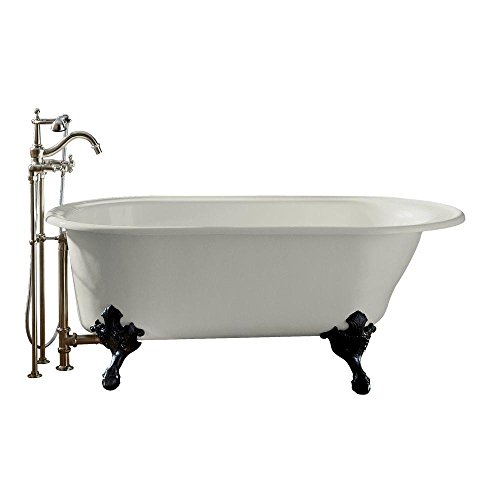
The Iron Works Historic brings the same genuine cast iron material as the alcove version to a freestanding configuration, delivering the material authenticity and heat retention buyers want alongside the dramatic centerpiece presence a freestanding tub provides.
Cast iron's thermal mass means a bath drawn in this tub stays warmer noticeably longer than in an equivalent acrylic tub, a genuine functional benefit that period bathrooms also enjoyed, alongside the material's authentic weight and permanence. While its classic oval shape is slightly softer than the fully squared Woodbridge rectangular option, it remains cleanly symmetrical and pairs well with a polished brass floor-mount riser faucet.
Owners consistently describe the tub as feeling immovable and substantial once installed, and the enameled finish has held up over years without chipping in aggregated reviews. As with any cast iron freestanding tub, confirm floor load capacity and doorway clearance for maneuvering it into place before ordering, particularly for upper-floor bathrooms.
When a buyer wants both the material authenticity of cast iron and a freestanding centerpiece tub, this is the pick. It is not the boxiest silhouette on this list, but the combination of genuine period-appropriate material and heat retention with a dramatic freestanding presence is hard to match in acrylic.

American Standard's cast iron alcove tub brings genuine cast iron construction and a clean squared apron to the standard 60-inch alcove footprint at a lower price than the Kohler Iron Works line, for buyers who want real iron material without the premium cost.
American Standard's cast iron alcove tub delivers the same core material benefit as the pricier Kohler options, real cast iron with strong heat retention and enamel durability in a clean, symmetrical squared apron, at a more accessible price point. For buyers who care most about the material itself and the geometric apron shape rather than premium branding, it is a straightforward, sound choice.
Owners value getting genuine cast iron's weight, permanence and heat retention without paying Kohler's premium, and report that the enamel finish holds up well under the brand's lifetime warranty. Paired with a polished brass wall-mount filler and shower trim, the clean squared apron reads convincingly Art Deco despite the tub's white, unadorned finish.
The tub's finish color matters less than its material and silhouette. A white cast iron tub with a clean squared apron, paired with polished brass fittings and the right surrounding tile, achieves the same Art Deco read as a pricier option. This is where I point budget-conscious buyers first.

The Woodbridge white freestanding oval tub is the pick for buyers who want a genuinely freestanding silhouette without cast iron's weight and structural planning, using thick double-layer acrylic in a clean, symmetrical oval that pairs well with a polished brass floor-mount riser.
The double-layer acrylic construction is considerably thicker than budget single-layer acrylic tubs, reducing the flex that thin fiberglass tubs develop over time, while keeping the overall weight low enough that two people can typically maneuver it into place without special equipment. The clean symmetrical oval avoids the more curved, romantic slipper shapes that work against Art Deco's geometric discipline.
Owners value how much easier the install is compared to cast iron, particularly for upper-floor bathrooms or homes with narrow stairwells, and report that the double-layer construction feels solid rather than flexible underfoot. Pair it with a polished brass floor-mount riser faucet for a freestanding Art Deco look without the cast iron logistics.
When cast iron's weight rules out an upper floor or a tricky stairwell, this Woodbridge oval is the practical alternative that still supports a genuinely period-inspired look once paired with the right polished brass filler. The clean, symmetrical shape is the key detail that keeps it compatible with the style.

The Empava compact freestanding tub brings a clean symmetrical profile to a shorter footprint, fitting bathrooms that cannot accommodate the 66 to 71-inch length of most freestanding tubs on this list while still supporting a polished brass filler pairing.
At 59 inches, the Empava is noticeably shorter than most freestanding tubs, making it one of the few realistic freestanding options for a smaller bathroom that still wants the statement-piece presence of a standalone tub rather than a built-in alcove unit. Its clean, symmetrical acrylic profile delivers the same geometric compatibility as the longer, pricier options.
Owners in smaller bathrooms value finally finding a freestanding tub that fits their footprint without a room addition, and paired with a polished brass floor-mount riser, the tub still reads as a genuine period-inspired centerpiece despite the compact size. The tradeoff is interior length, since taller bathers may find it snugger than a 66-inch or longer tub, and it lacks cast iron's weight and heat retention.
A freestanding tub feels like it needs a large bathroom, but the Empava proves a compact footprint can still deliver the same Art Deco statement once paired with the right brass filler. If your bathroom cannot fit a 66-inch tub, this is the option that keeps a freestanding centerpiece look alive.
The Kohler Villager is the brand's most accessible cast iron alcove tub, using a simple, squared apron front with clean lines that avoid any curved or ornamented detailing, a straightforward and affordable entry into genuine cast iron material for an Art Deco-styled bathroom.
The Villager line is Kohler's entry-level cast iron collection, using the same enameled cast iron material and manufacturing standards as the pricier Iron Works line but in a simpler, more basic apron profile without additional stepped or fluted detailing. That simplicity actually works in the tub's favor for Art Deco styling, since a plain squared apron is easy to pair cleanly with polished brass fittings without competing ornamentation.
Owners report the same core cast iron benefits as pricier Kohler tubs, genuine material weight, strong heat retention and a durable enamel finish backed by a limited lifetime warranty, at a lower price than the Iron Works line. For buyers prioritizing Kohler's manufacturing quality within a defined budget, it is a sound and simple choice.
A simple, unornamented squared apron is not a compromise for Art Deco styling, it is often the better canvas, since the polished brass filler and surrounding tile do more of the visual work than the tub's own detailing needs to. The Villager gets genuine cast iron quality into that role at Kohler's most accessible price point.
A freestanding tub becomes the visual centerpiece of the room and needs floor space clear on all sides plus a floor-mount or deck-mount filler, and is a less historically literal choice since most genuine 1920s bathrooms used built-in tubs. An alcove tub fits into the standard three-wall footprint most bathrooms already have, supports an overhead shower, and is arguably the more period-accurate format. Choose based on whether the room has space for a standalone piece or needs to double as a shower, and whether historical accuracy or a dramatic centerpiece matters more to your design goals.
A freestanding tub needs either a floor-mount riser faucet or a deck-mount filler if the tub has a flat rim wide enough to support one, while an alcove tub typically uses a wall-mount filler and shower combo. See our guide to Art Deco bathtub faucets and showerheads for polished brass options that pair with each install type.
The biggest planning mistake I see with Art Deco bathtub projects is choosing a heavily curved, romantic slipper tub because it looks glamorous in photography, when a squared or cleanly symmetrical tub actually reads more authentically period once paired with polished brass fittings. Prioritize silhouette symmetry first, then choose the material and install type that fits your floor and budget.
The Woodbridge Rectangular Freestanding Soaking Tub is the best overall pick, offering a squared, symmetrical silhouette that mirrors Art Deco's geometric discipline and pairs naturally with a polished brass filler. For genuine cast iron weight, the Kohler Iron Works Alcove is the top choice.
They should avoid heavily curved, organic or romantic slipper shapes in favor of squared or cleanly symmetrical profiles. The tub does not need ornamentation of its own, since a plain squared or oval shape paired with a polished brass filler and surrounding geometric tile carries the style effectively.
Cast iron carries more material authenticity, since it was the standard tub material during the actual Art Deco era, and it retains bath water heat longer. Acrylic is dramatically lighter and easier to install, especially on upper floors, and can achieve the same clean symmetrical silhouette convincingly.
Built-in alcove tubs with a stepped or squared apron were the more common format in genuine 1920s and 30s bathrooms. A freestanding tub is a less historically literal choice but is widely used today as a dramatic centerpiece for Art Deco-inspired bathroom design.
Polished brass or vibrant gold-toned finishes are the most authentic pairing. See our guide to the best Art Deco bathtub faucets and showerheads for specific model recommendations.
A cast iron bathtub typically weighs several hundred pounds empty, considerably more once filled with water and an occupant. Always check the manufacturer's exact weight specification and confirm floor load capacity, especially for upper-floor installs, before ordering.
Often yes, but it requires confirming the floor's structural load capacity first, ideally with a contractor or structural engineer, since a filled cast iron tub adds substantial concentrated weight. Many upper-floor bathrooms use acrylic instead specifically to avoid this extra planning step.
Compact freestanding tubs run around 55 to 60 inches in length, shorter than the more common 66 to 71-inch models, and still deliver a genuine standalone silhouette in a smaller footprint. Measure your available floor space, including clearance for a floor-mount faucet, before choosing a length.
Not a specific model, but a floor-mount riser suits freestanding tubs positioned away from a wall, while a deck-mount filler works if the tub rim is wide enough to support it, and a wall-mount filler suits alcove tubs. Match the mount type to your tub's install position.
Use a mild, non-abrasive cleaner and a soft cloth or sponge. Avoid abrasive powders or scouring pads, which can dull the enamel finish or create fine scratches over time, and avoid dropping heavy or sharp items directly on the enamel surface, which can chip it.
A cast iron tub with a quality enamel finish commonly lasts 50 years or more with normal care, since the base material itself does not degrade and the enamel resists most everyday wear. This longevity is part of why genuine period tubs from the 1920s and 30s are still functional in many older homes today.
For the best Art Deco bathtub overall, the Woodbridge Rectangular Freestanding wins on a squared, symmetrical silhouette that mirrors the style's geometric discipline and pairs naturally with a polished brass filler. Choose the Kohler Iron Works Alcove for genuine cast iron weight in the most historically accurate built-in format, the Kohler Iron Works Historic for cast iron material in a freestanding centerpiece, the American Standard cast iron alcove for genuine material on a tighter budget, the Woodbridge white freestanding oval for an easier acrylic install, the Empava compact freestanding for a smaller footprint, and the Kohler Villager for the most accessible entry into Kohler's cast iron quality. Whichever tub you choose, pair it with a genuine polished brass filler and confirm floor load and doorway clearance before committing to cast iron.
How we rank & our data sources
We do not run physical lab tests. Rankings are built from published, verifiable data and real owner feedback, never paid placement.
Researched by admin · Last updated July 3, 2026 · Our review method
A step-by-step guide to locating studs, choosing lag screws or toggle bolts, mounting a ledger board or bracket, and confirming a floating…
Read the guide
Stepped fronts, symmetrical geometric cabinetry and polished brass hardware that bring 1920s glamour to a modern vanity, without giving up soft-close storage.
Read the guideEverything involved in swapping an old bathroom vanity for a new one, from planning and demolition through disposal, wall repair, and reinstalling…
Read the guide