How to Replace a Bathroom Vanity: Complete Guide
Bathroom Remodeling4.6
Everything involved in swapping an old bathroom vanity for a new one, from planning and demolition through disposal, wall repair, and reinstalling…
Read the guideLow-profile freestanding tubs with clean geometric shells and minimal ornamentation -- the bathtubs that anchor an authentic mid-century modern bathroom.
Research updated June 2026.
The Woodbridge Freestanding Acrylic Soaking Tub with its low, oval-oblong shell is the strongest mid-century modern anchor piece: a clean geometric form with no applied ornamentation that pairs naturally with a walnut vanity and a slim gooseneck filler. For an alcove installation, the Kohler Villager cast iron tub delivers the same restraint in a built-in configuration.
Mid-century modern bathtubs favor low-slung, geometric shells: oval or gently oblong freestanding soaking tubs, and simple rectangular alcove tubs without ornate apron detailing. The material palette leans toward smooth acrylic or glossy enameled cast iron, both of which hold clean lines and a continuous unbroken surface better than textured stone-composite alternatives.
This guide covers freestanding, alcove, and drop-in bathtubs with genuine mid-century design language from Woodbridge, Kohler, American Standard, and Swiss Madison. If you are furnishing a full mid-century bathroom, see our sinks, vanities, and tub faucets and showerheads guides.
A mid-century modern bathtub is defined by a low-profile, geometric shell -- typically oval, oblong, or a clean rectangle -- with no applied ornamentation, scrollwork, or clawfoot detailing. Smooth acrylic or glossy enameled cast iron are the preferred materials, since both hold crisp, continuous surfaces better than textured stone-composite alternatives.
Freestanding tubs sit independent of any wall, allowing all sides to be visible, which suits mid-century bathrooms designed around the tub as a sculptural centerpiece. Alcove tubs are built into a three-wall recess, historically the more common configuration in mid-century tract housing, and remain the practical choice for smaller bathrooms or combination tub-shower installations. Both are valid mid-century approaches: freestanding for a primary bathroom built around a soaking-tub focal point, alcove for a space-efficient family bathroom.
Acrylic is lightweight, retains heat reasonably well, and can be molded into the smooth, continuous oval and oblong shapes common in mid-century freestanding tub design without visible seams. Enameled cast iron is significantly heavier, retains heat longer during a soak, and has a glossy, glass-like surface that has been standard in American bathtub manufacturing since the mid-century period itself, making it arguably the more historically accurate material for alcove installations. Fiberglass is a lower-cost, lower-durability alternative generally not recommended for a long-term mid-century investment piece.
Oval and oblong freestanding shells with a low overall height (typically 22 to 24 inches) read as more mid-century than the taller, more sculptural egg or slipper-shaped tubs that have become popular in general modern farmhouse and transitional design. Rectangular alcove tubs with clean, unornamented apron faces -- no beadboard, no faux-panel molding -- maintain the same geometric restraint in a built-in configuration.
| Model | Style Fit | Key Spec | Best For | Check Price |
|---|---|---|---|---|
| Woodbridge Freestanding Acrylic Soaking Tub | Low oval-oblong shell | 67 in, acrylic | Overall best anchor tub | Check price |
| Kohler Villager Cast Iron Alcove Tub | Clean rectangle, no molding | 60 in, enameled cast iron | Built-in family bathroom | Check price |
| Swiss Madison Voltaire Freestanding Tub | Low oval shell | 59 in, acrylic | Budget-friendly MCM soaking tub | Check price |
| American Standard Cadet Alcove Tub | Clean rectangle, integral apron | 60 in, enameled steel | Budget alcove replacement | Check price |
| Kohler Underscore Oval Freestanding Tub | Pure oval, minimal shell | 66 in, acrylic | Premium sculptural MCM centerpiece | Check price |
| Woodbridge Drop-In Soaking Tub | Rectangular, low profile | 59 in, acrylic | Built-in deck installation | Check price |

Woodbridge's freestanding acrylic soaking tub has a low, oval-oblong shell with no applied ornamentation, presenting a clean geometric form from every angle that suits the sculptural, all-sides-visible role a freestanding tub plays in mid-century bathroom design.
The tub's low overall height (typically 22 to 23 inches) is a key detail that separates a genuinely mid-century silhouette from the taller, more sculptural egg and slipper-shaped freestanding tubs that dominate general modern farmhouse and transitional catalogs today. Acrylic construction keeps the unit's weight manageable for installation without professional rigging equipment, unlike cast iron freestanding tubs of similar size.
Owner reviews consistently note the acrylic surface stays warmer to the touch initially than cast iron but loses heat somewhat faster during a long soak -- a real but minor tradeoff most buyers find acceptable given the installation and weight advantages.
Tub height is the most overlooked detail in mid-century tub shopping. A freestanding tub taller than about 24 inches starts to read as a more contemporary sculptural statement piece rather than the lower, more horizontal profile associated with the era. Measure the specific model's height, not just its length and width, before purchasing.

The Villager is one of Kohler's longest-running alcove tub lines, with a clean rectangular enameled cast iron shell and no applied apron detailing, making it the most historically accurate and durable choice for a built-in mid-century tub-shower installation.
Enameled cast iron has been the standard American bathtub material since well before the mid-century period, and the Villager's glossy, unornamented surface is arguably the most historically accurate material choice in this entire roundup. The weight of cast iron, however, requires confirming floor structure adequacy, particularly for second-floor bathrooms, and typically requires at least two people or professional installation to move and set safely.
Owner reviews consistently praise the surface's resistance to scratching and staining over decades of use, along with superior heat retention during long soaks compared to acrylic or fiberglass alternatives.
Cast iron's weight is a genuine installation consideration, not just a marketing footnote. A standard 60-inch cast iron alcove tub can weigh well over 300 pounds empty, and confirming adequate floor joist support, particularly in older homes or second-floor bathrooms, is a step worth involving a structural professional in before purchase.
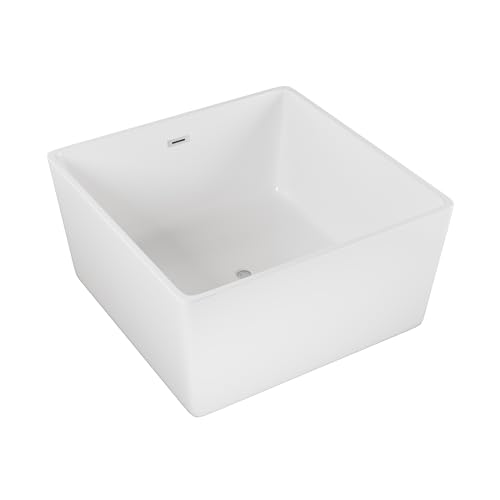
The Voltaire brings freestanding oval-shell styling to a smaller 59-inch footprint at a lower price point than most premium alternatives, making it accessible for bathrooms where floor space and budget are both constrained.
At 59 inches, the Voltaire is shorter than most freestanding tubs in this category, which is a genuine advantage for bathrooms with limited floor space that still want a freestanding rather than alcove tub. The oval shell keeps the same essential mid-century geometric restraint as longer, more premium freestanding models.
Owner reviews describe the acrylic surface and overall build quality as reasonable for the price tier, though the interior soaking depth is shallower than premium cast iron or thicker acrylic alternatives -- worth confirming against your household's preference for deep soaking versus a shorter bathing routine.
A shorter freestanding tub is a legitimate compromise for smaller bathrooms rather than defaulting to an alcove installation. The Voltaire proves that a genuinely mid-century oval silhouette does not require the 66 to 72 inch length of premium freestanding models to read authentically.

American Standard's Cadet alcove tub uses lightweight enameled steel rather than cast iron, keeping the same clean rectangular shell without applied apron ornamentation at a significantly lower price and weight than the Villager.
Enameled steel is a common mid-tier alternative to cast iron, offering the same glossy, chip-resistant surface finish at roughly a third of the weight, which meaningfully simplifies installation logistics and reduces concerns about floor joist loading in older homes. The tradeoff is a somewhat "tinnier" sound when filling and slightly faster heat loss during a long soak.
Owner reviews describe the Cadet as a dependable, no-surprises alcove tub well suited to budget-conscious bathroom renovations where the primary goal is a clean, unornamented shell rather than premium material performance.
Enameled steel is frequently underrated relative to cast iron, but for a straightforward alcove replacement where budget and installation simplicity matter more than heat retention, it is a genuinely sound choice. The surface finish quality difference from cast iron is smaller than the weight and cost difference would suggest.

Kohler's Underscore oval freestanding tub takes the same pure geometric restraint as the Purist faucet line and applies it to a soaking tub shell, with a slightly thicker, more substantial acrylic-composite wall that gives the piece genuine sculptural presence.
Kohler markets the Underscore line specifically as a design-forward freestanding collection, and the oval variant's proportions were clearly developed alongside the brand's Purist and Caxton fixture families, making it straightforward to build a fully coordinated Kohler mid-century bathroom around this tub as the anchor piece.
Owner reviews highlight the acrylic composite shell's rigidity as a meaningful improvement over thinner standard acrylic, reducing the flex and hollow sound sometimes noted in budget freestanding tubs when stepping in or out.
When a freestanding tub is the primary visual anchor of a bathroom, shell thickness and rigidity become as important as shape. The Underscore's composite construction addresses the hollow, flexible feel that undermines the perceived quality of budget acrylic freestanding tubs, which matters more for a genuine design centerpiece than for a secondary bathroom fixture.

Woodbridge's drop-in soaking tub is designed to be installed within a custom-framed deck or platform, letting a builder integrate the tub into a broader mid-century built-in composition using matching tile or wood surround materials.
Drop-in installations require a custom-built support platform and deck framing, making this a full renovation-stage decision rather than a simple swap. In exchange, the tub becomes part of a larger architectural composition, letting a homeowner match the deck surround to the vanity's walnut tone or the floor's tile pattern for a fully integrated mid-century built-in look.
Owner reviews from buyers who completed a custom deck installation describe the process as significantly more involved than a standard alcove or freestanding tub swap, generally requiring a contractor experienced in tub deck framing and waterproofing.
A drop-in deck tub is the most architecturally ambitious option in this roundup, and it rewards that ambition with a level of material integration a freestanding or alcove tub cannot match. This is the right choice specifically for a full renovation where the tub surround itself is part of the design statement, not a quick fixture replacement.
Freestanding tubs suit primary bathrooms with enough floor space to treat the tub as a sculptural centerpiece, visible from all sides. Alcove tubs are the more space-efficient, historically common configuration for family bathrooms and tub-shower combinations, and remain equally valid for mid-century design as long as the shell is a clean rectangle without applied apron ornamentation.
Acrylic is lighter, simplifies installation, and molds well into the smooth oval and oblong shapes common in freestanding mid-century tub design. Enameled cast iron is significantly heavier but offers superior heat retention and long-term surface durability, and is arguably the more historically accurate material for alcove installations given its dominance in mid-century American bathtub manufacturing.
A lower overall tub height, typically 22 to 24 inches, reads as more authentically mid-century than the taller 26-plus inch sculptural egg and slipper-shaped freestanding tubs common in general modern and farmhouse catalogs. Always confirm a specific model's height dimension, not just its length and width, before purchasing.
Every bathtub on this list was evaluated for genuine mid-century design accuracy: low-profile, geometric shells without applied ornamentation, scrollwork, or clawfoot detailing, and realistic dimensions confirmed against manufacturer published specifications. Tubs with ornate apron molding, faux-panel detailing, or tall sculptural egg shapes were excluded regardless of brand or price tier.
Material and dimension data was drawn from manufacturer published specifications. Owner review patterns were assessed from public aggregated review databases as of June 2026.
The bathtub is often the largest single fixture in a bathroom and the one most likely to anchor the entire room's proportions. Getting the shell shape and height right on the tub establishes the mid-century baseline that the vanity, sink, and faucet selections should then follow, rather than treating the tub as an afterthought to those smaller fixture decisions.
A standard 60-inch cast iron alcove tub typically weighs well over 300 pounds empty, significantly more than an equivalent acrylic or enameled steel tub. Confirming adequate floor joist support is important before installation, particularly in second-floor bathrooms or older homes.
60 inches is the standard length for alcove bathtubs in North American residential construction, designed to fit the common three-wall recess dimension used since the mid-twentieth century.
Acrylic freestanding tubs are light enough that a competent DIYer can typically manage installation with one or two helpers, though plumbing connections for the drain and filler should be handled or verified by a licensed plumber. Cast iron freestanding tubs generally require professional installation due to weight.
No, a freestanding tub uses a standard tub drain and overflow assembly connected through the floor to the home's drain plumbing, the same as an alcove tub. No separate floor drain is required unless local code specifies otherwise.
A drop-in tub is set into a custom-built deck or platform frame, with only the interior basin and rim visible. A freestanding tub sits independently on the floor with its full exterior shell visible from all sides. Drop-in installation requires custom carpentry; freestanding does not.
A quality acrylic bathtub typically lasts 10 to 15 years or more with normal care, though this is shorter than the multi-decade lifespan typical of enameled cast iron. Surface scratches can often be buffed out, unlike deeper gouges in cast iron enamel.
Center drain is the most common configuration for oval freestanding tubs, though some models offer an offset drain closer to one end. Confirm drain position compatibility with your rough-in plumbing location before purchasing.
No, freestanding tubs are typically sold without a faucet. A separate floor-mounted or wall-mounted freestanding tub filler must be purchased and installed to match, such as the Kingston Brass Concord filler covered in our tub faucets guide.
Yes, for budget-conscious buyers. Enameled steel offers a similar glossy, chip-resistant surface finish at roughly a third of the weight of cast iron, though it retains heat somewhat less well and can sound "tinnier" when filling.
Low, rectangular alcove tubs without applied apron ornamentation were the most common configuration in mid-century tract housing. Oval and oblong freestanding tubs became more prominent in higher-end mid-century architecture and remain equally valid for a design-forward interpretation today.
Use a non-abrasive cleaner and a soft cloth or sponge. Avoid abrasive powders, steel wool, or scouring pads, which can dull or scratch the acrylic surface over time. Most manufacturers recommend a mild dish soap and water solution for routine cleaning.
The Woodbridge freestanding acrylic soaking tub is the strongest overall mid-century modern anchor for a primary bathroom, delivering a clean, low-profile oval shell without ornamentation. Buyers building a space-efficient family bathroom or tub-shower combination should look to the Kohler Villager cast iron alcove tub, which brings the same geometric restraint to a historically accurate built-in configuration. In every case, prioritize a low overall height and unornamented shell over decorative extras.
How we rank & our data sources
We do not run physical lab tests. Rankings are built from published, verifiable data and real owner feedback, never paid placement.
Researched by admin · Last updated July 3, 2026 · Our review method
Everything involved in swapping an old bathroom vanity for a new one, from planning and demolition through disposal, wall repair, and reinstalling…
Read the guide
Freestanding soaking tubs in light, natural finishes built to feel like the centerpiece of a sunlit, plant-filled bathroom rather than a purely…
Read the guideA complete walkthrough covering water shutoff, old vanity removal, leveling and anchoring, countertop and sink setting, and reconnecting the P-trap and supply…
Read the guide