

Best Toilet Flush Valve: How to Choose the Right One
Plumbing4.6
Which is the best toilet flush valve? Compare 2-inch, 3-inch, adjustable, and canister flush valves by fit and flush power, plus how…
Read the guideYou replaced the flapper and expected silence. The toilet is still running. This is one of the most common and most misunderstood home plumbing problems, because the flapper is almost always a symptom, not the root cause. This guide covers every reason a toilet keeps running after a new flapper is installed, in the order you should check them, with clear fixes for each, and the specific toilet models worth buying when the tank hardware is too worn to fix cheaply.
A toilet that keeps running after a new flapper almost always has a pitted or scaled flush valve seat that no flapper can seal against, a lift chain set too tight, a float adjusted too high so water spills into the overflow tube, or the wrong flapper size for a 3-inch valve. The Kohler Cimarron ends chronic running because its Class Five canister drops a single seal straight down, eliminating the partial-seal failure points that plague hinged flappers on worn seats.
The flapper is the first thing everyone replaces when a toilet keeps running, and it fixes the problem most of the time. The flapper is the rubber or silicone disc at the bottom of the tank that lifts on every flush and drops back to hold water until the next one. Age, chlorine and hard water degrade it, so a swap is cheap and logical. When the new flapper does not stop the run, though, the real source is almost always one of six other factors, all involving the flush mechanism around the flapper rather than the flapper itself.
This guide is grounded in published manufacturer specifications, independent MaP (Maximum Performance) flush-test gram scores, EPA WaterSense data, flush-valve design documentation, and aggregated owner-review patterns. We do not bench-test toilets ourselves. We compare verifiable, published data and identify what owners consistently say works and what fails over years of real use. For an overview of the best-performing models across all flush types, see our full ranking of the best flushing toilets.
| Toilet | Best For | MaP Score | GPF | Rating | Check Price |
|---|---|---|---|---|---|
| Kohler Cimarron | Ending chronic running | 1000 g | 1.28 | 4.7 | Check price |
| TOTO Drake | Easy-to-match parts | 1000 g | 1.28 | 4.8 | Check price |
| TOTO Drake II | Quieter 3-inch valve | 1000 g | 1.28 | 4.8 | Check price |
| Kohler Highline | Canister flush, best value | 1000 g | 1.28 | 4.7 | Check price |
| American Standard Cadet 3 | Budget-friendly reliability | 1000 g | 1.28 | 4.5 | Check price |
| American Standard Champion 4 | Maximum clog resistance | 1000 g | 1.6 | 4.5 | Check price |
| Woodbridge T-0019 | Modern skirted design | 1000 g | 1.28 | 4.5 | Check price |
Water leaves the tank and enters the bowl through two distinct paths: it leaks down past the flush valve at the bottom of the tank, or it rises so high it spills into the overflow tube and drains that way. A new flapper addresses only the first path, and only if the surface it must press against is smooth. That surface, the flush valve seat, is a ring of plastic or ceramic at the bottom of the tank that the flapper contacts when it drops back down. Mineral scale from hard water, corrosion from in-tank cleaning tablets, and the normal abrasion of a flapper opening and closing thousands of times per year all roughen and pit that seat. Once the seat is rough, a perfectly good new flapper cannot seal against it, and water trickles through the gap continuously.
The second cluster of causes comes directly from the replacement job itself. When you install a new flapper, you unhook and rehook the lift chain. If the chain ends up one link too short, it holds the flapper fractionally open after every flush. If it is several links too long, it can loop under the flapper as it drops and prop it open. While the tank lid is off, it is also easy to nudge the float or fill-valve adjustment, which can leave the water line above the overflow tube so the tank silently drains into the bowl around the clock. These mistakes explain why a toilet that was only running slowly can start running constantly right after a flapper replacement that was supposed to fix it. For a broader look at how tank components affect flush performance, our guide on how to improve toilet flush power covers the same parts from the flush-strength angle.
The dye test is the fastest plumbing diagnostic available and it costs nothing. Drop enough food coloring or a specialized dye tablet into the tank to tint the water visibly, then do not flush for 15 to 30 minutes. A colored bowl means water is traveling from tank to bowl without a flush: the seal at the bottom of the tank is leaking. No color in the bowl but a running toilet means the water is leaving through the overflow tube at the top: the water level is too high. Those two results send you to two completely different fixes, which is why running the dye test before buying any part is the right first step.
After the dye test, look at the water line in the tank. The line should sit roughly one inch below the top of the overflow tube, which is the open vertical pipe rising from the center of the tank floor. If the water is level with or above the tube, you can see it spilling or feel the tube cold to the touch. If the level looks correct, lift the flapper and run a finger slowly around the flush valve seat. You are feeling for a rough texture, a gritty mineral crust, or a notch you can feel catch against your fingernail. That physical condition of the seat tells you more about why the toilet is running than any other single check.
EPA WaterSense data identifies leaking toilets as one of the largest sources of residential water waste, with a single running toilet capable of wasting 200 gallons or more per day. Even a slow, quiet leak that does not make any audible trickling sound will still trigger the fill valve to cycle on every few minutes in a pattern plumbers call phantom flushing. If you hear the fill valve refill the tank when no one has flushed, you still have a leak, and the dye test will confirm it even when the toilet seems quiet between cycles.
Each cause has a distinct test and a distinct fix. Working through them in order from the cheapest and fastest to the most involved is the way to solve a running toilet without spending money on parts that are not the problem.
This is the leading cause of a running toilet after a flapper replacement, and it is the one most often missed because the seat is hidden under the flapper when the tank is assembled. The flapper seals against the seat rim, not against itself, so any roughness on that rim creates a gap. Hard water deposits calcium and magnesium on every wet surface in the tank, including the seat. Chlorine cleaning tablets, which many households drop into the tank, chemically corrode and soften both the flapper and the seat, accelerating damage. You can confirm this in seconds: shut off the water supply, flush to empty the tank, lift the flapper aside, and drag a fingertip slowly around the seat rim. Clean the seat thoroughly with a non-abrasive scouring pad or a fine emery cloth before deciding the seat must be replaced. Light mineral scale often cleans off completely, and the new flapper then seals. A groove or pit deep enough to catch your fingernail will not clean away and means the seat or the entire flush valve needs replacing.
The lift chain connects the flush handle to the flapper. When you install a new flapper, you reattach the chain, and the correct length is narrower than most people expect. The chain needs just enough slack that it is not under tension when the flapper is closed, roughly a half inch of play, but not so much that excess chain can loop under the flapper as it drops. Too tight, and the chain holds the flapper fractionally open after every flush, so water trickles down continuously. Too long, and it tangles under the flapper, propping it open. Shortening or lengthening by one or two links at the handle attachment point usually fixes this in under a minute, and it costs nothing. This is the right first check if the toilet started running immediately after the replacement job.
If the dye test shows no color in the bowl, the leak is at the top of the tank rather than the bottom. Water has been set, or inadvertently adjusted during the flapper replacement, to rise above the overflow tube. The tube is the open vertical pipe in the center of the tank that prevents the tank from overflowing the bathroom; it routes water into the bowl if the level rises too high. But when the level is chronically above the tube, the tank perpetually drains into the bowl with no flapper involved at all. Lower the level by adjusting the float: on a modern column fill valve, pinch the clip on the float and slide it down the column until the water line drops to about one inch below the tube top. On an older ballcock design, bend the float arm gently downward or turn the adjustment screw counterclockwise. Most overflow tubes carry a molded line at the correct water level, which makes finding the right setting straightforward.
Flappers are not universal, and the hardware-store "universal" flapper fits a narrower range of toilets than the packaging suggests. Toilets use either a 2-inch flush valve opening or a 3-inch opening, and the flapper must match. A 3-inch valve, which is standard on many TOTO and Kohler toilets built for higher flush performance, will not be sealed by a 2-inch flapper: the rubber simply hangs inside the opening without pressing against the seat. The reverse creates a different problem, with a flapper that is too large and cannot seat flat. Several brands also use proprietary seal designs rather than a standard hinged flapper, and a generic replacement will leak from the first flush. The reliable fix is to identify your toilet's model number, usually stamped inside the tank, and purchase the OEM flapper or canister seal listed by the manufacturer for that exact model. For TOTO, Kohler and American Standard toilets, this is always the safer choice over a universal part.
When the flush valve seat is not just scaled but genuinely pitted, cracked or corroded, no cleaning or resurfacing kit will restore a leak-free seal. At this point the entire flush valve assembly needs to be replaced. The flush valve is the complete housing, including the seat, that the flapper mounts to. Replacing it requires draining the tank, disconnecting the water supply, removing the tank from the bowl, and unscrewing the large locknut underneath to pull the assembly. It is 30 to 60 minutes of work for someone comfortable with basic plumbing, but it resolves a running toilet that no number of new flappers will fix. On a toilet where the flush valve is also from a brand like Kohler or TOTO, replace with the matching OEM assembly to preserve the flush geometry and seal design the toilet was built around.
A fill valve that fails internally may not shut off cleanly even when the float reaches the correct water level, so it trickles water into the tank indefinitely. The tank rises, hits the overflow tube, and drains into the bowl. You will often hear it as a faint hiss or a fill cycle that starts on its own minutes after the last flush. If the water level is set correctly below the overflow tube and the seat and flapper seal cleanly but the toilet still runs, the fill valve is the likely culprit. A universal adjustable fill valve fits almost all standard toilets and takes about 15 minutes to swap with the water shut off. This is an inexpensive fix that eliminates the last common cause of persistent running.
The single most reliable sequence is: dye test first, chain second, seat third. The dye test takes 20 minutes and is free. It immediately tells you whether you are dealing with a seal leak or an overfill, which are two completely different problems with two different fixes. If it is a seal leak after a flapper replacement, go to the seat before you buy anything. Feel it with a fingertip. A rough, gritty seat is the answer nine times out of ten, and cleaning it costs almost nothing. Buying a third new flapper before checking the seat is the most common waste of both money and time in toilet repair.
The test is tactile. Run a finger around the full rim of the seat. Clean scale feels like a slightly rough ring, and after scrubbing with a non-abrasive pad it should feel smooth and even. A notch that catches your fingernail is structural damage, not buildup, and it will not scrub away. A seat-resurfacing kit, which includes a peel-and-stick rubber ring that bonds to the existing seat and creates a fresh sealing surface, can fix moderate damage without removing the tank. Several brands sell these kits for under twenty dollars. If the seat is severely pitted, cracked, or the toilet is old enough that multiple tank components are wearing out at once, a full flush valve replacement or a new toilet is the more durable decision.
One thing worth noting: if you have been using in-tank chlorine cleaning tablets, that choice accelerates seat damage significantly. Chlorine at the concentration delivered by these tablets corrodes and softens both the rubber flapper and the plastic seat over months rather than years. The long-term fix for households with hard water and a preference for chemical tank cleaners is to use bowl-mounted cleaning agents instead and accept that tank hardware will need periodic inspection.
The design of the flush valve determines how often running problems develop over the life of the toilet. A standard hinged flapper relies on the flapper rubber pressing against a narrow seat rim at a specific angle, and any roughness or slight misalignment on that rim prevents a seal. A canister valve uses a different geometry: the canister body lifts up and a rubber seal at its base drops onto a broad, flat seat. That wide contact area is more forgiving of uneven mineral deposits, which is why Kohler's Class Five canister design in the Cimarron and Highline appears so frequently in owner reviews described as trouble-free for years. TOTO's approach on the Drake series uses a well-engineered 3-inch tower flapper with a wider seat contact and CeFiONtect ion-barrier glaze on the bowl that resists mineral and bacteria adhesion, reducing the buildup that accelerates seat pitting.
If persistent running has been a problem in your home, especially in an area with hard water, upgrading to one of the canister-design or well-engineered 3-inch valve toilets listed below addresses the root cause rather than the symptom. For more about diagnosing a toilet that will not behave normally, see our guide on Toilet Not Flushing Properly? Here Is How to Fix It.
If you have replaced the flapper and the fill valve and the toilet is still running, or if the flush valve seat is damaged beyond repair, these three models are the most reliable replacements based on flush-valve design, published MaP gram scores and long-term owner-review patterns. All three carry EPA WaterSense certification at 1.28 gallons per flush.
The Cimarron uses Kohler's Class Five canister flush, which drops a single seal straight down onto a wide flat seat rather than pressing a hinged flapper against a narrow rim. This geometry resists the partial-seal leaks that plague flapper toilets on worn or hard-water seats, and its 1,000-gram MaP score confirms it clears the bowl reliably in one flush at 1.28 gallons.
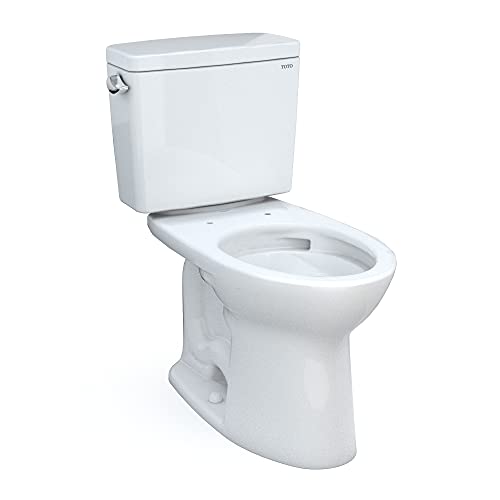
Check price on AmazonThe Drake's G-Max 3-inch flush valve and its matching flappers are stocked at every major hardware store, so finding the correct OEM seal is easy and eliminates the wrong-size problem entirely. Its 1,000-gram MaP score and 1.28-gallon EPA WaterSense certification match the strongest performers in the category, and a glazed 2.125-inch trapway supports its reputation for low clog rates in owner reviews.
Check price on AmazonThe Cadet 3 uses a Cadet flush tower with a tower-mounted seal rather than a traditional hinged flapper, which is inherently more resistant to the partial-seat-contact leaks of an aging conventional valve. It reaches a 1,000-gram MaP score and EPA WaterSense certification at 1.28 gallons, plus American Standard's EverClean antimicrobial surface that resists staining and odor-causing bacteria over years.
Check price on AmazonIf a household in a hard-water area keeps fighting running toilets every two or three years, the answer is not a better flapper. The answer is a different valve design. Canister toilets like the Kohler Cimarron and Highline were engineered to avoid the specific failure mode of a hinged flapper wearing out its seat, and the owner-review pattern across thousands of units supports that. For households that just want reliable flushing without annual maintenance, a canister design is worth the one-time switch even if the current toilet is not yet at the end of its life.
Working through the fix in the right order avoids spending money on parts you do not need. Each step below addresses one specific cause, and you should move to the next only if the previous did not resolve the run.
Add food coloring or a dye tablet to the tank and wait 20 to 30 minutes without flushing. If color reaches the bowl, the leak is past the seal at the bottom of the tank. If the bowl is clear but the toilet still runs, look at the water line in the tank: it is likely at or above the overflow tube. This single test directs all the steps that follow.
If the dye test shows a seal leak, the first physical check is chain length. Confirm there is about a half inch of slack with the flapper fully closed. Adjust by moving the chain up or down on the handle hook by a link or two. This takes under a minute and costs nothing, and it fixes a meaningful percentage of post-replacement runs.
Turn off the water supply, flush to empty the tank, and lift the flapper aside. Run a fingertip slowly around the seat rim. Clean visible scale with a non-abrasive scouring pad. If the seat feels smooth after cleaning, the new flapper should seal on the next test. If you feel a notch or pit, proceed to step 5.
If the dye test showed an overfill rather than a seal leak, lower the float until the water sits one inch below the top of the overflow tube. On a column fill valve, slide the float clip down; on a ballcock, bend the arm down or turn the adjustment screw. Confirm the level and re-run the dye test.
If cleaning the seat did not seal the leak, verify the flapper size and type. Measure the flush valve opening. If it is 3 inches and you installed a 2-inch flapper, replace it with the correct 3-inch OEM part for your toilet model. Check the model number stamped inside the tank and source the manufacturer-listed flapper or seal.
If the seat has visible pitting, replace the flush valve assembly. If the fill valve hisses and cycles on its own with the water level correctly set, replace the fill valve. Both are inexpensive parts. If the toilet is old, runs weakly, and has multiple worn components, a full toilet replacement with a canister-flush or well-engineered 3-inch valve model resolves all issues at once. For help diagnosing weak flushing alongside running, see our weak toilet flush fix guide.
The tipping point is when the toilet has more than one problem. A running toilet that also struggles to clear the bowl in one flush, or that has developed a wobble, or whose porcelain shows hairline cracks, is a toilet that is failing overall rather than presenting one fixable symptom. At that point, the time and money spent on sequential part replacements adds up faster than the cost of a reliable new model. A TOTO Drake, Kohler Cimarron or American Standard Cadet 3 at 1.28 gallons per flush will use significantly less water than a toilet from the era when 1.6 or 3.5 gallons per flush was standard, and it will do so for 20 or more years without the maintenance pattern that prompted this search. For more on why toilets clog alongside running, see Why Does My Toilet Keep Clogging? Causes and Fixes.
For toilets that are only a few years old and otherwise functioning well, a flush valve assembly replacement is the more economical choice, especially if the toilet uses a proprietary canister or valve design where OEM parts are available and the rest of the tank hardware is sound. The decision hinges on whether this is a one-part problem or a symptom of broader wear, and only inspecting the tank components directly answers that.
The most common reason is a flush valve seat that is scaled, pitted or scratched, so no flapper can seal against it. The flapper presses against the seat, not against itself, and a rough seat creates a gap water seeps through constantly. Other causes are a lift chain set too tight, a water level above the overflow tube, or a flapper that does not match the valve size. Inspect the seat and check chain length before buying another part.
Add food coloring to the tank and wait 20 to 30 minutes without flushing. If the bowl turns color, the leak is at the bottom of the tank, past the flapper or seat. If the bowl stays clear but the toilet still runs, look at the water line: if it is at or above the overflow tube, the leak is an overfill. These two results direct you to two different fixes.
The flush valve seat is the rim of the opening at the bottom of the tank that the flapper presses against to form a seal. If this surface is rough, scaled or pitted, water seeps through the gap regardless of how new or well-fitted the flapper is. Feeling the seat with a fingertip is the fastest way to determine whether cleaning will fix the problem or the entire valve needs to be replaced.
Yes. A chain that is too short or too tight holds the flapper fractionally open after every flush, so water trickles past it continuously. The chain needs about a half inch of slack when the flapper is fully closed. Adding one or two links of slack by moving the attachment point on the handle hook is the fix, and it costs nothing.
If the water line sits at or above the top of the overflow tube, the tank drains continuously into the bowl through the tube regardless of the flapper. Lower the float on the fill valve until the water sits about one inch below the tube top. On a column fill valve, slide the float clip down. On a ballcock, bend the float arm down or turn the adjustment screw.
Yes, significantly. Toilets use either a 2-inch or a 3-inch flush valve opening, and a flapper must match the valve to seal. Many modern TOTO and Kohler toilets use a 3-inch valve, and a standard 2-inch universal flapper will never seal against it. Measure the opening or identify the toilet's model number and purchase the OEM-listed flapper or seal for that exact model.
Turn off the water supply, flush to empty the tank, lift the flapper aside, and scrub the seat rim with a non-abrasive scouring pad or fine emery cloth in a circular motion. Mineral scale usually comes off within a minute. After cleaning, run a fingertip around the rim: it should feel smooth with no grit or notches. A seat that still has rough spots after cleaning needs a resurfacing kit or a flush valve replacement.
A seat-resurfacing kit typically includes a peel-and-stick rubber ring that bonds to the existing flush valve seat, creating a fresh, smooth sealing surface without removing the tank. It works well for moderate pitting or a seat that cleaned up but still has minor texture. If the seat has deep cracks or large pits, the bonding area may not be reliable, and a full flush valve replacement is the more permanent fix.
EPA estimates indicate a leaking toilet can waste up to 200 gallons of water per day, which adds to thousands of gallons per month. Even a slow, silent leak that does not produce an audible trickle will trigger the fill valve to cycle on every few minutes, wasting water continuously. This is why fixing a running toilet promptly is both a cost-saving and a conservation priority.
Phantom flushing is when the fill valve turns on by itself to refill the tank without anyone having flushed. It happens because water slowly leaks past the flapper or seat into the bowl, gradually dropping the tank level until the fill valve activates. If you hear the fill valve cycling on its own every few minutes, a dye test will confirm a slow seal leak even if the toilet sounds quiet between cycles.
Yes. In-tank chlorine cleaning tablets corrode and soften both the flapper and the flush valve seat over time, leaving pits and gaps that cause persistent leaks. If you use tank-drop chemical tablets, switch to bowl-mounted cleaning products or toilet-bowl rim blocks to preserve the tank hardware. Removing the tablets and cleaning the seat may be enough to restore a reliable seal.
Replace just the flush valve if the seat is damaged beyond repair on an otherwise sound toilet. Replace the whole toilet if it is more than 15 years old, has multiple worn tank components, flushes weakly, or clogs regularly. Rebuilding aging hardware piece by piece can cost more than a modern 1,000-gram MaP toilet at 1.28 gallons that will require far less maintenance over the next two decades.
Generally yes. A canister flush valve, such as Kohler's Class Five canister in the Cimarron and Highline, drops a single seal straight down onto a wide flat seat rather than pressing a hinged rubber flapper against a narrow rim. The wider contact area is more forgiving of minor mineral scale and is why canister toilets develop the slow seal leaks of flapper toilets far less often in long-term owner reviews.
Yes. A fill valve that fails internally may not shut off cleanly after refilling the tank, so it trickles water in continuously. The tank rises to the overflow tube and drains into the bowl with no flapper involved. If the water level is correctly set and the seat and flapper seal cleanly but the toilet still runs, replacing the fill valve is the next fix. It is an inexpensive and straightforward swap.
Yes. Hard water deposits calcium and magnesium on every wet surface in the tank over time, including the flush valve seat. These deposits roughen the seat and prevent a clean seal. Homes with hard water should inspect and clean the seat more frequently, avoid in-tank chlorine tablets, and consider a canister-design toilet whose wider valve seat is less sensitive to minor mineral buildup.
A quality flapper typically lasts four to five years under normal use. Silicone flappers last longer than rubber, particularly in chlorinated or hard water. Flappers that fail within a few months of installation almost always indicate a damaged seat, the wrong flapper type, or in-tank chemical corrosion rather than a defective flapper itself.
Not always. Several TOTO models use a 3-inch flapper or a proprietary tower-seal design, and several Kohler models use a canister rather than a hinged flapper at all. A universal 2-inch flapper from the hardware store will not fit either. Always look up the model number stamped inside the tank and purchase the manufacturer-listed replacement seal to guarantee a match.
Most running-toilet causes are DIY-accessible: adjusting the chain and float and cleaning the seat require no special tools or plumbing knowledge and take minutes. Replacing a fill valve takes about 15 minutes with the water shut off. Replacing a flush valve assembly, which requires removing the tank, is a more involved job that takes 30 to 60 minutes but is within reach for any comfortable DIY homeowner. A plumber is only necessary if the toilet itself is cracked or if the floor flange is damaged.
TOTO consistently receives the highest long-term reliability ratings in aggregated owner reviews, particularly the Drake and Drake II, because of robust flush-valve engineering, CeFiONtect ceramic glaze on the bowl that resists mineral adhesion, and readily available OEM replacement parts. Kohler's canister-based Cimarron and Highline are the strongest performers for eliminating running specifically, while American Standard's Champion 4 leads for clog resistance.
Not by itself. A toilet that runs after a flapper swap usually needs a seat cleaning, a chain adjustment, or a water-level correction, all of which cost nothing. It is a sign the toilet might need replacing when the seat is deeply damaged on a toilet that is also old, weak-flushing or clog-prone, because at that point the valve failure is part of a broader pattern of wear rather than an isolated problem.
A toilet that keeps running after a new flapper is almost always telling you the flush valve seat is too rough, the chain is too tight, or the water level is too high. Run the dye test to separate a seal leak from an overfill, then work through chain, seat and level before buying any more parts. A clean seat and correct chain length fix the majority of these cases for free. When the seat is pitted beyond repair, or the toilet is old enough that multiple components are failing together, the Kohler Cimarron is the top recommendation because its canister design eliminates the partial-seal failure mode entirely. The TOTO Drake is the safest pick if you want parts that are easy to match anywhere, and the American Standard Cadet 3 is the value choice that does not sacrifice reliability. All three reach a 1,000-gram MaP score and carry EPA WaterSense certification at 1.28 gallons per flush.
Which is the best toilet flush valve? Compare 2-inch, 3-inch, adjustable, and canister flush valves by fit and flush power, plus how…
Read the guideYes, flushing a toilet can make your shower go cold, hot, or lose pressure. Learn why it happens, how to diagnose it,…
Read the guideWhen you flush one toilet and another gurgles or bubbles, it usually means a venting or drain problem. Here are the causes,…
Read the guide