

Best Scandinavian Toilets (2026)
Toilets4.6
Clean, low-profile silhouettes with real MaP-verified flush performance and efficient dual-flush water use, sized for a minimalist Nordic bathroom without sacrificing function.
Read the guideA hissing toilet almost always points to one of four mechanical problems: water leaking past a worn flapper, a fill valve that will not fully shut off, water spilling over a too-high overflow tube, or a partially closed supply valve creating turbulence. Every one of these is fixable with inexpensive parts and no special tools. This guide diagnoses each cause by when the hiss occurs and walks the repairs cheapest-first, using published component specs, EPA WaterSense data, and the repair patterns that consistently appear across aggregated owner reviews.
Research updated June 2026.
A constant hiss after flushing means the fill valve is not shutting off, usually because the float is set too high, the valve diaphragm is worn, or water is spilling into the overflow tube. A hiss between flushes means the flapper is leaking water into the bowl. Start by lowering the float one inch below the overflow tube top; if the hiss persists for more than 90 seconds, replace the fill valve.
A hissing toilet is one of those sounds that is easy to ignore at first. It starts as a faint whir after flushing, something easy to dismiss as the tank filling normally. Then you notice it goes on longer than it should, or you hear it at 2 a.m. when no one flushed, and you start to wonder what is actually happening in there. The answer is almost always one of four things, all of them mechanical, none of them catastrophic, and all of them fixable with parts you can buy at any hardware store for a few dollars.
This guide covers every scenario where a toilet makes a hissing noise: the constant hiss during a long fill, the hiss that never quite stops, the random hiss between flushes when the bathroom is empty, and the high-pitched whistle that appears near the end of the fill cycle. Each sound has a specific mechanical cause and a specific cheapest-first repair sequence. We also cover when the hiss signals a genuine water waste problem, because a single toilet whose fill valve will not shut off can waste hundreds of gallons per day according to EPA estimates, silently inflating your utility bill while you sleep.
For context on how toilets are put together and why these parts wear out, see our overview of toilet not flushing properly and our guide on how to improve toilet flush power, which cover related tank and valve mechanics in detail.
Every toilet tank works the same way at its core. After a flush, the fill valve opens, water enters the tank, and the float rises with the water level. When the float reaches its set point, it closes the fill valve. The flapper seals the drain at the bottom of the tank. Between flushes, the system should be completely silent. Any hiss, whistle, or running sound means either water is moving somewhere it should not be, or a part is vibrating because water is being forced through too tight a space.
The four causes overlap in how they sound, which is why timing is the key diagnostic tool. A hiss that starts the moment the flush ends and continues well past when the tank should be full points to the fill valve or overflow tube. A hiss or gurgle that starts ten or twenty minutes after a flush, when no one touched anything, points almost always to a flapper leak. A high-pitched whistle or screech that appears near the end of a fill cycle often traces back to a restricted supply line. Getting the timing right before you order any parts saves you from replacing components that are perfectly fine.
| When the hiss occurs | Most likely cause | First fix to try | Complexity |
|---|---|---|---|
| Continuously after every flush, tank seems full | Water level above overflow tube or worn fill valve | Lower the float setting | Free |
| During fill, high whistle or squeal | Worn diaphragm inside fill valve vibrating | Replace the fill valve | Low cost |
| Randomly between flushes, no one flushed | Flapper leaking into bowl, triggering refill | Replace the flapper | Low cost |
| Screech only at the very end of fill | Partially closed supply valve restricting flow | Open supply valve fully | Free |
| Hiss after new flapper, dye still colors bowl | Scaled or cracked flush valve seat | Clean seat or use seat repair kit | Low cost |
| All above tried, hiss persists | Failed fill valve, cracked tank, or supply pressure issue | Replace fill valve, inspect tank | Low to moderate |
This is the most common hissing complaint, and it is also the most wasteful. When the water level in the tank rises above the top of the overflow tube, water cascades into that central standpipe and drains into the bowl continuously. The fill valve responds by running to replace what it is losing, but it can never catch up because the float is set at a height that always ends up higher than the tube. The result is a fill valve that never shuts off and a faint, constant hiss that you can hear if you listen carefully to the tank.
The fix is free and takes about one minute. Remove the tank lid and look for the water line relative to the overflow tube. If water is at the very rim of the tube or visibly running into it, the float is too high. On a modern column-style fill valve, find the float adjustment: usually a clip you pinch to slide the float cup down the valve shaft, or a screw at the top of the valve you turn counterclockwise. Move the adjustment a quarter turn or one notch, flush, and watch the refill. Keep adjusting until the water settles cleanly about one inch below the overflow tube top. The hiss stops the moment the level drops below that threshold and the valve shuts off properly.
If adjusting the float did not stop the hiss, the valve itself is the problem. Fill valves have a rubber diaphragm or seal inside that controls water flow. As that seal ages, it stiffens, warps, or develops small cracks. Water pushes through the imperfect seal and vibrates it, producing the whistle or hiss. No amount of adjustment fixes a worn diaphragm; the valve needs replacing. The good news is that a universal anti-siphon fill valve, such as the Fluidmaster 400A or the Korky QuietFill, fits virtually every toilet made in the past 40 years and is widely available.
Here is the step-by-step process for replacing a fill valve:
If the hiss continues with a brand-new fill valve, the problem is upstream: either the supply valve is partially closed (open it fully by turning counterclockwise), or household water pressure is unusually high. Normal residential water pressure runs between 40 and 80 PSI; anything above 80 PSI can cause fill valves to whistle even when new. A pressure-reducing valve on the main line resolves that if it is the cause.
This is the phantom flush variant of toilet hissing, and it is easily distinguished from the constant-hiss problem by its timing. The bathroom is quiet, no one flushed, and then you hear the tank suddenly refill for ten or fifteen seconds, the hissing fill sound, and then silence again. It happens every few hours or every few minutes depending on how fast the flapper is leaking. Because the fill valve is just doing its job (refilling a tank that is losing water), replacing the fill valve will not help. You have to find and stop the leak.
Run the dye test to confirm: drop a few drops of food coloring into the tank water without flushing, and wait 20 minutes. If the color creeps into the bowl without anyone touching the handle, you have a tank-to-bowl leak. In almost all cases that leak is the flapper, the rubber seal at the bottom of the tank that lifts during a flush and drops to seal the drain. Over time the rubber stiffens, warps, and loses its ability to make a watertight seal. Chlorine tablets in the tank speed up that decay significantly. A fresh, correctly sized flapper, a two-inch flapper on most toilets, three-inch on many newer high-efficiency models, stops the leak and ends the between-flush hissing.
For a full walkthrough of the flapper replacement and all related phantom flush causes, our ghost flushing causes and fix guide covers each step and the dye test method in detail. If the new flapper does not stop the dye migration, the issue is the flush valve seat: the ring the flapper rests against has mineral scale or a chip that breaks the seal. Clean it with a non-abrasive pad and white vinegar, or fit a flush valve seat repair ring over the old one.
The single most important thing you can do is watch the tank during a refill before you buy anything. Most hissing toilets are fixed either with a float adjustment that costs nothing or a fill valve swap that takes under 20 minutes. Buying a flapper, a fill valve, and a valve seat kit before diagnosing often means replacing parts that are completely fine. The timing of the hiss, constantly after every flush, randomly between flushes, or at the very end of the fill, narrows the cause to one of the four scenarios above, and each one has a specific fix that resolves it cleanly.
The hissing toilet is one of the most over-replaced problems in home plumbing. The majority of cases are resolved by lowering the float half an inch or installing a seven-dollar fill valve. Before you call a plumber or price new toilets, spend five minutes with the lid off watching a full fill cycle. Ninety percent of the time, you will see exactly what is wrong, and the fix will cost less than a lunch. The only time replacement toilets enter the conversation is when repeated tank part failures point to a hairline crack in the tank or a toilet over fifteen years old with multiple worn components adding up to a bill that approaches a new toilet's price.
The EPA's WaterSense program identifies running toilets as the single largest source of water waste in the average home, accounting for up to 30 percent of indoor water use when faulty. A toilet that hisses constantly because its fill valve will not shut off is moving water around the clock, even if the individual flow seems small. At typical U.S. water and sewer rates, a toilet leaking at two gallons per minute costs meaningfully over the course of a month. Even a slow flapper leak, silent except for the occasional phantom fill, wastes roughly a cup of water per minute, which adds up to hundreds of gallons over a day.
EPA WaterSense-certified toilets are tested to use no more than 1.28 gallons per flush (GPF) and are designed with components rated for long service life, but no toilet's tank components last forever. The WaterSense spec applies to the certified flush volume, not to whether the fill valve or flapper will maintain a perfect seal a decade after installation. Routine maintenance, checking the flapper every two to three years and replacing it proactively in hard-water areas, is the most cost-effective way to prevent both the hissing and the water waste.
If a toilet is old enough that multiple tank components are failing together, or if the tank itself has a hairline crack, it may be more practical to replace the toilet than to keep chasing individual part failures. The toilets below are consistently noted in aggregated owner reviews for quiet, reliable fill valve and tank performance. For a full comparison, see our guide to the best flushing toilets.
The Drake II pairs TOTO's E-Max single flush system (1.28 GPF, EPA WaterSense certified) with a quiet fill valve that consistently draws praise in owner reviews for shutting off cleanly without hissing or running.
Check price on AmazonKohler's Cimarron uses the AquaPiston canister flush valve, which seals with equal pressure from all sides and is less prone to the warping that causes flapper hissing. A solid mid-range option with long-term quiet operation.
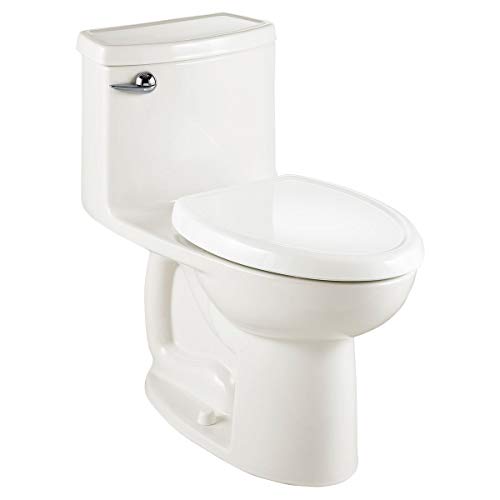
Check price on AmazonThe Cadet 3 uses a conventional two-piece gravity system with a standard flapper that accepts any universal replacement, making ongoing maintenance simple and inexpensive. Owner reviews consistently rate it as reliable over multiple years.
Check price on AmazonA fill that runs longer than 60 to 90 seconds on a standard 1.28 GPF or 1.6 GPF toilet usually means the fill valve is worn, the supply is restricted, or the water level is set too high and keeps spilling into the overflow. A healthy tank on a modern toilet fills in about 60 seconds. If yours is taking two to four minutes, the fill valve is working harder than it should, either because flow is restricted or because it keeps losing water to the overflow. Check both the supply valve position and the float setting before replacing anything.
Nighttime hissing often seems louder simply because the house is quiet, but it can also reflect a genuine increase in the water pressure in your supply lines. Household water pressure often rises at night when demand on the municipal system drops. Higher pressure pushes more water past a slightly leaking flapper, lowers the tank level faster, and triggers more frequent fill valve cycles. If the hissing is noticeably worse at night, measure your household water pressure with an inexpensive gauge on an outdoor hose bib. Pressure above 80 PSI warrants a pressure-reducing valve at the main, which will also protect appliances and washing machine hoses from stress.
A hissing noise on a toilet installed in the past year or two usually points to the water level being set wrong by the installer, or to household water pressure being higher than the fill valve is calibrated for. First check the water level against the fill line marked inside the tank or the one-inch-below-overflow rule. If the level is correct and the hiss persists, verify that the supply valve is open all the way. A supply valve left slightly closed by an installer is a common source of end-of-fill whistling on otherwise correctly installed toilets. Consult our guide on improving toilet flush power if the flush also seems weak, since both issues can stem from restricted water supply.
If you replaced the flapper and the hiss or dye migration continues, the most likely explanation is a flush valve seat problem. The new flapper cannot seal against a seat surface that is rough, pitted, or coated with mineral scale. Another possibility is that the replacement flapper is the wrong size. A two-inch flapper will never seal a three-inch flush valve, and vice versa. Confirm the flapper size matches the drain opening, then run your finger around the valve seat. Any roughness or scale you can feel is enough to break the seal. Clean, smooth, correct-size, and the hiss should stop.
A low water level combined with hissing points to a fill valve that is not completing its cycle: either the float is set too low, or the valve is shutting off early because of a worn spring or worn seal inside. Raise the float adjustment gradually until the water level reaches the fill line, then listen for the valve to shut off cleanly. If it still runs or hisses at the correct level, the internal valve mechanism is worn and the valve needs replacing. A low water level also weakens the flush, which connects to a different problem covered in our weak toilet flush fix guide.
Homeowners sometimes worry that a hissing toilet means a major repair or a cracked porcelain tank. In practice, the porcelain almost never cracks from normal use, and tank hissing is virtually always a valve or flapper issue, both of which cost very little to fix. The real danger of ignoring a hissing toilet is not structural; it is the water bill. A fill valve cycling every 30 minutes around the clock adds up to a meaningful waste of water that a ten-dollar part eliminates in 20 minutes. Fix the noise early and you save both money and water.
Fixing tank components makes clear financial sense when the toilet itself is structurally sound. A fill valve and flapper together cost very little, and a plumber's labor to swap them is minimal. The calculation changes when several factors converge at once. If the toilet is 15 or more years old and both the fill valve, the flapper, and the flush valve seat all need replacing at the same time, the repair bill begins to approach the cost of a new mid-range toilet with modern efficiency. If the tank has a hairline crack that allows water to seep onto the floor, no tank part replacement addresses the root problem and replacement is the right move.
A newer toilet also delivers real ongoing savings. A toilet manufactured before 1994 uses 3.5 to 5 GPF per flush. EPA WaterSense-certified models, which include essentially all toilets sold today by TOTO, Kohler, American Standard, Woodbridge, Swiss Madison, and Gerber, use 1.28 GPF or less while meeting the MaP (Maximum Performance) 600-gram minimum flush standard. TOTO's Drake II achieves a MaP score of 1,000 grams at 1.28 GPF, meaning it clears the maximum payload the test measures at a water use well below a 1990s toilet. For a household with an aging high-flush toilet, the water savings from an upgrade often recover the purchase cost within two to four years at average U.S. water rates, and the hissing problem disappears along with the old hardware.
For guidance on picking a replacement, see our why does my toilet keep clogging guide, which also covers toilet selection for households with recurring drain issues, and our full review of the strongest-flushing models.
A hissing noise after flushing means the fill valve is refilling the tank, which is normal, but if the hiss continues for more than 60 to 90 seconds or never fully stops, the fill valve is either set too high, worn, or the water level is spilling into the overflow tube. Adjust the float first, and replace the fill valve if adjustment does not stop the hiss within a full refill cycle.
A hissing toilet is not physically dangerous, but it is a sign of water waste that adds up on your utility bill. A continuously running toilet can waste 200 to 700 gallons per day according to EPA estimates. Beyond cost, a leak at the base or tank crack that causes hissing could eventually cause water damage, so it is worth diagnosing promptly even if it does not seem urgent.
Start by removing the tank lid and watching a refill. If water is at or above the overflow tube top, lower the float adjustment. If the fill valve runs continuously even after adjustment, replace the fill valve (15 minutes, low cost). If the hiss happens randomly between flushes, run a dye test and replace the flapper if color appears in the bowl.
A hissing toilet makes a sustained, high-pitched or airy whirring sound during the fill cycle that should stop when the tank reaches its set level. A running toilet that never stops makes the same sound continuously, even minutes after a flush. The distinction matters because a running toilet usually means the fill valve will not shut off or the water level is above the overflow, while an intermittent hiss between flushes points to a flapper leak.
Nighttime hissing is often more noticeable simply because the house is quiet. However, municipal water pressure frequently rises at night when neighborhood demand falls, which pushes more water past a leaking flapper and causes more frequent fill cycles. If the nighttime hissing is a new problem, check your household water pressure. Anything above 80 PSI is worth addressing with a pressure-reducing valve.
It depends on the severity of the leak or running. A fill valve that trickles continuously into the overflow can waste 200 or more gallons per day. A flapper that leaks slowly, triggering a refill every 30 to 60 minutes, wastes roughly 3,000 to 6,000 gallons per month. Even a minor hissing issue is worth fixing quickly given the impact on water bills and environmental footprint.
The overflow tube is the open vertical pipe standing in the center of the toilet tank. It is a safety device: if the fill valve fails and water keeps rising, the overflow tube drains the excess into the bowl before the tank can overflow onto the floor. The water level should sit about one inch below the top of this tube. If water is at or above the rim, it drains constantly and the fill valve never shuts off, producing a continuous hiss.
The large majority of hissing toilet repairs are DIY-friendly. Adjusting the float is free and takes one minute. Replacing a flapper takes 5 to 10 minutes and requires only basic hand tools. Replacing a fill valve takes 15 to 20 minutes. None of these require soldering, cutting pipes, or disconnecting the toilet from the floor. A plumber is only really necessary if the tank itself is cracked, the supply shut-off valve is stuck or leaking, or household water pressure needs a pressure-reducing valve installed on the main line.
A quality fill valve typically lasts 5 to 10 years under normal conditions, though some last longer. Hard water accelerates mineral scale buildup inside the valve, shortening its effective life. Chlorine in municipal water gradually degrades the rubber seals. Most plumbers recommend replacing the fill valve and flapper together every 5 to 7 years as preventive maintenance, especially in hard-water areas, to avoid the hissing and running that worn internal seals cause.
Almost never. A hissing toilet almost always needs a new fill valve, a new flapper, or a float adjustment, not a new toilet. Replacement only makes sense when the tank itself is cracked, when the toilet is very old (pre-1994 with 3.5+ GPF flush volumes) and upgrading will generate meaningful water bill savings, or when multiple tank components all need replacing at once and the combined repair cost approaches the price of a new efficient model.
The Fluidmaster 400A and the Korky QuietFill are the two most widely recommended universal anti-siphon fill valves among plumbers and in aggregated owner reviews. Both fit virtually all two-piece gravity toilets with a 7/8-inch tank opening. For toilets that need an exceptionally quiet operation, TOTO's genuine fill valve replacements for Drake and Drake II models are worth sourcing direct, as they are engineered to the specific tank geometry.
A hiss that occurs when the water supply is switched on but not during normal fill cycles usually points to a pressure surge through a partly closed or worn supply valve. Open the supply shut-off valve fully if it is only partially open. If the hiss is intermittent and connected to pressure changes in the house (someone turning on a tap elsewhere), the fill valve or supply line may be vibrating in response to pressure fluctuations, and installing a water hammer arrestor on the supply line often resolves it.
A faulty wax ring causes a leak at the base of the toilet where it meets the floor drain, not a hissing noise from the tank. Hissing always traces to the tank components (fill valve, flapper, water level) or to the supply line. If you hear a hissing sound and also notice water at the base of the toilet, those are two separate problems. The hissing is tank-related and the floor water is the wax ring or a base leak, each requiring its own diagnosis.
If the hissing occurs randomly between flushes when no one is using the toilet, run the dye test: drop food coloring into the tank, do not flush, and wait 20 minutes. If color appears in the bowl, the flapper is leaking. A hissing fill sound that happens on its own every 15 to 60 minutes is a clear sign the flapper is allowing slow water loss that triggers the fill valve to cycle. Replacing the flapper stops both the leak and the hissing in most cases.
Toilets with tower-style or canister flush systems, such as the Kohler Highline with AquaPiston canister, tend to avoid traditional flapper-related issues because the canister seals from all sides equally rather than relying on a soft rubber flap resting flat on a seat. TOTO's Drake and Drake II models are consistently rated highly in owner reviews for quiet, reliable fill operation. American Standard's Champion 4 also draws positive long-term reviews for quiet tank performance.
They are related but usually indicate slightly different severity. A hiss is typically a steady, airy sound caused by water flowing through a slightly restricted or imperfect seal. A whistle is usually higher-pitched and is caused by water vibrating a stiffened or partially torn fill valve diaphragm at a specific frequency. Both are repaired the same way: adjust the float, open the supply fully, and replace the fill valve if those steps do not resolve the noise within one full fill cycle.
If a new fill valve still hisses, check three things: first, confirm the supply shut-off valve is fully open (a partial restriction causes whistling even through new hardware); second, check that the water level is set correctly one inch below the overflow tube top; third, confirm the refill tube from the fill valve is properly clipped into the overflow tube and not just dangling in the tank water, which can cause siphon sounds. If all three check out and the hiss persists, the issue may be high household water pressure rather than the valve itself.
Use the dye test for bowl leaks: food coloring in the tank, no flush, wait 20 minutes. If the bowl colors, it is a flapper or flush valve seat leak. For overflow leaks, watch the tank after a full fill: if water is at or above the rim of the overflow tube, it is running down continuously. For supply-side leaks, dry the base of the fill valve shank under the tank and check for drips. Each test isolates the leak location and points to the exact part to fix.
A hissing toilet is almost never a sign of serious damage. In almost every case the cause is a fill valve that needs the float lowered or the valve replaced, a flapper leaking water into the bowl, or a supply valve not fully open. Start by watching one full fill cycle with the lid off to identify the timing, then follow the cheapest-first repair sequence: adjust the float, replace the flapper, replace the fill valve. Most hissing toilets are silent and waste-free again within 30 minutes and a very modest parts cost. Replacement toilets only make sense when the porcelain itself is damaged or when an aging high-flush toilet makes upgrading to an EPA WaterSense-certified model with a MaP-tested flush the more economical long-term choice.
How we rank & our data sources
We do not run physical lab tests. Rankings are built from published, verifiable data and real owner feedback, never paid placement.
Researched by Derek Whitman · Last updated June 30, 2026 · Our review method
Clean, low-profile silhouettes with real MaP-verified flush performance and efficient dual-flush water use, sized for a minimalist Nordic bathroom without sacrificing function.
Read the guide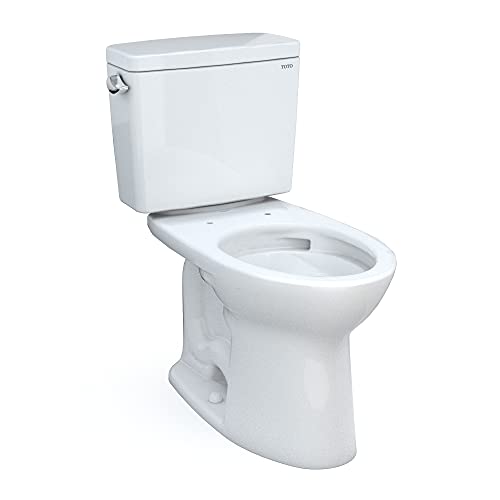
Classic two-piece toilets with tall tanks and elegant, understated proportions, the quiet country-house look that suits a traditional English bathroom without tipping…
Read the guide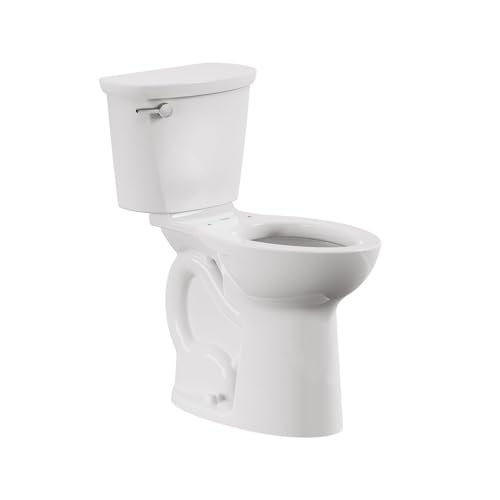
Clean-lined skirted and one-piece toilets with simple geometry and low profiles that suit a broad East Asian-influenced bathroom, backed by real verified…
Read the guide