Hiring a plumber to swap a toilet is one of the most misunderstood bathroom line items. The fixture itself is the predictable number. Labor is the variable, driven by what your bathroom hides under the old unit and by which toilet you put on the truck. A clean swap onto a healthy 12-inch flange takes a working plumber under an hour. A job that turns up a rotted flange, a seized shutoff, or a rough-in mismatch can stretch into half a day. This guide explains what drives the cost, which conditions add labor, how your toilet choice controls it, and which models install fastest and call back the least.
Quick Answer
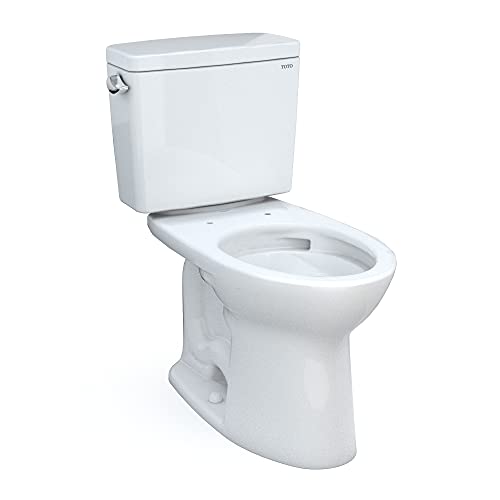
A clean toilet swap takes a plumber one to two hours; the biggest cost driver is not the fixture but whether the rough-in matches and the flange is intact. Buy the TOTO Drake first: its standard 12-inch rough-in, 800 g G-Max flush, 1.28 GPF efficiency, and universally stocked parts make it the install that consistently keeps labor at its minimum and brings plumbers back least often.
A toilet install is not a fixed task. In the best case the plumber removes the old unit, scrapes the wax ring, sets new closet bolts, lowers the new toilet onto the existing flange, levels and tightens it, reconnects the supply line, and tests several flushes for leaks. A working plumber finishes that in well under an hour. In the worst case the same job uncovers a broken flange, a shutoff that will not seal, bolts seized into the slab, rotted subfloor, or a rough-in mismatch, and each of those conditions turns a quick swap into a labor-heavy repair billed by the hour. The toilet is the predictable cost. The labor is the variable.
We do not install toilets for hire and we do not quote regional labor rates, which vary too much by market. Instead we compare published manufacturer specifications, rough-in and trapway design, MaP flush-test scores, EPA WaterSense certification, warranty coverage, and patterns across thousands of aggregated owner reviews. For install cost we weighted four factors: standard 12-inch rough-in compatibility, shipping completeness, ease of single-person set, and flush reliability that keeps the plumber from returning. See our best flushing toilets guide for the full performance rankings.
The single most important install-cost decision is whether your new toilet matches your existing rough-in. Standard rough-in is 12 inches, measured from the finished wall to the center of the rear floor bolts. A toilet built for that measurement drops onto the existing flange with a new wax ring, no relocation and no opened floor, which keeps labor at its minimum. A rough-in mismatch or a model that needs the flange relocated turns a swap into a re-pipe, and that is the one variable that most reliably doubles the bill. Measure first, choose the toilet second.
What a plumber's toilet install actually covers
A standard install charge covers a defined sequence: shut off and disconnect the water, drain and remove the old toilet, scrape the wax ring from the closet flange, inspect the flange and floor, install new closet bolts and a fresh wax ring or gasket, set and level the new toilet, tighten the floor nuts without overdriving, reattach the tank on a two-piece, reconnect the supply line, open the water, and test several flushes for leaks at the base and tank connections. On a healthy bathroom with a standard rough-in and an intact flange, that is the entire job. The cost climbs only when an inspection step reveals a problem that must be resolved before the toilet can seal.
Most install bills that exceed a basic swap share a short list of causes. A damaged or sunken closet flange must be repaired or built up with an extender ring before a new toilet will seal. A shutoff valve that drips or will not close cleanly is replaced on the spot rather than left to fail behind a new toilet. Bolts corroded into the floor add hacksaw time before the old unit lifts. Soft or rotted subfloor from a slow undetected leak must be addressed or the new toilet will rock and re-break the seal. Variable charges include hauling away the old toilet, upgrading a corroded supply line, and setting a heavy one-piece unit that requires two people. Several of these are avoidable by choosing the right toilet model.
How the toilet you choose changes what you pay
Three toilet traits move labor directly. The first is rough-in compatibility: a standard 12-inch model drops onto the existing flange with nothing more than a fresh wax ring, while a mismatch forces the plumber to relocate the flange and re-pipe. The second is shipping completeness: a toilet that arrives without its seat, supply line, or tank hardware forces a return trip the plumber bills at the same hourly rate. Third is weight and format: a two-piece is set in two manageable pieces by one person, while a heavy one-piece often needs two. Choose a standard-rough-in two-piece from a brand with stocked parts and you eliminate all three toilet-side contributors before the plumber arrives.
One-piece versus two-piece for installation
A two-piece ships as a separate tank and bowl, each light enough for one person, and the bowl can be bolted and leveled before the tank goes on. A one-piece gives a seamless, easy-clean profile but can exceed 100 pounds and often requires two people to lift without cracking the porcelain. Flush performance depends on bowl geometry and flush valve, not piece count, so the decision is purely about aesthetics versus install ease. For the full comparison see one piece vs two piece toilets.
Bowl shape and clearance
An elongated bowl extends roughly two inches further from the wall than a round bowl, which can matter in a tight powder room. Confirm the projection fits before ordering. See the round vs elongated toilet guide for both measurements.
If your goal is the lowest possible install bill, the single most effective move is to buy a standard 12-inch rough-in two-piece toilet that ships with its seat and supply line, then measure your rough-in to confirm the match before it arrives. That one step removes the rough-in mismatch and the missing-parts return trip, the two toilet-side issues that most reliably turn a one-hour swap into a billed half-day. The toilet's price is visible. The labor it saves is not. Spend your attention on the rough-in measurement and a brand with stocked parts first, the fixture cost second.
Make it easy
Three toilets that install cleanly
Each uses a standard 12-inch rough-in, an efficient 1.28 GPF water use rate, a strong MaP flush score, and parts stocked by every major plumbing supplier. They represent the three most common install scenarios.
Cleanest Install
TOTO Drake
The safe default for most homes
4.8
Standard 12-inch rough-in two-piece with a G-Max 800 g MaP flush at 1.28 GPF. Parts are stocked at every major plumbing house. Drops onto the existing flange and rarely calls a plumber back.
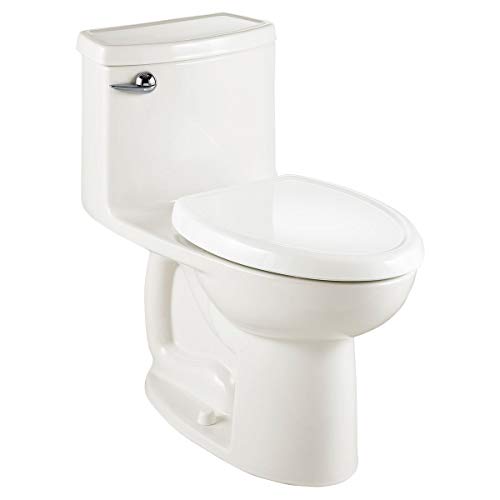
A 1000 g MaP flush at 1.28 GPF with the EverClean stain-resistant surface and a standard rough-in. The right choice when budget leads the decision and flush reliability still matters.
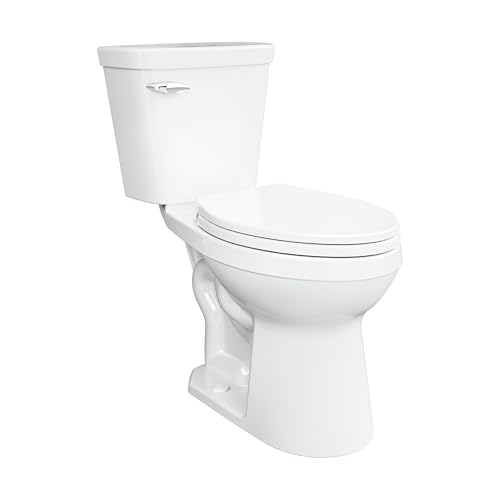
A comfort-height 1000 g MaP flush at 1.28 GPF on a standard 12-inch rough-in, using Kohler's AquaPiston canister flush valve and parts that are easy to source anywhere in North America.
How Much Does a Plumber Charge to Install a Toilet?
A plumber typically bills for one to two hours of labor to install a toilet on a clean, standard 12-inch rough-in, because that is how long a swap takes when the flange is intact, the shutoff seals, and the toilet ships with its parts. Labor costs rise when the job reveals a cracked or sunken closet flange, a failed shutoff valve, corroded floor bolts, or rotted subfloor, each of which must be addressed before the new toilet can seal. The toilet's purchase cost is fixed; the labor is the variable, and it is driven almost entirely by the condition of the existing rough-in plumbing, not by the toilet model you choose.
What Makes a Toilet Install Cost More?
A toilet install costs more when the plumber uncovers a damaged or sunken closet flange, a shutoff valve that will not close cleanly, closet bolts that are rusted to the floor, or soft subfloor caused by a slow hidden leak, because each of those defects must be repaired before the new toilet will seal. A rough-in that does not match the new toilet forces the plumber to relocate the flange and re-pipe, which is the single most expensive surprise. Choosing a toilet that ships without its seat, supply line, or tank hardware adds a return trip. Selecting a heavy one-piece unit can add a second person to the labor charge. None of these originate with the toilet model, but a standard-rough-in two-piece that ships complete eliminates the toilet-side contributors.
Is It Cheaper to Install a Toilet Yourself?
Installing a toilet yourself saves the full labor charge on a straightforward swap, and the job is well within reach for anyone comfortable with basic hand tools. A standard replacement requires shutting off the water, draining and removing the old unit, setting a fresh wax ring on a clean flange, lowering the new toilet onto the closet bolts, hand-tightening the floor nuts in small alternating turns to avoid cracking the porcelain, reconnecting the supply line, and running a dye test to confirm the seal. Call a plumber instead when you find a cracked flange, rotted subfloor, or a rough-in that does not match, because those repairs involve structural and piping work that requires trade experience to execute safely.
Which Toilet Installs With the Least Labor?
A standard 12-inch rough-in two-piece toilet that ships complete with its seat and supply line installs with the least labor, because it drops onto the existing flange without modification, is light enough for one person to set in two separate pieces, and requires no return trips for missing parts. The TOTO Drake, American Standard Cadet 3, Kohler Cimarron, and Gerber Viper all meet this pattern and use parts stocked at every major plumbing supplier. Avoid heavy one-piece units and non-standard rough-ins if a fast, low-cost install is the priority.
Does the Homeowner or Plumber Buy the Toilet?
The homeowner typically buys the toilet and the plumber installs it, which is the better arrangement because it lets you choose the exact model, flush rating, bowl height, and rough-in rather than accepting whatever the plumber has in the truck. Confirm the rough-in before ordering, and verify the listing includes the seat, supply line, and any tank bolts or gaskets, since many premium two-piece toilets like the TOTO Drake sell the seat separately. A toilet that ships complete prevents the return visit that a missing component forces, and that return visit is billed at the same hourly rate as the original install.
The variables that determine toilet install cost
The final number is set by two groups of variables: those in the bathroom you cannot fully predict, and those in the toilet you can control before ordering.
Bathroom-side: the unpredictable part
The closet flange is the floor fitting the toilet seals against. An intact flange at floor level adds nothing to the cost. One that is cracked, corroded through, or sitting below a new tile layer requires repair or an extender ring, which adds parts and labor. The shutoff valve is the second common discovery: a ball-style quarter-turn valve that closes cleanly costs nothing, while an old compression valve that seeps gets replaced on the spot. Corrosion on the floor bolts can add hacksaw time. Rotted subfloor, almost always from a slow undetected leak, is the most expensive surprise because it requires carpentry before a new toilet can be set safely.
Toilet-side: the part you control
Rough-in compatibility is the biggest lever. Standard 12-inch rough-in covers roughly 90 percent of North American homes; any model in the table above drops onto a standard flange without modification. Older homes may be 10 or 14 inches, and TOTO, American Standard, and Kohler offer variants for each. Shipping completeness is the second lever: confirm the listing includes the seat (TOTO sells it separately), a braided supply line, and tank-to-bowl hardware. Weight is the third: a standard two-piece runs 60 to 80 pounds in two manageable pieces, while a skirted one-piece like the Woodbridge T-0001 can exceed 100 pounds and require two people. Parts availability is the fourth: TOTO, Kohler, American Standard, and Gerber have flappers, fill valves, and handles stocked at every hardware chain, keeping any service call short.
Editorial Take
The most consistent mistake is treating install cost as fixed and shopping the toilet on price alone. That is backwards. A standard 12-inch rough-in two-piece from TOTO, Kohler, American Standard, or Gerber eliminates the toilet-side cost variables before the plumber arrives. The bathroom variables, the flange, the shutoff, the subfloor, are the ones you cannot fully predict. Build for the clean case, confirm the rough-in measurement, and accept that hidden bathroom problems cost what they cost, because a toilet bolted over a bad flange always costs more in the end.
How to read a quote and prepare for install day
A written quote should name what it covers: removal and hauling of the old unit, a fresh wax ring and closet bolts, supply-line connection, and a leak test. Flange repair, valve replacement, subfloor work, and second-person labor for a heavy unit should appear as separate line items, not as invoice surprises. Get the base quote in writing and agree before the job starts on how add-ons are communicated and priced, because no plumber knows what is under your old toilet until it comes up. On your end, have the new toilet unboxed in the bathroom with the seat, supply line, and any separately shipped hardware already in hand. Confirm the shutoff valve closes fully before the plumber arrives. If you are buying a TOTO Drake or Drake II, both sell the seat as a separate SKU in many listings, so check before install day. For the full buying decision, our complete 2026 toilet choosing guide and the toilet buying guide walk every specification from rough-in to flush type in order.
FAQ
Frequently asked questions
? How long does it take a plumber to install a toilet?
A clean swap onto an existing intact 12-inch flange takes a working plumber under an hour. The sequence covers disconnecting and removing the old toilet, scraping the old wax ring, setting new bolts and a fresh seal, placing and leveling the new unit, reconnecting the supply line, and running a leak test. The time climbs only when the inspection step reveals a flange, valve, or subfloor problem that must be repaired first.
? What does a toilet install labor charge actually cover?
The base install charge covers shutting off and disconnecting the water, draining and removing the old toilet, cleaning the closet flange, setting new closet bolts and a fresh wax ring or gasket, placing and leveling the new toilet, reconnecting the supply line, and testing multiple flushes for leaks. Flange repairs, valve replacement, and subfloor work are additional and should be quoted as separate line items when discovered.
? Why did my toilet install cost more than quoted?
The most common cause is a problem discovered once the old toilet came off the floor: a cracked or sunken closet flange, a shutoff valve that would not seal, closet bolts rusted to the slab, or soft subfloor from a slow hidden leak. Each of those defects must be corrected before a new toilet can seal safely, and correcting them adds parts and labor above the base quote.
? Should I buy the toilet or let the plumber supply it?
Buying it yourself is almost always the better choice. You choose the exact model, flush rating, bowl height, and rough-in, and you confirm completeness before install day. A plumber who supplies the fixture marks up the cost of the unit and usually stocks a limited selection. The exception is when a plumber has a specific commercial supply account that gives a genuine cost advantage they are willing to pass along.
? Can I install a toilet myself to save on labor?
Yes, for a standard swap on an intact flange. Remove the old unit, scrape the flange clean, install new closet bolts and a fresh wax ring, lower the new toilet onto the bolts, and hand-tighten the nuts in small alternating turns to avoid cracking the porcelain. Reconnect the supply line, open the water, and run a food-coloring dye test in the tank to confirm the wax ring sealed before caulking the base. Hire a plumber when you discover a cracked flange, a rough-in mismatch, or rotted subfloor.
? What is a rough-in and why does it affect the cost?
The rough-in is the distance from the finished wall behind the toilet to the center of the closet bolts on the floor. Standard is 12 inches, covering most homes built after 1970. Older homes can measure 10 or 14 inches. A toilet that matches your rough-in drops onto the existing flange with a new wax ring and no modification. A mismatch requires the plumber to relocate the flange or re-pipe, which is the single change that most reliably doubles the labor.
? How do I measure my rough-in before buying?
Measure from the finished wall surface, not the baseboard trim, to the center of the bolt caps that hold the existing toilet to the floor. Most homes read 12 inches. If the toilet is already removed, measure from the wall to the center of the drain opening in the floor. If there is no baseboard and you are measuring to drywall, that reading is still your rough-in. Do not measure to the wall stud.
? Is a one-piece toilet more expensive to install than a two-piece?
It can be, for two reasons. A one-piece toilet is a single heavy casting that often exceeds 100 pounds and may require two people to lift and set without cracking it, which can add to the labor. A two-piece toilet ships as separate bowl and tank components, each light enough for one person to manage, and the bowl can be leveled and bolted before the tank is placed. Flush performance is identical between the two formats since it depends on bowl geometry and flush valve, not piece count.
? Does a new toilet always come with everything needed?
No. Many two-piece models, including the TOTO Drake and TOTO Drake II, sell the toilet seat separately, and some listings do not include a supply line, wax ring, or closet bolts. Always read the full listing before ordering and add any missing components. Having everything on hand before install day prevents a return trip that is billed at the same hourly rate as the original job.
? Will the plumber replace the shutoff valve and supply line?
Many will replace a dripping or non-closing shutoff valve during the install, since leaving a failing valve behind a new toilet is poor practice. A corroded or kinked old supply line is often replaced as well. These additions are small-cost insurance against future leaks, but they add material and time. Ask whether your quote includes them, or get agreement upfront that they are optional add-ons you approve if found to be necessary.
? Does the plumber haul away the old toilet?
Some plumbers include old toilet removal in the base quote; others charge a small fee or leave the unit at the curb. Confirm disposal logistics when you book, because a porcelain toilet is heavy and awkward to transport, and many municipal waste services will not accept it without advance arrangement. If you plan to dispose of it yourself, have a vehicle and a helper ready before the plumber arrives.
? What if the subfloor under my old toilet is rotted?
Rotted subfloor is the most expensive discovery in a toilet install because it requires carpentry in addition to plumbing. The cause is almost always a slow undetected leak that saturated the wood over months or years. The soft area must be cut out and replaced before a new toilet is set, or the unit will rock, break the wax seal, and create the same leak problem again. A plumber may do the carpentry or subcontract it; confirm who handles it and how it is priced before the job starts.
? How much does it cost to repair a closet flange?
A simple flange repair using a repair ring or stainless strap bolted over a cracked flange is a low-cost addition to the install. A sunken flange brought back to floor level with an extender ring is similarly inexpensive in parts. A fully broken or corroded-through cast-iron flange that must be cut out and replaced requires more time and, if the drain connection is deep in the floor, may involve opening the subfloor. That is the higher-cost scenario and the one most likely to turn a quick swap into a half-day job.
? Does a more water-efficient toilet change the install process?
No. A 1.28 GPF EPA WaterSense-certified toilet installs identically to an older 1.6 GPF model because the supply connection, flange, and closet bolt positions are all the same. Choosing a WaterSense toilet lowers the water bill over the fixture's life without adding anything to the install. There is no plumbing reason to avoid an efficient model, and all of the picks in this guide carry WaterSense certification.
? Do I need a permit to replace a toilet?
A like-for-like toilet replacement on the existing drain and supply lines does not require a permit in most jurisdictions, since you are not altering the plumbing rough-in. Relocating the toilet, moving the drain, or changing the flange position can trigger a permit requirement and a subsequent inspection. This is one more reason that a standard 12-inch rough-in swap is the simplest and cheapest path: it stays within the existing footprint and avoids the permit question entirely.
? Which toilet brands have the most available replacement parts?
TOTO, Kohler, and American Standard have replacement flappers, fill valves, flush handles, tank bolts, and gaskets stocked at every major plumbing supply house and hardware chain in North America. Gerber is nearly as accessible. Woodbridge and Swiss Madison have improved their parts availability in recent years but can still require online ordering for some components, which matters if a service call needs same-day parts.
? What is a good MaP score for a toilet being installed for performance?
MaP (Maximum Performance) testing rates toilets by the maximum solid waste load they clear in a single flush, measured in grams. A score of 500 g is the minimum for a toilet to pass the test; 600 g is considered acceptable; 800 g is strong; and 1000 g is the maximum tested rating. For a household looking for clog resistance and dependable performance, an 800 g or 1000 g MaP score is the target. The TOTO Drake scores 800 g, while the American Standard Cadet 3, Kohler Cimarron, and Gerber Viper all reach the maximum 1000 g rating.
? How long should a properly installed toilet last?
A quality toilet body lasts fifteen years or more, since porcelain is durable and does not degrade with use. The components that fail are the internal tank parts, primarily the flapper, fill valve, and wax ring seal, all of which are inexpensive to replace as individual parts rather than requiring a full fixture replacement. A correct initial install with a good wax seal, level bowl, and properly tightened floor bolts is what prevents the slow leaks that lead to early, costly floor and subfloor damage.
? Is it worth paying for a premium toilet to save on lifetime plumbing calls?
For most households the answer is yes for the flush technology, not the price tier. A toilet with a reliable flush at a proven 800 g or 1000 g MaP score and a wide trapway, like the TOTO Drake, Kohler Cimarron, American Standard Cadet 3, or Gerber Viper, clogs infrequently and requires fewer service calls over its life than a low-rated model. The return on that reliability compounds over years of avoided plunger calls and plumber visits. The toilet's list cost is a smaller number than one preventable emergency service call.
Manufacturer published specifications (TOTO, Kohler, American Standard)
Our Verdict
The plumber cost to install a toilet is mainly a short, predictable labor block, with the real variation coming from your bathroom's hidden condition and the toilet you choose. The lever you hold is the toilet: buy a standard 12-inch rough-in two-piece that ships complete, confirm the rough-in measurement before it arrives, and you have removed the toilet-side causes of inflated labor. The TOTO Drake is the cleanest install with an 800 g G-Max flush and universally stocked parts. The American Standard Cadet 3 matches a 1000 g MaP flush for less. The Kohler Cimarron adds comfort height on the same standard rough-in. Choose any of the three and the labor stays in its lowest tier.
Marcus compiles bathroom-fixture data, MaP flush scores, GPF ratings, trapway and flush-valve specs, and weighs them against thousands of verified owner reviews to build our rankings. He does not run physical lab tests; every verdict is sourced from published specifications, certifications (MaP, EPA WaterSense) and real owner feedback.
Updated August 2026 · Buying Guides
Keep reading
Related guides
Where Does Toilet Water Go After You Flush
Buying Guides
4.6
When you flush, where does it go? Follow toilet water from the bowl through the trap, drain, and stack to a septic…