Water pooling around the bottom of a toilet after every flush is one of the most misread plumbing problems in any home. It looks alarming, but the cause is almost always a failed wax ring, loose closet bolts, or a rocking toilet that has broken its seal against the floor. The repair is a straightforward afternoon job for most people, requiring a new wax ring, a level, and a wrench rather than a plumber. This guide walks through the diagnosis and the fix in the exact order a plumber would check them, using the spec-driven research approach we apply across the site instead of guesswork.
Quick Answer
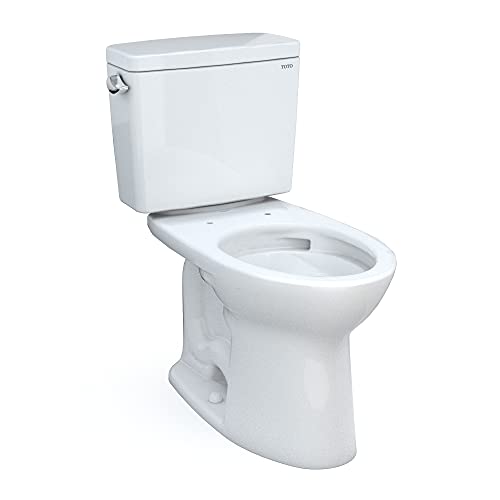
A toilet leaking at the base is almost always a failed wax ring, the cause about 80 percent of the time. Shut off the water, drain and lift the toilet, scrape off the old ring, set a fresh wax ring or a waxless seal, drop the toilet back on the bolts, and tighten evenly. If the toilet rocks or is cracked, replace it; the TOTO Drake seats flat and seals cleanly.
A toilet that leaks at the base is leaking from underneath, where the porcelain meets the floor and the drain. The water you see on the floor did not come from the tank or the bowl; it escaped from the connection between the toilet and the drain pipe, slipped past a failed seal, and spread out across the tile. That seal is the wax ring, a soft donut of wax sandwiched between the bottom of the toilet and the closet flange bolted to the floor. When the wax ring fails, every flush pushes a little water out around the base, and over time that small leak rots subfloor, stains ceilings below, and grows mold. The encouraging part is that the fix is mechanical, inexpensive, and well within reach of a careful homeowner.
This guide follows the way we research everything on this site. Rather than tearing toilets apart in a lab, we compare how they are engineered, the published specs and certifications that predict reliability, and the repair patterns that show up consistently across aggregated owner reviews and plumbing resources. We start with the free checks that confirm the source, move to the wax ring replacement that solves the large majority of base leaks, and finish with the upgrade path for when the toilet itself is cracked or worn out. If you want the wider context on flush mechanics and seating quality, our guide to the best flushing toilets covers the engineering behind a stable, leak-free toilet.
Start here. Before you touch a wrench, confirm the water is actually coming from the base and not running down from the tank or condensing on a cold bowl. Wipe the whole toilet and floor bone dry, then flush and watch closely. If clean water appears at the base only after a flush, or after several flushes, the wax ring is leaking. If water beads on the outside of the tank between flushes, you have condensation, not a base leak, and the fix is completely different. That single observation saves hours of unnecessary work.
What causes a toilet to leak at the base?
A toilet leaks at the base for one of three main reasons: a failed wax ring that no longer seals the toilet to the drain, loose or corroded closet bolts that let the toilet shift, or a rocking toilet sitting on an uneven floor or broken flange. A failed wax ring is the most common cause by a wide margin, behind roughly four in five base leaks, and it is the cheapest part to replace.
Understanding those causes tells you exactly where to look. The wax ring is the soft seal compressed between the bottom of the toilet and the closet flange, the round fitting bolted over the drain pipe. Wax does not rebound, so once the toilet shifts or the wax dries and cracks, the seal opens and flush water escapes onto the floor. Loose closet bolts are the second culprit; if the two bolts holding the toilet down have loosened, corroded, or were never tightened evenly, the toilet lifts slightly with each flush and breaks the wax seal. A rocking toilet, caused by an uneven floor, a broken flange, or a flange set too low under new flooring, has the same effect and will keep destroying any new wax ring you install until the rock is corrected. Less often, the leak traces to a cracked toilet base or a cracked flange, which are larger repairs. Every one of these is a visible, testable condition once the toilet is dry and you know where to watch.
How do you know if your wax ring is bad?
You know the wax ring is bad when clean water appears around the base of the toilet during or shortly after a flush, the floor near the toilet feels soft or discolored, or a sewer smell lingers near the base. Confirm it by drying the floor completely, flushing several times, and watching whether water seeps out at the bottom edge of the porcelain rather than running down from the tank.
The dry-and-flush test is the single most useful diagnostic for a suspected base leak. Wipe the floor and the entire toilet completely dry, lay a few paper towels around the base, and flush several times in a row while watching the towels and the bottom edge of the toilet. If the towels wet from underneath the porcelain, the wax ring is leaking. A sewer smell near the base is a strong supporting sign, because a broken wax seal also lets drain gas escape into the room. If instead the water is tracking down the side of the bowl or tank, the source is condensation or a tank-to-bowl gasket, not the wax ring. This simple test, done before you remove anything, tells you whether you are facing a wax ring job at all, and it is the first thing a plumber does before opening the toolbox.
Tip. Rule out condensation first, because it perfectly mimics a base leak in humid weather. If the floor is wet but the water appears between flushes, especially in summer or in a bathroom without a fan, the bowl is sweating cold supply water and dripping down to the base. The cure there is an anti-sweat insulated tank, a mixing valve, or a dehumidifier, not a wax ring. Our guide on a sweating toilet and condensation covers that fix in detail so you do not pull a healthy toilet for nothing.
The step by step fix for a toilet leaking at the base
These steps are ordered the way a plumber works, from confirming and tightening, which can be free, to the full wax ring replacement that resolves the large majority of base leaks. Work through them in sequence and stop as soon as the leak stops. Plan for an afternoon, keep old towels and a trash bag handy for the messy parts, and have the new wax ring and bolts on hand before you start so the drain is never left open longer than necessary.
Step 1: Confirm the source and check for a rock
Before removing anything, confirm the leak is at the base and check whether the toilet rocks. Dry everything, run the flush test from the section above, and then place both hands on the bowl and try to rock it front to back and side to side. A toilet that moves even slightly is breaking its wax seal with every use, and a new ring alone will not hold unless you also stop the rock. Note whether the floor under the toilet feels soft, since a long-running leak can rot the subfloor and that will need attention before you reseat.
If the toilet is solid and does not rock, the leak is most likely a tired wax ring or loose bolts, and you can move to step two. If it rocks, you will still replace the wax ring, but you must also level and shim the toilet during reinstallation in step six so the new seal is not destroyed within weeks. Either way, the wax ring comes out, so proceed to lifting the toilet.
Step 2: Try tightening the closet bolts first
This is the only step that might fix the leak without pulling the toilet, so it is worth two minutes before committing to the full job. Pop the plastic caps off the two bolts at the base of the toilet to expose the nuts. With a wrench, snug each nut in small, alternating turns, a little on one side, then a little on the other, so the toilet draws down evenly onto the wax ring. Stop the moment you feel firm resistance.
Do not overtighten. Porcelain cracks easily, and a cracked base turns a cheap wax ring job into a full toilet replacement. If gentle, even tightening pulls the toilet down snugly and a follow-up flush test stays dry, the bolts had simply loosened and you are done. If the bolts spin without tightening, are badly corroded, or the leak continues after snugging, the wax ring has failed and you move to removing the toilet.
Step 3: Shut off the water and drain the toilet
Now you prepare to lift the toilet. Turn off the supply valve on the wall behind the toilet by turning it clockwise until it stops. Flush and hold the handle down to empty the tank and bowl as far as they will go. Disconnect the supply line from the bottom of the tank, keeping a small container ready for the trickle that remains. Sponge or vacuum out the water still standing in the tank and the bowl, because any water left will spill when you tip the toilet, and the bowl trap holds more than people expect.
Getting the toilet as dry as possible now is the difference between a clean job and a soaked bathroom. A wet/dry shop vacuum makes this fast and is worth borrowing if you have one. Lay down old towels and a trash bag where you will set the toilet, because the underside and the old wax ring will be messy. Once the tank and bowl are empty, you are ready to remove the toilet.
Step 4: Remove the toilet and scrape off the old wax
Remove the bolt caps and nuts if you have not already, then rock the toilet gently to break the old wax seal and lift the toilet straight up off the bolts. This is the heaviest part of the job; a two-piece toilet is easier to manage than a one-piece because you can remove the tank first to lighten the load, while one-piece designs must come up as a single heavy unit. Set the toilet on its side on the towels you laid out.
Now scrape every trace of old wax off both the bottom of the toilet horn and the closet flange on the floor, using a putty knife and rags. The new wax ring will not seal against old residue. Stuff a rag into the open drain pipe while you work to block sewer gas and to keep tools and debris from falling in, and do not forget to remove it before you reset the toilet. Inspect the flange closely now, because this is the only time you can see it.
Avoid this mistake. Never reuse an old wax ring. Wax compresses permanently the first time a toilet is set on it, so a reused ring will not seal again and the leak returns within days. Always install a fresh ring whenever the toilet comes up, even if the old one looks intact. A wax ring is one of the cheapest parts in your home, so there is no reason to gamble a whole reinstallation on a used one. For sizing and types, see our guide to choosing the right toilet wax ring.
Step 5: Inspect the flange and replace bolts
With the toilet off and the wax scraped away, examine the closet flange, the round fitting the toilet bolts to. It should sit flush with or slightly above the finished floor and be free of cracks. A flange that has cracked, broken at the bolt slots, or sits below the floor because new flooring raised the level is a leading cause of repeat base leaks, and it must be addressed before reseating. A broken flange can be repaired with a metal flange-reinforcement ring, and a flange that sits too low can be raised with a flange extender or fixed with an extra-thick wax ring.
Replace both closet bolts with new brass ones rather than reusing corroded steel bolts, since fresh bolts tighten evenly and resist rust. Slide them into the slots on the flange and stand them upright, sometimes with a washer and nut to hold them vertical, so they line up with the holes in the toilet base when you lower it. Getting the bolts straight and evenly spaced now makes setting the toilet far easier and the final seal far more reliable.
Step 6: Set the new wax ring and reseat the toilet
Press the new wax ring into place, either onto the flange or onto the toilet horn, following the package directions, and remember to pull the rag out of the drain first. Lift the toilet, line the bolt holes up with the two upright bolts, and lower it straight down onto the wax ring without rocking it sideways, because a sideways shift smears the wax and ruins the seal. Once seated, put your weight on the bowl to compress the ring evenly and draw the toilet down to the floor.
Hand-thread the washers and nuts onto the bolts and tighten them in small, alternating turns until the toilet is snug, stopping at firm resistance to avoid cracking the porcelain. If the toilet rocked earlier, slide plastic shims under the base at the gaps and tighten so it sits dead level and solid, then trim the shims flush and seal the base. Reconnect the supply line, turn the water back on, let the tank fill, and run several flushes while watching the base. A dry base after repeated flushes means the seal is good.
Step 7: Caulk the base and verify the seal
Once the flush test stays dry, run a bead of waterproof caulk around the base of the toilet where it meets the floor, leaving a small gap at the very back unsealed. Caulking anchors the toilet, keeps mop water and spills from running underneath, and meets most plumbing codes, while the small gap at the back lets you spot any future leak before it hides under the floor. Smooth the caulk with a wet finger for a clean line.
Editorial Take
The single highest-return move on this list is replacing the wax ring while the toilet is up, and the most common reason a base leak comes back is skipping the rock and flange check. We see base-leak complaints over and over where the owner installed a fresh wax ring on a toilet that still rocked or sat on a flange set below new tile, and the new ring failed within a month. If your toilet moves at all, fix the rock with shims and address the flange height first; otherwise you will be doing this job twice. A wax ring and a pack of brass bolts cost almost nothing, so always replace both together rather than reusing tired hardware.
A quick fix-it order to follow
Working in the right order saves time and avoids tearing the toilet up before you need to. Here is the sequence that resolves the large majority of base leaks, from the free check to the full reseat. The wax ring replacement step is marked as the most likely lasting fix.
A toilet wax ring typically lasts 20 to 30 years, often the life of the toilet itself, as long as the toilet is never disturbed and does not rock. The ring fails early when a toilet rocks, when it is set on a flange that is too low, or when it is reused after the toilet was removed, since wax compresses permanently and cannot reseal.
Knowing the wax ring is a near-permanent part helps you decide what really went wrong. A wax ring almost never simply wears out on its own; something disturbed it. The usual triggers are a toilet that began rocking on a slowly failing floor, closet bolts that loosened over years of use, or a previous removal where the old ring was reused. This is why correcting the rock and the flange height matters as much as the ring itself. A waxless rubber or foam seal is an alternative many owners now prefer because it can be repositioned without ruining it and it does not melt in a hot bathroom, though a quality wax ring remains the proven, inexpensive standard. Either way, set on a level toilet over a sound flange, the seal should outlast everything around it.
Should you use a wax ring or a waxless seal?
Use a standard wax ring for a normal install on a flange that sits at the right height, since it is inexpensive and proven. Choose a waxless rubber or foam seal when you may need to reposition the toilet, when the bathroom gets very hot, or when the flange height is awkward, because waxless seals can be lifted and reseated without failing and do not deform with heat.
Both options seal the same gap, and the right one depends on your situation. A traditional wax ring, optionally with a plastic horn or funnel, is the long-standing choice and costs the least, but it is unforgiving: set the toilet down crooked once and you scrape it off and start over. Waxless seals made of rubber or dense foam compress like wax but spring back, so if you set the toilet slightly off you can lift and realign it without buying another seal, which makes them friendly for first-time DIY reseats. They also tolerate heat without slumping, useful in a sunny or upstairs bathroom. For a flange that sits below the finished floor, an extra-thick wax ring or a stacked seal closes the larger gap. Matching the seal to the flange height is the detail that prevents a repeat leak.
Top recommendations if you decide to replace the toilet
If you find a cracked base, a rotted floor that loosened the toilet beyond a simple reseat, or the toilet is an old weak flusher anyway, replacement is the lasting fix. These three models pair stable, well-engineered bases that seat flat and seal cleanly with high independent MaP scores and efficient water use. Each suits a different priority, and all three carry EPA WaterSense certification.
Most Reliable
TOTO Drake
Flat, stable seating and long life
4.7
A 1,000 gram MaP score, a 3-inch flush valve, and a flat, well-cast base that seats cleanly on the flange make the Drake a low-maintenance two-piece that seals reliably at 1.28 GPF, with widely available parts.
Available in a skirted, concealed-trapway design, the Cimarron seats flat and is easy to caulk and keep clean around the base, paired with a strong Class Five flush at 1.28 GPF and a sturdy two-bolt mount.
The Cadet 3 is a dependable, accessibly priced two-piece with a solid base and an EverClean surface, giving a clean, stable install with a powerful flush and a 1.28 GPF WaterSense rating.
A leaking toilet base is not an immediate emergency, but it should be fixed within days because the escaping water and sewer gas rot the subfloor, stain the ceiling below, and grow mold. Stop using the toilet or shut off its supply valve until you can reseat it, since every flush pushes more water under the floor and accelerates the hidden damage.
The danger of a base leak is that the damage is hidden. Each flush releases a small amount of water under the toilet, where it soaks into subfloor, drips through to the room below, and feeds mold that you cannot see until the floor goes soft or the ceiling stains. A sewer smell near the base means the broken seal is also venting drain gas into your home. None of this requires you to call an after-hours plumber, but it does mean you should not ignore it for weeks. If you cannot reseat the toilet right away, shut off its supply valve and minimize use. For broader water-loss context, our guide on how to reduce toilet water use covers leaks and efficient flushing together.
Editorial Take
Our honest advice on the repair-versus-replace question is to reseat the existing toilet whenever the bowl is sound and flushes well, since a wax ring and bolts are among the cheapest fixes in the house and the porcelain itself rarely fails. Replace only if you find a cracked base, a floor so rotted the toilet cannot be re-anchored, or an old low-efficiency toilet that also flushes weakly. In that case a high-MaP 1.28 GPF replacement such as the TOTO Drake or Kohler Cimarron seats flat, seals cleanly, flushes harder, and lowers your water bill at the same time. Do not pour money into reseating a tired, pre-2000 toilet that you will want to replace within a year anyway.
Putting it all together
Fixing a toilet that leaks at the base is a process of elimination, and the order matters. Dry everything and flush to confirm the leak is at the base and not condensation, check for a rock, and try tightening the bolts. If water still escapes, shut off the supply, drain and lift the toilet, scrape off the old wax, inspect and correct the flange, set a fresh wax ring or waxless seal, reseat the toilet straight down onto new brass bolts, level any rock with shims, and caulk the base with a small rear gap. Those steps stop the large majority of base leaks for the price of a wax ring and an afternoon. If a cracked base or a worn-out old toilet is the real culprit, a modern high-MaP toilet from TOTO, Kohler, American Standard, Woodbridge, Swiss Madison, or Gerber is the lasting fix.
? Why is my toilet leaking at the base only when I flush?
A leak that appears at the base only during or right after a flush is the classic sign of a failed wax ring. The flush sends a surge of water through the trap and past the broken seal, pushing a little out around the bottom each time. Between flushes the seal holds, so the floor stays dry, which is exactly how a worn wax ring behaves. Replace the wax ring to fix it.
? Can I fix a toilet leaking at the base without replacing the wax ring?
Sometimes. If the toilet has simply loosened, evenly tightening the two closet bolts can draw it back down onto a still-intact wax ring and stop the leak. Try that first, but stop at firm resistance to avoid cracking the porcelain. If snugging the bolts does not stop the leak, the wax ring has failed and the toilet must be lifted to replace it.
? How do I know if it is the wax ring or condensation?
Dry the toilet and floor completely, then watch when the water returns. If it appears during or after a flush, it is the wax ring. If it appears between flushes, especially in humid or summer conditions, the cold bowl is sweating and dripping to the base, which is condensation. Condensation needs an insulated tank or a dehumidifier, not a new wax ring.
? How long does it take to replace a toilet wax ring?
For most homeowners, replacing a wax ring takes one to two hours, plus drying time for any caulk. The bulk of the time goes to shutting off and draining the toilet, lifting it, scraping off the old wax, and reseating it straight without rocking. With the new ring and brass bolts ready beforehand, it is a manageable afternoon project that needs only basic tools.
? Do I need to replace the closet bolts when I reseat a toilet?
Yes, it is strongly recommended. Closet bolts are inexpensive, and old steel bolts often corrode, which makes them spin uselessly or snap during tightening. Fresh brass bolts tighten evenly and resist rust, giving the new wax ring a secure, balanced clamp. Replacing them while the toilet is up is cheap insurance against a repeat leak.
? Why does my toilet still leak at the base after replacing the wax ring?
The most common reasons are a toilet that still rocks, a flange set below the finished floor, or a ring smeared by setting the toilet down crooked. A wax ring only seals against a level toilet drawn down evenly onto a sound flange. Re-pull the toilet, shim any rock level, correct the flange height with an extender or thick ring, and set a fresh ring straight down without sliding it sideways.
? Can a rocking toilet cause a base leak?
Yes, and it is a leading cause of repeat leaks. A toilet that rocks lifts slightly with every use and works the wax seal loose, so any new ring fails within weeks. Before reseating, fix the rock by sliding plastic shims under the base until the toilet sits dead solid, then tighten, trim the shims, and caulk. Correcting the rock is as important as the new ring itself.
? What is a closet flange and why does it matter?
The closet flange is the round fitting bolted over the drain pipe that the toilet sits on and bolts to. It anchors the toilet and provides the surface the wax ring seals against. A cracked flange, one broken at the bolt slots, or one set below the finished floor is a frequent cause of base leaks, because the wax ring cannot bridge the gap reliably. Repair or raise it before reseating.
? Should I caulk around the base of the toilet?
Yes, with one detail: leave a small unsealed gap at the very back. Caulk anchors the toilet, keeps mop water and spills from running underneath, and satisfies most plumbing codes. The small rear gap lets any future leak show on the floor as an early warning instead of hiding and rotting the subfloor. Smooth the bead with a wet finger for a clean line.
? Is a wax ring or a waxless seal better?
Both seal the same gap well. A standard wax ring is the proven, lowest-cost choice for a normal install. A waxless rubber or foam seal is better when you might reposition the toilet, when the bathroom gets very hot, or when the flange height is awkward, because it springs back and can be reseated without failing. For first-time DIY reseats, many owners prefer the forgiveness of a waxless seal.
? Why does my bathroom smell like sewage near the toilet?
A sewer smell at the base usually means the wax ring has broken its seal, letting drain gas escape into the room along with the water leak. The same failed seal that lets water out lets gas out. This is a strong supporting sign that you need to reseat the toilet with a fresh wax ring, and it should not be ignored, since drain gas is unpleasant and the underlying leak is rotting the floor.
? How much water leaks from a bad wax ring?
Only a small amount escapes per flush, which is why the damage stays hidden for so long. A failed wax ring does not gush, it weeps a little water with each use that soaks into the subfloor rather than pooling visibly. Over weeks and months that small, steady leak rots flooring, stains ceilings below, and grows mold, so the modest volume does not mean it is harmless.
? Can I reuse the old wax ring?
No. Wax compresses permanently the first time a toilet is set on it, so a reused ring cannot form a new seal and the leak returns within days. Always install a fresh wax ring whenever the toilet is lifted, even if the old one looks intact. A wax ring costs very little, so reusing one is never worth the risk of redoing the entire job.
? What size wax ring do I need?
Most toilets use a standard wax ring sized for a 3-inch or 4-inch drain, and many rings fit both. If your flange sits below the finished floor, choose an extra-thick wax ring or stack a second ring to bridge the larger gap. When in doubt, a universal wax ring with a plastic horn fits the majority of installs. Check the package against your drain size before buying.
? Why does my flange sit below the floor after new tile?
Adding tile or new flooring raises the finished floor while the flange stays at its original height, so it ends up recessed. A flange below the floor cannot compress a standard wax ring properly and is a common cause of leaks after a remodel. Fix it with a flange extender ring or an extra-thick wax ring that bridges the new gap, so the seal compresses correctly.
? Can I overtighten the toilet bolts?
Yes, and it is a costly mistake. Porcelain cracks under too much force, and a cracked base turns a cheap wax ring job into a full toilet replacement. Tighten the closet bolts in small, alternating turns and stop the moment you feel firm resistance. The goal is to draw the toilet down snugly onto the wax ring, not to crank the nuts as hard as you can.
? When should I replace the toilet instead of reseating it?
Replace the toilet when the base or bowl is cracked, when the subfloor has rotted so badly the toilet cannot be re-anchored without floor repair, or when it is an old low-efficiency model that also flushes weakly. In those cases a modern WaterSense 1.28 GPF toilet from TOTO, Kohler, or American Standard seats cleanly, seals reliably, flushes harder, and lowers water use, which outweighs reseating a tired fixture.
? Which toilets seat and seal most reliably?
Toilets with flat, well-cast bases and sturdy two-bolt mounts seat cleanly and hold a wax seal well. The TOTO Drake, with its solid base and 1,000 gram MaP score, and skirted designs like the Kohler Cimarron, which are easy to level and caulk, are dependable choices. Reliable seating is less about brand badge and more about a flat base set on a sound, level flange.
Manufacturer published specifications (TOTO, Kohler, American Standard)
Our Verdict
A toilet leaking at the base is almost always a failed wax ring, and most homeowners can fix it in an afternoon for the price of a ring and a pack of brass bolts. Confirm it is not condensation, try tightening the bolts, then drain and lift the toilet, scrape off the old wax, correct the flange, set a fresh seal, reseat the toilet level, and caulk the base. The wax ring is the answer about four times out of five. If a cracked base or a worn-out old toilet is the real cause, a high-MaP upgrade like the TOTO Drake at 1,000 grams and 1.28 GPF seats flat, seals cleanly, and ends the leak permanently while cutting water use. Confirm the rough-in matches yours and check the current price on Amazon before you order.
D
Researched by Derek Whitman
Derek researches plumbing specifications, installation requirements and parts availability, cross-checking manufacturer claims against owner-reported reliability. Rankings are based on documented data and real owner reports, never paid placement.
Updated August 2026 · Plumbing
Keep reading
Related guides
Best Toilet Flush Valve: How to Choose the Right One
Plumbing
4.6
Which is the best toilet flush valve? Compare 2-inch, 3-inch, adjustable, and canister flush valves by fit and flush power, plus how…