

Best French Toilets (2026)
Toilets4.6
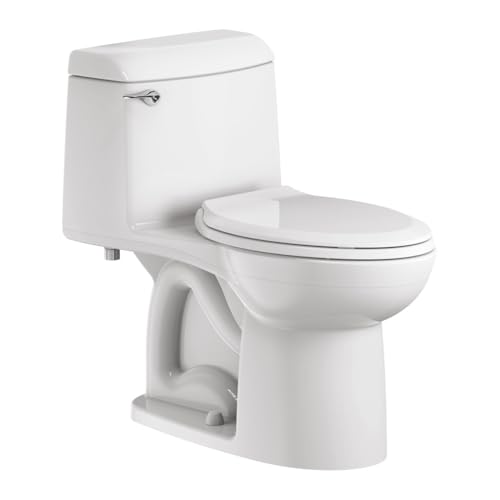
Refined, softly curved one-piece and skirted silhouettes with a polished, Parisian-elegant profile, paired with verified MaP flush scores rather than a stylist's…
Read the guideA weak flush is one of the most frustrating toilet problems. It leads to double flushes, clogs, and wasted water. This guide covers the seven most common causes and provides step-by-step fixes you can do in under 30 minutes.
Research updated June 2026.
Most weak flushing toilets are caused by a clogged rim feed, a failing flapper, low water level in the tank, or a blocked vent pipe. Start by checking the water level and cleaning the rim holes. If the problem persists, replace the flapper and inspect the fill valve. For persistent clogs, a toilet auger is the best tool.
A weak flush is almost always caused by insufficient water volume or velocity entering the bowl. The most common culprits are a low water level in the tank, a worn-out flapper that doesn't release enough water, or clogged rim jets that restrict flow. Less common but serious causes include a blocked vent pipe or a partial clog in the trapway.
The physics of a toilet flush are simple: water drops from the tank into the bowl, creating a siphon that pulls waste through the trapway. If anything reduces the volume or speed of that water drop, the siphon weakens. A toilet that used to flush well but now struggles is almost always fixable without replacing the entire unit.
Before buying any parts, fill a bucket with water and pour it directly into the bowl from waist height. If the bucket flush clears the bowl easily, the problem is in the tank components. If the bucket flush also struggles, you likely have a trapway or vent blockage.
Open the tank lid and look at the water level. It should be about 1 inch below the top of the overflow tube. If it's lower, the toilet won't have enough water to create a strong siphon. Adjust the fill valve by turning the adjustment screw or moving the float arm to raise the water level.
Most modern toilets use a float cup or float ball fill valve. For a float cup valve (common on Fluidmaster models), pinch the clip and slide the cup upward. For older float ball valves, bend the metal arm upward slightly. After adjusting, flush and check that the water stops filling when it reaches the correct level. Overfilling can cause water to run into the overflow tube, wasting water and creating a hissing sound.
If the water level is correct but the flush is still weak, move on to inspecting the flapper. A flapper that is too small for the flush valve opening or one that closes prematurely will cut the flush short.
Rim jets are the small holes under the toilet bowl rim that direct water into the bowl. Over time, mineral deposits from hard water can clog them. Use a small mirror to inspect the holes, then clean them with a bent wire hanger or a small screwdriver. Pour a cup of white vinegar into the overflow tube to dissolve deposits inside the rim channel.
Start by putting on gloves and using a small mirror to look under the rim. If you see white or brown crust around the holes, that's calcium and mineral buildup. Straighten a paper clip or use a small zip tie to poke each hole. Work carefully to avoid scratching the porcelain.
For deeper cleaning, shut off the water, flush to empty the tank, and pour a full bottle of white vinegar into the overflow tube. Let it sit for 30 minutes, then scrub the rim holes with a toilet brush. Flush to rinse. This method works well for toilets that have gradually lost flushing power over months or years.
If you have extremely hard water, consider using a commercial toilet cleaner designed for lime scale removal. CLR or a similar product can be poured into the overflow tube and left overnight. Always follow the product instructions and never mix chemicals.
Replace the flapper if it is cracked, warped, or doesn't create a tight seal. A bad flapper lets water leak into the bowl, causing the tank to refill constantly and reducing flush power. Replace the fill valve if water continues to run after the tank is full or if the water level is inconsistent despite adjustments.
Flappers are inexpensive (usually $5 to $10) and easy to replace. Turn off the water supply, flush to empty the tank, disconnect the old flapper from the flush lever chain and the overflow tube ears, and snap on a new one. Make sure the chain has about 1/4 inch of slack. Too much slack prevents the flapper from opening fully; too little slack prevents it from sealing.
Fill valve replacement is slightly more involved but still a DIY job. After shutting off the water and draining the tank, unscrew the lock nut under the fill valve and remove the old unit. Install the new fill valve according to the manufacturer's instructions. Fluidmaster 400A and Korky 528 are reliable universal replacements.
If you have a TOTO toilet with a proprietary flush valve, use the exact OEM replacement part. TOTO's flush valve seal and flapper kits are designed for specific models like the Drake and Ultramax.
A blocked vent pipe prevents air from entering the drain system, which stops the siphon from forming. Signs include gurgling sounds from the toilet or other drains when flushing. A trapway blockage is usually a solid object or heavy mineral buildup. Use a toilet auger (closet auger) to clear trapway clogs, and check the roof vent for bird nests or debris.
To clear a trapway clog, insert the toilet auger into the bowl and crank the handle while pushing forward. The auger is designed to navigate the S-trap without scratching the porcelain. Pull back any debris you hook. Never use a drain snake or chemical drain cleaner in a toilet, as these can damage the wax ring and porcelain.
For a vent blockage, you may need to go on the roof with a garden hose. Run water down the vent pipe to clear leaves or bird nests. If you're not comfortable on a roof, call a plumber. A blocked vent is rare but can cause chronic weak flushing that no amount of tank adjustment fixes.
If your toilet flushes well sometimes and poorly other times, suspect a partial vent blockage. Air pressure changes in the drain line affect the siphon. A simple test: pour a bucket of water into the toilet. If it drains slowly and gurgles, the vent is likely the issue.
If your toilet is beyond repair or you're considering an upgrade, models with a MaP score of 1000 grams or higher offer the strongest flushes. Top performers include the TOTO Drake II, Kohler Highline, American Standard Champion 4, and Woodbridge T-0001. These toilets use larger trapways and optimized bowl designs to prevent clogs.
For a full comparison, see our guide to best flushing toilets. The table below shows the key specs for the most reliable models on the market.
| Model | MaP Score | GPF | Flush Type | Trapway | Height | Best For | Check Price |
|---|---|---|---|---|---|---|---|
| TOTO Drake II CST454CEFG | 1000g | 1.28 | G-Max | 2-1/8" | Comfort Height | Overall best | Check price |
| Kohler Highline K-3987 | 1000g | 1.28 | Class Five | 2" | Comfort Height | Budget-friendly | Check price |
| American Standard Champion 4 | 1000g | 1.28 | PowerWash | 2-3/8" | Right Height | Clog resistance | Check price |
| Woodbridge T-0001 | 1000g | 1.28 | Dual Flush | 2-1/8" | Comfort Height | Dual flush value | Check price |
| Gerber Viper 21-528 | 900g | 1.28 | Vortex | 2" | Standard | Commercial use | Check price |
All of these models meet EPA WaterSense criteria and deliver strong single-flush performance. The TOTO Drake II with G-Max flush is the most consistent performer in owner reviews, with very few reports of double flushing.
A new toilet that flushes weakly usually has an installation problem. The most common issues are a blocked vent pipe, an incorrect wax ring that restricts the outlet, or a supply line that is too small. Also check that the toilet is level and that the flange is not recessed below the finished floor.
If you recently replaced the toilet and it has never flushed well, start by checking the water supply. A 3/8-inch supply line is standard; a 1/4-inch line will restrict flow. Make sure the shutoff valve is fully open. Some quarter-turn valves look open but are actually partially closed.
Next, check the flange. If the flange is below the floor level, the wax ring may be too thick and partially block the outlet. Use a flange extender to bring it flush with the floor. Also ensure the toilet is level side-to-side and front-to-back. A tilted toilet can misalign the trapway with the flange.
If the toilet is brand new and the flush is weak, remove the toilet and inspect the flange opening. Debris from construction (drywall screws, wood chips) can fall into the drain pipe during installation. A shop vac can clear the drain line before reinstalling the toilet.
The flapper may be the wrong size or the chain may be too tight. Also check the water level and clean the rim jets. If those are fine, the problem could be a blocked vent or trapway.
Yes. The water level in the tank should be about 1 inch below the top of the overflow tube. Low water means less water drops into the bowl, which weakens the siphon.
Use a small wire or paper clip to poke each hole. Then pour white vinegar into the overflow tube and let it sit for 30 minutes. Scrub with a toilet brush and flush.
MaP (Maximum Performance) score measures how many grams of waste a toilet can flush in one test. A score of 1000 grams means the toilet can handle a full load without clogging.
No. Chemical drain cleaners can damage the wax ring, porcelain, and PVC pipes. Use a toilet auger instead for clogs.
Gurgling sounds from the toilet or other drains when flushing, slow drainage, and sewer smells are signs of a blocked vent.
Yes. A failing fill valve may not refill the tank to the correct level, or it may allow water to run into the overflow tube, reducing the available water for the flush.
The TOTO Drake II with G-Max flush is widely considered the best. It has a 1000g MaP score, a 2-1/8 inch trapway, and consistent owner reviews.
Replace the flapper every 3 to 5 years, or sooner if you notice water running or a weak flush. Hard water can degrade rubber flappers faster.
Yes. A partial obstruction reduces the flow of water and waste through the trapway. Use a toilet auger to clear it.
If the toilet is less than 15 years old and the bowl is in good condition, fixing it is usually worth it. Older toilets may use 3.5 GPF or more, so replacing with a 1.28 GPF model saves water.
You will need an adjustable wrench, screwdriver, toilet auger, small mirror, paper clip or wire, and possibly a replacement flapper or fill valve.
Intermittent weak flushing often points to a partial vent blockage or a flapper that occasionally sticks. It can also be caused by fluctuating water pressure.
Yes. If the flange is too high, the wax ring may not seal properly, but more commonly a recessed flange restricts the outlet. Use a flange extender if the flange is below the floor.
A weak flushing toilet is almost always fixable without calling a plumber. Start with the simplest checks: water level, rim jet cleaning, and flapper condition. These three steps resolve 80% of weak flush problems. If the toilet still struggles, use a toilet auger to clear the trapway and inspect the vent pipe. For toilets that are beyond repair, the TOTO Drake II offers the most reliable strong flush on the market.
How we rank & our data sources
We do not run physical lab tests. Rankings are built from published, verifiable data and real owner feedback, never paid placement.
Researched by Marcus Bell · Last updated June 28, 2026 · Our review method
Refined, softly curved one-piece and skirted silhouettes with a polished, Parisian-elegant profile, paired with verified MaP flush scores rather than a stylist's…
Read the guide
Clean, low-profile silhouettes with real MaP-verified flush performance and efficient dual-flush water use, sized for a minimalist Nordic bathroom without sacrificing function.
Read the guide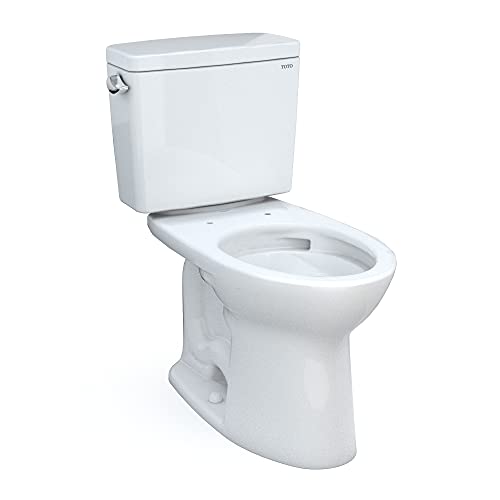
Classic two-piece toilets with tall tanks and elegant, understated proportions, the quiet country-house look that suits a traditional English bathroom without tipping…
Read the guide