An overflow happens for one mechanical reason: more water is entering the bowl than the drain can carry away, so the level rises past the rim. That imbalance has only a handful of root causes, and they split cleanly into two groups. Either something is blocking the water from leaving (a clog in the trapway, the drain line, or the vent), or something is sending too much water in (a flush that will not stop, a fill valve that overflows the tank, or a backed-up sewer pushing water up). Once you know which group you are in, the fix is straightforward.
This guide follows the way we research everything on this site. Rather than tearing toilets apart in a lab, we compare how they are engineered, the published specs that predict clog resistance, independent MaP (Maximum Performance) flush-test data, and the repair patterns that show up consistently across aggregated owner reviews and plumbing resources. We start with the emergency stop, move through each cause from most to least common, and finish with the upgrade path for a toilet that overflows again and again because the bowl itself clogs too easily.
Stop the water first. The single most useful action during an overflow is to shut off the supply. The valve is the small football-shaped or lever handle on the wall behind the toilet base, usually low and to the left. Turn it clockwise until it stops. If there is no valve or it is seized, take the tank lid off and push the flapper down by hand to seal the tank, then lift the float arm to stop the fill valve. That buys you time to deal with the actual cause calmly.
What actually causes a toilet to overflow?
A toilet overflows when water enters the bowl faster than the drain can carry it away. The three main causes are a clog in the trapway or drain line that blocks the exit, a blocked vent stack that prevents the drain from breathing, and a tank overfilling because the fill valve or float failed. A clog is by far the most common cause.
Knowing those three families of cause tells you exactly where to look. The first and most common is a blockage on the way out: a wad of paper, a flushed object, or built-up waste lodges in the narrow trapway inside the toilet or in the drain line just past it. The second is a ventilation problem: every drain needs air from a roof vent to flow freely, and a blocked vent makes the bowl drain slowly enough to back up. The third is an oversupply problem: a fill valve that never shuts off, or a flush handle and flapper that stick open, can pour water into a bowl whose drain is fine, and the level climbs anyway. A rarer fourth cause sits outside the toilet entirely, which is a main sewer line backup that forces wastewater up through the lowest fixture in the house. Work through them in order and the source becomes obvious.
How do I stop a toilet from overflowing right now?
To stop a toilet overflowing immediately, turn the shutoff valve on the wall behind the toilet clockwise until the water stops. If you cannot reach or move the valve, lift the tank lid and press the rubber flapper down to seal it, then lift the float to shut off the fill valve. This stops new water within seconds while you clear the cause.
The emergency stop and the permanent fix are two separate steps, and doing the stop first prevents water damage while you work calmly on the cause. After the supply is off, do not keep flushing, since each flush adds more than a gallon of water to a bowl that cannot drain and almost guarantees a spill. Let the bowl level settle, mop up any water on the floor, and then move to clearing the blockage or correcting the overfill. The fixes below are ordered from the most common cause to the least, which is also roughly the order of how quickly each one is resolved.
The main causes of a toilet overflow, in order
These are listed from most common to least, which is the order worth checking. Most overflows are solved by the time you reach cause three.
Cause 1: A clog in the toilet trapway
The trapway is the curved internal channel that carries waste from the bowl out to the drain, and it is the narrowest point in the whole system. A wad of toilet paper, too much waste at once, a child's toy, a wipe, or a feminine product lodges in that bend and the bowl can no longer empty. Water from the next flush has nowhere to go, so it rises and spills. This single cause is behind the large majority of household overflows.
The tell is a flush where the bowl fills high, hesitates, and either drains very slowly or rises to the rim. A flange plunger is the right tool: its extended rubber sleeve seals the bowl outlet far better than a flat cup plunger. Insert it to cover the hole at the bottom of the bowl, push down gently to expel trapped air, then pump firmly with full strokes keeping the seal. The pressure usually dislodges the clog within a dozen strokes and the water drops away with a gurgle. If plunging fails, a closet auger (a toilet-specific snake with a protective sleeve) reaches further into the trapway without scratching the porcelain. For a toilet that clogs like this over and over, the bowl design is the deeper issue, covered in our guide on why your toilet keeps clogging and how to fix it.
Tip. Do not reach for chemical drain cleaner on a clogged toilet. Those products are formulated for sink and shower drains, they sit in the standing bowl water without reaching the clog, and the trapped caustic can crack the porcelain or burn you when you finally plunge. A plunger and a closet auger clear a trapway clog far more reliably and safely.
Cause 2: A blockage in the drain line past the toilet
If the bowl drains but slowly, and other fixtures nearby gurgle or back up when you flush, the blockage is downstream of the toilet in the branch drain or the main line. Grease, flushed wipes marketed as flushable, mineral scale, or invading tree roots build up in the larger pipe and restrict the flow until the toilet, usually the lowest fixture on that line, backs up first. A plunger will not reach this, and plunging can even push the bowl water past a partial drain clog only for it to back up again on the next flush.
For a drain-line clog, a closet auger run all the way out often catches a blockage in the first few feet. Beyond that, a longer drum auger or a professional drain cleaning is the answer. A clear sign you are in this territory rather than a simple trapway clog is more than one fixture acting up at once, for example the tub draining slowly or the toilet bubbling when the washing machine empties. That points to a shared drain restriction rather than anything inside the toilet itself.
Cause 3: A clogged or frozen vent stack
Every drain system has a vent pipe that runs up through the roof. It lets air into the pipes so water can flow freely and a siphon can form, the same way a second hole in a juice can lets the liquid pour. When that vent is blocked by leaves, a bird nest, or winter ice, the drain cannot breathe, water leaves the bowl sluggishly, and a normal flush can back up and overflow even though nothing is clogged inside the toilet or trapway.
The signature of a vent problem is a slow, gurgling drain across several fixtures, bubbles rising in the bowl, and a glugging sound after the flush. If plunging finds no clog and the bowl still drains lazily, suspect the vent. Clearing it usually means going onto the roof to remove the obstruction or running a hose down the vent stack, which is a job to approach carefully or hand to a professional. It is an often-missed cause, so it is worth ruling out before assuming the toilet is at fault.
Cause 4: A fill valve or float that will not shut off
Not every overflow comes from a blocked drain. Sometimes the bowl level rises because the tank is sending too much water in. The fill valve is supposed to stop refilling once the tank reaches its set level, with any excess draining harmlessly down the overflow tube into the bowl. If the fill valve fails to shut off or the float is set too high or stuck, water runs continuously into the overflow tube, into the bowl, and if the drain is even slightly slow, the bowl can creep over the rim.
The clue here is the sound of water running long after a flush, or a bowl that fills on its own without anyone flushing. Lift the tank lid and watch: if water is pouring into the open overflow tube, the fill valve or float is the problem. Lower the float so the water shuts off about an inch below the top of the overflow tube, and if the valve still will not stop, replace it. A fill valve is an inexpensive, common part. This same overflow-tube overfill is also the cause behind a tank that keeps cycling, which our guide on how to fix a toilet that is not flushing properly addresses alongside related tank faults.
Cause 5: A stuck flapper or flush handle
A flush handle or flapper that sticks in the open position keeps the flush valve open, so the tank empties and the fill valve keeps running to refill it in an endless loop. On its own this usually just wastes water down the bowl, but combined with a partly blocked drain it adds enough continuous flow to push the bowl over. Jiggle or lift the handle, and look inside the tank: if the flapper is hung up on the chain or warped so it will not reseat, free it or replace it. A flapper is a cheap, tool-free swap and worth replacing if its edge is chalky or stiff.
Cause 6: A backed-up main sewer line
The most serious cause sits entirely outside your toilet. If the main sewer line from the house is blocked, by roots, collapse, grease, or a municipal backup, wastewater has nowhere to go and rises up through the lowest opening in the home, which is usually a ground-floor or basement toilet. The warning signs are unmistakable: multiple fixtures backing up at once, dirty water or sewage appearing in tubs and showers when you flush or run water elsewhere, and a foul smell. No amount of plunging the toilet fixes this, because the toilet is only the exit point, not the cause. Stop using all water in the house and call a plumber or your utility, since a main-line backup can be a health hazard and sometimes a city-side responsibility.
Cause 7: A weak, low-MaP bowl that clogs constantly
If you clear overflow after overflow and the clogs keep returning under normal use, the underlying problem may be a bowl that was never engineered to clear waste well. Older 3.5 GPF and first-generation 1.6 GPF toilets often pair a narrow, unglazed trapway with a low MaP score, so they clog on volumes a modern toilet handles easily. No repair turns a poorly designed bowl into a clog-resistant one. The lasting fix is a modern high-MaP toilet with a wide glazed trapway, which clears more waste per flush while using less water. The spec that predicts this is the MaP score, an independent measure of how many grams of solid waste a toilet clears in one flush. Aim for 800 grams or higher, a trapway 2 inches or wider, and a WaterSense 1.28 GPF rating. Our full ranked list is in the roundup of the best flushing toilets.
Editorial Take
The most valuable habit we can pass on is to learn where your shutoff valve is and confirm it actually turns, before you ever have an emergency. We see overflow stories that turn into floor-and-ceiling damage purely because the homeowner spent two panicked minutes hunting for the valve, found it seized with mineral crust, and could not budge it. Once a year, when you clean behind the toilet, give that valve a gentle quarter-turn and back to keep it free. It is the cheapest insurance against water damage there is.
A quick fix-it order to follow
Working in the right order saves time and stops you from chasing the wrong cause. Here is the sequence that resolves the large majority of overflows, from the emergency stop through to replacement.
If a single toilet overflowed once from a clog, steps one through three almost always end it. If overflows recur or several fixtures act up at once, the cause is downstream in the drain, the vent, or the main line, and an older low-MaP bowl that clogs easily is the case for a replacement. For prevention on a clog-prone toilet, our guide on the weak toilet flush fix covers the flush-strength side of the same problem.
Which toilet is best for preventing overflow clogs?
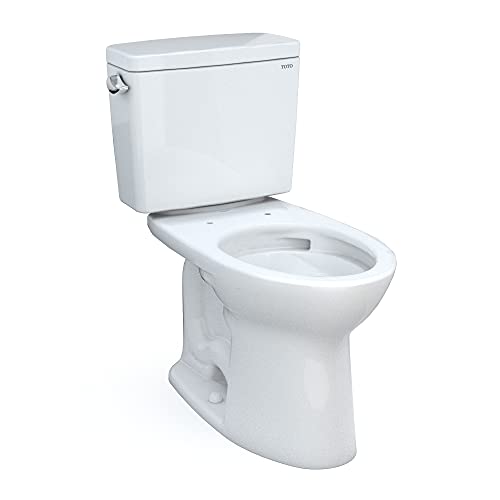
The TOTO Drake is one of the best toilets for preventing the clog-driven overflows that plague older bowls. It clears a full 1,000 grams on independent MaP testing at 1.28 GPF, and its 3-inch flush valve and wide, fully glazed 2-inch trapway move waste through in one decisive flush instead of letting it lodge and back up.
If your overflows trace back to a bowl that clogs under everyday use, these three models pair high independent MaP scores with wide trapways and deep, positive owner track records, which makes them safe upgrades from a clog-prone toilet. Each one addresses a different priority.
Best Clog Resistance
TOTO Drake
Wide glazed trapway that resists overflow clogs
A top-tier 1,000 gram MaP score, a 3-inch flush valve and a fully glazed 2-inch trapway clear waste in one pass, which is exactly what stops the lodged clogs that cause overflows, all at 1.28 GPF.
Check price on Amazon
Best for Heavy Use
American Standard Champion 4
Oversized valve and trapway for busy bathrooms
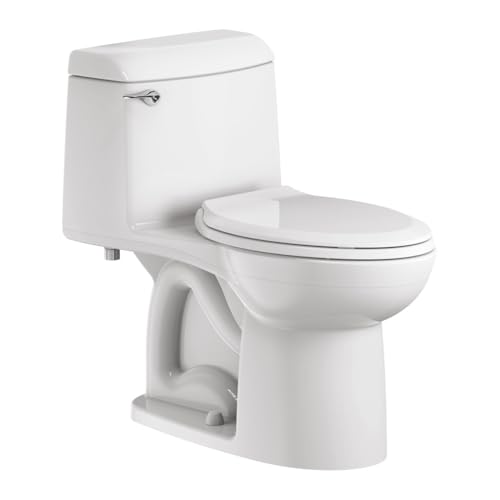
An oversized flush valve and an extra-wide trapway move a large slug of water fast, which makes the Champion 4 a strong pick for households where overflow has gone hand in hand with frequent clogs.
Check price on Amazon
Best Value Upgrade
Kohler Cimarron
Strong Class Five flush at an accessible price
Kohler's Class Five flush engine pulls waste through with real force at 1.28 GPF, and the Cimarron pairs that clearing power with a clean comfort-height bowl that suits most family bathrooms prone to clog backups.
Check price on Amazon
How clog-resistant toilets compare for overflow prevention
If you are choosing a replacement specifically to end repeated clog overflows, the table below compares the leading clog-resistant options on the specs that actually predict clearing strength. The Drake is marked as the overall winner for clog resistance and value together.
What is a good MaP score for preventing overflow clogs?
A good MaP score for preventing the clogs that cause overflows is 800 grams or higher, with 1,000 grams being the top of the scale and the target for busy family bathrooms. Scores below about 350 grams indicate a weak flush that clogs and backs up easily. MaP independently measures how many grams of solid waste a toilet clears in a single flush.
MaP testing, run by the Maximum Performance program, is the most reliable public indicator of whether a toilet will clog and overflow, because it uses a standardized waste-clearing test rather than marketing claims. When you shop, treat the MaP number the way you would treat a horsepower figure: it is the closest thing to an objective clog-resistance rating. A 1.28 GPF toilet that scores 1,000 grams clears as much as the best older 1.6 GPF models while using a fifth less water per flush, which is why modern high-MaP toilets both overflow less and cost less to run. For models ranked specifically on clearing power, see our guide on the best toilet for frequent clogs.
Why does my toilet keep overflowing even after I unclog it?
A toilet that overflows again right after you clear it usually has a deeper blockage in the drain line, a clogged vent stack, or a main sewer backup rather than a simple trapway clog. It can also be a weak, low-MaP bowl that re-clogs under normal use. If several fixtures back up at once, suspect the drain or main line, not the toilet.
The key distinction is between a one-time clog and a recurring backup. Plunging clears the trapway, but if the real restriction sits further down the drain or in the vent, the next normal flush backs up again because the underlying obstruction never moved. Watch for the wider signs: other drains gurgling, the tub filling when you flush, or a smell. Those point downstream. If the toilet alone clogs repeatedly with ordinary use and tests low on MaP, the bowl design is the limit and a replacement is the lasting answer. For the full diagnostic on chronic clogging, our guide on why your toilet keeps clogging covers each cause in order.
Editorial Take
Our honest advice on the buy-versus-fix call is to weigh the age and MaP score of your current toilet against how often it backs up. If your toilet is a pre-2000 low-flow model and you are plunging it every week, you are spending time and stress to keep a fundamentally weak bowl alive. At that point the smarter move is a high-MaP 1.28 GPF replacement like the Drake or UltraMax II, which clears waste in one pass, ends the recurring overflow, and lowers your water bill at the same time. Keep a flange plunger and a closet auger on hand regardless, because even the best toilet meets the occasional flushed object.
Putting it all together
Stopping a toilet overflow is a process of elimination, and the order matters. Shut the supply valve the moment water rises, plunge the trapway with a flange plunger, and run a closet auger if the clog is stubborn. If the tank is the source, lower the float or replace the fill valve, and free or swap a stuck flapper. Rule out a blocked drain, a clogged vent, and a main sewer backup when more than one fixture is involved. Those steps end the large majority of overflows for free or a few dollars. If the toilet clogs and overflows again and again under normal use, the bowl design is the limit, and a modern high-MaP toilet from TOTO, Kohler, American Standard, Woodbridge, Swiss Madison, or Gerber is the lasting fix.
Keep reading
Related guides
FAQ
Frequently asked questions
? How do I stop a toilet from overflowing immediately?
Turn the shutoff valve on the wall behind the toilet clockwise until the water stops. If the valve is stuck or missing, take the tank lid off and press the rubber flapper down by hand to seal the tank, then lift the float arm to shut off the fill valve. Both methods stop new water within seconds so the bowl can settle.
? Why did my toilet overflow when I flushed?
The bowl could not empty fast enough, almost always because a clog in the trapway or drain blocked the exit. The flush added more than a gallon to a bowl that had no way to drain it, so the level rose past the rim. Less often, a blocked vent or a fill valve that would not shut off added water on top of a slow drain.
? Should I keep flushing if my toilet is overflowing?
No. Each flush adds more than a gallon of water to a bowl that cannot drain, which makes the spill worse. Stop flushing, shut off the supply valve, let the bowl level settle, and then work on the clog. Flushing again only after the blockage is cleared and the water has receded is the safe sequence.
? What kind of plunger works best for an overflowing toilet?
A flange plunger, the type with an extended rubber sleeve that folds out of the cup, seals the bowl outlet far better than a flat cup plunger meant for sinks. Insert it to cover the hole, push gently to expel air, then pump with firm full strokes while keeping the seal. The pressure usually dislodges a trapway clog within a dozen strokes.
? Can a toilet overflow without being clogged?
Yes. A fill valve that fails to shut off, or a float set too high, pours water continuously into the overflow tube and bowl, and if the drain is even slightly slow the level can rise over the rim. A stuck flapper or flush handle that keeps the tank emptying and refilling does the same. In these cases the drain is fine but too much water is entering.
? Why does my toilet overflow when I run the washing machine or shower?
That points to a shared drain or main-line blockage rather than a problem inside the toilet. When another fixture sends water down a partly blocked line, it backs up into the toilet, usually the lowest opening on that drain. Multiple fixtures acting up together means you need to clear the branch drain or main line, not just plunge the bowl.
? Can a clogged vent pipe make a toilet overflow?
Yes. The vent stack through the roof lets air into the drain so water flows freely. If it is blocked by leaves, a nest, or ice, the bowl drains sluggishly and a normal flush can back up even with nothing clogged inside the toilet. A telltale sign is several fixtures draining slowly with a gurgling sound. Clearing the vent restores normal flow.
? Is it safe to use chemical drain cleaner on an overflowing toilet?
No. Drain cleaners are made for sink and shower lines, they sit in the standing bowl water without reaching the clog, and the trapped caustic can crack the porcelain or burn you when you plunge. Use a flange plunger first and a closet auger for stubborn clogs. Those clear a trapway blockage more reliably and far more safely.
? What is a closet auger and when do I need one?
A closet auger is a toilet-specific snake with a protective sleeve that feeds a flexible cable into the trapway without scratching the porcelain. Use it when plunging fails to clear the clog, since it reaches deeper into the trapway and the start of the drain line. Crank it in, hook or break up the blockage, and withdraw it slowly.
? Why does my toilet overflow again right after I unclog it?
The real blockage is probably deeper than the trapway, in the drain line, the vent, or the main sewer, so the next normal flush backs up again. It can also be a weak, low-MaP bowl that re-clogs easily. Look for other drains gurgling or backing up, which points downstream. A toilet that re-clogs under ordinary use often needs replacing.
? How do I know if the overflow is from a main sewer backup?
The signs are unmistakable: several fixtures back up at once, dirty water or sewage rises in tubs and showers when you flush or run water, and there is a foul smell. The toilet is just the lowest exit point, not the cause. Stop using all water in the house and call a plumber or your utility, since a main-line backup can be a health hazard.
? Can a flushed object like a toy cause an overflow?
Yes, and it is a common cause in homes with young children. A toy, toothbrush, or similar object lodges in the narrow trapway and blocks the exit so the bowl cannot empty. A plunger sometimes moves it, but often a closet auger is needed to hook it, and occasionally the toilet must be removed to retrieve the object from the trap.
? Are flushable wipes safe to flush without causing overflows?
No. Despite the label, wipes do not break down like toilet paper and they snag in the trapway and drain, building up until the toilet backs up and overflows. They are a leading cause of recurring clogs and drain-line blockages. Throw wipes in the trash rather than flushing them, even the ones marketed as flushable.
? How can I prevent my toilet from overflowing in the future?
Flush only waste and toilet paper, never wipes or sanitary products, and use a moderate amount of paper rather than a large wad at once. Keep a flange plunger and a closet auger on hand, and learn where your shutoff valve is and that it turns freely. If the toilet still clogs often, upgrade to a high-MaP bowl with a wide trapway.
? What MaP score should I look for to avoid clog overflows?
Aim for at least 800 grams, with 1,000 grams being the top of the scale and the target for a busy family bathroom. MaP testing independently measures grams of waste cleared per flush, so it is the most reliable public indicator of clog resistance. A 1.28 GPF model scoring 1,000 grams clears as much as the best older 1.6 GPF toilets while saving water.
? Does a wider trapway really prevent overflows?
Yes. The trapway is the narrowest point in the toilet and the place clogs lodge, so a wider, fully glazed trapway of 2 inches or more lets waste pass through cleanly instead of catching and backing up. Many of the most clog-resistant toilets, including the TOTO Drake, pair a wide glazed trapway with a 3-inch flush valve for exactly this reason.
? Will the water on my floor damage anything after an overflow?
It can, so mop up clean overflow water quickly and dry the area to prevent damage to flooring and the ceiling below. If the water contained sewage from a main-line backup, treat it as a biohazard: wear gloves, disinfect surfaces, and consider professional cleanup. Acting fast limits both the water damage and any odor that sets in.
? When should I replace a toilet that overflows repeatedly instead of fixing it?
Replace it when you have confirmed the drain, vent, and main line are clear, yet the toilet still clogs and overflows under normal use. That points to a weak bowl design, often an older low-MaP model. Upgrade to a toilet rating 800 grams or higher on MaP with a wide glazed trapway and a WaterSense 1.28 GPF rating for a lasting fix.
? Which brands make the most clog-resistant toilets?
TOTO leads on independent MaP scores with the Drake, Drake II, and UltraMax II all reaching 1,000 grams through wide glazed trapways. American Standard's Champion 4 and Kohler's Class Five models also clear waste powerfully, while Woodbridge, Swiss Madison, and Gerber offer strong 1.28 GPF options at more accessible prices. Compare the published MaP score and trapway width within any brand rather than assuming a name guarantees clog resistance.
Sources
- EPA WaterSense, epa.gov/watersense
- MaP (Maximum Performance) flush testing, map-testing.com
- Manufacturer published specifications (TOTO, Kohler, American Standard)
Our Verdict
The first move in any overflow is the shutoff valve behind the toilet, turned clockwise to stop the water. From there, work the causes in order: plunge the trapway, auger a stubborn clog, correct a tank that overfills, and rule out a drain, vent, or main-line backup when several fixtures act up. Those steps end nearly every overflow for free or a few dollars. If the toilet clogs and overflows again and again, the bowl design is the limit, and a high-MaP upgrade like the TOTO Drake at 1,000 grams and 1.28 GPF clears waste in one pass and ends the problem permanently. Confirm the rough-in matches yours and check the current price on Amazon before you order.