


Best Art Deco Bathroom Vanities (2026)
Bathroom Remodeling4.6
Stepped fronts, symmetrical geometric cabinetry and polished brass hardware that bring 1920s glamour to a modern vanity, without giving up soft-close storage.
Read the guideA practical guide to understanding permit requirements, what triggers an inspection, and how to avoid costly code violations during your bathroom renovation.
Research updated June 2026.
Most bathroom remodels require a permit if you move or add plumbing, alter electrical wiring, or change structural elements. Simple cosmetic updates like replacing a toilet, vanity, or tile do not need a permit. When in doubt, call your local building department before work begins.
Permits are one of the most misunderstood parts of a bathroom remodel. Many homeowners skip them hoping to save time and money, only to face stop-work orders, fines, or complications when selling the home. Others pull permits for cosmetic updates that do not need them at all, wasting days on unnecessary inspections.
This guide walks through exactly when a permit is legally required, which types of work are commonly exempt, how the inspection process works, and what happens if you skip a required permit. The goal is to give you a clear decision framework before your contractor picks up a single tile.
A building permit is an official approval from a local government authority that allows construction or renovation work to proceed. Permits exist to ensure that work meets building codes, which are safety standards covering structural integrity, electrical systems, plumbing, fire safety, and ventilation. An inspection confirms the work was done correctly before walls are closed up.
Building codes in the United States are largely based on model codes such as the International Residential Code (IRC), the International Plumbing Code (IPC), and the National Electrical Code (NEC). Local jurisdictions adopt and sometimes modify these codes, which is why permit requirements vary by city and county.
The permit process creates a paper trail that documents your home's systems. When you sell the house, buyers and their inspectors can see permitted work. Unpermitted work that is discovered during a sale can kill the deal, require you to tear open walls, or force retroactive permits with penalties attached.
Licensed contractors almost always include permit costs in their bids because they know what triggers code compliance. If a contractor tells you a major plumbing relocation does not need a permit, treat that as a red flag. Permits protect homeowners, not just municipalities.
Work that requires a permit generally falls into three categories: plumbing changes (moving, adding, or removing drain lines and supply lines), electrical changes (adding circuits, moving outlets, or installing exhaust fans on new wiring), and structural changes (removing or modifying walls, altering joists, or changing the room layout). Cosmetic replacements that use existing rough-in locations typically do not require a permit.
The following breakdown covers the most common bathroom remodel tasks and their typical permit status. Always confirm with your local building department because rules differ by jurisdiction.
| Task | Permit Typically Required? | Why |
|---|---|---|
| Replace toilet (same location) | No | Cosmetic swap, existing rough-in used |
| Replace vanity or sink (same location) | No | No change to supply or drain lines |
| Replace flooring or tile | No | Non-structural cosmetic work |
| Replace faucets or showerhead | No | Fixture swap, no supply line changes |
| Replace mirror or towel bars | No | Decorative work only |
| Move toilet to new location | Yes | Requires new drain and supply rough-in |
| Add a toilet (new bathroom) | Yes | New plumbing, structural, and electrical work |
| Move or add sink | Yes | Plumbing rough-in change |
| Install bathtub or shower where none existed | Yes | New drain lines, waterproofing, and structural support |
| Convert tub to walk-in shower | Yes in most jurisdictions | Drain relocation, new waterproof membrane |
| Install exhaust fan (new wiring) | Yes | New electrical circuit required |
| Add GFCI outlet | Yes | Electrical work near water source |
| Remove a load-bearing wall | Yes | Structural change requiring engineering review |
| Add a window (new opening) | Yes | Structural modification to exterior |
| Heated floor (new electrical) | Yes | New electrical circuit or subpanel work |
Notice the pattern: if the work uses an existing connection at the same location without adding new circuits or altering structural elements, a permit is usually not required. The moment you move a fixture, add wiring, or touch load-bearing elements, a permit almost always becomes mandatory.
In nearly all U.S. jurisdictions, replacing a toilet at the same rough-in location does not require a permit. The existing drain flange, water supply line, and floor structure remain untouched, so no code compliance inspection is triggered. The exception is if the building is under a historic preservation district with special cosmetic rules.
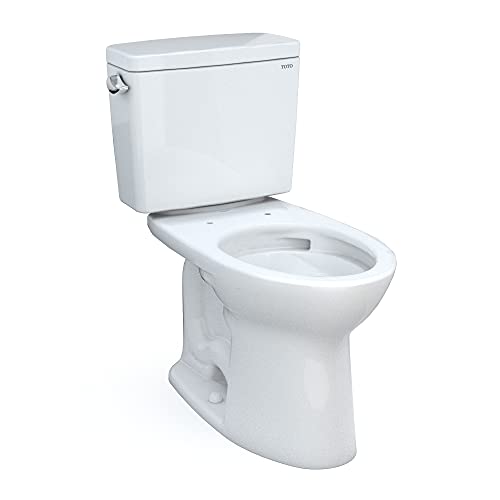
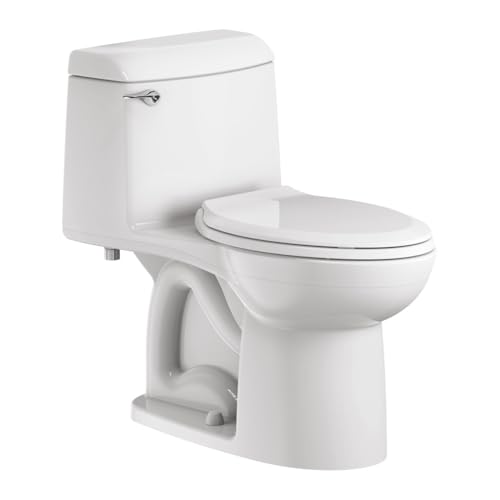
This is one of the most common questions homeowners ask, and the answer is almost universally no. Swapping out an old toilet for a modern high-efficiency model such as the TOTO Drake II, Kohler Highline, or American Standard Champion 4 does not require a permit when the rough-in distance (typically 12 inches from the wall to the center of the drain) remains the same.
That said, when installing a new toilet you should be aware of a few code-relevant considerations even without a permit:
For detailed guidance on choosing a high-performance model, see our guide to the best flushing toilets rated by MaP flush score and water efficiency.
Replacing a toilet is one of the few true DIY-friendly plumbing tasks. Turn off the supply valve, flush and sponge out the tank, disconnect the supply line, unbolt the base, and lift it free. Set the new wax ring, lower the new toilet, and torque the bolts hand-tight plus a quarter turn. Reconnect the supply line, restore water, and confirm there are no leaks at the base or supply connection before closing the bathroom. No permit needed, and the whole job typically takes under two hours.
Skipping a required permit can result in stop-work orders, fines ranging from a few hundred to several thousand dollars, required demolition of completed work, failed home inspections during a sale, and potential insurance coverage denial if unpermitted work contributed to a loss. Lenders may also refuse to finance a home with substantial unpermitted work.
The consequences of unpermitted work fall into four main categories:
When a building inspector or code enforcement officer identifies unpermitted work in progress, they can issue an immediate stop-work order. Fines vary widely by jurisdiction but commonly range from $100 to $500 per day until a permit is obtained. Some cities in California, for example, charge double or triple the standard permit fee as a penalty for after-the-fact permits.
In serious cases, an inspector may require you to open walls and ceilings to expose the unpermitted work so it can be inspected. If the work does not meet code, you may have to tear it out and redo it. This turns a cost-saving shortcut into an expensive nightmare.
When you sell your home, you are legally required to disclose known unpermitted work in most states. Buyers' real estate attorneys and home inspectors look for permits when reviewing what was done to the property. Unpermitted additions or bathroom remodels can reduce a home's appraised value, trigger renegotiations, or cause a sale to fall through entirely.
If a flood, fire, or structural failure is linked to unpermitted plumbing or electrical work, your homeowner's insurance company may deny the claim on the grounds that the work was not code-compliant. This is a financial risk that far exceeds the cost of the permit itself.
Bathroom remodel permits typically cost between $50 and $500 for residential projects, though the range can be wider in high-cost cities or for larger scope work. Fees are usually calculated as a percentage of the project's estimated value or as flat fees per trade. A full bathroom gut and remodel involving plumbing, electrical, and structural work may require separate permits for each trade.
Here is a general breakdown of permit costs by project type and geography:
| Project Type | Typical Permit Cost (Residential) | Trades Involved |
|---|---|---|
| Cosmetic update only | No permit required | None |
| Plumbing fixture relocation | $50 - $200 | Plumbing |
| Electrical additions | $75 - $250 | Electrical |
| Full bathroom remodel | $150 - $500+ | Plumbing, Electrical, Building |
| New bathroom addition | $300 - $2,000+ | Plumbing, Electrical, Structural, Building |
The permit fee is almost always a small fraction of total project cost. On a $15,000 bathroom remodel, a $300 permit represents 2% of the budget and provides legal protection worth far more than that. Think of it as a cheap form of quality assurance.
To apply for a bathroom remodel permit, contact your local building department (sometimes called the planning department or permit office), submit project plans or a description of scope, pay the permit fee, and schedule inspections at required stages of the work. Many jurisdictions now offer online permit applications and digital plan review, which can speed up the process significantly.
The permit application process typically follows these steps:
The rough-in inspection is the most important checkpoint in any permitted bathroom project. This is the only opportunity for an inspector to see the plumbing drain slopes, vent connections, subfloor condition, and electrical rough-in before they are concealed behind tile and drywall. Do not close up any walls until you have the rough-in inspection sign-off in hand. Skipping this step defeats the entire purpose of pulling a permit.
In most states, licensed contractors are legally required to pull permits for work they perform, and doing so is standard practice. The permit is typically listed as a line item in the contract. Homeowners who act as their own general contractor can pull permits themselves in most jurisdictions, but must take on the legal responsibility that the work meets code.
When hiring a contractor for a bathroom remodel, ask these questions before signing:
A reputable contractor will welcome these questions. A contractor who resists pulling permits or suggests doing work "off the books" to save you money is exposing you to all the risks described above, while protecting themselves from liability by leaving you holding the bag.
If your bathroom project involves installing or replacing toilets and you want guidance on water efficiency requirements, our water-saving toilets guide covers EPA WaterSense certification, GPF requirements by state, and the top-performing models from TOTO, Kohler, American Standard, Woodbridge, and Gerber.
Work commonly exempt from permits includes replacing toilets, sinks, faucets, and showerheads at existing locations; replacing flooring, tile, or countertops; repainting; replacing mirrors, towel bars, and accessories; and swapping out an exhaust fan without adding new wiring. The key is that exempt work does not alter the plumbing, electrical, or structural systems.
Most building codes follow the principle that maintenance and like-for-like replacements do not require permits. The IRC and most local codes define permit exemptions broadly as "ordinary repairs" that do not affect structural, plumbing, mechanical, or electrical systems.
Common exempt bathroom tasks include:
Even for permit-exempt work, you are still responsible for ensuring the installation meets manufacturer specifications and that plumbing connections are watertight. A toilet that rocks or leaks at the base can cause subfloor rot and mold regardless of whether a permit was required.
Standard permit rules apply in most situations, but a few special circumstances add layers of complexity worth knowing about.
Homes in a historic district may require approval from a Historic Preservation Commission in addition to standard building permits. Even cosmetic changes to visible elements like window styles, exterior siding, or bathroom window placement can require review. Check with your local historic preservation office before any project in a designated district.
Homeowners association rules are separate from building permits but can restrict the scope or appearance of bathroom remodels. Some HOAs require advance approval for any work that changes the footprint of a bathroom, adds a window, or alters plumbing stack penetrations into shared walls or floors in condominiums. Building permits do not override HOA rules, and HOA approval does not override building permits. You may need both.
Landlords remodeling rental units must comply with all permit requirements and may face additional inspection requirements under local housing codes. Failure to obtain permits for rental unit work can affect habitability certifications and expose landlords to liability if tenants are harmed by unpermitted electrical or plumbing work.
Permit requirements apply equally to second homes and vacation properties. Some rural jurisdictions have limited permit offices with longer processing times, but permits are still required for the same scope of work. In popular vacation areas with strict short-term rental regulations, unpermitted work can jeopardize a rental license.
For bathroom remodels in condominiums, the building permit is just one layer of approval needed. Many condo associations require board approval and a licensed plumber for any work touching common plumbing stacks. The association's master insurance policy may also have requirements about waterproofing methods in wet areas. Always request the association's construction rules document before starting any bathroom project in a multi-unit building.
Permit requirements are enforced at the county or city level. Here is how to find your local office:
Many permit offices will give you a free pre-application consultation. You describe the scope of your project and they tell you what permits and inspections are required. This 15-minute call can save you significant time and money.
Even without a permit, toilet replacement is subject to state and local water efficiency codes. Most states have adopted laws requiring that new toilet installations use models rated at 1.28 gallons per flush (GPF) or lower. California, Texas, Georgia, and several other states have had 1.28 GPF maximums in place for years. Some cities go further with 1.0 GPF requirements for commercial properties.
The EPA WaterSense program certifies toilets that flush at 1.28 GPF or less while still meeting the MaP (Maximum Performance) flush testing threshold of 350 grams of solid waste. The best WaterSense-certified toilets exceed that threshold significantly:
| Model | GPF | MaP Score | WaterSense | Check Price |
|---|---|---|---|---|
| TOTO Drake II | 1.28 | 1,000g | Yes | Check price |
| TOTO UltraMax II | 1.28 | 1,000g | Yes | Check price |
| Kohler Highline Arc | 1.28 | 800g | Yes | Check price |
| American Standard Champion 4 | 1.6 | 1,000g | No (1.6 GPF) | Check price |
| American Standard Cadet 3 | 1.28 | 800g | Yes | Check price |
| Woodbridge T-0001 | 1.28 / 0.8 | 600g+ | Yes | Check price |
| Swiss Madison Sublime II | 1.28 / 0.8 | N/A | Yes | Check price |
| Gerber Avalanche | 1.28 | 800g | Yes | Check price |
If your state mandates 1.28 GPF or lower, installing a 1.6 GPF toilet violates the water code even without a permit requirement for the swap itself. American Standard's Champion 4, a strong performer with a 1,000g MaP score, still runs at 1.6 GPF and is not legal for new installation in water-restricted states. Check your state's plumbing code or consult our high-efficiency toilet guide for state-specific requirements.
For a head-to-head look at how the TOTO Aquia IV dual-flush system compares to single-flush 1.28 GPF options, see our dual flush vs single flush comparison.
Use this quick decision checklist before starting any bathroom work:
If you answered yes to any of the first four questions, contact your local building department before work starts. The cost and time of a permit is nearly always less than the cost of fixing unpermitted work or dealing with a failed home sale.
For guidance on choosing the right replacement toilet for your bathroom layout, see our toilet rough-in measurement guide, which covers standard 12-inch, 10-inch, and 14-inch rough-in configurations to ensure a perfect fit.
Most homeowners can replace toilets, faucets, and vanities without a permit, but any project involving moving plumbing, adding electrical circuits, or altering walls requires one. Permits are not bureaucratic hurdles -- they are legal protection for your home's value and your family's safety. The permit fee is almost always the cheapest line item in any remodel budget.
In almost all U.S. jurisdictions, replacing a toilet at the same rough-in location does not require a permit. This counts as ordinary maintenance or a like-for-like replacement. No plumbing lines are moved, and no electrical work is involved.
Usually yes. Converting a bathtub to a walk-in shower typically requires relocating the drain and installing new waterproofing. Most jurisdictions require a plumbing permit for the drain work and a building permit for the tile and waterproof membrane installation.
In most states, a homeowner can pull their own permit and perform plumbing work in their primary residence. Commercial properties and rental units often require a licensed plumber. Check your state's plumbing license laws before proceeding.
Simple permits for plumbing or electrical work are often approved over the counter or within one to three business days in most jurisdictions. Complex projects with structural changes or new additions can take two to six weeks for plan review.
You are legally required to disclose known unpermitted work in most states. Buyers may renegotiate the price, require you to obtain retroactive permits (which may involve opening walls), or walk away from the deal. Lenders may also refuse to finance the purchase.
A basic bidet attachment that connects to the existing supply line does not require a permit. An electric bidet seat that requires a dedicated electrical outlet may require an electrical permit if a new outlet or circuit needs to be installed.
Replacing an existing exhaust fan with a same-capacity unit using existing wiring generally does not require a permit. Installing a new exhaust fan where none existed, or upgrading to a unit that requires a new circuit, typically requires an electrical permit.
No. Replacing tile, flooring, or countertops is considered cosmetic work and does not require a permit in any standard U.S. jurisdiction, as long as you are not modifying structural elements like floor joists or removing waterproofing membranes without replacing them properly.
Yes, always. Adding a bathroom anywhere in the home requires permits for plumbing, electrical, and likely structural work. A basement bathroom addition also involves ejector pump or sewage grinder pump installation if the drain is below the sewer line, which adds to the scope and inspection requirements.
A licensed contractor who agrees to perform permitted work without pulling a permit risks losing their license and can be held liable for code violations. Most reputable contractors will refuse, both because of professional risk and because the homeowner bears significant legal and financial exposure if the work is later discovered.
WaterSense certification is a water efficiency designation, not a permit requirement. However, several states and cities require that new toilet installations meet the 1.28 GPF WaterSense threshold as part of their plumbing code. A permit inspector may verify GPF compliance when inspecting a toilet relocation or new installation.
Contact your local building department and ask for a permit history for your address. Most jurisdictions maintain records of all permits issued and final inspections passed. Some offer online permit lookup tools. If no permits are on record for obvious remodel work, the work may be unpermitted.
Yes. Most jurisdictions allow after-the-fact permits, often called retroactive or amnesty permits, though they typically cost more than standard permits. An inspector will likely require you to open walls or ceilings to inspect the work. If it does not meet code, you must bring it into compliance before the permit is approved.
Water heater replacement almost always requires a permit in the United States, regardless of whether it serves a bathroom, kitchen, or laundry area. A permit ensures the new unit is properly vented, connected to gas or electrical supply safely, and equipped with a temperature and pressure relief valve.
For reliable clog resistance, look for a MaP score of 600g or higher. Top performers like the TOTO Drake II, TOTO UltraMax II, and American Standard Champion 4 all achieve the maximum 1,000g MaP score. The EPA WaterSense minimum for certification is a 350g performance threshold, but high-traffic households should aim for 600g to 1,000g.
Moving a toilet even a few inches requires relocating the drain flange, which means opening the floor and modifying drain plumbing. This is permit-required work in virtually all jurisdictions, regardless of how small the distance. There is no de minimis exception for plumbing moves.
A permit ensures the work is inspected against code at critical stages, but it is not a guarantee of perfection. Code represents the minimum legal standard, not best practice. A knowledgeable inspector catches serious safety and functionality issues, but the quality of workmanship still depends on the skill of the contractor.
The type of bathroom does not change permit requirements. A half bath with a toilet and sink, a three-quarter bath with a shower, and a full bath with a tub all follow the same rule: any work that moves plumbing, adds electrical circuits, or alters structural elements requires a permit regardless of bathroom size or type.
How we rank & our data sources
We do not run physical lab tests. Rankings are built from published, verifiable data and real owner feedback, never paid placement.
Researched by Marcus Bell · Last updated June 30, 2026 · Our review method
Stepped fronts, symmetrical geometric cabinetry and polished brass hardware that bring 1920s glamour to a modern vanity, without giving up soft-close storage.
Read the guideEverything involved in swapping an old bathroom vanity for a new one, from planning and demolition through disposal, wall repair, and reinstalling…
Read the guide
Freestanding soaking tubs in light, natural finishes built to feel like the centerpiece of a sunlit, plant-filled bathroom rather than a purely…
Read the guide