Yellow toilet water is alarming the first time you see it, but the vast majority of cases trace to iron or minerals in the supply, corrosion on aging tank parts, hard-water buildup on worn porcelain, or simply unflushed urine. None of those are emergencies. This guide walks through every cause in the order a plumber would check them, explains how to identify which one you have in minutes, and shows when a chronically stained toilet is worth replacing rather than scrubbing again.
Quick Answer
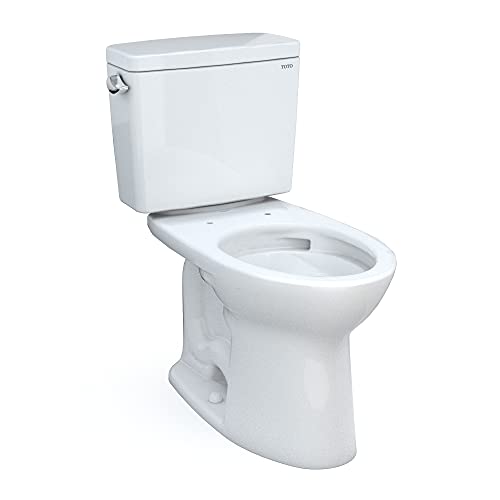
Toilet water turns yellow most often because dissolved iron in the water supply oxidizes once it reaches the bowl, or because rusting tank bolts and a galvanized supply line shed particles into the tank. If other fixtures are also tinted, treat the iron at the source. If only this toilet is affected, replace the corroding parts. When the glaze itself is worn and staining returns within days, upgrading to the TOTO Drake with CeFiONtect ceramic glaze at a 1,000-gram MaP score solves the staining problem long-term at 1.28 GPF.
Yellow toilet water is one of the most common color complaints homeowners raise, and it is rarely the disaster it looks like. The yellow tint can appear in the bowl, in the tank, or in both, and each cause leaves a slightly different signature. Once you know what to look for, you can usually identify the source in a few minutes without tools. This guide compares how bowls and water systems are engineered, the published specifications that predict staining and corrosion resistance, and the patterns that show up consistently across aggregated owner reviews. For broader context on glazing and flush engineering, see the best flushing toilets guide.
Start here. Run cold water at a nearby sink or tub for thirty seconds and look at it in a clear glass. If that water is also yellow or tinted, the problem is your water supply, not the toilet. If the sink water runs clear but the toilet water is yellow, the issue is inside the toilet itself, the tank, the bowl, or the supply line. That single test splits every cause below into two families and points you straight to the right section.
Why is my toilet water yellow?
Toilet water turns yellow most commonly because of iron and mineral content in the water supply, rust forming inside an aging metal tank component or galvanized supply line, hard-water mineral staining baked into worn porcelain, or diluted urine left unflushed. Iron in well water and corroding internal parts are the two leading causes. Checking whether other fixtures are also discolored tells you which family you are dealing with in under a minute.
Each cause leaves a different fingerprint. Iron in the supply produces a tint at every faucet, worst after water has sat overnight. Rust from a corroding tank bolt, flapper chain, or galvanized supply line shows up in only one toilet and leaves orange streaks on the porcelain. Hard-water staining clings below the waterline and returns even after cleaning because minerals have bonded to worn glaze. Diluted urine is a faint, temporary yellow that flushes away cleanly. Knowing which signature you see is the whole diagnosis.
How do I tell what is causing yellow toilet water?
Diagnose yellow toilet water by checking where the color appears. If the water is yellow at sinks and tubs too, the cause is your water supply, usually iron. If only the toilet is affected, lift the tank lid: yellow tank water with orange streaks points to internal rust, while a clear tank but a stained bowl points to hard-water mineral buildup on the porcelain. Faint yellow that flushes clean is simply diluted urine.
Work through the checks in order. First, the whole-house test separates a supply problem from a toilet problem. Second, lift the tank lid: clear tank water points to hard-water buildup in the bowl; yellow or rusty tank water with orange streaks down the porcelain means a metal part inside is corroding. Third, scrub a stained patch with a non-scratch pad. If the yellow lifts, it is surface buildup; if it stays, the glaze is worn and the stain has bonded into it. These three checks identify almost every case.
Tip. Fill a clean glass from the cold tap and leave it for two hours. If sediment settles or the yellow deepens, you have iron in the supply. Water that stays clear in the glass but still tints the toilet points to rusting parts or a stained bowl, not the incoming water.
The common causes of yellow toilet water
These causes are ordered from most to least common. Most yellow-water cases trace to one of the first three. Work through them and stop as soon as the signature matches what you see.
Cause 1: Iron and minerals in the water supply
Iron is the leading cause of yellow toilet water in homes on well water and in many areas with older municipal mains. Dissolved iron is invisible while pressurized in the pipe, but once it reaches the tank and bowl and contacts air, it oxidizes and turns yellow, orange, or rust-colored. This is why the tint often looks worse in the toilet than at a fast-running faucet: the water sits still in the tank and bowl long enough to oxidize fully. The telltale sign is that other fixtures share the same tint, and the discoloration is worst after the water has been standing, such as the first flush of the morning or the first flush after a vacation.
Iron is a nuisance rather than a health hazard at typical residential levels, but it stains everything it touches, including laundry and porcelain. The lasting fix is a whole-house iron filter or water softener with iron removal, sized to your water test results. A certified home test kit or municipal report confirms iron content and guides the right treatment.
Cause 2: Rust from corroding tank parts or supply lines
If only one toilet is affected and the tank water is yellow, a metal part inside the system is corroding. Common suspects are tank bolts, an old metal fill valve, a steel flapper chain, or a galvanized supply line. These parts shed orange particles into the tank water, which then streak the porcelain. Lift the tank lid and inspect the bolts, chain, and valve for rust film. A corroded galvanized supply line tints only the water entering that specific toilet.
The fix is to replace the corroding part. A toilet repair kit swaps the flapper, chain, and fill valve for plastic and stainless components that will not rust, while brass tank bolts replace steel ones. A braided stainless steel supply line replaces an old galvanized one. Once the rusting metal is gone, the yellow tint in the tank disappears.
Avoid this mistake. Do not use bleach on rust staining. Chlorine bleach sets iron stains deeper into the porcelain and does nothing to stop the corrosion that feeds them. Use an oxalic-acid rust remover for the stains, then replace the rusting part. Bleach tablets in the tank also accelerate breakdown of rubber and metal parts.
Cause 3: Hard-water staining on the porcelain
Hard water carries dissolved calcium, magnesium, and often iron. As the water evaporates at the bowl waterline and dries on the porcelain, those minerals are left behind and gradually bond to the surface as a yellow, tan, or brown stain. On a newer bowl with intact glaze the stain wipes off easily, but on an older bowl with a worn or pitted glaze the minerals lodge into the microscopic roughness and the yellow returns within days no matter how hard you scrub. This is the classic stain ring that clings just below the waterline and around the bowl.
Light hard-water staining responds to white vinegar and a non-scratch pad. Heavier set-in staining needs an acidic cleaner. Once a bowl's glaze is worn, staining accelerates and never fully stops, which is why an old, chronically stained bowl is a replacement candidate. Modern engineered glazes such as TOTO's CeFiONtect resist mineral bonding far better. Our guide to the best toilets for home use covers reliable, easy-to-clean picks for hard-water conditions.
Cause 4: Diluted urine left in the bowl
Urine sitting in the bowl in water-saving households tints the standing water faintly yellow until flushed. This is temporary, never stains a healthy glaze, and disappears completely with one flush. If the yellow clears cleanly and does not return until the bowl is used again, there is no plumbing problem. A weak flush that leaves more residue can look the same, so a yellow tint plus a poor flush may point to a flush performance issue.
Cause 5: Bacteria, biofilm, or water-main disturbance
Bacteria or biofilm in a rarely used toilet can tint standing water and leave a slimy ring. Sediment stirred up after water-main work or hydrant flushing usually clears on its own after running the cold tap for a few minutes. Yellow in hot water only points to the water heater anode rod corroding, not the toilet's plumbing.
Editorial Take
The whole-house test is the single most important move here. It instantly tells you whether you are dealing with a water-treatment problem or a toilet problem, and those two paths are completely different in cost. Run the cold tap at the sink, look at it in a glass, and let that one observation decide where to spend your money before you touch a single toilet part.
Quick diagnosis checklist
Working in the right order avoids treating the wrong cause. The supply test below is always the place to start.
Step
What to Check
What It Rules Out
Effort
1
Run cold water at a sink and view it in a glass
Separates supply vs. toilet as the cause
Free
2
Lift the tank lid and inspect water, bolts, and chain
Spots internal rust vs. bowl-only discoloration
Free
3
Scrub a stained patch with a non-scratch pad
Surface buildup vs. worn glaze with bonded stain
Free
4
Leave a glass of tap water for two hours to check for sediment
Confirms iron in the supply water
Low
5
Replace rusting tank parts and supply line
One-toilet rust and streaking
Low cost
6
Treat the supply with an iron filter or softener
Whole-house iron and hard-water staining
Moderate
If the yellow traces to a worn bowl that no longer comes clean, replacement is the lasting answer. Mineral buildup under the rim that restricts the flush is a related issue; our guide on the best toilets for large families covers high-traffic models built to handle iron and mineral water best.
Is yellow toilet water dangerous to drink or use?
Yellow toilet water is usually not dangerous and most often comes from harmless iron or mineral content rather than contamination. You should never drink discolored water from any tap, and if your kitchen sink is also yellow, get the water tested before consuming it. Iron and minerals are aesthetic nuisances at typical residential levels, but a sudden, persistent color change across all fixtures warrants a certified water-quality test to rule out other issues.
Yellow toilet water from iron, rust, or hard-water minerals poses no contact hazard during normal use. The concern is only when the discoloration appears in your drinking water. If the yellow is confined to the toilet and kitchen taps run clear, you are dealing with a cosmetic and plumbing issue rather than a safety one. If every tap including the kitchen is tinted after a sudden change, contact your water utility or run a certified test before drinking it.
How do I get yellow stains out of a toilet bowl?
Remove yellow toilet stains by matching the cleaner to the stain chemistry. For hard-water and mineral stains, use white vinegar or an acidic mineral cleaner with a pumice stone or non-scratch pad. For rust and iron stains, use an oxalic-acid rust remover rather than bleach, since bleach can set iron stains deeper into the porcelain. Always fix the source first, whether that is treating iron in the supply or replacing a rusting tank part, or the staining will simply return.
Mineral and hard-water deposits are alkaline, so an acid dissolves them: white vinegar for light buildup, a stronger acidic toilet cleaner for set-in deposits, and a wet pumice stone to gently abrade stubborn rings. Rust and iron stains respond to oxalic acid or a dedicated rust remover, not chlorine bleach, which permanently fixes iron stains deeper into the porcelain. After cleaning, remove the source or the stains will return.
When should I replace a stained or rusted toilet?
Replace a toilet when the bowl glaze is worn enough that yellow stains return within days no matter how you clean, when internal rust has spread beyond cheap replaceable parts, or when an old low-efficiency toilet is also flushing weakly and trapping residue that worsens staining. In most other cases, treating the water supply and swapping a few rusting parts solves yellow water at low cost and the toilet is worth keeping.
Rusting bolts, chains, and fill valves are cheap consumable parts always worth replacing first. Iron in the supply is a water-treatment fix that protects every fixture, not just the toilet. But once a bowl's glaze is worn and pitted, staining becomes permanent, and that is when a modern toilet with an engineered glaze and a strong flush pays for itself in cleaning time. If your toilet is also an older 3.5 GPF model with a weak flush that leaves residue, replacement upgrades water efficiency and stain resistance at once. Our guide on the best toilets of 2026 covers reliable picks across every budget.
Top replacements when a worn bowl is the culprit
If a worn, chronically yellowing bowl is the real culprit, these three models pair stain-resistant engineered glazes with high independent MaP scores and efficient water use, making them safe upgrades for hard-water and iron-prone homes. Each suits a different priority and all three carry EPA WaterSense certification.
Best Stain Resistance
TOTO Drake
CeFiONtect ceramic glaze resists mineral bonding
4.7
TOTO's CeFiONtect ceramic glaze creates an ultra-smooth surface that minerals and iron struggle to bond to, paired with a 1,000-gram MaP score and a powerful 1.28 GPF G-Max flush that clears the bowl fully and leaves less residue to stain.
Smooth glaze and corrosion-resistant canister valve
4.5
Kohler's Class Five canister flush valve uses corrosion-resistant components that will not shed rust into the tank, and the smooth bowl glaze resists mineral bonding at 1.28 GPF with a strong single flush backed by a 1,000-gram MaP score.
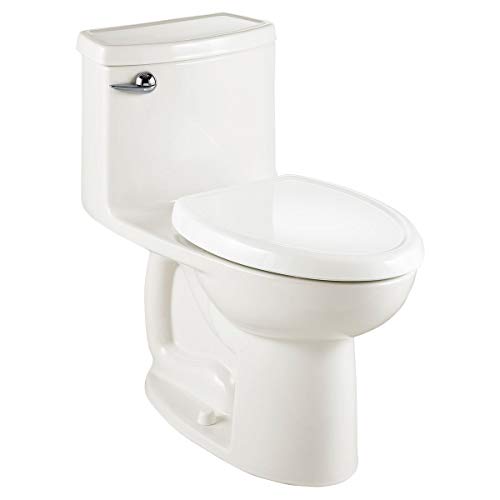
American Standard's EverClean surface inhibits mineral and bacteria bonding on the porcelain, giving a dependable, easy-to-clean bowl at 1.28 GPF WaterSense efficiency and a 1,000-gram MaP flush score that clears waste in one pull.
Can hard water turn toilet water yellow over time?
Yes, hard water is one of the most common reasons toilet bowls turn yellow over time. As mineral-rich water evaporates at the waterline, calcium, magnesium, and dissolved iron are left behind and gradually stain the porcelain. On an aging bowl with worn glaze the staining accelerates because minerals lodge into the roughened surface, which is why hard-water homes often see returning yellow rings no matter how often they clean.
Each evaporation cycle leaves a microscopic mineral layer, and over months those layers build into a visible yellow ring that bonds chemically to the glaze. A water softener removes the calcium and magnesium responsible and slows new staining across every fixture. Where softening is not practical, a bowl with a modern stain-resistant glaze and a strong flush that keeps water moving rather than sitting is the next best defense. Our guide on the best toilets for seniors highlights comfort-height models with smooth glazes that stay cleaner with less scrubbing, just as useful for hard-water homes as for accessibility.
Editorial Take
Fix the source before buying a new toilet. A replacement bowl will yellow just as fast if the water is full of iron. If a whole-house test confirms iron, treatment protects every fixture and gives the highest return. If the cause is one rusting tank bolt, a repair kit ends it. Replace only when the glaze itself is worn, and choose CeFiONtect or EverClean rather than bare porcelain that will stain again within a year.
Recommended toilets for iron-prone and hard-water homes
For homes with known iron or hard-water issues, the table below compares five proven models on the specifications that matter most for stain resistance and flush power. All five carry EPA WaterSense certification.
The TOTO Drake earns the top spot because CeFiONtect is the most thoroughly documented ceramic glaze in the industry, and aggregated owner reports consistently show it repels mineral deposits far longer than standard porcelain. Kohler's Class Five canister valve resists corrosion, keeping iron particles from staining the tank and bowl. American Standard's EverClean surface on the Cadet 3 and Champion 4 is the most affordable entry into an engineered stain-resistant glaze. For the widest view, our roundup of the best toilets for large families covers these same models under heavy-use conditions.
Putting it all together
Yellow toilet water is a process of elimination. Run the cold tap in a glass first to split supply from toilet. Tinted supply water means iron that needs treatment. Only-toilet yellow means a corroding part to swap or a stained bowl to clean. Diluted urine that flushes clean is no issue at all. Use oxalic acid for rust stains and acidic mineral cleaner for calcium, then fix the source so the color does not return. When a worn bowl is the culprit, a modern MaP-rated toilet with an engineered glaze from TOTO, Kohler, American Standard, Woodbridge, Swiss Madison, or Gerber is the lasting fix.
FAQ
Frequently asked questions about yellow toilet water
? Why is my toilet water yellow all of a sudden?
A sudden yellow tint usually points to iron or sediment stirred up in the supply after a water main break, hydrant flushing, or a vacant house letting water stand in the pipes. Run the cold tap for several minutes and check whether it clears. If other fixtures are also tinted, the cause is the supply, and a water test confirms iron content.
? Is yellow toilet water harmful?
Yellow toilet water is usually harmless and most often comes from iron, rust, or hard-water minerals rather than contamination. The exception is your drinking water: never drink discolored water from any tap, and if the kitchen sink is also yellow, get the water tested before consuming it. For normal toilet use, the discoloration is a cosmetic and plumbing issue, not a contact hazard.
? How do I know if the yellow is from my water supply or from my toilet?
Run cold water at a nearby sink and look at it in a clear glass. If that water is also yellow, the problem is your water supply, usually iron. If the sink runs clear, the issue is inside the toilet: the tank, bowl, or supply line. This single test separates the two causes in thirty seconds.
? Can rust inside the toilet tank make the water yellow?
Yes. Rusting tank bolts, a steel flapper chain, an old metal fill valve, or a galvanized supply line shed orange particles that flush into the bowl and streak the porcelain. Lift the tank lid and inspect the bolts, chain, and valve for rust film. A toilet repair kit replaces these with plastic, brass, or stainless components that will not rust.
? Does hard water turn toilet water yellow?
Hard water is a leading cause of yellow toilet staining. As mineral-rich water evaporates at the waterline, calcium, magnesium, and iron are left behind and bond to the porcelain as a yellow or tan ring. On an older bowl with worn glaze the staining accelerates and returns within days of cleaning. A water softener slows new staining across the whole house significantly.
? Why is only one toilet in my house yellow while the others are clear?
If only one toilet is affected, the cause is local to that fixture: a corroding tank part, a rusting galvanized supply line, or a worn, stained bowl. A supply-wide iron problem would discolor every toilet and faucet. Inspect the tank parts and supply line, then assess the bowl glaze.
? Why is my toilet water yellow after the house was empty for a few weeks?
Water sitting still in the pipes lets dissolved iron oxidize, so the first flush after a vacation often runs yellow or rust-colored. Run the cold tap and flush a few times to clear standing water. If yellow keeps returning during normal use, you have ongoing iron in the supply that needs treatment.
? How do I remove yellow stains from a toilet bowl?
Match the cleaner to the stain. For hard-water and mineral stains, use white vinegar or an acidic mineral cleaner with a pumice stone or non-scratch pad. For rust and iron stains, use an oxalic-acid rust remover rather than bleach. Then remove the source, whether that is treating iron in the water or replacing a rusting part, or the stains will return.
? Why does bleach not remove yellow toilet stains?
Chlorine bleach oxidizes iron and sets it deeper into the porcelain rather than lifting it. Bleach works on organic stains but not on mineral or rust deposits. Use white vinegar or an acidic mineral cleaner for calcium stains, and an oxalic-acid rust remover for iron stains.
? Can a water softener stop yellow toilet water?
A water softener removes calcium and magnesium and can be paired with iron removal. For homes where hardness and iron are the cause, softening dramatically reduces new staining across every fixture. A water test tells you whether your levels call for a softener, a dedicated iron filter, or both.
? Is yellow water in the toilet bowl from urine?
It can be, and that is the most harmless cause. Urine left in the bowl tints the standing water faintly yellow until flushed. If the color disappears completely with a flush and never stains the glaze, there is no plumbing problem. A weak flush leaving more residue can mimic this, so a yellow tint plus a poor flush may point to a flush performance issue.
? Why is my hot water yellow but the cold water runs clear?
Yellow in hot water only traces to the water heater: the steel tank or sacrificial anode rod is corroding. Drain and flush the heater and have the anode rod replaced. Toilets use cold water, so a yellow toilet bowl points elsewhere, but a yellow hot tap at the sink is a clear water-heater signal.
? Does a rusty supply line cause yellow toilet water?
Yes. An old galvanized supply line corrodes internally and tints the water entering that toilet even when the rest of the house runs clear. Replace it with a braided stainless steel supply line, an inexpensive swap, and the yellow tint disappears.
? Will a new toilet stop yellow water from coming back?
Only if the cause was a worn bowl or rusting tank parts. If iron or minerals in the water supply are the cause, a new bowl stains just as quickly without treating the water first. Fix the source before replacing, then choose a model with CeFiONtect or EverClean glaze.
? Which toilet glaze resists yellow staining best?
TOTO's CeFiONtect and American Standard's EverClean create ultra-smooth surfaces that minerals struggle to bond to. Both outperform standard bare-porcelain glazes in hard-water environments, keeping bowls cleaner with noticeably less scrubbing over the toilet's lifespan.
? Should I get my water tested if the toilet water is yellow?
If yellow appears at multiple fixtures including drinking taps, or persists after running the water, a test is worthwhile. Your municipality provides a basic annual water-quality report, and certified home test kits measure iron and hardness specifically. Testing tells you whether you need an iron filter, a softener, or no treatment, so you stop guessing.
? Can bacteria cause yellow or discolored toilet water?
In rarely used toilets, biofilm can grow in standing water and leave a slimy tinted ring. Iron bacteria in well water produce a yellow to reddish slime. Cleaning and flushing regularly resolves the standing-water case; iron bacteria in the supply call for water treatment and periodic well disinfection.
? When should I replace a chronically yellow toilet?
Replace when the glaze is worn enough that stains return within days no matter how you clean, when rust has spread beyond cheap replaceable parts, or when an old low-efficiency model also flushes weakly. A modern 1.28 GPF WaterSense toilet with CeFiONtect or EverClean glaze ends the staining and cuts water use.
? Does well water cause yellow toilet water more often than city water?
Yes. Well water carries higher iron and mineral content than treated municipal water, so well homes see yellow toilet water much more often. An iron filter or softener with iron removal is the lasting fix, and choosing a toilet with stain-resistant glaze keeps the bowl cleaner between treatment cycles.
Manufacturer published specifications (TOTO, Kohler, American Standard)
Our Verdict
Yellow toilet water is almost always a harmless mineral, rust, or supply issue. Run the cold tap first: tinted water means iron in the supply that needs treatment, while a clear sink but a yellow toilet means a corroding part to replace or a stained bowl to clean. Use acid for mineral stains, oxalic acid for rust, never bleach for either. When a worn bowl is genuinely the culprit, the TOTO Drake at a 1,000-gram MaP score, 1.28 GPF, and CeFiONtect ceramic glaze resists staining far longer. Woodbridge, Swiss Madison, Gerber, and Kohler offer strong alternatives. Confirm the rough-in matches yours before ordering.
Nadia tracks EPA WaterSense certification, GPF and long-term water-saving performance, focusing on fixtures that cut water use without sacrificing flush power. All findings come from published efficiency data and verified owner reviews, not lab testing.
Updated August 2026 · Toilets
Keep reading
Related guides
Why Toilet Trapways Are Curved Like an S
Toilets
4.6
Learn why toilet trapways curve like an S, how each bend blocks sewer gas, and what the shape means for clogs and…