Toilet Wobbles: How to Fix a Rocking Toilet Permanently
A toilet that wobbles, rocks side to side, or shifts when you sit down is not just uncomfortable. Every movement flexes the wax ring underneath the base, slowly breaking the seal that separates your bathroom floor from the drain below. Left alone, a wobbling toilet leads to a leaking base, subfloor rot, and a repair bill that dwarfs the cost of an afternoon fix. This guide walks through every cause in diagnostic order, from free thirty-second checks to the heavier fixes for a cracked flange or rotted floor, using published specs and repair patterns rather than guesswork.
Quick Answer
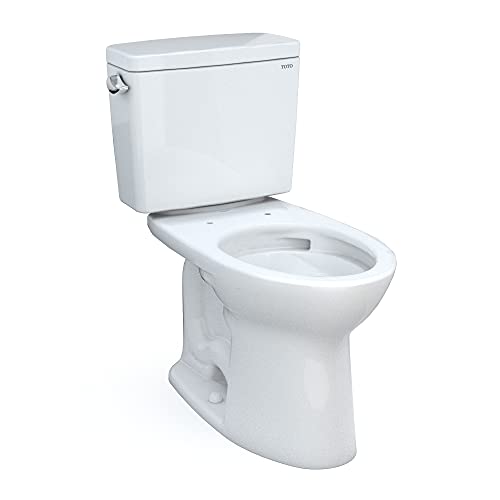
Most rocking toilets are fixed for under five dollars: pry off the base caps, hand-snug the two closet bolts in small alternating turns, then slide rigid plastic shims under any gap on the low side until the toilet sits dead solid. The TOTO Drake is the best upgrade if the toilet base is cracked, because its flat, well-cast base seats cleanly on the flange and its 1,000-gram MaP score makes it one of the strongest flushers in the two-piece category.
A toilet that wobbles is doing silent damage with every flush. The movement flexes the soft wax ring compressed between the toilet horn and the closet flange below, and wax does not recover from repeated flexing. Once that seal fails, flush water escapes under the base, soaks into the subfloor, and rots the decking around the drain. Homeowners who catch the wobble early fix it for a few dollars. Those who ignore it often end up replacing the toilet, the subfloor, and the flange together in a much larger repair.
This guide is organized the way a plumber diagnoses the problem: confirm which part is moving, then work through the causes from cheapest and most common to rarest and most serious. For a broader look at which toilets resist these problems through better engineering, see our pillar guide to the best flushing toilets. This page has one job: explain why your toilet wobbles and how to make it permanently solid.
Do this first. Sit on the toilet and rock gently front to back, then side to side. Watch the base where it meets the floor. A front-to-back wobble with no visible gap almost always means loose closet bolts. A side-to-side rock with a visible gap under one edge means the floor is uneven and the toilet needs shims. A soft, sinking feel that gets worse over time points to a damaged flange or rotted subfloor. That single observation tells you which fix to start with and saves you from pulling a perfectly good toilet unnecessarily.
Why does a toilet wobble or rock in the first place?
A toilet wobbles for three main reasons: the closet bolts that anchor it to the floor flange have loosened or corroded, the floor under the base is uneven so the toilet bridges a dip and rocks on its high points, or the drain flange itself is cracked, corroded, or sitting too low. Loose bolts and an uneven floor cause the large majority of rocking toilets and both cost very little to fix.
Understanding those three causes tells you exactly where to look. Two closet bolts pass through the foot of the toilet and thread into slots in the flange below, pulling the base down onto the wax ring. When they loosen or corrode, the toilet lifts slightly with each use. The floor is the foundation: tile, vinyl plank, and even wood subfloor are rarely perfectly flat, so a toilet can bridge a low spot and rock on just two or three high points. Tightening bolts harder against a floor gap does not fix the problem and risks cracking the base. The flange is the structural connection to the drain: if it is cracked, corroded, or sitting below the finished floor after a flooring job, the bolts have nothing solid to grab. The first two causes account for roughly nine in ten wobbling toilets and both cost very little to fix. Work through the steps below in order so you do not pull the toilet before you need to.
Step 1: Confirm the wobble is in the base, not the tank or seat
Spend thirty seconds ruling out the two most common misdiagnoses. Sit on the closed lid and lean in every direction, then place both hands on the bowl near the floor and push. If the whole toilet shifts against the floor, the base mount is the problem. If only the tank rocks while the bowl stays put, the tank-to-bowl bolts have loosened, which is a quick tighten from inside the tank, nothing to do with the floor. If only the seat slides or tips while the bowl is solid, tightening the two seat hinge bolts under the rim resolves it completely. Confirm the bowl itself rocks against the floor before you touch a wrench. Homeowners who skip this check have pulled and reseated a perfectly good toilet only to find the wobble was a loose tank or a seat that needed a quarter turn.
Note the direction of the wobble. A toilet that tilts front to back suggests loose or too-short bolts, because the front and rear of the base are lifting alternately. A toilet that rocks side to side with a visible gap under one edge points to an uneven floor. A toilet that moves in both directions with a soft, spongy feel at the floor could mean the wax ring has already failed and water has softened the subfloor. Each pattern sends you to a different fix.
Step 2: Tighten the closet bolts in alternating quarter turns
The closet bolts are the most common culprit and the cheapest fix, so always start here. Pry off the two plastic or ceramic bolt caps at the base using a flathead screwdriver, one on each side of the toilet, to expose the bolt, washer, and nut underneath. Fit a small adjustable wrench or pliers and turn each nut clockwise a quarter turn, then switch to the other side and turn that one a quarter turn. Alternate back and forth rather than cranking one side fully down before the other, so the toilet draws down evenly without cocking to one side.
Stop the moment the toilet is solid and no longer rocks. Porcelain is brittle and cracks under overtightening, and the single most consistent complaint in aggregated owner reviews for toilet repairs is a cracked base caused by forcing the nuts too hard. A snug fit that eliminates the wobble is the goal. If a nut spins endlessly without ever getting tight, the bolt threads are stripped, the bolt is corroded, or the flange has failed at that slot, all of which point to the fixes further down.
If the bolt spins instead of tightening. Some closet bolts have a flat section or a small slot at the top of the bolt that lets you grip it from above while you turn the nut from below. If the whole bolt just rotates, grip the bolt head with locking pliers or a second wrench while turning the nut. If the bolt is rusted solid, a few drops of penetrating oil and five minutes of patience prevent you from snapping it off. A snapped bolt means lifting the toilet to replace the bolt and the wax ring, so patience here pays off.
Step 3: Shim the low side for an uneven floor
If the bolts are snug but the toilet still rocks side to side, the floor under the base is uneven and the toilet is resting on high points while bridging a gap. This is very common on tile, where grout lines and slightly raised tile edges leave the toilet balanced on two or three contact points instead of resting on a flat surface. Tightening the bolts harder against this gap does not eliminate the rock, it only risks cracking the porcelain as the nut tries to pull the base toward a floor surface that is not there. The correct fix is to fill the gap with shims so the base has solid support all the way around.
Use rigid plastic toilet shims, not folded cardboard, coins, or wood scraps. Cardboard absorbs water and compresses over time, wood swells and shifts, and coins can scratch finished floors. Plastic toilet shims are tapered, designed to trim flush with the base, and will not deform or rot. Rock the toilet to locate the low side, then slide one or two shims into the space under the edge until the toilet sits solid and level. Tap them in just enough to stop the wobble without tipping the toilet to the other side, then snap off the exposed shim ends flush with the base and seal with caulk as described in the final step.
Step 4: Replace corroded or too-short closet bolts
Bolts that are corroded, stripped at the threads, or too short to hold the nut on enough thread need replacing. Too-short bolts are a common installation error in older homes where new flooring raised the floor height after the original toilet was set. Both problems require lifting the toilet to swap the bolts, which also means replacing the wax ring since you are disturbing it. Turn off the supply valve, flush and sponge the tank and bowl dry, disconnect the supply line, unscrew the bolt nuts, and lift the toilet straight off. Drop new brass closet bolts into the flange slots, positioned at the left and right of the drain hole. Brass resists corrosion far better than plated steel. Install a fresh wax ring, lower the toilet straight down without rocking it sideways, compress with body weight, and thread the new nuts on in small alternating turns. Never reuse the old wax ring. Wax compresses permanently on first use and will not reseal reliably.
Step 5: Repair or raise a cracked or low flange
The closet flange is the round PVC or cast-iron fitting bolted over the drain pipe. If the bolts spin because the flange slots have cracked or corroded through, or if the flange sits below the finished floor because new tile raised the floor around it, the toilet will never sit solid regardless of how many times you tighten or shim. For a flange below floor level, a flange extender or spacer ring stacks on top to bring the seating surface flush with the finished floor. For a broken bolt slot, a metal flange repair ring or half-moon bracket screws over the damaged area and gives the bolts a fresh anchor. A badly corroded metal flange or a shattered PVC flange must be cut out and replaced, a larger job but still a same-day DIY repair. Always fit a fresh wax ring and new brass bolts whenever you work on the flange.
Editorial Take
The pattern that appears over and over in plumbing repair discussions is a homeowner who tries to fix a rocking toilet by cranking the closet bolt nuts harder, cracks the porcelain base, and ends up replacing a toilet that only needed two-dollar plastic shims. If the bolts are snug and the toilet still rocks, the floor is uneven, and more torque will not close the gap. Shim first, tighten second, and never apply force beyond a firm snug. Treat the porcelain the way you would a ceramic dish: it does not flex, it breaks.
Step 6: Check for a soft or rotted subfloor
If you push on the floor around the toilet base and it flexes or feels spongy, the subfloor has absorbed water from a wax ring that failed or a rocking toilet that went unaddressed too long. A soft floor cannot hold closet bolts securely, so shims and tightening will not make the toilet solid. This is exactly the outcome that catching a wobbling toilet early prevents. Fixing it means pulling the toilet, cutting out and replacing the damaged decking, and resetting or replacing the flange on the new solid material before reseating. This is the most involved repair on the list and the one most likely to benefit from a plumber. If the toilet base itself is cracked or the fixture flushes weakly, replacement is the sensible choice rather than repairing around a fixture that is past its useful life.
Step 7: Reseal the base with caulk
Once the toilet is solid and any shims are trimmed flush, run a thin bead of bathroom-grade silicone caulk around the entire base where it meets the floor. Caulk locks shims in place, keeps mop water and spills from running under the base, and is required by most plumbing codes. Leave a deliberate gap of two to three inches at the very back of the base unsealed. That gap is a tell-tale: if the wax ring ever fails, water escapes through the rear gap and shows on the floor as an early visible warning, instead of pooling invisibly and rotting the subfloor for months. Smooth the bead with a wet finger and let it cure before heavy use.
Step
Fix
Best For
Cost Range
1
Snug the closet bolts in alternating quarter turns
Front-to-back wobble, bolts that have loosened
Free
2
Slide plastic shims under the low edge
Side-to-side rock on tile or uneven floor
Very low
3
Replace corroded or too-short closet bolts and wax ring
Spinning nuts, rusted bolts, chronic looseness
Low, parts only
4
Install a flange extender or repair ring
Flange below floor level, broken bolt slots
Low to moderate
5
Replace the flange entirely
Cracked PVC or corroded cast-iron flange
Moderate
6
Repair the subfloor and reset the flange
Soft, spongy floor from a long-running leak
Higher, may need pro
7
Caulk the base with a gap at the back
All repairs, as the finishing step
Very low
What are the exact tools needed to fix a wobbling toilet?
To fix a wobbling toilet you need a flathead screwdriver to pry bolt caps, a small adjustable wrench or pliers to turn the closet bolt nuts, plastic toilet shims for an uneven floor, and bathroom-grade silicone caulk for the finishing step. If you lift the toilet to replace bolts or the wax ring, add a putty knife, rubber gloves, old towels, and a new wax ring to the list. Most of these are either already in a basic toolkit or cost just a few dollars at a hardware store.
A pair of locking pliers or a second wrench to hold the bolt from above makes the tightening step safer and saves you from lifting the toilet if the bolt rotates instead of tightening. For shimming, a level is helpful but not essential. Rock the toilet to find the gap, slide the shim in from the low side, and the toilet tells you when it stops moving. A level confirms the base is even before you caulk.
What is the risk of ignoring a wobbly toilet?
Ignoring a wobbling toilet causes the wax ring to fail within weeks to months, depending on how much the toilet moves. A failed wax ring allows flush water to escape under the base, rotting the subfloor and creating mold that is expensive to remediate. In the worst case, the water reaches the ceiling of the room below. The repair for a rotted subfloor costs far more than a pair of shims or new closet bolts, so a wobbling toilet is always worth fixing promptly.
The wax ring is a one-time seal, compressed perfectly during installation and never meant to be disturbed. When a toilet rocks, it compresses and releases the wax repeatedly until the seal opens. Sewer gas containing hydrogen sulfide begins escaping into the room, explaining the faint drain smell that often grows around a chronically wobbly toilet. On an upper floor, the leaked flush water travels through the subfloor into the ceiling below, which is how a two-dollar shim problem becomes a several-thousand-dollar structural repair. A rocking toilet is the most easily preventable source of major bathroom water damage.
How do you shim a toilet permanently on a tile floor?
To permanently shim a toilet on a tile floor, use rigid plastic toilet shims, not wood or cardboard. Rock the toilet to find the low side, slide one or two plastic shims into the gap from that direction, and tap or press them in until the toilet sits completely stable with no movement in any direction. Snap off the protruding shim ends flush with the base, then caulk around the entire base with silicone, leaving a small gap at the very back. The caulk locks the shims permanently so they cannot slide out.
Plastic shims last indefinitely and do not absorb water, compress, or rot. The caulk step is what makes the repair permanent. Shims alone can slowly work out if the toilet shifts slightly. Caulking over the trimmed shims locks them in place and seals the base against moisture. Skip the caulk and the fix is temporary; include it and it is as permanent as the toilet itself.
Top replacement picks if the toilet base is cracked or worn out
If you pull the toilet and find a hairline crack in the porcelain base, a floor so rotted the toilet cannot be re-anchored without major work, or an old low-efficiency fixture you have been tolerating anyway, replacement is the permanent answer. These three toilets have wide, flat, well-cast bases that seat cleanly on the flange, earn strong or perfect MaP flush-test scores, and carry EPA WaterSense certification at 1.28 GPF. All three mount to a standard 12-inch rough-in.
Most Reliable
TOTO Drake
Flat base, 1,000-gram MaP, long-service life
4.7
The Drake earns a perfect 1,000-gram MaP score, uses TOTO's 3-inch flush valve for a powerful gravity siphon at 1.28 GPF, and has a flat, precisely cast two-piece base that seats on the flange without rocking on a sound floor. Parts are available in virtually every hardware store, and the Drake's multi-decade reputation for low maintenance is backed by thousands of owner reviews.
A one-piece toilet eliminates the tank-to-bowl gasket as a potential leak point, and the UltraMax II's skirted, integrated base presents a smooth, continuous footprint from bowl to floor that is easier to level, caulk, and keep clean than an exposed-trapway two-piece. Its Tornado Flush rinses the entire bowl rim with two nozzles at 1.28 GPF, earning a perfect 1,000-gram MaP score.
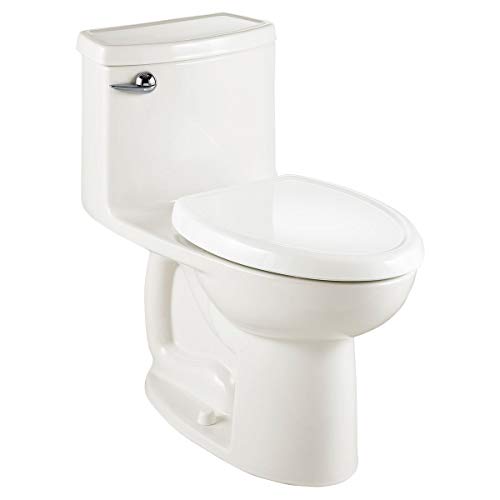
The Cadet 3 is the practical two-piece from American Standard: a solid, wide-footprint base with a fully glazed 2.375-inch trapway, an EverClean antimicrobial surface, and a 1.28 GPF WaterSense rating. Independent MaP testing places it at 1,000 grams, matching the TOTO Drake at a lower price point, which makes it the go-to replacement when budget matters and performance cannot be sacrificed.
When choosing a replacement toilet after a rocking toilet that has damaged the floor, prioritize a wide, flat base and a skirted design if your budget allows. The TOTO UltraMax II's skirted one-piece base is easier to level on an imperfect floor after subfloor repair than a traditional exposed-trapway two-piece. The Kohler Cimarron in its skirted configuration offers a similar advantage at a lower price. For a rental property or guest bath, the American Standard Cadet 3 delivers the same perfect MaP score without the premium. Other brands worth considering for stable, flat bases include Woodbridge (T-0001 and T-0019), Swiss Madison St. Tropez, and Gerber Avalanche, all of which earn strong MaP scores and carry WaterSense ratings at 1.28 GPF. Avoid toilets with unusual rough-in requirements, 10-inch or 14-inch, unless you have confirmed your exact measurement, since a wrong rough-in means the toilet will not seat over the flange.
FAQ
Frequently asked questions
? Why does my toilet wobble when I sit on it?
A toilet wobbles when you sit on it because the closet bolts holding it to the floor flange have loosened, the floor under the base is uneven so the toilet rocks on high points, or the flange itself is cracked or sitting too low. Loose bolts are the most common cause and the easiest fix, resolved by snugging the nuts in small alternating turns. An uneven floor needs plastic shims, not more torque on the bolts.
? Is it dangerous to use a toilet that wobbles?
Using a wobbling toilet is not immediately dangerous in the sense of injury, but it is harmful to the home. Each movement flexes the wax ring under the base, and repeated flexing breaks the seal. Once the seal fails, flush water and sewer gas escape under the toilet with every use, rotting the subfloor and creating a mold and odor problem. A wobbling toilet should be fixed within days, not months.
? How do I know if my toilet needs shims or just tighter bolts?
Tighten the closet bolts first. If the toilet becomes solid after snugging the nuts in small alternating turns, bolts were the cause. If the toilet still rocks after the bolts are snug, the floor is uneven and the toilet is bridging a gap. At that point, more torque on the bolts risks cracking the porcelain, and the correct fix is sliding plastic shims under the low side until the base has solid contact all the way around.
? Can you overtighten toilet bolts and break the toilet?
Yes, overtightening closet bolts is one of the most common ways a toilet base gets cracked during a repair. Porcelain does not flex under load, it fractures, and the force concentrates around the bolt holes. Tighten in small alternating turns and stop the moment the toilet is solid. If the toilet still rocks after the bolts are snug, the problem is the floor, not the bolt tension, and adding more force will break the base rather than fix the wobble.
? What type of shims should I use under a toilet?
Use rigid plastic toilet shims, which are tapered, sold specifically for this purpose, and will not rot, compress, or shift. Cardboard and paper absorb moisture and break down quickly in a bathroom environment. Wood scraps swell with water and compress under the weight of the toilet over time. Coins and metal pieces can scratch finished floors. A small pack of plastic toilet shims costs very little and is the only material that provides a permanent fix.
? Do I need to replace the wax ring if I shim the toilet without lifting it?
Not necessarily. If you are adding shims without lifting the toilet off the flange, and the toilet has not been leaking at the base, the wax ring is likely still intact. The shims close the gap and stabilize the toilet so the ring is no longer being flexed. If there are signs of a base leak, a sewer smell, or water around the base, the ring should be replaced, which means lifting the toilet.
? How long does it take to fix a rocking toilet?
Tightening the closet bolts takes about ten minutes including finding the right wrench. Adding shims takes another ten to fifteen minutes. Both can be done without lifting the toilet, so those fixes together are typically under thirty minutes. Replacing the bolts and wax ring requires lifting the toilet and running to the hardware store for parts, which is a one to two hour job. Repairing a broken flange adds another hour depending on the type of repair.
? Why does my toilet rock after a new floor was installed?
A new floor raises the finished surface height while the flange stays at its original height, so the flange ends up recessed below the new floor level. A recessed flange means the toilet base sits on the finished floor but the flange cannot fully compress the wax ring, and the bolt slots may be below the floor too, so the bolts have less grip. Fix it with a flange extender ring that raises the flange surface level with the new floor before reseating the toilet.
? Can I fix a rocking toilet without turning off the water?
Yes, for the shim and bolt-tightening fixes you do not need to shut off the water supply, because you are not disturbing the toilet or opening any connections. Only turn off the supply when you are lifting the toilet to replace the bolts, the wax ring, or the flange, which requires fully draining the tank and bowl first. For just snugging the nuts or adding shims, the water can stay on throughout.
? What is the closet flange and why does it matter for a wobbling toilet?
The closet flange is the round PVC or metal fitting bolted over the drain pipe in the floor that the toilet seats on. It provides the surface the wax ring seals against and the slots that the closet bolts anchor into. If the flange is cracked, corroded, or sitting below the finished floor, the bolts cannot hold properly and the toilet will never be stable no matter how much you tighten. Inspecting the flange whenever the toilet is lifted is the step that prevents a repeat wobble.
? Can a cracked toilet base be repaired without replacing the toilet?
A hairline crack in the porcelain base cannot be reliably repaired because porcelain is non-porous and adhesives do not bond permanently to it under the stress of someone sitting down. A crack in the base is a replacement trigger, not a repair opportunity. Continue using a cracked-base toilet and the crack grows until the base fails completely. If the bowl and tank are otherwise in good condition, the toilet can sometimes be replaced as a unit while keeping the existing seat and supply line.
? Should I caulk around the base of the toilet?
Yes, caulking the base is the correct finishing step after any toilet repair. It locks shims in place, keeps spilled water and cleaning solution from seeping under the base, and is required by most plumbing codes. Leave a deliberate gap of two to three inches at the very back of the base unsealed. That gap acts as an early-warning drain: if the wax ring ever fails, water shows at the back on the floor rather than pooling invisibly and rotting the subfloor.
? What MaP score should I look for in a replacement toilet?
The MaP (Maximum Performance) flush test measures how many grams of solid waste a toilet can flush in a single attempt. A score of 800 grams is considered good. A score of 1,000 grams is the maximum and means the toilet cleared the test material completely every time. At 1.28 GPF under EPA WaterSense standards, toilets like the TOTO Drake, TOTO UltraMax II, and American Standard Cadet 3 all earn 1,000-gram MaP scores, which is the benchmark to target when choosing a replacement.
? Does EPA WaterSense certification matter when replacing a toilet?
EPA WaterSense certification means the toilet uses no more than 1.28 GPF and has passed independent testing for flush performance at that volume. It saves roughly 16,000 to 20,000 gallons of water per year compared to a 3.5 GPF toilet from before 1994, and confirms the toilet has been independently verified to flush effectively. All three replacement picks on this page are WaterSense certified at 1.28 GPF.
? Why does my toilet smell like sewage at the base?
A sewer smell at the base of the toilet almost always means the wax ring has lost its seal, letting drain gas escape into the room alongside any water leaking from the base. The same crack in the seal that lets flush water out lets hydrogen sulfide and other drain gases in. A sewer smell near the base is a strong sign that the toilet is rocking enough to have broken the wax ring, and the toilet should be reseated with a fresh ring promptly.
? Can the toilet wobble because of a loose toilet seat?
Yes, and this is one of the most common misdiagnoses. A loose toilet seat rocks back and forth under the user and feels almost identical to a toilet rocking at the floor, but the fix is completely different. Sit on the closed lid and push the seat itself from side to side while holding the bowl steady. If only the seat moves while the bowl stays put, tighten the two seat hinge bolts under the rim. No floor repair, shims, or wax ring work is needed.
Manufacturer published specifications (TOTO, Kohler, American Standard)
Our Verdict
A wobbling toilet is almost always a cheap fix: snug the closet bolt nuts in small alternating turns, slide rigid plastic shims under the low edge until the base sits dead solid, trim the shims flush, and seal the base with silicone caulk leaving a small rear gap. That sequence resolves the large majority of rocking toilets for a few dollars and less than an hour. If the bolts spin freely or the toilet is still loose after snugging, replace the bolts and wax ring. If the flange is cracked or below floor level, add a repair ring or extender before reseating. The only time replacement makes sense is a cracked porcelain base or a subfloor so damaged the toilet cannot be re-anchored. In that case the TOTO Drake at a perfect 1,000-gram MaP score and 1.28 GPF WaterSense, the TOTO UltraMax II for a skirted one-piece that seats flat, or the American Standard Cadet 3 for the best value at the same MaP benchmark are the three models to consider. Never muscle the bolt nuts past firm resistance. Porcelain breaks, and the right answer to a rocking toilet is always shims before torque.
Derek researches plumbing specifications, installation requirements and parts availability, cross-checking manufacturer claims against owner-reported reliability. Rankings are based on documented data and real owner reports, never paid placement.
Updated August 2026 · Toilets
Keep reading
Related guides
Why Toilet Trapways Are Curved Like an S
Toilets
4.6
Learn why toilet trapways curve like an S, how each bend blocks sewer gas, and what the shape means for clogs and…