Why Toilet Trapways Are Curved Like an S
Toilets4.6
Learn why toilet trapways curve like an S, how each bend blocks sewer gas, and what the shape means for clogs and…
Read the guideThat black, green, or pink growth lurking under the toilet rim is not just unsightly -- it is a sign your bowl has conditions mold needs to survive. This guide walks you through exactly why it appears, how to remove it safely, and what changes will stop it from coming back.
Mold under the toilet rim grows because that area stays moist and dark while mineral deposits trap organic material. Remove it with a toilet bowl cleaner containing hydrochloric acid or sodium hypochlorite, scrub the rim jets directly, then prevent regrowth by reducing bathroom humidity, cleaning weekly, and switching to a rimless or fully-glazed bowl.
Mold under the toilet rim is one of the most common -- and stubbornly recurring -- bathroom cleaning problems homeowners encounter. Unlike stains on the visible bowl surface, the underside of the rim sits in near-constant shade, traps moisture from each flush, and is nearly impossible to reach with a standard toilet brush. That combination creates exactly the microenvironment that mold and mildew species prefer.
The good news: the biology working against you is straightforward to defeat. Once you understand what feeds the growth, removal takes under thirty minutes and prevention becomes a simple routine. This guide covers the full picture -- from what species you are actually dealing with, to which cleaning products remove it without damaging ceramic glazing, to the toilet design features that make certain models far less prone to rim mold in the first place.
For guidance on selecting a toilet that resists buildup from the start, see our roundup of the best flushing toilets, where we evaluate bowl glazing, rim design, and flush thoroughness side by side.
The dark growth under the toilet rim is almost always mold or mildew -- most commonly Aspergillus, Cladosporium, or Penicillium species in black or green form, and Serratia marcescens bacteria in pink or orange form. These microorganisms colonize the underside of the rim because the surface stays wet between flushes, lacks UV exposure, and accumulates the mineral scale and organic debris that serve as a food source.
A pink or orange tinge specifically is nearly always Serratia marcescens, a bacterium rather than true mold, though it responds to the same cleaning agents. Black and green growth under the rim indicates true fungal mold colonies and should be removed promptly since disturbing it can aerosolize spores.
Most toilets have a channel running around the inside of the rim called the rim channel or rim jets. Water from the tank floods this channel with every flush, then exits through small holes -- typically 6 to 10 of them -- to rinse the bowl. That channel is also ideal mold habitat: it is dark, permanently damp, and difficult to reach with a brush.
Over time, calcium and magnesium deposits from hard water accumulate inside the channel and around the jet holes. Those mineral deposits are porous and rough-textured, giving mold spores a surface to anchor to and organic material to feed on. This is why homes with hard water tend to see rim mold develop faster than those with soft water, and why descaling is an important part of the prevention strategy, not just the removal step.
Plumbing professionals consistently note that rim mold is a symptom, not a root cause. High bathroom humidity, infrequent cleaning cycles, and residual standing water in the rim channel all contribute. Resolving those conditions is more effective long-term than relying on stronger chemicals alone.
The color of the mold can give you a rough idea of what you are dealing with, though only laboratory testing can confirm species. Black mold on the rim is most often Cladosporium or Aspergillus niger -- neither is the notorious toxic black mold (Stachybotrys chartarum), which requires sustained water damage to wood or drywall to establish itself, not a toilet rim. Green tones suggest Aspergillus flavus or Penicillium. All of these are addressed the same way.
Rim mold returns because the underlying conditions -- moisture, darkness, and a food source -- are never fully removed by surface cleaning. If the rim jets have hard water mineral scale inside them, mold has a persistent anchor point that a brush cannot reach. High bathroom humidity above 60% also replenishes moisture between cleanings faster than the surface can dry out.
Without addressing ventilation and descaling the rim channel itself, any mold removal is temporary. Spores that survive in the upper channel or in grout lines re-colonize the rim within one to four weeks under typical household conditions.
The single most common reason rim mold returns within a few weeks of cleaning is incomplete removal. The rim channel curves around the entire bowl, and most toilet brushes can only reach the outer edge of the rim holes -- not the channel interior where the mold root structure (mycelium) resides. Cleaning the visible surface without treating the channel leaves the colony largely intact.
Bathroom humidity is the second major driver. The CDC and EPA both note that indoor relative humidity above 50% to 60% is sufficient to sustain mold growth on most surfaces. A bathroom without a working exhaust fan, or one where the fan is undersized for the room's cubic footage, will maintain high humidity for hours after showering. That sustained moisture keeps the rim wet enough to support mold even if the bowl itself looks clean.
The rim jet holes are the critical weak point. Use a small mirror or phone camera to inspect them directly -- you will often see buildup blocking 20% to 50% of the opening even in a bowl that looks clean from above. Those deposits are the mold reservoir. Descaling with an acid-based cleaner monthly is more effective than any daily maintenance spray.
A third factor is water chemistry. Municipal water supplies treated with chloramine instead of free chlorine (now used in many U.S. cities) provide less residual antimicrobial action inside plumbing fixtures. Some older articles recommend letting chlorinated water sit in the bowl to suppress mold, but this approach is less reliable with chloramine-treated supplies. The more durable solution is mechanical cleaning with an appropriate chemical agent.
Finally, the quality of the bowl's ceramic glaze matters. Lower-cost toilets often use thinner or less uniform glaze coatings that develop microscopic scratches over time -- particularly with abrasive cleaning products. Those scratches give mold spores additional purchase. Premium glaze technologies like TOTO's CeFiONtect or American Standard's EverClean surface specifically address this by creating a smoother, more hydrophilic surface that resists adhesion of organic material and bacteria.
Not all bowl cleaners are equally effective against mold under the rim. The table below compares active ingredient types, their mechanism against mold, and their appropriateness for regular use.
| Cleaner Type | Active Ingredient | Kills Mold | Removes Mineral Scale | Safe for Glazing | Use Frequency |
|---|---|---|---|---|---|
| Hydrochloric acid gel | HCl (9-20%) | Yes | Yes (excellent) | Avoid prolonged contact | Monthly deep clean |
| Bleach-based gel | Sodium hypochlorite (2-10%) | Yes | No | Yes | Weekly |
| Citric acid tablet | Citric acid (30-50%) | Partial | Yes (moderate) | Yes | Weekly |
| Enzyme cleaner | Protease/lipase enzymes | No (suppresses) | No | Yes | Daily/between cleans |
| Baking soda + white vinegar | Acetic acid (~5%) | Partial | Minimal | Yes | Weekly (maintenance) |
Winner (bold row): Hydrochloric acid gel cleans mineral scale and kills mold in a single step, making it the most efficient choice for a monthly deep-clean cycle.
To remove mold from under the toilet rim, apply a thick toilet bowl gel containing hydrochloric acid or sodium hypochlorite directly under the rim using the angled nozzle, let it dwell for 10 to 15 minutes, then scrub the rim jets and underside with a stiff toilet brush or a dedicated rim-jet brush. Flush to rinse, then repeat if staining persists.
For stubborn buildup blocking rim jets, soak paper towels in undiluted white vinegar or an acid cleaner, press them under the rim so they make direct contact with the jets, and leave them for 30 to 60 minutes before scrubbing -- this loosens the mineral scale that anchors the mold.
Step 1 -- Gather supplies. You will need: a toilet bowl cleaner with hydrochloric acid (such as The Works Toilet Bowl Cleaner or Lysol Power) or a concentrated bleach gel; a stiff-bristle toilet brush; an angled rim brush or old toothbrush for the jets; disposable rubber gloves; a spray bottle of undiluted white vinegar; and paper towels or old rags.
Step 2 -- Ventilate the bathroom. Open the window and run the exhaust fan before using any chemical cleaner. Hydrochloric acid and bleach both produce fumes that are irritating in enclosed spaces. Never mix bleach and acid-based cleaners -- the combination releases chlorine gas.
Step 3 -- Reduce water level in bowl (optional but effective). Turn off the water supply valve behind the toilet, then flush. This lowers the bowl water level so your cleaner concentrates under the rim rather than diluting into standing water. This step meaningfully increases dwell time efficacy.
Step 4 -- Apply cleaner under the rim. Direct the angled nozzle of your chosen cleaner under the rim and squeeze generously as you move around the bowl. The gel should cling to the ceramic surface. Pay particular attention to areas where you can see discoloration or black spotting.
Step 5 -- Treat the rim jets. Take a paper towel, saturate it in white vinegar or diluted acid cleaner, fold it into a narrow strip, and press it under the rim so it contacts the jet holes. Let it dwell for 30 to 60 minutes. This softens the mineral deposits blocking the jets.
Step 6 -- Scrub thoroughly. After the dwell time, use the toilet brush to scrub the entire visible rim underside using firm circular motions. Follow with a dedicated rim-jet brush or old toothbrush to clear each jet hole of loosened deposits and mold. You may need to use a dental pick or straightened paper clip to clear jets that are significantly blocked.
Step 7 -- Flush and inspect. Turn the water supply back on, let the tank fill, and flush. Check whether the water from each jet hole flows evenly. Uneven flow indicates remaining blockage. Repeat the treatment if needed.
Step 8 -- Disinfect the brush. Soak your toilet brush in a diluted bleach solution (1 tablespoon bleach per gallon of water) for 10 minutes after use. A contaminated brush re-introduces mold spores with every cleaning.
The dwell time is the variable most homeowners cut short. Acid-based cleaners need at least 10 to 15 minutes of contact to dissolve calcium carbonate scale -- the mineral matrix that anchors mold colonies to the ceramic. Applying and immediately scrubbing removes some surface mold but leaves the substrate intact. Patience during dwell time produces dramatically better results than more vigorous scrubbing.
If the mold has been present for months or the rim jets are almost completely blocked, a single treatment may not fully resolve the issue. In these cases, apply an acid-gel cleaner under the rim, place a plastic bag filled with vinegar against the jet holes secured with rubber bands to hold it in contact overnight, then scrub in the morning. This extended acid contact dissolves years of calcium buildup.
Check whether the rim jets are drilled into the ceramic or cast. Some lower-cost toilet models have poorly formed jets that are irregularly shaped, making blockage inevitable even with good maintenance. If repeated cleaning does not restore even water flow from all jets, the toilet itself may be contributing to the problem through design rather than cleaning failure.
Preventing mold under the toilet rim requires keeping bathroom humidity below 50%, cleaning the rim and jets at least weekly, using a toilet bowl cleaner that creates an inhospitable surface between cleans, and ensuring the toilet itself flushes thoroughly enough to flush the rim channel on every use. Toilets with EPA WaterSense certification and high MaP scores often provide stronger rim coverage during each flush, reducing residual moisture and organic material.
The most durable prevention combines a weekly maintenance clean with a monthly deep-scale treatment to remove the mineral deposits that serve as mold anchor points. Installing or upgrading a bathroom exhaust fan sized correctly for the room is equally important as the cleaning routine itself.
The EPA recommends maintaining indoor relative humidity between 30% and 50% to inhibit mold growth. Bathrooms consistently exceed this range without proper mechanical ventilation. The Home Ventilating Institute (HVI) recommends a minimum of 8 air changes per hour for bathrooms, which translates to approximately 1 CFM per square foot of floor area as a baseline.
If your bathroom exhaust fan produces noise but little actual airflow, it may be undersized or clogged with dust on the grille. Clean the grille cover and test by holding a square of toilet paper near the active fan -- it should hold against the grille by suction alone. A fan that fails this simple test is not moving enough air to manage post-shower humidity effectively.
Run the exhaust fan for at least 15 to 20 minutes after every shower, not just during it. Post-shower moisture evaporating from wet towels, grout, and fixtures is the primary driver of prolonged elevated humidity.
Weekly cleaning with a bleach-gel or acid-based cleaner prevents mold from re-establishing between the monthly deep-scale treatments. The key is to apply the cleaner under the rim specifically -- not just to the bowl -- and let it dwell for at least 5 minutes before brushing.
In-tank bleach tablets are sometimes recommended for rim mold prevention, but most toilet manufacturers explicitly warn against them. The concentrated bleach in tank tablets degrades rubber flappers, fill valve seals, and flapper seats. Kohler, TOTO, and American Standard all note in their warranty documents that damage from in-tank chemical tablets is excluded from coverage. Rim-applied gels achieve the same antimicrobial effect without contacting tank components.
Automatic rim-delivery systems -- clip-on gel dispensers that attach to the rim and release a small amount of cleaner with each flush -- are a practical maintenance tool. They do not replace periodic scrubbing but do maintain an antimicrobial environment between full cleaning sessions.
If your municipality supplies hard water (generally defined as 7 or more grains per gallon / 120 mg/L hardness), installing a whole-house water softener significantly reduces the calcium and magnesium deposits that anchor mold in rim jets. For renters or those who cannot install a whole-house system, a point-of-use water filter on the supply line to the toilet tank, while less effective than softening, can reduce mineral loading.
Monthly citric acid tablet drops into the bowl (not the tank) also help dissolve minor scale accumulations before they become significant enough to host mold. This is an inexpensive, glaze-safe maintenance step between professional-grade acid treatments.
Toilet design has a direct impact on rim mold frequency. Several design features significantly reduce susceptibility:
Rimless bowl design: Rimless toilets eliminate the rim channel entirely. Water is delivered directly to the bowl surface via a single wide rim wash that covers the entire bowl in each flush. Without a channel to trap moisture and debris, mold has no sheltered surface to colonize. European rimless designs from brands like Geberit have popularized this approach, and it is increasingly available on U.S.-market toilets.
Antimicrobial bowl glazing: TOTO's CeFiONtect glaze uses an ion-barrier coating fired into the ceramic that creates an extremely smooth, hydrophilic surface resisting adhesion of organic material. American Standard's EverClean surface incorporates antimicrobial silver-ion technology bonded into the glaze. Both approaches are supported by published testing from their respective manufacturers showing meaningful reductions in bacterial and organic adhesion compared to standard glazing.
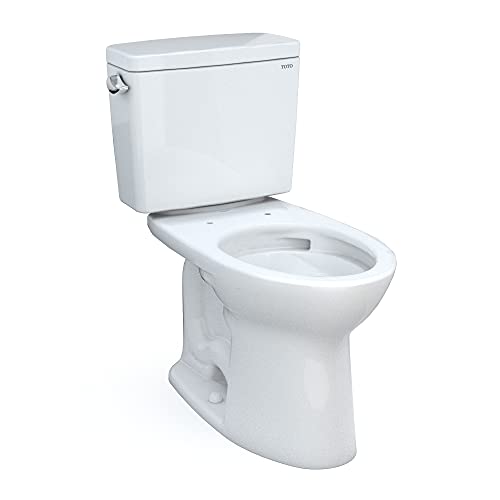
High MaP score and thorough rim wash: MaP (Maximum Performance) flush testing measures how many grams of solid waste a toilet removes in a single flush. MaP scores of 800 grams or higher correlate with stronger, more complete flushing that also cleans the bowl surface more thoroughly with each cycle. Toilets with high MaP scores from the TOTO Drake II (MaP 1000g certified), TOTO UltraMax II (MaP 1000g), and American Standard Champion 4 (MaP 1000g) deliver significantly more water to the rim than low-efficiency models, reducing residual organic material that could feed mold.
See our article on how to clean under the toilet rim for a more detailed look at cleaning techniques, and our guide to toilet rim jets cleaning for addressing blocked jets specifically.
Mold under the toilet rim is generally a low-level health concern for most healthy adults, but it does release spores into the air when disturbed -- such as during flushing -- which can aggravate respiratory conditions like asthma, trigger allergic reactions, or cause eye and throat irritation in sensitive individuals. People with compromised immune systems, infants, or elderly household members face greater risk.
The mold species most commonly found under toilet rims -- Cladosporium, Aspergillus, and Penicillium -- are ubiquitous in outdoor air and generally considered Class 1 or 2 health hazards, not the more severe Class 3 hazards requiring professional remediation. However, persistent mold in a toilet can indicate higher overall bathroom mold levels that may warrant inspection of grout, caulk, and surrounding surfaces.
The CDC notes that most healthy people do not experience health effects from typical indoor mold exposure, but that eliminating mold is still recommended even in the absence of symptoms. The toilet rim is notable because the flushing action can aerosolize mold spores and microscopic water droplets (toilet plume) into the surrounding air. Closing the toilet lid before flushing, which is supported by research published in the journal Physics of Fluids, reduces this dispersal significantly.
If household members experience recurring respiratory symptoms, unexplained allergic reactions, or skin irritation and you have visible toilet rim mold, removing the mold is a reasonable first step before pursuing other explanations. If mold is also visible on grout, caulk, or the ceiling of the bathroom, a broader mold assessment may be warranted -- particularly if any structural water damage is present.
The toilet plume effect -- aerosolization of contents during flushing -- is documented but often overstated in consumer media. The more significant concern with chronic rim mold is the signal it sends about bathroom humidity and cleaning habits. A toilet with persistent rim mold is usually in a bathroom that also has mold in grout, silicone caulk joints, and behind the toilet base. Addressing the system, not just the rim, is the more complete health response.
When handling rimcleaning involving visible mold, wear rubber gloves and consider an N95 respirator if the mold coverage is extensive, as scrubbing releases a concentrated burst of spores. After cleaning, wash hands thoroughly and wash any clothing that may have contacted mold-contaminated water.
While no toilet is immune to mold if cleaning is neglected, several models offer design features and glaze technologies that meaningfully reduce frequency and severity of rim mold accumulation. These models are frequently cited in aggregated owner reviews for being easier to keep clean between professional cleaning sessions.
The TOTO Drake II uses the brand's Double Cyclone flush system, which delivers water through two nozzles rather than traditional rim jets, creating a centrifugal washing action across the entire bowl. Combined with CeFiONtect ceramic glaze, this design significantly reduces organic material adhesion. The Drake II carries MaP certification at 1000 grams and meets EPA WaterSense standards at 1.28 GPF. The near-elimination of traditional rim channels makes it substantially more resistant to rim mold than conventionally designed bowls.
The UltraMax II combines the same Double Cyclone flush technology and CeFiONtect glaze in a skirted one-piece design that also eliminates external crevices where mold can colonize. Its MaP 1000g score means every flush delivers maximum rim coverage. One-piece designs generally have fewer hard-to-reach seams in the bowl itself, making routine cleaning more complete. EPA WaterSense certified at 1.28 GPF.
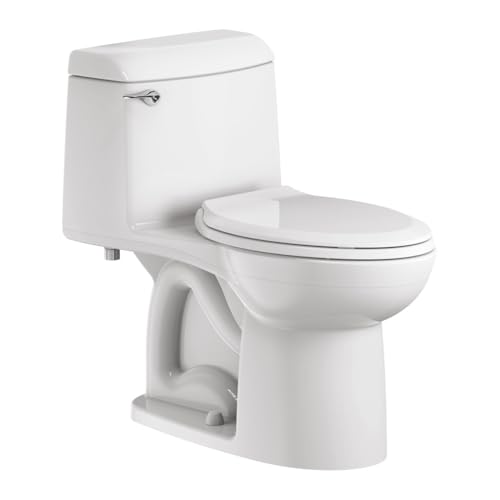
The Champion 4 uses a large 4-inch flush valve and fully glazed 2-3/8 inch trapway that produces one of the most forceful bowl washes available in its price tier. Its EverClean surface (silver-ion antimicrobial glaze) is bonded into the ceramic and inhibits bacterial and mold adhesion on the bowl and rim surfaces. MaP certified at 1000 grams. Widely available and carrying a 10-year warranty on the toilet body.
The Kohler Cimarron uses the AquaPiston flush valve -- a canister-style valve that opens 360 degrees for a powerful, evenly distributed bowl wash. Its fully glazed trapway is 2-1/8 inches in diameter. While Kohler does not use a proprietary antimicrobial glaze on standard Cimarron models, the strength of the flush and thorough rim coverage contributes to reduced organic buildup between cleanings. Available in both 1.28 GPF and 1.6 GPF configurations, with the 1.28 GPF meeting EPA WaterSense criteria.
The Woodbridge T-0001 is a skirted one-piece toilet with a dual-flush system (1.0/1.6 GPF) and a fully skirted design that removes most external crevices. Its glazed interior surface and strong flush action have earned it favorable owner reviews regarding ease of cleaning. The skirted design also means there is no ledge at the base where water can pool and feed mold. A practical choice for budget-conscious households wanting modern design and cleaner maintenance.
Natural and DIY cleaning methods are frequently recommended for toilet rim mold, and some are genuinely useful -- while others are significantly overstated in their effectiveness. Understanding the chemistry helps set expectations.
White vinegar (acetic acid at approximately 5%) is the most effective natural option because it dissolves calcium carbonate scale -- the mineral matrix that anchors mold. Applied directly under the rim and allowed to dwell for 30 to 60 minutes, it softens scale and kills surface mold. Its limitation is that 5% acetic acid is substantially weaker than the 9% to 20% hydrochloric acid in commercial acid cleaners, so it requires longer contact time and multiple applications for heavy buildup.
Baking soda (sodium bicarbonate) is a mild abrasive and deodorizer but provides minimal antimicrobial action against mold. It is more useful for absorbing odors and providing a scrubbing substrate when combined with vinegar than for mold removal on its own. The fizzing reaction of baking soda and vinegar together is largely theatrical -- the two partially neutralize each other, reducing the effectiveness of the acid.
Tea tree oil has documented antifungal properties (terpinen-4-ol is its primary active component) and is used in some commercial mold cleaners. A solution of 10 drops tea tree oil per cup of water sprayed under the rim after cleaning can help suppress regrowth between scrubbing sessions. Its practical limitation is cost relative to bleach, and the concentration needed for meaningful antifungal action is higher than most DIY recipes suggest.
Hydrogen peroxide (3% as sold in drugstores) is a legitimate antifungal and bactericidal agent. Applied undiluted under the rim and allowed to foam for 10 minutes before scrubbing, it kills mold on contact with the surface. It does not dissolve mineral scale, so it is most effective after a descaling treatment has exposed the mold colonies directly. Combine a monthly acid treatment with a weekly hydrogen peroxide maintenance spray for an effective all-natural protocol.
Natural methods are useful for maintenance and for households that prefer to avoid strong chemical cleaners. For initial removal of established rim mold -- especially when mineral scale is involved -- they are less reliable than a single properly applied acid or bleach treatment. The most practical approach is to use a commercial acid cleaner for the deep monthly reset and natural methods (vinegar, hydrogen peroxide) for weekly maintenance between those sessions.
For households with septic systems, there is a legitimate reason to minimize bleach use in toilets: concentrated sodium hypochlorite can disrupt the bacterial culture in the septic tank that breaks down solid waste. A vinegar-based weekly maintenance routine combined with a monthly citric acid descaling treatment is septic-safe while still providing meaningful mold control. See our guide to toilets for septic systems for additional context on product compatibility.
Hard water is among the primary contributors to chronic rim mold problems that resist routine cleaning. The connection is direct: calcium and magnesium dissolved in hard water precipitate as calcium carbonate (limescale) wherever water evaporates slowly -- which is precisely what happens inside the toilet rim channel and around jet holes after every flush.
The U.S. Geological Survey (USGS) classifies water hardness as follows: soft (0-60 mg/L), moderately hard (61-120 mg/L), hard (121-180 mg/L), and very hard (above 180 mg/L). The USGS maps indicate that a majority of the contiguous United States has moderately hard to hard water, with particularly high hardness levels throughout the Midwest, Southwest, and Great Plains. Homeowners in these regions will reliably experience faster mineral scale accumulation and more frequent rim mold problems than those in low-hardness areas.
The mechanism is straightforward: limescale is a porous calcium carbonate matrix that provides both a rough surface for mold adhesion and a mineral food source that some mold species can incorporate into their metabolism. Once a thin scale layer forms inside the rim channel -- which can happen within weeks in a very hard water area -- it creates a permanent rough substrate that is difficult to remove with a brush alone.
Testing your water hardness is straightforward and inexpensive. Home water test kits are available for under ten dollars, and many municipal water utilities publish annual water quality reports including hardness levels. If your water tests above 120 mg/L (7 grains per gallon), incorporating regular acid descaling into your toilet maintenance routine is not optional -- it is necessary for consistent mold prevention.
For more on managing hard water effects across the entire toilet, see our guide to best toilets for hard water, which addresses glaze selection, trapway design, and maintenance approaches for high-mineral water supplies.
Weekly cleaning with a rim-applied gel cleaner (bleach or acid-based) is the standard recommendation for mold prevention. Once per month, follow up with an extended acid treatment to descale the rim channel and jet holes. In hard water areas or humid bathrooms without adequate ventilation, twice-weekly cleaning may be necessary to stay ahead of regrowth.
Major toilet manufacturers including TOTO, Kohler, and American Standard advise against in-tank bleach tablets. Concentrated chlorine from these tablets degrades rubber flappers, fill valve seals, and other internal components, typically within 6 to 12 months. This damage voids most warranties. Use rim-applied gel cleaners instead, which provide the same antimicrobial effect without contacting tank components.
Mold under the rim is most commonly black, dark green, or gray. Pink or orange growth is usually Serratia marcescens bacteria rather than true mold. All of these respond to sodium hypochlorite (bleach) or acid-based cleaners. The color does not indicate greater or lesser toxicity in the toilet context -- none of these common species require professional remediation when confined to the toilet rim.
Rim jets become clogged by calcium carbonate scale deposited by hard water. Blocked jets reduce the amount of water reaching the rim with each flush, leaving the rim damp and un-rinsed -- which accelerates mold growth. Use an acid cleaner with extended dwell time, or a dental pick, to clear blocked jets as part of any mold removal effort.
Toilet rim mold is almost always a cleaning task, not a plumbing task. Commercial cleaning products handle removal effectively without professional intervention. You would only need a plumber if the mold was associated with a leak -- for example, if a cracked tank or faulty supply line was maintaining chronic wetness under the rim that cleaning alone could not address.
Add a few drops of food coloring to the tank water, then flush and watch whether colored water emerges from all rim jet holes evenly. Absent or weak flow from some jets indicates blockage. A strong toilet with good rim coverage will produce a visible swirling wash that contacts the entire bowl surface, not just a stream down the front.
Yes. Toilets with advanced glaze technologies -- TOTO's CeFiONtect and American Standard's EverClean surface -- demonstrably reduce organic adhesion compared to standard uncoated ceramic. Scratch-resistant, hydrophilic glazes allow water to sheet off more completely after each flush, leaving the surface drier and less hospitable to mold. Budget toilets with thinner or uneven glaze coatings tend to develop mold problems faster.
Closing the lid before flushing reduces the dispersal of toilet plume (aerosolized water droplets) that can deposit mold spores on bathroom surfaces and potentially carry them to other areas. It does not directly prevent rim mold, but it is a good practice that reduces overall bathroom contamination. The primary prevention factors remain ventilation, regular cleaning, and descaling.
No. Pink or orange slime in the toilet is typically Serratia marcescens, an airborne bacterium (not a mold) that settles in damp areas. It is easily killed by bleach or acid cleaners. While it is not considered a significant health hazard for healthy adults, it can cause urinary tract infections in susceptible individuals. Clean it with the same protocol as mold: bleach gel, dwell time, scrub, flush.
A new toilet with CeFiONtect, EverClean, or rimless design will reduce frequency and severity of rim mold significantly, but no toilet eliminates the possibility entirely without regular cleaning. If your current toilet is more than 10 to 15 years old and has a standard glaze, upgrading to a modern model with antimicrobial glaze and high MaP flush score is likely to make a noticeable practical difference in maintenance burden.
Rapid regrowth (within 7 to 10 days) indicates that the underlying conditions -- moisture, mineral scale, or spore reservoir -- were not fully addressed. The most common causes are: (1) mineral scale in the rim channel was not descaled, leaving a mold anchor point; (2) bathroom humidity remains above 60% due to inadequate ventilation; or (3) the cleaning brush itself is contaminated. Address all three before the next cleaning cycle.
Yes. If mold establishes itself inside the toilet tank (which has similar dark, damp conditions), each flush can deliver mold spores and organic material into the rim channel. Inspect the inside of the tank by removing the lid. If you see slime, discoloration, or visible mold on the walls or components, clean the tank with a diluted bleach solution and replace any degraded rubber components before addressing the rim.
Rimless toilets eliminate the enclosed rim channel where mold primarily colonizes, so they are genuinely harder to develop rim mold on. They are not immune -- the bowl surface itself can still accumulate mold if cleaning is neglected -- but the removal of the closed rim structure eliminates the most difficult-to-clean mold habitat. Rimless designs are increasingly available in U.S. markets.
After each use, rinse the brush under the flush water, then prop it across the toilet seat lip over the bowl so it drips dry. Once a week, soak the brush head in a solution of one tablespoon of chlorine bleach per gallon of water for 10 minutes, then rinse and air dry. Replace the toilet brush every 6 months, or sooner if the bristles have degraded or you have treated a significant mold outbreak.
A handheld steam cleaner with a detail nozzle can kill mold on contact through heat (temperatures above 160 degrees Fahrenheit are lethal to most mold species) without chemical use. This is a useful option for households wanting a chemical-free approach or dealing with chemically resistant mold. However, steam alone does not dissolve mineral scale, so pair it with a prior descaling treatment with vinegar or citric acid for best results.
Not inherently -- flush volume alone does not determine rim coverage. Flush system design matters more. A 1.28 GPF toilet with a well-engineered flush valve and rim channel (such as the TOTO Drake II or Kohler Highline with AquaPiston) can deliver equal or better rim coverage than a 1.6 GPF toilet with a less efficient flush system. MaP test scores reflect total bulk removal, but rim wash quality is better evaluated through the food-coloring jet test described above.
No. New construction toilets can develop rim mold within months if the bathroom lacks adequate ventilation or the household cleaning routine does not address the rim specifically. Older homes may have lower-efficiency toilets that flush less thoroughly and older exhaust fans that move less air, which does increase risk -- but the conditions that create rim mold (moisture, darkness, organic material) are present in any bathroom without adequate maintenance.
Pouring a small amount of bleach into the bowl water and letting it sit for 10 to 15 minutes before scrubbing is a legitimate cleaning step. However, bleach in the bowl water does not reach the inside of the rim channel effectively -- the water level in a filled bowl sits below the rim channel opening. You need to apply cleaner under the rim directly using a bottle with an angled nozzle to treat the area where mold lives.
Gerber's Avalanche and Viper models are competitively priced toilets with MaP certified scores of 1000 grams and 800 grams respectively. They use standard ceramic without a proprietary antimicrobial glaze. Their flush performance is adequate for typical household use, and their rim coverage is reasonable for the price tier, but they do not offer the glaze technologies of TOTO or American Standard that provide ongoing antimicrobial surface resistance.
Products containing hydrochloric acid (such as The Works Toilet Bowl Cleaner, Lysol Power Toilet Bowl Cleaner) are the most effective single-product option because they kill mold and dissolve mineral scale simultaneously. For maintenance between deep cleans, bleach-based gel cleaners (Clorox Toilet Bowl Cleaner with Bleach) are effective at suppressing regrowth. Never mix acid and bleach products -- the combination produces toxic chlorine gas.
Mold under the toilet rim is persistent because the conditions that create it -- darkness, moisture, and mineral scale -- reassert themselves faster than most cleaning routines address them. Effective removal requires an acid-based cleaner with adequate dwell time to dissolve the scale that anchors mold colonies, not just a surface wipe. Long-term prevention depends on improving bathroom ventilation to keep humidity below 50%, establishing a weekly cleaning habit that targets the rim directly, and considering a toilet with antimicrobial glaze or rimless design if regrowth has been a chronic problem. The TOTO Drake II and TOTO UltraMax II represent the strongest combination of rim-washing flush technology and CeFiONtect glaze for mold-resistant performance. The American Standard Champion 4 with EverClean surface is the best-value option with a documented antimicrobial glaze benefit.
Learn why toilet trapways curve like an S, how each bend blocks sewer gas, and what the shape means for clogs and…
Read the guideAlmost every US toilet has a left-side handle. Learn the plumbing and mechanical reasons behind the layout and when it actually changes.
Read the guideHome toilets rely on tanks because household water lines lack the pressure that public flushometer systems use to flush straight from the…
Read the guide