
Why Toilet Trapways Are Curved Like an S
Toilets4.6
Learn why toilet trapways curve like an S, how each bend blocks sewer gas, and what the shape means for clogs and…
Read the guideA toilet can lose hundreds of gallons a day through a leak you cannot see or hear. The dye test is the fastest, cheapest way to prove a leak exists, pinpoint whether it is a flapper, a fill valve, or a cracked flush seat, and decide whether a simple part swap will fix it or whether the toilet itself needs replacing.
Add 10 to 15 drops of food coloring to the toilet tank, do not flush, and wait 15 minutes. If color appears in the bowl, water is leaking past the flapper into the bowl and you need a new flapper. If the bowl stays clear but the fill valve keeps cycling, the float is set too high. A worn flapper is the cause in roughly 80 percent of cases and costs under five dollars to fix yourself.
Toilet leaks are the leading cause of household water waste. The EPA estimates that a single leaking toilet can waste between 20 and 200 gallons of water per day, depending on how badly the seal has failed. A moderately leaking flapper may add 30 gallons a day; a completely failed one with a wide-open seat can run the water meter continuously and add hundreds of dollars to an annual water bill. The cruel part is that most of these leaks are invisible. The tank refills so quietly that you never hear it cycling, and the trickle into the bowl vanishes without a trace.
That is exactly what the dye test solves. It is free (food coloring costs nothing extra), takes under twenty minutes from start to result, and gives you a definitive answer: either water is passing from the tank into the bowl through a failed seal, or it is not. From there the diagnosis branches cleanly into the three or four mechanical causes that cover nearly every leaking toilet, and each cause has a specific, low-cost fix. This guide walks you through the whole process, step by step, the same way a licensed plumber approaches a leak complaint. If you want to explore the wider picture of why toilets with reliable flush valves and tight engineering age better than budget alternatives, our guide to the best flushing toilets covers the engineering that separates durable picks from ones that leak early.
Most homeowners only notice a running toilet when the hiss or trickle becomes audible. But the worst leaks are often the quietest. A flapper that allows just a slow seep past its seat never causes a sound loud enough to hear from the hallway, but the fill valve cycles on every 20 to 30 minutes to replenish the tank, running silently for ten seconds at a time around the clock. Over a day that adds up. Over a year that kind of leak can waste 7,000 to 10,000 gallons, which is why the EPA's WaterSense program and many local water utilities publish dye-test instructions as the first thing to do when a water bill spikes unexpectedly.
The stakes are also higher for older toilets. A toilet manufactured before 1994, when the federal 1.6 GPF standard took effect, may use 3.5 to 7 gallons per flush by design. A leak on top of that baseline is especially expensive. But even a modern EPA WaterSense-certified toilet rated at 1.28 GPF, like the TOTO Drake, TOTO UltraMax II, or Kohler Highline, can waste two to three times its rated volume per flush if the flapper fails to seal. Understanding this is what makes the dye test worth doing proactively, not just when something already sounds wrong.
The tank and bowl of a toilet are hydraulically connected through the flush valve at the bottom of the tank. Under normal conditions the flapper sits against the flush valve seat and holds all the water in the tank until you push the handle. When that seal degrades, water bypasses the flapper and drains slowly into the bowl below. The bowl drain keeps the water level from rising noticeably, so the only sign is a fill valve that periodically refills the tank. Drop colored water into the tank, and if any color migrates into the bowl, you have proved the seal is broken.
What the dye test does not catch is equally important to understand. If you have water pooling on the floor around the base of the toilet, that points to a failed wax ring seal between the toilet horn and the drain flange, or to a cracked porcelain base, neither of which the dye test can diagnose. Leaks at the tank-to-bowl bolts or at the ballcock supply line connection also show up as water on the floor or on the tank exterior, not as colored bowl water. Keep those failure modes separate when you interpret your results.
The full test takes less than twenty minutes and needs only one supply: food coloring, or a toilet dye tablet if you prefer. Dye tablets are available at hardware stores and from many water utilities at no cost. Either works equally well.
You need food coloring (any single dark color: blue, green, or red shows up clearly in white porcelain) or a commercial dye tablet, a timer or watch, and access to the toilet tank. You do not need tools of any kind. If you are testing multiple toilets in the same house, use a different color for each tank so you can identify results by bathroom. Keep the coloring away from grout, caulk, and linens since food coloring can stain light surfaces temporarily.
Lift the tank lid and set it gently on a folded towel. Before you add any dye, take thirty seconds to observe what is already happening. Watch the fill valve: is it running continuously, or is the tank sitting quietly at its normal level? Look at the overflow tube, the tall vertical pipe in the center of the tank. Is the water level at or above the top of that tube? If water is already spilling into the overflow tube, the float is set too high and the fill valve never fully shuts off. That is a separate problem from a flapper leak, and you should correct the float level first before doing the dye test, since the spill itself will carry color into the bowl and give you a false positive.
The correct water level is about one inch below the top of the overflow tube. Mark the current water level with a strip of masking tape on the inside of the tank, or scratch a light pencil line on the porcelain. This reference point matters in step five.
Drop 10 to 15 drops of food coloring directly into the tank water, or drop one dye tablet. Stir gently with a spoon or let it diffuse naturally. Do not flush. Close the tank lid and start a timer for 15 minutes. The 15-minute window gives the dye enough time to find any gap in the flapper and migrate into the bowl at even a slow leak rate, but it is short enough that you do not end up with stained porcelain from a very long soak. If you are checking a toilet you suspect leaks very slowly, extend the wait to 30 minutes for a more sensitive result.
During the wait, do not flush the toilet and do not use it. Any flush will carry dye into the bowl through the normal flush path and invalidate the test. Ask other household members to use a different bathroom for those 15 minutes.
After the timer goes off, lift the tank lid first and look at the water level. If the colored water in the tank is visibly lower than the tape mark you placed in step two, water has been draining out through the flapper while you were waiting, which confirms the leak even before you look at the bowl. Now look at the bowl. If you see any trace of color in the bowl water, the test is positive: water is leaking from the tank into the bowl through the flush valve. The brighter and more uniform the color, the faster and larger the leak.
If the bowl water is completely clear, the flapper is sealing correctly. If the fill valve was cycling during the wait despite a clear bowl, the problem is the float or the fill valve itself, not a flapper leak. Both results are definitive, which is what makes this test so useful.
Whether the test was positive or negative, flush the toilet once to clear the colored water from the tank and bowl. Follow with one or two more flushes to rinse the porcelain, particularly under the rim where color can linger. If any residual color stains the bowl, a few minutes with a toilet brush and regular cleaner will remove it completely. Food coloring at this concentration does not damage rubber parts, porcelain glaze, or septic systems, so rinsing the tank is not necessary before you move on to repairs.
A positive result means water is bypassing the flapper and entering the bowl. The culprit is almost always one of three things. The most common by far is a worn or warped flapper that no longer sits flat against the flush valve seat. Rubber flappers degrade over three to five years from chlorine in municipal water, mineral buildup, and ordinary aging. The flapper surface becomes chalky, hard, or wavy, and even microscopic unevenness is enough to allow a steady leak past the seal.
The second cause is a corroded or scaled flush valve seat. If the seat (the porcelain or plastic ring the flapper presses against) has developed mineral scale, pitting, or hairline cracks, a brand-new flapper will still leak because there is nothing smooth to seal against. Run a finger around the seat. If you feel roughness, grit, or sharp ridges, the seat needs cleaning or the flush valve assembly needs replacement. Our article on toilet not flushing properly covers flush valve seat repair in more detail.
The third cause is a flapper size mismatch. Modern toilets use either a 2-inch or 3-inch flush valve, and some brands like American Standard use proprietary styles. If a previous repair installed the wrong size flapper, it will never seal correctly regardless of its condition. The Champion 4 from American Standard, for instance, uses a 4-inch flush valve that requires a brand-specific flapper. Using a universal flapper on that toilet produces exactly the positive dye test result described here.
A negative dye test with a fill valve that keeps cycling means the leak is not a flapper problem. Water is leaving the tank through the overflow tube, which means the tank is overfilling. This is caused by a float set too high, a fill valve that fails to close at the correct level, or, less commonly, a fill valve whose internal diaphragm or seal has worn out.
The fix starts with adjusting the float. On a modern column-style fill valve, the float cup rides on the central column and shuts the valve off when it rises to the set point. Pinch the spring clip and slide the float down, or turn the adjustment screw counterclockwise, until the water level settles about one inch below the top of the overflow tube. If adjusting the float does not stop the cycling, the fill valve itself needs replacement. A universal fill valve replacement is an inexpensive part that fits nearly every brand including TOTO, Kohler, American Standard, Woodbridge, and Gerber. For a full walkthrough, our guide to improving toilet flush power includes the water level adjustments that affect both efficiency and leak prevention.
Plumber surveys and aggregated owner reports consistently put the flapper first. It is the part designed to wear, because rubber is flexible enough to seat perfectly over millions of flushes but not durable enough to do so indefinitely. Most flappers carry a rated life of three to five years under normal municipal water conditions. Chloramines used in water treatment are harder on rubber than older chlorine treatments, and some homeowners find that modern flappers in chloramine-treated water districts need replacement every two to three years instead.
Brand choice affects how often you see this problem. TOTO uses a distinctive red or black rubber flapper with a longer rated life on most of its line, including the Drake, Drake II, and UltraMax II. Kohler's Class Five flush valve system uses a wide 3-inch flapper on the Cimarron and Highline that is less prone to the misalignment issues that affect smaller 2-inch versions. American Standard's Champion 4 uses a proprietary 4-inch valve with a large, purpose-built flapper that rarely fails early. Gerber toilets, including the Viper and Avalanche, use robust 3-inch flappers rated for high cycle counts. Woodbridge and Swiss Madison use standard 3-inch flappers that are interchangeable with widely available universal replacements.
The second tier of causes involves the flush valve seat itself. Hard water, which is water with a calcium and magnesium content above 120 mg per liter, deposits mineral scale on every surface it touches inside the tank. The flush valve seat accumulates scale in a ring exactly where the flapper presses, and even a thin layer of scale prevents the rubber from lying flat. This cause is more common than most homeowners expect and is frequently misdiagnosed as a flapper problem. The dye test tells you a leak exists but not specifically which of these two sub-causes is responsible; the finger-around-the-seat check tells you that. For toilets in hard-water areas, our guide to weak toilet flush fixes covers how mineral buildup affects both sealing and flush performance.
Turn off the water supply at the shutoff valve on the wall behind or below the toilet. Flush to empty the tank. The flapper is hooked to two pegs on either side of the flush valve tower and connected to the flush handle arm by a chain. Unhook the old flapper from the pegs and disconnect the chain. Take the old flapper to a hardware store to match it, or use the toilet model number to confirm the correct size (2-inch, 3-inch, or brand-specific). Snap the new flapper onto the pegs, reconnect the chain with roughly half an inch of slack, turn the water back on, and wait for the tank to refill. Then run the dye test a second time to confirm the leak is gone.
Universal adjustable flappers from Fluidmaster or Korky fit most gravity-flush toilets from Kohler, American Standard, Woodbridge, Swiss Madison, and Gerber. TOTO uses a proprietary flapper that is sold separately through TOTO dealers and some hardware chains. Using a non-TOTO flapper on a TOTO toilet risks a continued positive dye test even after replacement, so confirm the part number before purchasing. The TOTO Drake and Drake II use part numbers available directly from TOTO or from licensed retailers.
If the new flapper still leaks, the flush valve seat is the next target. Empty the tank, then run an emery cloth or fine-grit sandpaper around the seat ring to remove mineral scale. Rinse well and dry before reinstalling the flapper. For heavy scale, a descaling agent safe for rubber (white vinegar works well) applied with a cloth and left for thirty minutes loosens deposits that sandpaper alone does not remove. If the seat is physically cracked or chipped, the entire flush valve assembly needs replacement, which is a moderately involved but still DIY-friendly job that any homeowner can complete with a basin wrench and about an hour.
For a negative dye test with a cycling fill valve, the overflow tube is receiving excess water. Lower the float by adjusting the height setting on the fill valve column. The target level is one inch below the top of the overflow tube. If the fill valve is several years old or makes hissing or humming sounds when running, replace it entirely. Universal fill valves from Fluidmaster (model 400A or 400H) fit the vast majority of toilets and are among the most widely reviewed and well-regarded replacement parts in the plumbing category, with aggregated scores above 4.6 stars across major retailers. Gerber Avalanche, Kohler Cimarron, and American Standard Cadet 3 owners frequently cite this universal part as a reliable replacement for worn factory valves.
The dye test result itself does not tell you when to give up on a toilet. That decision depends on age, water consumption, and repair history. A toilet manufactured before 1994 uses 3.5 to 7 GPF, meaning every flush wastes significantly more water than the 1.28 GPF standard that TOTO, Kohler, American Standard, and Gerber products now meet or beat. Even after you fix the flapper on an old toilet, you are still paying for an inefficient flush every time you use it. If the toilet is also hard to flush cleanly, requiring two flushes to clear the bowl, that is additional evidence that the toilet's mechanical design has reached the end of its useful life. Our article on why toilets keep clogging covers the design factors that make some toilets chronically underperforming.
When replacement makes sense, look for the EPA WaterSense label first. WaterSense-certified toilets must pass independent performance testing that verifies they clear the bowl adequately on 1.28 GPF or less. MaP (Maximum Performance) flush testing goes further and scores how many grams of solid media a toilet can clear in a single flush; scores at or above 800 grams are considered strong, and scores of 1000 grams represent the top of the scale. The TOTO Drake, Kohler Highline, Kohler Cimarron, American Standard Champion 4, American Standard Cadet 3, and Gerber Avalanche all carry 1000-gram MaP scores alongside WaterSense certification, making them the most tested and independently validated picks on the market.
If a toilet has already needed a flapper replacement, a fill valve swap, and a supply line fix within the past three years, treat the pattern as structural rather than incidental. Older toilets accumulate these failures because every rubber part in the tank is the same age and degrading at the same rate. Fixing one part at a time is often more expensive over a two-year horizon than a single toilet replacement. A 1.28 GPF WaterSense model can pay for its purchase price in water savings alone within three to five years in areas with above-average water rates, particularly when replacing a 3.5 to 5 GPF legacy toilet.
The best way to reduce how often you run a dye test is to own a toilet whose internal components are built to last. The three picks below are chosen specifically for long-term seal reliability based on published design specs and aggregated owner reports across thousands of verified reviews.
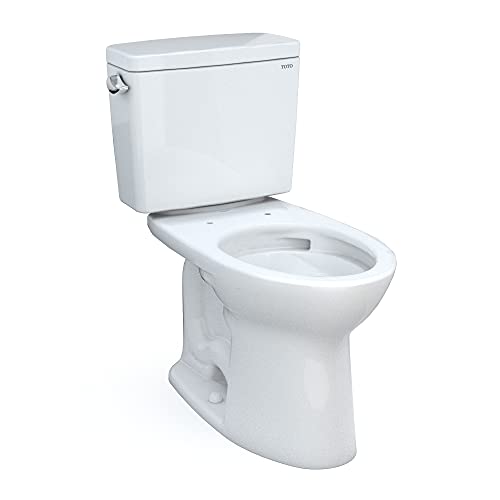
TOTO's G-Max flush valve uses a wide-diameter 3-inch flapper with a long-rated rubber compound, and the Drake line posts 1000-gram MaP scores at 1.28 GPF, meaning you get maximum flush confidence on a toilet engineered to need fewer internal repairs.
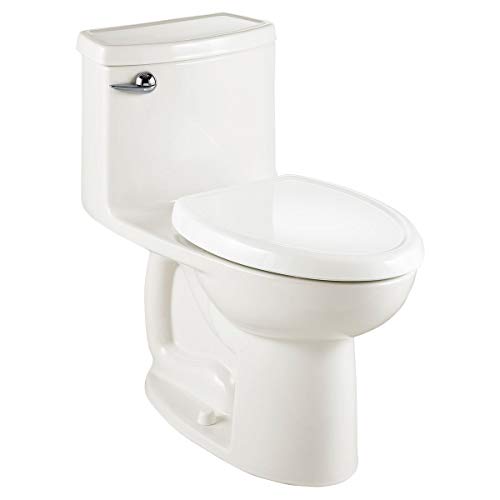
Check price on AmazonThe Cadet 3 uses standard-size parts that are stocked at every hardware store nationally, which means a positive dye test can be resolved with a same-day repair using a universally available flapper. MaP score of 1000 grams at 1.28 GPF makes it one of the most cost-effective performers available.
Check price on AmazonThe Cimarron's Class Five flush system and 3-inch AquaPiston canister valve replaces the traditional flapper entirely with a 360-degree opening canister seal, which Kohler rates for a significantly longer service life and which owner reviews consistently credit with fewer repeat leak episodes.
Check price on AmazonThe Kohler AquaPiston canister valve deserves special mention for anyone who has done a dye test more than once on the same toilet. The canister design opens from all sides simultaneously, which is why Kohler calls it 360-degree flush. More importantly for leak prevention, the sealing ring on a canister valve sits on a wider, flatter surface than a traditional flapper, which makes it far more resistant to the mineral scale buildup that causes positive dye tests on older toilets with conventional flat-seat flush valves. If your current toilet has needed repeated flapper replacements, a Kohler Cimarron or Highline with the AquaPiston valve is the specific design change worth making.
Annual testing takes under thirty minutes for an entire house and costs nothing beyond a bottle of food coloring. Most households have two or three toilets, so testing all of them in one session makes sense. A toilet that passes the dye test cleanly every year for a decade is a durable model with well-maintained internal parts. A toilet that fails the test two years in a row, particularly in a home with soft water that should not accelerate rubber degradation, may have a flush valve seat problem that flapper replacement alone will never fix permanently.
Pay particular attention to guest bathrooms and basement toilets that see lower use. Toilets that are rarely flushed allow the flapper rubber to dry out and lose its conforming flexibility faster than toilets used daily, because the rubber relies on being regularly wetted to stay supple. A toilet that sits dormant for several weeks and then fails a dye test when the house is full of visitors is following exactly this pattern. Running a quick flush weekly in rarely used bathrooms extends flapper life noticeably and reduces the frequency of positive dye test results.
The dye test is the standard first step, but it is worth knowing where it sits relative to other detection methods so you can choose the right tool for your situation.
| Method | Detects | Cost | Time | Best For |
|---|---|---|---|---|
| Dye / food coloring test | Tank-to-bowl flapper leak | Free | 15 to 30 min | First-line diagnosis for all toilets |
| Water meter check | Any household leak | Free | 1 to 2 hours | Quantifying total water loss |
| Tank pencil-line test | Rate of tank drain | Free | 30 min | Confirming flapper vs overflow tube |
| Acoustic leak detector | Supply line and base leaks | Rental or pro | 1 hour | Leaks hidden inside walls or floor |
| Thermal imaging | Moisture behind walls | Pro only | 1 to 2 hours | Suspected slow leaks in slab or wall |
The water meter check pairs well with the dye test. Turn off every water-using appliance and fixture in the house and read the meter, then read it again 90 minutes later without using any water. If the reading has changed, something is leaking. The dye test then narrows the source to the toilet tank if that is where the problem lies. Used together, these two free tests can conclusively identify a toilet leak without any specialized equipment.
Wait at least 15 minutes and do not flush the toilet during that time. For slow or intermittent leaks, a 30-minute wait gives more reliable results. Extending the test beyond 30 minutes rarely changes the outcome and can leave residual staining on bowl surfaces.
Yes. Any concentrated food coloring works. Blue and green are easiest to see in white porcelain. Use 10 to 15 drops for a clear result. Avoid diluted liquid colors; the more concentrated the dye, the easier it is to detect even a slow seep.
Food coloring at typical dye test concentrations will not permanently stain porcelain. After the test, flush once or twice and scrub lightly with a toilet brush. Any remaining tint clears within a few flushes. Grout and caulk can absorb color more readily, so avoid dripping dye on them.
Color appearing in the bowl within one or two minutes indicates a significant flapper leak with a large gap in the seal. This size of leak can waste over 100 gallons per day. Replace the flapper immediately and run a second dye test to confirm the fix.
A negative dye test rules out a flapper leak into the bowl but not all toilet leaks. Check whether the fill valve is cycling on without a flush (indicating overflow tube overfill). Then check all other household fixtures: dripping faucets, a leaking dishwasher supply line, and irrigation system valves are common sources of unexplained high water bills.
The EPA estimates a leaking toilet wastes between 20 and 200 gallons per day. A slow flapper seep at the lower end adds about 7,000 gallons per year. A large gap in the flush valve seat can waste 60,000 to 70,000 gallons annually. That is equivalent to running a garden hose for over a month continuously.
Food coloring at dye test amounts (10 to 15 drops) is safe for septic systems. It is biodegradable, non-toxic, and used in quantities far too small to affect bacterial activity in a septic tank. Commercial dye tablets formulated for toilet testing are also septic-safe; check the package label if you have any concern.
A positive dye test is the definitive answer. Visual signs that suggest a flapper is near end of life include a chalky, discolored, or crumbly rubber surface, visible warping or cupping when you lift the flapper out, and a dark mineral ring around the flush valve seat where the flapper has been leaking slowly. Most flappers last three to five years under normal conditions.
Many municipal water utilities in the United States offer free toilet dye tablets to customers who ask for them, often as part of water conservation programs. Contact your local utility by phone or check their website for a conservation kit. The EPA WaterSense program also works with utilities to distribute testing materials in areas with water scarcity concerns.
Intermittent leaks are usually caused by a flapper that partially seals and then shifts slightly open as the rubber warms, or by a flapper that sits crooked on the seat and moves with water currents inside the tank. An intermittent leak can be harder to catch with the dye test, which is why the 30-minute wait time is recommended over 15 minutes for toilets that run only occasionally.
The size refers to the diameter of the flush valve opening the flapper seals. A 3-inch flush valve moves more water faster and is standard on TOTO, Kohler Class Five, Gerber Viper, and most modern high-performance toilets. A 2-inch valve is found on older and lower-cost toilets. Using the wrong size flapper guarantees a positive dye test result, so always match the flapper to the valve size stamped on the flush valve or listed in the toilet's spec sheet.
Running a dye test on a newly installed toilet is a useful 15-minute quality check after installation. Shipping damage, a kinked chain, or a flapper seated slightly off-center during installation can all cause a leak from day one. Testing early catches these problems before they drive up a water bill or go unnoticed for months.
A crack in the toilet tank below the water line can let water escape into the bowl if the crack runs from the tank bottom down through the flush valve port. This is rare. A much more common presentation of a cracked tank is water on the floor around the toilet, not color in the bowl. If the dye test is positive and the new flapper does not fix it, inspect the bottom of the tank interior for hairline cracks before assuming the flush valve seat is at fault.
A standard rubber flapper costs between two and eight dollars at hardware stores. A brand-specific flapper for TOTO or American Standard Champion 4 models runs slightly higher, typically five to fifteen dollars. Labor to replace a flapper professionally averages 50 to 150 dollars including parts, but the repair requires no tools and is routinely completed as a DIY job in under ten minutes.
Adjusting the fill valve addresses a different problem: the tank overfilling into the overflow tube. A positive dye test (color appearing in the bowl) is caused by the flapper leaking, not by the fill valve running long. Adjusting the fill valve height will not fix a flapper leak. Both issues can coexist in the same toilet, which is why it is worth checking the overflow tube level and running the dye test in the same session.
Kohler's AquaPiston canister valve, found in the Cimarron, Highline, and Memoirs, uses a full-circumference canister seal rather than a flat flapper, making it more resistant to scale buildup causing a positive dye test. TOTO's flush valve on the Drake and UltraMax II uses a precision-molded flapper with a longer service life than most universal replacements. American Standard's Champion 4 and Cadet 3 use large-diameter valves with simple, widely available parts that are easy to swap on the rare occasion they fail.
Yes. Hard water deposits calcium and magnesium scale on the flush valve seat in a ring exactly where the flapper presses. Even a thin layer of scale prevents the rubber from seating flat and causes a leak detectable by dye test. In areas with water hardness above 200 mg per liter, flappers may need replacement every 12 to 24 months rather than every three to five years. Descaling the flush valve seat with white vinegar when replacing the flapper extends the life of the new part significantly.
No. The dye test procedure is identical for dual-flush toilets from Swiss Madison, Woodbridge, and TOTO (Aquia IV). Add dye to the tank, wait 15 minutes, and check the bowl. Dual-flush toilets use a tower-style flush valve with a sealing gasket rather than a traditional flapper, but the diagnostic logic is the same: color in the bowl means the seal is failing and needs replacement.
Pressure-assist toilets like those using the Flushmate system have a sealed pressure vessel inside the tank rather than a water-filled tank in the traditional sense. The dye test is not applicable to the internal pressure vessel, which does not use a flapper. Leaks in pressure-assist toilets most commonly occur at the supply line, the flush valve button assembly, or the tank-to-bowl gasket, and those are diagnosed visually by inspecting for water on the exterior rather than by dye testing the tank.
The toilet dye test is the fastest and cheapest diagnostic in home plumbing: 15 minutes and a few drops of food coloring give you a definitive, no-guesswork answer on whether your toilet tank is leaking into the bowl. A positive result almost always means a worn flapper, a two-to-eight dollar part anyone can replace without tools. If the same toilet fails the test repeatedly within a short period, the flush valve seat has a scale or damage problem that is better solved by replacing the entire toilet with a MaP-tested, EPA WaterSense-certified model from TOTO, Kohler, American Standard, or Gerber, where factory-engineered flush valve geometry and durable rubber compounds reduce the frequency of this repair to nearly zero within the first five years of ownership.
Learn why toilet trapways curve like an S, how each bend blocks sewer gas, and what the shape means for clogs and…
Read the guideAlmost every US toilet has a left-side handle. Learn the plumbing and mechanical reasons behind the layout and when it actually changes.
Read the guideHome toilets rely on tanks because household water lines lack the pressure that public flushometer systems use to flush straight from the…
Read the guide