
Best Black Toilets (2026)
Toilets4.6
Black has moved from a rare custom-order finish to a real stocked color across several major toilet brands, giving buyers a bold,…
Read the guidePractical, evidence-based habits for a cleaner, safer, and genuinely respectful bathroom experience at home and in public.
Research updated June 2026.
Good toilet hygiene combines a consistent cleaning schedule (bowl scrub at least twice a week, full surface wipe-down weekly), proper flushing habits that close the lid before every flush, and shared-space etiquette that protects other users. A hygienic toilet is not just about cleanliness: it prevents cross-contamination, reduces odor, and extends fixture lifespan.
A flushing toilet generates a fine aerosol cloud called "toilet plume." Research published in peer-reviewed microbiology journals has measured pathogen-laden droplets traveling up to 1.5 meters from an open bowl during a flush, settling on nearby surfaces within seconds. Consistent hygiene practices including lid-down flushing, frequent surface cleaning, and proper handwashing form the primary barrier against this contamination pathway.
Most household bathrooms host between 200,000 and 500,000 bacteria per square inch on toilet surfaces, according to microbiological surface studies. That figure sounds alarming, but the majority are harmless environmental bacteria. The genuine risk comes from fecal pathogens: E. coli, Salmonella, norovirus, and rotavirus can survive on hard surfaces from a few hours to several days, depending on humidity and surface material. A glazed porcelain bowl with a smooth, non-porous surface retains fewer pathogens than old, cratered, or unglazed ceramic, which is one reason brands like TOTO invest in EvaClean and CeFiONtect nano-glaze coatings designed to repel waste particles and mineral scale.
Beyond pathogen control, consistent hygiene protects the toilet itself. Mineral deposits, uric scale, and hard-water calcium accumulation inside the bowl and under the rim accelerate surface erosion, encourage staining, and reduce the effectiveness of the flush by narrowing rim holes and the trapway. An American Standard Cadet 3 or TOTO Drake maintained with weekly cleaning will flush more powerfully at year five than a neglected unit of the same model.
Environmental health specialists recommend closing the toilet lid before flushing as the single highest-impact behavioral change most households can make. The lid acts as a physical barrier that reduces aerosol dispersal by an estimated 50 to 80 percent in controlled lab settings. If your current toilet lacks a lid that seals properly, consider models designed with slow-close, full-coverage lids such as those on the TOTO UltraMax II or Kohler Cimarron.
Most household toilets used by one to two people daily need a bowl scrub at least twice per week and a full exterior wipe-down including seat, lid, tank, and base once per week. High-traffic bathrooms used by three or more people, or guest bathrooms after events, warrant daily bowl treatment and a full clean every three to four days. Visible soiling or odor should always trigger an immediate clean regardless of schedule.
The cleaning frequency guidance above aligns with recommendations from public health agencies in the United States and United Kingdom. The rationale: bacteria populations on toilet surfaces roughly double every 24 hours under typical bathroom humidity conditions. A twice-weekly bowl scrub keeps microbial loads well below the thresholds associated with cross-contamination risk during normal use.
For households with infants, immunocompromised members, or individuals recovering from gastrointestinal illness, daily cleaning of all contact surfaces including the flush handle or button is appropriate. Many users find that low-maintenance features on modern toilets significantly reduce cleaning effort. The Kohler Highline Arc, for example, features a slow-close seat with quick-release hinges that allow the seat to be removed completely for deep cleaning in under 30 seconds. The American Standard Champion 4 uses a fully glazed 2 3/8-inch trapway and EverClean antimicrobial surface that actively inhibits the growth of mold, mildew, and bacteria between cleans.
| Usage Pattern | Bowl Scrub | Seat / Lid Wipe | Full Exterior Clean | Deep Clean |
|---|---|---|---|---|
| 1 to 2 people | 2x per week | Weekly | Weekly | Monthly |
| 3 to 4 people (recommended baseline) | 3x per week | Every 3 to 4 days | Every 3 to 4 days | Monthly |
| 5+ people or family with young children | Daily | Every 2 days | Every 2 days | Bi-weekly |
| After illness (GI / diarrheal) | Daily during illness | Daily | Daily | Immediately after recovery |
| Guest bathroom (event use) | Before and after event | Before event | Before event | After event |
Always clean a toilet from the least contaminated area to the most: start with the tank exterior, then the lid top, lid underside, seat top, seat underside, bowl rim, inside the bowl, and finally the base and floor connection. This top-to-bottom sequence prevents transferring bacteria from the bowl back to surfaces people touch. Use a dedicated toilet brush only for the interior bowl, and discard or disinfect single-use wipes after each zone.
The sequence matters because the bowl interior, especially under the rim where water jets exit, harbors the highest concentrations of pathogens and mineral scale. Working from clean to dirty zones ensures you never spread bowl-level contamination to surfaces users contact with bare hands or clothing. Here is a step-by-step process backed by public health cleaning guidance:
Bleach-based cleaners are effective against a broad spectrum of pathogens but should never be mixed with ammonia-based products (including some multi-surface sprays) as this produces toxic chloramine gas. For households preferring non-bleach options, hydrogen-peroxide-based disinfectants and citric-acid bowl cleaners have published efficacy data against common toilet pathogens, including norovirus and E. coli, at appropriate concentrations and dwell times.
The only items that should enter a toilet bowl are human waste and toilet paper. Wipes labeled "flushable" by manufacturers frequently fail to disperse in sewer systems and are a leading cause of residential clogs and municipal pump station blockages. Cotton balls, paper towels, dental floss, medications, and feminine hygiene products cause significant plumbing damage and should be disposed of in a trash bin.
Even high-MaP-rated toilets designed for maximum clog resistance can be overwhelmed by non-flushable materials. The MaP (Maximum Performance) testing protocol by Veritec Consulting measures the maximum mass of soybean paste (simulating solid waste) a toilet can evacuate in a single flush. Top-performing models like the American Standard Champion 4 achieve MaP scores of 1,000 grams -- the protocol's maximum -- but this performance is calibrated exclusively for waste and toilet paper. Foreign objects bypass the testing parameters entirely.
Common items people incorrectly flush include:
If a non-flushable item has already entered the bowl, retrieve it with gloved hands before flushing. Flushing even once with a foreign object present can lodge it in the trapway. Toilets with fully glazed 2-inch or larger trapways -- such as the TOTO UltraMax II (2 1/8 inches) and American Standard Cadet 3 (2 1/8 inches) -- have slightly more tolerance but are not immune. For a broader guide to selecting a toilet built for maximum clog resistance, see our best flushing toilets roundup and our in-depth look at clog-resistant toilet designs.
Shared bathroom etiquette centers on leaving the space in at least the same condition you found it: flush completely, wipe up visible splash or mess on the seat and rim, replace the toilet paper roll if you finish it, and wash hands thoroughly with soap and water for a minimum of 20 seconds. In household shared bathrooms, establishing a posted cleaning rotation and keeping supplies accessible removes ambiguity about responsibility.
Etiquette is not purely social courtesy; it has direct hygiene consequences for the next user. In public restrooms, studies on fomite transmission demonstrate that contaminated toilet seat surfaces, door handles, and flush actuators serve as indirect transmission routes for gastrointestinal pathogens. Proper etiquette behaviors that reduce this risk include:
The seat-up versus seat-down debate often distracts from the more important hygiene principle: the lid should always be down before flushing, regardless of whether the seat is up or down. In households where the toilet is near the sink or toothbrush storage, a toilet plume study at the University of Arizona found that pathogen-contaminated particles settled on toothbrushes within the first six flushes of moving the brush into proximity. Lid-down flushing and strategic storage of dental items outside the toilet radius are both practical risk reducers.
Nano-glaze bowl coatings (TOTO CeFiONtect, American Standard EverClean), rimless or open-rim flush designs that eliminate hidden bacteria harboring under the rim, slow-close quick-release seats for thorough under-seat cleaning, and touchless flush actuators collectively provide the most measurable hygiene improvements over a standard toilet. These features reduce manual cleaning effort, minimize surface contact, and inhibit bacterial growth between sessions.
Modern toilet engineering increasingly addresses hygiene as a primary performance metric alongside flushing power. Here is how specific technologies map to hygiene outcomes:
For detailed comparisons of toilet hygiene features by model, see our guides on bowl coating technologies and rimless toilet designs.
Gerber's Viper and Avalanche models use a class-six siphonic action and a fully glazed trapway that, combined with their EasyClean coating, consistently earn strong user reviews for maintaining visible cleanliness between weekly scrubs. For buyers who prioritize low-maintenance hygiene, evaluating a toilet's bowl coating and trapway glazing at purchase is as important as checking its MaP score or EPA WaterSense certification.
Persistent toilet odors originate from one of four sources: uric scale under the rim, a faulty or dry wax ring seal at the toilet base, a cracked toilet base or bowl, or a failing internal flapper that allows sewage gas to enter from the trap. Masking sprays only address airborne compounds temporarily. Permanent elimination requires identifying and resolving the structural or sanitary source, followed by enzymatic cleaner treatment for biological residue.
Odor diagnosis is systematic. The most common household toilet odor culprit is uric acid crystallization in the rim jets and along the trapway walls. Standard bowl cleaners do not fully dissolve uric scale; an enzymatic cleaner or a dedicated uric-acid descaler allowed to dwell overnight eliminates the bacterial colonies metabolizing urine residue into ammonia-scented compounds.
If the odor smells like sewage rather than urine or general bathroom odor, suspect the wax ring. The wax ring seals the toilet horn to the drain flange, and a broken or compressed ring allows sewer gas (primarily hydrogen sulfide and methane) to seep into the bathroom from below the toilet. This repair requires removing and resetting the toilet with a new wax ring, a process accessible to a competent DIYer and takes one to two hours. Cracked toilet bases produce the same symptom and indicate that replacement of the entire fixture is necessary. Our guide on toilet base repair and replacement covers the full diagnostic process.
A dry P-trap (the water-filled curved pipe section visible under sinks) is relevant to bathroom odor in general but toilets have an integral water seal in the bowl that maintains itself with use. An unused toilet left for several weeks in a vacation property can lose its trap water through evaporation, allowing sewer gas entry. A single flush restores the seal. Adding a cup of water with a small amount of mineral oil extends the evaporation interval when a toilet will be unused for extended periods.
Sitting on a disinfected or covered toilet seat poses minimal infection risk for healthy individuals. Urine is typically sterile, and skin-to-seat contact does not constitute a high-risk transmission route for most pathogens. Hovering above the seat without sitting is associated with incomplete bladder emptying in some users and increased splash onto the seat surface for the next user.
Survival times vary by pathogen. E. coli can persist on dry hard surfaces for one to two hours to several days depending on temperature and humidity. Norovirus survives on hard surfaces for days to weeks under favorable conditions. Staphylococcus aureus has been detected on toilet surfaces more than 24 hours after contamination events. Regular disinfection at cleaning intervals is the most reliable control measure.
Yes. Multiple published studies, including research from the University of Colorado and independent lab analyses, document measurable reductions in airborne bacterial and viral particle counts when a toilet lid is closed before flushing. The reduction in detectable particles settling on surrounding surfaces ranges from 50 to over 80 percent depending on flush type and bathroom ventilation.
Enzymatic cleaners and concentrated citric-acid or oxalic-acid-based products are most effective against uric scale. Bleach-based cleaners sanitize but do not dissolve mineral deposits. For severe scale buildup inside rim jets, an overnight application of a thick-gel citric acid cleaner with the rim jets stuffed with soaked toilet paper strips maximizes contact time and efficacy.
Use a flat-head toilet brush or a purpose-designed rim cleaner with a curved angled head that reaches into the rim channel. Apply a gel or thick liquid cleaner under the rim, allow five to ten minutes of dwell time, then scrub the full circumference of the rim interior. Angled mirrors or a flashlight confirm whether scale deposits have been fully removed from rim jets.
Yes. A toilet brush stored wet in a closed holder with no airflow harbors the same bacterial populations it was used to remove. Rinse the brush thoroughly after each use, allow it to drip-dry with the brush resting horizontally across the open holder before stowing, and replace brushes every six to twelve months. Silicone-head brushes dry faster and shed fewer bristles than nylon-head models.
Put on disposable gloves and a surgical mask before cleaning. Remove any solid contamination with disposable paper towels, bagging them immediately. Apply an EPA-registered disinfectant with a norovirus or gastroenteritis kill claim at the correct concentration and allow the full label dwell time (typically five to ten minutes). Clean all surfaces from tank to base, including the flush handle. Wash hands thoroughly after removing gloves.
Toilet paper holders within 1 meter of an open toilet bowl can collect aerosol deposits on the paper. Holders with a cover or a closed design limit this. From a purely practical standpoint, the risk associated with toilet paper surface contamination is low compared to direct contact surfaces like handles and seats, but closed or wall-recessed holders are preferable in bathrooms where hygiene is a priority.
Yellow staining is caused by uric acid crystallization (common in male-use toilets), iron in the water supply, or a combination of both. For uric staining: weekly enzymatic cleaner use prevents buildup. For iron staining: a dedicated iron-removing toilet cleaner (typically containing oxalic acid) addresses existing deposits; a whole-house or point-of-use iron filter prevents recurrence. Toilets with nano-glaze coatings stain significantly less quickly than standard porcelain.
Rim blocks that clip to the bowl's rim and release cleaning agents with each flush help maintain between-clean freshness and reduce minor scale buildup. Tank tablets that drop color into the tank water are less recommended: many contain chemicals that can degrade rubber flappers and fill valves over time, leading to silent leaks and wasted water. If you use tank products, choose formulations explicitly labeled as safe for toilet rubber components.
Wet hands with clean water, apply soap (bar or liquid, not antibacterial concentration required for home use), lather all surfaces including backs of hands, between fingers, and under nails for at least 20 seconds, rinse thoroughly under running water, and dry with a clean towel or air dryer. The CDC specifically notes that the friction and mechanical action of 20-second scrubbing is what removes pathogens, not the soap chemistry alone.
Bidet use is widely associated with reduced toilet paper consumption and improved perineal hygiene. A bidet seat reduces the mechanical spreading action associated with toilet paper wiping and delivers a targeted water stream that can reduce fecal residue more thoroughly. Bidet nozzles require periodic self-cleaning cycles (most modern seats including add-on units have an automatic nozzle rinse function) to prevent biofilm accumulation on the spray wand itself.
Toilet seat hinges accumulate urine residue, dust, and biofilm in crevices that a standard wipe does not reach. On seats with fixed hinges, use a cotton swab soaked in disinfectant to reach hinge gaps. On quick-release seats (Kohler Cimarron, American Standard Cadet 3 with matching seat), unclip the seat completely and clean the hinge bolts and seat attachment points under running water, then dry before reattaching. Inspect bolt caps annually for cracking, which creates additional residue traps.
If odor persists after thorough cleaning, investigate three areas: the wax ring seal at the toilet base (failing seals allow sewer gas entry), the toilet tank interior (mold and biofilm inside the tank produce musty odors that are not addressed by bowl cleaning), and the toilet caulking at the floor (old caulk can harbor odor-producing bacteria). Remove and replace deteriorated floor caulking and treat the tank interior annually with a bleach-and-water solution followed by a full flush cycle.
Yes, though most households do this less frequently than bowl cleaning. The tank interior is a moist, dark environment where mineral scale, iron staining, and mold can develop, particularly in hard-water regions. An annual deep clean with a diluted bleach solution (one cup of bleach per gallon of water, allowed to sit for 30 minutes before flushing) removes buildup and prevents the brown water-ring staining that develops when tank deposits dislodge into the bowl during a flush.
Use an EPA List N disinfectant (the agency's official list of products effective against SARS-CoV-2 and other emerging viral pathogens) at the concentration and dwell time on the product label. Prioritize all high-contact surfaces: flush handle, seat, lid, and the toilet exterior. Wear gloves and ventilate the bathroom during and after cleaning. Dispose of cleaning materials in a sealed bag.
Adequate water pressure ensures complete bowl rinsing after a flush, which is a direct hygiene factor. Most toilets are designed to perform at 20 to 80 PSI inlet pressure. Below 20 PSI, fill times extend and the flush volume delivered to the bowl may be insufficient for complete waste evacuation and rim-jet rinsing. If your home has low water pressure, look for pressure-assist models or toilets with large siphon jets designed for lower-pressure operation.
Epidemiological studies on household illness transmission consistently identify shared bathrooms as a significant route for gastrointestinal illness spread within families. The combined effect of lid-down flushing, regular surface disinfection, and proper handwashing has been modeled to reduce household gastroenteritis transmission by up to 40 percent in some studies. These behaviors are especially impactful in homes with young children, elderly residents, or individuals with compromised immune function.
Cat feces specifically carries Toxoplasma gondii, a parasite that wastewater treatment does not reliably eliminate. Even "flushable" cat litter should be disposed of in sealed bags in the household trash. Some municipalities provide designated pet waste disposal bins. Never flush cat waste, dog waste, or litter regardless of packaging claims, both for plumbing protection and for the protection of aquatic ecosystems downstream.
Well water frequently contains higher concentrations of iron, manganese, calcium, and magnesium than treated municipal water. These minerals accelerate bowl staining, scale formation inside the tank and trapway, and rim jet clogging. Well-water households typically benefit from monthly descaling treatments (citric or oxalic acid) rather than quarterly, and should consider a water softener or iron filter at the supply line. The cleaning schedule remains the same; the descaling frequency increases.
A hygienic toilet is the result of consistent, evidence-based habits rather than any single product or cleaning product. Close the lid before every flush, clean the bowl at least twice a week using a cleaner with adequate dwell time, work from least to most contaminated surfaces, and never flush anything other than waste and toilet paper. Selecting a toilet with a nano-glaze coating, quick-release seat, and fully glazed trapway from manufacturers like TOTO, Kohler, American Standard, or Gerber meaningfully reduces the effort required to maintain these standards between sessions. Strong hygiene habits and a well-designed fixture work together: neither substitutes for the other.
How we rank & our data sources
We do not run physical lab tests. Rankings are built from published, verifiable data and real owner feedback, never paid placement.
Researched by Marcus Bell · Last updated March 22, 2026 · Our review method
Black has moved from a rare custom-order finish to a real stocked color across several major toilet brands, giving buyers a bold,…
Read the guide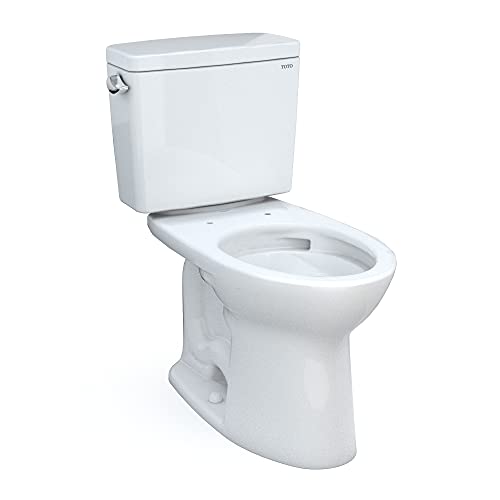
White is still the finish nearly every toilet on the market ships in first, which means it is also the finish with…
Read the guide
Almond was one of the most common toilet colors installed in American homes from the late 1980s through the early 2000s, and…
Read the guide