
Why Toilet Trapways Are Curved Like an S
Toilets4.6
Learn why toilet trapways curve like an S, how each bend blocks sewer gas, and what the shape means for clogs and…
Read the guideIf a normal wad of toilet paper backs up your bowl, the paper is rarely the real problem. A toilet that clogs on paper alone almost always pairs a narrow or unglazed trapway with a flush too weak to build a proper siphon, and the fix is part habit, part maintenance and part fixture. This guide walks through exactly why toilet paper clogs happen, how to clear one safely, and the proven steps to stop it for good, ranked by what the data on flush power, trapway design and water use actually shows.
A toilet that clogs on toilet paper has a weak flush, a narrow or unglazed trapway, or a low tank water level. Use less paper and a faster-dissolving single-ply, set the tank to its fill line, and plunge to clear blockages. If clogs persist after a strong flush, replace the bowl with a 1,000-gram MaP toilet like the TOTO Drake.
Few household problems are as quietly maddening as a toilet that clogs on toilet paper alone. You use what feels like a normal amount, press the lever, and the water rises instead of falling. It happens again the next day, and soon you are rationing squares and keeping a plunger in plain sight. The instinct is to blame the paper or the drain, but in the overwhelming majority of homes the toilet itself is the bottleneck. Toilet paper is designed to break apart in water, so when a reasonable amount of it will not clear, the bowl is telling you that its flush is too weak or its trapway too narrow to do the one job it exists for.
This guide is built on the same principle we use across every ranking on the site: clog resistance is measurable before you ever touch a plunger. We do not install or flush-test toilets ourselves. Instead we compare published manufacturer specifications, independent MaP (Maximum Performance) flush-test grams, trapway diameter and glaze, flush-valve size, EPA WaterSense certification and the patterns across thousands of aggregated owner reviews. Below you will find the real reasons a toilet clogs on paper, the safe way to clear it, the habit and maintenance fixes that solve most cases, and the specific replacement toilets worth buying if the bowl is simply built wrong. For the broadest performance-first ranking across every flush type, start with our guide to the best flushing toilets.
We do not test toilets in a lab. We compare manufacturer specifications, published MaP (Maximum Performance) flush-test gram scores, EPA WaterSense listings, flush-valve and trapway dimensions, and aggregated owner ratings across major retailers. Where a fix or a fixture clearly suits a situation better, we say so plainly rather than offering a generic checklist.
Toilet paper itself almost never clogs a properly working toilet. It is engineered to start disintegrating the moment it gets wet, which is exactly what separates it from a paper towel or a wipe. When paper will not clear, something is robbing the flush of the force it needs. The most common culprit is simply too little water entering the bowl fast enough to build a siphon, the suction that pulls everything down the trapway and into the drain. Without that siphon, the flush becomes a gentle rinse that floats the paper rather than carrying it away, and a wad settles in the trap. Over a few flushes that wad packs tighter until the bowl backs up.
The second major cause is the trapway itself: the S-shaped channel inside the toilet that waste and paper must travel through. If it is narrow, under about 2 inches, or unglazed so its surface is slightly rough, paper catches and builds up. Many budget and older toilets have exactly this combination of a weak flush and a small trapway, which is why they clog on paper that a well-designed bowl would never notice. If you keep clogging across many different toilets, read Why Does My Toilet Keep Clogging? Causes and Fixes for the wider diagnostic.
The right tool matters more than brute force. A cheap cup plunger struggles to seal a toilet drain, so use a flange plunger, the kind with an extended rubber sleeve that folds out to fit the bowl outlet. Insert it so the flange seats inside the drain opening, make sure there is enough water in the bowl to cover the plunger head, then push down and pull up with steady force for several strokes. The goal is to move water back and forth through the trapway, which breaks up and dislodges the paper rather than just compressing it. Paper clogs usually clear faster than solid clogs because the paper softens and falls apart with agitation.
If plunging does not clear it within a minute or two, give the paper time to dissolve. Add roughly a half gallon of hot tap water, never boiling water, which can crack porcelain, and a generous squirt of liquid dish soap, then wait 10 to 15 minutes. The hot water and soap soften and lubricate the wad so the next round of plunging works. For a clog that resists everything, a closet auger (toilet snake) with a rubber sleeve feeds a flexible cable through the trap to break up or retrieve the blockage without scratching the glaze. Avoid chemical drain cleaners in a toilet, since they are formulated for sinks, work poorly on paper, and can damage the bowl and seals.
The single most common way a minor paper clog becomes a floor-flooding mess is repeated flushing. If the water rises instead of draining, do not flush again hoping it clears. Each flush adds more water with nowhere to go. Take the tank lid off and close the flapper by hand if the bowl is near the rim, then clear the clog before adding any more water.
Not all toilet paper behaves the same way once it hits water, and the difference is large. Plush, quilted and lotion-treated papers are built to feel soft and stay intact, which is the opposite of what a marginal toilet needs. They hold together far longer in the trapway, so a weak flush cannot break them down before they settle. Single-ply and basic two-ply papers, and anything labeled septic-safe or rapid-dissolving, fall apart in seconds, which lets even a modest flush carry them away. If your toilet clogs on paper, the very first thing to try, before any tool or replacement, is switching brands to a thinner, faster-dissolving paper and using fewer sheets per flush.
Stopping paper clogs follows a clear order, from free habit changes to maintenance to replacement. Start with the cheapest fixes and only escalate if they do not work. Most toilets that clog on paper are cured at the habit or maintenance stage, and only the genuinely poorly designed ones need a new fixture. The sections below break each stage down so you can work through them methodically rather than guessing.
Begin with behavior, because it is free and fixes a large share of cases. Use fewer squares per flush, and if you tend to use a lot, flush midway through rather than sending one large wad at once. Switch from plush or quilted paper to a thinner single-ply or two-ply, or a septic-safe rapid-dissolving brand. This alone resolves many borderline toilets, because the paper now breaks apart before it can pack into the trap. It costs nothing beyond a different package at the store and is the smartest first move for any clog-prone bowl.
A weak flush is the leading mechanical cause of paper clogs, and most weak flushes come from a few simple, fixable issues. Take the tank lid off and look at three things. First, the water level: it should sit at the marked fill line, usually about an inch below the top of the overflow tube. If it is low, adjust the fill valve or float up so the tank holds its full charge of water, since the tank volume is what powers the flush. Second, the flapper: a warped or worn flapper closes too early and cuts the flush short before the tank fully empties, so a flush that should deliver a full 1.28 or 1.6 gallons delivers far less. Replacing a worn flapper is a quick, inexpensive repair that restores flush force immediately. Third, the chain: it should have just a little slack, not so much that it tangles and not so tight that it holds the flapper open. Our guide on how to improve toilet flush power covers each of these adjustments in detail.
Over time, mineral deposits and bacterial buildup partially block the small rim holes under the bowl lip and the larger siphon jet at the bottom front of the bowl. These openings direct water into the bowl and create the swirl and siphon that carry paper away. When they clog, the flush loses its directed force and becomes a weak, uneven rinse. Look under the rim with a mirror and small flashlight: if water trickles unevenly or some holes are crusted, clear them. A length of stiff wire or an old toothbrush, plus a descaling soak with white vinegar held against the rim, reopens the jets and often restores a flush that had quietly weakened over years. A toilet that suddenly started clogging on paper after working fine for a long time is very often suffering from blocked jets.
If the toilet flushes strongly but paper still backs up, the issue may be downstream. A blocked plumbing vent, the pipe that lets air into the drain system, can cause a slow, gurgling flush that struggles to carry paper. A partial blockage in the trapway or drain line from an earlier clog can do the same. Listen for gurgling and watch whether the bowl drains slowly even when not clogged. If the flush is strong and the jets are clear but the bowl drains sluggishly, read Toilet Not Flushing Properly? Here Is How to Fix It for how to check the vent and clear a deeper blockage before assuming the toilet is the problem.
If you have changed paper habits, restored the tank water level, replaced the flapper and cleared the jets, and the toilet still clogs on a normal amount of paper, the bowl is simply built wrong. A narrow trapway under 2 inches, an unglazed passage and a low MaP score cannot be fixed with maintenance, because the limitation is the casting itself. At that point a replacement toilet with a wide glazed trapway and a 1,000-gram MaP flush is the permanent fix, and it usually pays for itself in ended frustration within the first week. For interim flush improvements short of replacement, our weak toilet flush fix guide lists what is worth trying first.
The order of these steps is deliberate. Most people jump straight to blaming the toilet or buying a new one, when the actual fix is a five-dollar flapper or a vinegar soak of the rim jets. Work top to bottom: change paper habits, then restore the flush, then clear the jets. If a toilet still clogs on a normal wad of paper after a strong, full flush, you have proven the bowl is the limitation, and only then is replacement the right call. That sequence saves most people the cost of a new fixture entirely.
The MaP test exists precisely because flush power claims on a box are meaningless without independent verification. A toilet rated 1,000 grams cleared the heaviest test load the protocol uses, which means it has enormous headroom over the modest demand a wad of toilet paper actually places on it. A toilet sitting near the 350-gram pass line, by contrast, has little margin, so anything beyond a perfectly average load, including a generous helping of plush paper, can defeat it. If paper clogs are a recurring problem and you are replacing the toilet, aiming for 800 to 1,000 grams on MaP is the simplest way to guarantee the new bowl never struggles with paper again. You can verify any model's score directly at map-testing.com before you buy.
If maintenance and habit changes have not solved it, these three models end paper clogs through a wide glazed trapway and a strong, verified flush. Each posts a top MaP score, so a wad of toilet paper is never close to their limit. Two flush at the EPA WaterSense 1.28-gallon standard, while the widest-trapway pick uses a little more water by design.
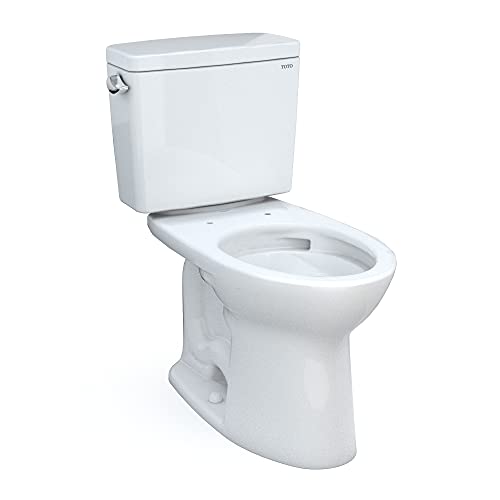
A 1.28-gallon gravity toilet with a glazed 2.125-inch trapway and TOTO's G-Max siphon that clears a 1,000-gram MaP load. Paper clogs are not in its vocabulary, and parts are everywhere.
Check price on AmazonA 1.28-gallon toilet with Kohler's Class Five canister flush and a 2.125-inch trapway, hitting a 1,000-gram MaP score for less than the premium models. A strong, decisive flush that paper cannot defeat.
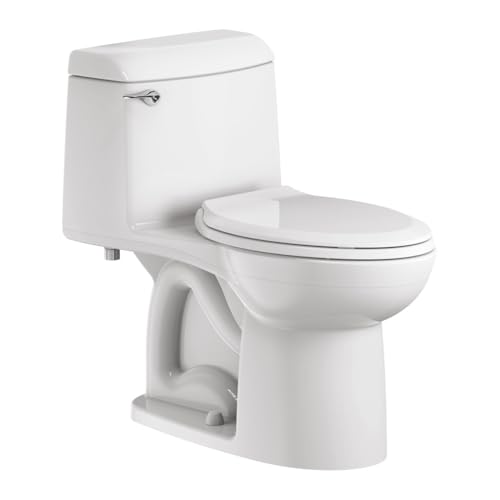
Check price on AmazonA 1.6-gallon gravity toilet with a 4-inch flush valve and an extra-wide 2.375-inch trapway, clearing a 1,000-gram MaP load. The widest passage here for homes where paper and bulk both pile up.
Check price on AmazonFor a toilet that clogs on paper, the TOTO Drake is the model we point to first. Its glazed 2.125-inch trapway and 1,000-gram G-Max flush give so much margin that a normal wad of paper never approaches its limit, and its parts sit on every hardware-store shelf for the next two decades. Step up to the wider Champion 4 only if your household genuinely overwhelms a standard bowl, and accept its 1.6-gallon flush as the price of that extra-wide trapway. The Highline is the value pick when budget decides, with the same 1,000-gram clearing power.
| Toilet | Best For | MaP | GPF | Rating | Check Price |
|---|---|---|---|---|---|
| TOTO Drake | Most homes with paper clogs | 1000 g | 1.28 | 4.8 | Check price |
| Kohler Highline | Best value strong flush | 1000 g | 1.28 | 4.7 | Check price |
| American Standard Champion 4 | Severe, frequent clogs | 1000 g | 1.6 | 4.6 | Check price |
| TOTO Drake II | Quiet glazed-trapway flush | 1000 g | 1.28 | 4.8 | Check price |
| American Standard Cadet 3 | Budget anti-clog swap | 1000 g | 1.28 | 4.5 | Check price |
| Woodbridge T-0001 | Skirted, easy to clean | 1000 g | 1.28 | 4.5 | Check price |
The flush is a system, and paper clogs appear wherever that system loses force. The tank water level sets how much water is available; a worn flapper that closes early throws away part of that water; blocked rim jets waste what remains by spraying it unevenly instead of building a clean swirl. Any one of these turns a strong siphon into a weak rinse that paper survives. The encouraging part is that all three are cheap, do-it-yourself fixes. Restore the water level, swap the flapper and descale the jets, and a toilet that clogged on paper for months often clears it in a single confident flush again, no replacement required.
A useful test is to try a different paper and watch the result. If switching to a thin, fast-dissolving single-ply ends the clogs entirely, your toilet was borderline and the plush paper pushed it over the edge; you can keep using the thinner paper or fix the flush for more margin. If even thin paper in modest amounts still backs up after you have restored the flush, the bowl is genuinely too weak or too narrow, and no paper change will save it. That is the line between a habit fix and a fixture fix, and it tells you exactly when replacement is justified.
Preventing paper clogs for good comes down to keeping the flush strong and the demand reasonable. On the demand side, use a thinner fast-dissolving paper, use a sensible amount, and flush midway through if you tend to use a lot. On the supply side, keep the toilet maintained: check the tank water level a couple of times a year, replace the flapper roughly every four to five years before it warps, and descale the rim jets if you have hard water. These small habits keep a healthy toilet healthy and stop the slow flush decline that turns a reliable bowl into a clogger.
If you live with hard water, mineral scale builds up faster in the rim jets and siphon jet, quietly choking the flush over a year or two. A toilet that gradually started clogging on paper in a hard-water home is very often suffering from scaled jets rather than any design flaw. A periodic vinegar soak of the rim, every few months in severe cases, keeps the jets open and the flush at full strength, and is far cheaper than replacing a toilet that was never actually weak.
Some homes simply place more demand on a toilet: large families, frequent guests, or anyone who uses a lot of paper. In those homes, a borderline budget toilet that clogs on paper is not worth babying. Replacing it with a 1,000-gram MaP model with a wide glazed trapway, like the TOTO Drake or Kohler Highline, gives enough flush margin that normal household use, paper included, never comes close to its limit. Matching the fixture to your real demand is the difference between constant small fixes and simply forgetting clogs exist.
The cheapest long-term prevention is the one most people skip: descaling the rim jets once or twice a year in a hard-water home. A flush that quietly weakens over time is the hidden reason a toilet that worked for years suddenly clogs on paper. Keep the jets clear, the tank at its fill line and the flapper fresh, and a decent toilet will clear paper for its entire life. If a bowl still clogs after all of that, it was built too weak from the start, and a 1,000-gram MaP replacement is the honest fix rather than endless maintenance.
A toilet clogs on just toilet paper when its flush is too weak to carry the paper through the trapway. The usual causes are a low tank water level, a worn flapper that closes early, blocked rim jets, or a narrow or unglazed trapway. Thick multi-ply paper makes it worse. A healthy toilet with a strong flush clears a normal wad of paper in one pass.
Use a flange plunger to seal the drain and push and pull firmly several times to break up the wad. If that does not work, add hot (not boiling) water and a squirt of dish soap, wait 10 to 15 minutes for the paper to soften, then plunge again. A closet auger clears stubborn paper clogs without scratching the bowl.
Yes, given time. Toilet paper is designed to break apart in water, so a paper clog will often soften and dissolve over a few hours, especially with added hot water and dish soap. Single-ply and rapid-dissolving papers break down fastest, while plush, quilted and lotion-treated papers can take much longer.
Septic-safe, single-ply or basic two-ply paper labeled rapid-dissolving or flushable is least likely to clog, because it falls apart quickly in water. Thick three-ply, quilted, lotion-infused and ultra-plush papers dissolve slowly and are the most clog-prone, especially in low-flow toilets.
Yes. A weak flush is the most common cause of paper clogs. Without enough force to build a siphon, the flush floats the paper instead of carrying it through the trapway, so a wad settles and packs tighter with each flush. Restoring the tank water level, replacing the flapper and clearing the rim jets usually fixes it.
There is no fixed number, but if a normal wad clogs a properly working toilet, the bowl is too weak. As a rule, if you use a lot of paper, flush midway through rather than sending one large wad at once. A toilet with a 1,000-gram MaP flush clears far more paper than most people ever use in a single sitting.
No. Chemical drain cleaners are formulated for sinks, work poorly on paper, and can damage the bowl glaze and rubber seals. For a paper clog, use a flange plunger, then hot water and dish soap, then a closet auger if needed. These clear paper safely without harming the toilet.
A toilet that worked for years and then began clogging on paper has usually lost flush strength, most often from mineral scale building up in the rim jets and siphon jet, a worn flapper closing early, or a dropped tank water level. Clearing the jets and restoring the tank to its fill line typically brings the flush back.
In most cases, yes. If the drain line is clear and the toilet still clogs on paper, the trapway and flush inside the toilet are the limitation. Replacing a narrow, weak bowl with a wide glazed-trapway model rated 1,000 grams on MaP, such as the TOTO Drake, typically ends paper clogs entirely.
A MaP score of 600 grams or higher comfortably handles paper plus normal waste, and 1,000 grams is the maximum on the residential scale. The MaP test measures grams of waste cleared per flush, with 350 grams as the pass mark. A toilet near 1,000 grams has so much margin that a wad of paper is never close to its limit.
Yes. The tank water is what powers the flush, so a low water level means a weaker flush that cannot carry paper through the trapway. The water should sit at the marked fill line, usually about an inch below the top of the overflow tube. Adjusting the fill valve or float to restore the level often ends paper clogs on its own.
Yes. The small holes under the bowl rim and the siphon jet at the bottom direct water to create the swirl and siphon that carry paper away. When mineral scale clogs them, the flush weakens and becomes uneven, so paper survives instead of clearing. A vinegar soak and clearing the jets restores the flush.
Neither design clogs less on paper; clog resistance depends on the trapway width and flush strength, not the body style. A one-piece like the TOTO UltraMax II and a two-piece like the TOTO Drake that share the same flush engine and glazed trapway resist paper clogs equally. Choose by cleaning preference and budget.
Older first-generation low-flow toilets did, because their bowls were not engineered to clear waste on less water. Modern WaterSense models like the TOTO Drake and Kohler Highline reach a 1,000-gram MaP score on just 1.28 gallons, so a current low-flow toilet clears paper as well as any while saving water.
Aim for a trapway of at least 2.125 inches and ideally a fully glazed one. The TOTO Drake series uses 2.125 inches, while the American Standard Champion 4 uses an extra-wide 2.375-inch passage. Trapways under 2 inches, common in budget and older toilets, are the most frequent cause of paper backing up.
Indirectly, yes. Hard water leaves mineral scale that builds up in the rim jets and siphon jet over time, choking the flush so it can no longer carry paper cleanly. A periodic white-vinegar soak of the rim keeps the jets open and the flush at full strength in hard-water homes.
No. Flushing again when the water is rising only adds more water with nowhere to go and risks an overflow. Take the tank lid off and close the flapper by hand if the bowl is near the rim, then clear the clog with a plunger before adding any more water.
Yes. TOTO toilets like the Drake and Drake II pair a glazed CeFiONtect trapway with a strong G-Max or Double Cyclone siphon and reach a 1,000-gram MaP score, so they clear paper effortlessly. American Standard and Kohler models with wide glazed trapways and 1,000-gram scores perform just as well.
Often, yes. Switch to thinner fast-dissolving paper, restore the tank water to its fill line, replace a worn flapper and clear the rim jets. These cheap steps fix most paper-clogging toilets. Only if the bowl still clogs after a strong, full flush is the trapway too narrow to fix, and a replacement is the lasting answer.
Both single-ply and basic two-ply dissolve quickly and resist clogs well, with single-ply breaking down fastest. The papers to avoid are thick three-ply, quilted and plush varieties, which hold together far longer in the trapway and overwhelm a weak flush. For a clog-prone toilet, the thinner the paper, the better.
A toilet that clogs on toilet paper is almost never a paper problem; it is a weak-flush or narrow-trapway problem you can usually fix for a few dollars. Start cheap: switch to a thinner fast-dissolving paper and use less, then restore the tank water level, replace a worn flapper and clear the rim jets. Those steps cure most paper-clogging toilets without a replacement. If the bowl still backs up on a normal wad after a strong, full flush, it was built too weak, and the lasting fix is a 1,000-gram MaP toilet with a wide glazed trapway. The TOTO Drake is our top recommendation for most homes, the Kohler Highline is the value pick, and the wider American Standard Champion 4 is the choice for severe, frequent clogs. Confirm your rough-in and trapway width, then check the current price on Amazon.
Learn why toilet trapways curve like an S, how each bend blocks sewer gas, and what the shape means for clogs and…
Read the guideAlmost every US toilet has a left-side handle. Learn the plumbing and mechanical reasons behind the layout and when it actually changes.
Read the guideHome toilets rely on tanks because household water lines lack the pressure that public flushometer systems use to flush straight from the…
Read the guide