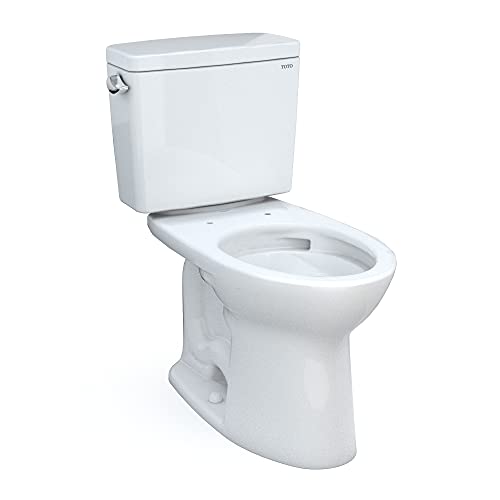
A toilet should sit on the floor like a rock. It should not shift, tip, or rock when you sit down or lean to one side. When it does move, the movement is doing quiet damage every single time, because the toilet rests on a wax ring that seals it to the drain flange below. That wax seal is soft and is only meant to be compressed once, during installation. Each rock flexes the seal, and over weeks or months it loses its grip and lets water and sewer gas escape under the base. Catching a loose toilet early is the difference between a five-dollar fix and replacing a subfloor.
This guide follows the way we research everything on this site. Rather than tearing toilets apart in a lab, we compare how they are engineered, the published mounting specs, and the repair patterns that show up consistently across aggregated owner reviews and plumbing resources. We start with the free thirty-second checks, move to cheap part swaps like shims and bolts, and finish with the heavier fixes for a broken flange or rotted floor, plus the upgrade path for when the toilet itself is the problem.
Start here. Sit on the toilet and rock gently front to back, then side to side, and watch the base where it meets the floor. Note exactly how it moves. A front-to-back wobble usually means loose or short bolts. A side-to-side rock with a visible gap under one edge means the floor is uneven and the toilet needs shims. A spongy, sinking feel points to a damaged flange or a soft floor. That single observation sends you straight to the right fix below.
Why does a toilet become loose and start rocking?
A toilet becomes loose for three main reasons: the closet bolts that hold it to the floor flange have loosened or corroded, the floor under the base is uneven so the toilet rests on high spots, or the drain flange itself is cracked, corroded, or sitting too low. Loose bolts and an uneven floor cause the large majority of rocking toilets and both are inexpensive to fix.
Understanding those three causes tells you where to look. The closet bolts are the anchors: two bolts (sometimes four) pass through the foot of the toilet on each side and thread into the flange, pulling the base down onto the wax seal. The floor is the foundation: tile, vinyl, and old subfloors are rarely perfectly flat, so a toilet can bridge a dip and rock on its high points. And the flange is the structural connection to the drain: if it is broken, corroded, or installed below the finished floor, the bolts have nothing solid to grab and the whole toilet stays loose no matter how hard you tighten. The first two causes are quick and cheap. The third takes more work but is still a doable repair. Work through the fixes in order and you address the common, easy causes first.
The fixes to tighten a loose toilet, in order
These are listed from the free thirty-second check to a cheap shim-and-bolt repair to the heavier flange and floor jobs, which is also the order of how often each one is the real cause. Most rocking toilets are solid again by the time you reach fix three.
Fix 1: Pry off the bolt caps and hand-tighten the closet bolts
The closet bolts at the base are the first and most common culprit. Over time the nuts back off from normal use, vibration, and the slight expansion and contraction of the floor, leaving the toilet free to rock. Look at the two small plastic or ceramic caps near the floor on each side of the base. Gently pry each cap up with a flathead screwdriver to expose the bolt, washer, and nut underneath.
Tighten by hand with a small wrench or pliers, turning each nut clockwise just a quarter turn at a time and alternating side to side so the base pulls down evenly. The goal is to stop the rock, not to crank the bolts hard. Porcelain is brittle, and the single most common way people make this worse is by overtightening and cracking the base. Snug each side until the toilet no longer moves, then stop. If the nut spins freely without ever getting tight, the bolt is stripped or the flange below it has failed, which sends you to a later fix.
Tip. If a bolt spins endlessly because the bolt head is turning down in the flange slot, hold the bolt still from above. Many closet bolts have a flat or a small slot on top you can grip with pliers or a screwdriver while you turn the nut. If the bolt is rusted, a few drops of penetrating oil and a few minutes of patience save you from snapping it off.
Fix 2: Add toilet shims under the low edge for an uneven floor
If the bolts are tight but the toilet still rocks, the floor is uneven and the base is bridging a low spot. This is extremely common on tile, where grout lines and slightly proud tiles leave the toilet resting on two or three high points. Tightening the bolts harder will not fix this and only risks cracking the porcelain, because you are trying to pull the base down into empty air. The correct fix is to fill the gap with shims so the toilet sits on solid support all the way around.
Use plastic toilet shims, which are tapered, designed for this job, and will not rot or compress like wood or cardboard. Rock the toilet to find the gap, then slide one or two shims into the space under the low edge until the toilet sits firm and level with no movement. Tap them in just enough to stop the rock without lifting the toilet off the floor on the other side. Once the toilet is steady, snap off or trim the visible shim ends flush with the base, then seal the whole base with caulk as described in fix five. Shims are the proper plumber fix for an uneven floor, not a shortcut.
Avoid this mistake. Do not shim a toilet with folded paper, coins, or wood scraps. Paper and cardboard absorb water and rot, wood swells and compresses, and metal coins can scratch the floor and shift. Spend a couple of dollars on proper plastic toilet shims, which lock the toilet in place permanently and are made to be trimmed flush.
Fix 3: Replace corroded or wrong-length closet bolts
If the nuts will not bite or you can see rust and crumbling metal, the bolts themselves have failed and need replacing. Bolts that are too short also cause chronic looseness, because the nut runs out of thread before the base is pulled down tight. Both problems are solved with a fresh set of closet bolts, an inexpensive universal part. To replace them you turn off the supply, flush and sponge out the tank and bowl, and lift the toilet off the bolts. This is also the right moment to inspect the flange and replace the wax ring, since you have the toilet up anyway.
Set new brass closet bolts into the flange slots, point up, and rotate them to the left and right of the drain so they line up with the holes in the toilet base. Brass is the right choice because it will not rust like cheap plated steel. Lower the toilet straight down onto a fresh wax ring, press it firmly to compress the seal, and then thread on the washers and nuts. Tighten in small alternating turns until the rocking stops, and no further. Reusing a wax ring almost never reseals properly, so always fit a new one when the toilet comes up.
Fix 4: Repair or build up a broken, corroded, or low flange
The closet flange is the ring, usually PVC or metal, that the drain pipe connects to and that the closet bolts thread into. If the bolts spin with nothing to grab, or the toilet sinks and feels spongy, the flange is likely cracked, corroded, or sitting below the finished floor after a tile or flooring job raised the floor height. A flange that sits too low leaves a gap the wax ring cannot bridge, so the toilet never sits solid and the seal leaks.
For a flange that is intact but too low, a flange spacer or extender ring stacks on top to bring it level with the floor, sealed with the appropriate gasket or silicone. For a broken bolt slot, a metal repair ring or a half-moon repair bracket screws down over the damaged area and gives the bolts a fresh anchor. A badly corroded metal flange or cracked PVC flange should be cut out and replaced, which is a bigger job but still a same-day repair for a confident DIYer. Whenever you work on the flange, you will also fit a new wax ring before reseating the toilet.
Fix 5: Reseal the base with caulk after the toilet is solid
Once the toilet no longer rocks and any shims are trimmed flush, run a bead of caulk around the base where it meets the floor. Caulk is not what holds the toilet down, but it locks shims in place, blocks the toilet from shifting, keeps mop water and spills from running under the base, and gives a clean finished look. Use a tub-and-tile or kitchen-and-bath silicone or a 100 percent silicone caulk that resists mildew.
Many plumbing codes call for the base to be caulked, with a deliberate gap left at the very back. That small unsealed gap at the rear acts as a tell-tale: if the wax seal ever fails, water escapes there and warns you, instead of pooling invisibly under the toilet and rotting the floor. Smooth the bead with a wet finger for a clean line, and let it cure before heavy use.
Fix 6: Address a soft or rotted floor under the toilet
If you push on the floor around the base and it flexes, feels spongy, or the toilet sinks slightly when you sit, the subfloor under the toilet may be water damaged from a wax seal that leaked unnoticed for a long time. This is exactly the outcome that catching a loose toilet early prevents, and it is why a rocking toilet should never be ignored. A soft floor cannot hold bolts or shims securely, so no amount of tightening makes the toilet solid.
Fixing a rotted subfloor means pulling the toilet, cutting out and replacing the damaged decking around the flange, and often resetting or replacing the flange on the new solid wood before reinstalling. This is the one fix on the list that can move past simple DIY, and a clean job here is what protects the new wax seal. If the floor is sound but the toilet itself is old, cracked at the base, or no longer matches the rough-in after a remodel, replacing the toilet is often the smarter spend than repeated repairs.
Editorial Take
The single most important rule on this entire list is to never fix a rocking toilet by cranking the bolts harder. We see the same pattern over and over in owner reports: someone feels a wobble, muscles down the nuts, and ends up with a cracked base and a replacement toilet. A rocking toilet on an uneven floor needs shims, not torque. Tighten the bolts only enough to remove play, then shim and caulk for the rest. Treat porcelain as the brittle material it is and you will solve the problem for a couple of dollars instead of buying a new toilet.
A quick fix-it order to follow
Working in the right order saves time and avoids replacing parts you did not need. Here is the sequence that resolves the large majority of loose, rocking toilets, from free to a heavier repair.
If the toilet is still loose after replacing the bolts and the flange is the problem, do not skip the flange repair, because a toilet anchored to a failed flange will always rock and will leak under the base. If the toilet itself is old, cracked, or no longer the right rough-in, a replacement is the lasting answer, and our roundup of the best flushing toilets ranks the strongest, most reliable models. A leaking base often shows up alongside a wobble, so it is worth understanding how the two connect.
Is it safe to keep using a toilet that rocks?
No, you should not keep using a rocking toilet for long. Every movement flexes and breaks down the wax seal underneath, which lets water and sewer gas leak under the base. Over time that hidden leak rots the subfloor and turns a five-dollar shim repair into a major floor replacement. Tighten or shim a loose toilet as soon as you notice it.
The reason a small wobble matters so much is that the wax ring is a one-time, single-compression seal. It is not elastic and does not recover from repeated flexing. A toilet that rocks even slightly is grinding that seal a little more with every use, and the failure is silent because the water escapes downward into the floor rather than out where you can see it. The first visible sign is often a soft floor, a musty smell, or a stain on the ceiling below, all of which mean the damage is already done. If you ever notice water pooling at the base, that is a separate red flag, and our guide on a toilet leaking at the base walks through the causes. Tightening the toilet promptly is the cheapest insurance against the much larger repair.
What tools and parts do I need to tighten a loose toilet?
For most loose toilets you need only an adjustable wrench or pliers, a flathead screwdriver to pry off the bolt caps, a pack of plastic toilet shims, and a tube of bathroom silicone caulk. If you have to lift the toilet, add a fresh wax ring and a set of brass closet bolts. Total cost is usually just a few dollars.
The simplest fix, snugging the bolts, needs nothing but a wrench and a screwdriver. Move up to an uneven floor and you add a pack of plastic toilet shims and a tube of silicone caulk, both inexpensive and stocked at any hardware store. The heavier path of pulling the toilet calls for a new wax ring, a set of brass closet bolts, and possibly a flange spacer or repair ring, plus a sponge and bucket to empty the bowl and tank. Brass bolts are worth specifying over plated steel because they will not rust and cause this same loosening problem again years from now. Keeping a wax ring and a pair of bolts on hand turns a future reset into a quick job.
How do I know if the toilet flange is the problem?
The flange is the problem if the closet bolts spin without ever tightening, the toilet sinks or feels spongy when you sit, or you can see a cracked, corroded, or below-floor-level flange when the toilet is lifted. In those cases tightening and shimming will not work, and the flange must be repaired with a spacer, repair ring, or full replacement.
A flange failure announces itself in a specific way: the bolts have nothing solid to pull against. If you tighten a nut and it never firms up, or the bolt rocks back and forth in the floor, the flange slot is broken or stripped. A flange that was buried below a new tile or vinyl floor leaves the toilet riding too high on a wax ring that cannot stretch to fill the gap, so it stays loose and leaks. The only way to confirm is to lift the toilet and inspect, which is also when you replace the wax ring. The good news is that flange repair parts, from spacers to half-moon brackets to full replacement rings, are inexpensive and solve nearly every flange problem without calling a plumber.
Editorial Take
Our honest advice on the repair-versus-replace decision is to weigh the age and condition of the toilet against what you find when it comes up. If you have the toilet lifted to fix a flange or a floor and the toilet is a pre-2000 low-flow model that also flushes weakly, that is the moment to upgrade rather than reinstall a tired bowl. A modern high-MaP 1.28 GPF toilet like the TOTO Drake or Kohler Cimarron mounts on the same flange, ends the wobble, and ends the weak flush in one job. If the toilet is newer and sound, just reset it on a fresh wax ring and new brass bolts and you are done.
Should I replace the toilet instead of fixing the wobble?
Replace the toilet rather than fixing the wobble only if the base is cracked, the toilet is an old weak-flushing model, or it no longer matches your rough-in after a remodel. A simple loose toilet on a sound floor and flange is a cheap repair and does not justify replacement. Crack at the base, though, means the toilet is done.
A wobble by itself is not a reason to buy a new toilet, because most rocking traces to bolts, shims, or a flange, all of which are inexpensive repairs. The clear cases for replacement are a cracked base, which cannot be safely repaired and will eventually leak or fail, and an old low-MaP toilet that you are already pulling for floor or flange work. If you are upgrading, focus on a high MaP score of 800 grams or more for strong, clog-resistant flushing, a WaterSense 1.28 GPF rating for efficiency, and a comfort-height bowl if it suits the household. If your existing toilet also flushes poorly, our guide on how to improve toilet flush power covers the repairs worth trying first, and why your toilet keeps clogging helps you pick a clog-resistant replacement.
Top toilet upgrades if yours is cracked or worn out
If the wobble revealed a cracked base or an old, weak toilet worth replacing, these three models pair high independent MaP scores with efficient water use and deep, positive owner track records, which makes them safe upgrades that mount on a standard flange. Each one addresses a different priority.
Strongest Flush
TOTO Drake
High MaP score and wide trapway for daily use
A top-tier 1,000 gram MaP score, a 3-inch flush valve and a fully glazed trapway make the Drake a powerful, reliable replacement with an easy-to-source parts ecosystem at 1.28 GPF.
Check price on Amazon
Best Value Upgrade
Kohler Cimarron
Strong Class Five flush at an accessible price
Kohler's Class Five flush engine moves water with real force at 1.28 GPF, and the Cimarron pairs that clearing power with a clean comfort-height bowl that suits most family bathrooms.
Check price on Amazon
Best One-Piece
TOTO UltraMax II
Seamless one-piece that is easy to keep clean
The UltraMax II reaches a 1,000 gram MaP score at 1.28 GPF in a low-profile one-piece body with no tank seam to leak or clean around, which makes it a tidy, powerful replacement.
Check price on Amazon
How replacement toilets compare for a worn-out unit
If the wobble turned out to mean a cracked or worn-out toilet, the table below compares the leading replacement options on the specs that actually predict flushing strength and reliability. The Drake is marked as the overall winner for raw flush power and value together.
Putting it all together
Tightening a loose toilet is a process of elimination, and the order matters. Pry off the bolt caps and hand-snug the closet bolts in small alternating turns until the rock stops, never cranking hard enough to crack the porcelain. If the floor is uneven, slide plastic shims under the low edge and trim them flush. Replace corroded or short bolts and the wax ring if you have the toilet up, repair or build up a failed flange, then caulk the base with a gap left at the back. Only a spongy, water-damaged floor or a cracked toilet base calls for a bigger job. Most rocking toilets are solid again in under thirty minutes for the cost of a pack of shims, and catching the wobble early is what keeps it from becoming a floor repair.
Keep reading
Related guides
FAQ
Frequently asked questions
? Why is my toilet loose and rocking?
A toilet usually rocks for one of three reasons: the closet bolts at the base have loosened or corroded, the floor under the toilet is uneven so it rests on high spots, or the drain flange is cracked, corroded, or sitting too low. Loose bolts and an uneven floor cause most rocking toilets, and both are quick, inexpensive fixes. Start by hand-tightening the bolts, then shim if it still moves.
? How do I tighten the bolts on a wobbly toilet?
Pry off the plastic or ceramic caps near the floor on each side of the base to expose the bolts. Turn each nut clockwise with a small wrench, a quarter turn at a time, alternating sides so the base pulls down evenly. Stop the instant the rocking stops. Do not crank hard, because overtightening cracks the porcelain base.
? Can overtightening the toilet bolts crack the toilet?
Yes, and it is the most common way people make a loose toilet worse. Porcelain is brittle and a base cracks easily under too much bolt pressure, especially when someone tightens hard to fix a rock that is actually caused by an uneven floor. Snug the bolts only enough to remove play, and use shims for any remaining gap rather than more torque.
? What should I use to shim a rocking toilet?
Use plastic toilet shims, which are tapered, made for this job, and will not rot or compress. Slide one or two under the low edge until the toilet sits firm, then trim them flush and caulk the base. Avoid paper, cardboard, wood, or coins, which absorb water, swell, or shift and will let the wobble return.
? Is it bad to leave a toilet wobbly?
Yes. Every rock flexes the wax seal under the base, which is a one-time seal that does not recover from repeated movement. Over time it lets water and sewer gas leak under the toilet and rot the subfloor. A wobble you fix today for a couple of dollars can become a major floor repair if you ignore it for months.
? Why do the toilet bolts keep spinning when I tighten them?
Either the bolt is turning down in the flange slot, or the flange itself has failed. First hold the bolt still from above with pliers or a screwdriver while you turn the nut. If the bolt has nothing solid to grab and never tightens, the flange is cracked or stripped and needs a repair ring or replacement before the toilet will sit firm.
? Do I need to replace the wax ring when I tighten a loose toilet?
Only if you have to lift the toilet off the floor. Simply snugging the bolts or sliding shims under the edge does not disturb the wax ring. But if you remove the toilet to replace bolts or repair the flange, always fit a fresh wax ring, because a reused one rarely reseals properly and will leak.
? Should I caulk around the base of a toilet?
Yes. Caulk locks shims in place, stops the toilet from shifting, and keeps mop water and spills from running under the base. Many codes require it. Leave a small gap at the very back so that if the wax seal ever fails, water escapes there as a warning instead of pooling invisibly under the toilet and rotting the floor.
? How do I fix a toilet flange that is too low?
Use a flange spacer or extender ring, which stacks on top of the existing flange to bring it level with the finished floor, sealed with the right gasket or silicone. A flange that sits below the floor leaves a gap the wax ring cannot bridge, so the toilet stays loose and leaks. Building it up to floor level lets the toilet seat solid on a fresh wax ring.
? What does it mean if the floor around my toilet feels soft?
A spongy or flexing floor usually means the subfloor is water damaged, most often from a wax seal that leaked unnoticed because the toilet was rocking. A soft floor cannot hold bolts or shims, so the toilet will not sit firm. The fix is to pull the toilet, replace the damaged decking, and reset the flange on solid wood before reinstalling.
? Can a loose toilet cause a leak at the base?
Yes. The rocking breaks down the wax seal, which then lets water escape under the base or up around the foot when you flush. If you see water pooling at the base of the toilet, treat it as a sign the seal has failed, tighten or reset the toilet, and replace the wax ring. Ignoring it leads to floor damage.
? Should I use brass or steel closet bolts?
Use brass closet bolts. Plated steel bolts rust over time, which is a leading cause of bolts that corrode, lose their grip, and let the toilet loosen again years later. Brass does not rust, so it holds the toilet firmly for the long term. They are an inexpensive part and worth specifying whenever you replace the bolts.
? How long does it take to fix a loose toilet?
A simple bolt-tightening takes a few minutes. Shimming and caulking an uneven floor takes around thirty minutes, including cure time for the caulk. Pulling the toilet to replace bolts, the wax ring, or repair the flange runs closer to an hour or two. A rotted subfloor repair is the longest job and can take an afternoon.
? My toilet rocks side to side but the bolts are tight. What now?
That points to an uneven floor rather than loose bolts. The base is bridging a low spot and resting on high points, so tightening harder will only risk cracking it. Slide plastic shims under the low edge until the toilet sits firm with no movement, trim them flush, and caulk the base to lock everything in place.
? Can I tighten a toilet without turning off the water?
For simply snugging the closet bolts or sliding in shims, you do not need to shut off the water, because you are not opening any seals. You only need to turn off the supply, flush, and sponge out the tank and bowl if you have to lift the toilet to replace bolts, the wax ring, or repair the flange.
? When should I replace the toilet instead of tightening it?
Replace it if the base is cracked, since a cracked toilet cannot be safely repaired and will eventually leak or fail. It is also smart to replace an old, weak-flushing toilet if you already have it lifted for flange or floor work. A simple wobble on a sound toilet and floor is a cheap repair, not a reason to buy new.
? Why does my toilet rock only when someone sits down?
That is a classic sign of a small floor gap or slightly loose bolts. At rest the toilet looks fine, but body weight flexes it onto the low spot or takes up the slack in the bolts, producing a rock. Snug the bolts first, then shim any remaining gap so the toilet is fully supported under load, not just when empty.
? Will a high MaP toilet still wobble if I do not fix the floor?
Yes. MaP measures flushing power, not mounting stability, so even a top-rated toilet like the TOTO Drake or UltraMax II will rock on an uneven floor or a bad flange. Whether you keep your toilet or upgrade, you still need a level, solid mounting surface, tight brass bolts, shims as needed, and a fresh wax ring for the toilet to sit firm.
Sources
- EPA WaterSense, epa.gov/watersense
- MaP (Maximum Performance) flush testing, map-testing.com
- Manufacturer published specifications (TOTO, Kohler, American Standard)
Our Verdict
Most loose toilets are fixed in under thirty minutes for the price of a pack of shims. Work the fixes in order: hand-snug the closet bolts, shim an uneven floor, replace corroded or short brass bolts with a fresh wax ring, repair or build up a failed flange, and caulk the base with a gap at the back. Never crank the bolts hard enough to crack the porcelain. Only a rotted subfloor or a cracked base calls for a bigger job, and if you are replacing the toilet anyway, a high-MaP upgrade like the TOTO Drake at 1,000 grams and 1.28 GPF ends the wobble and the weak flush together. Catch the rock early and you save the floor.