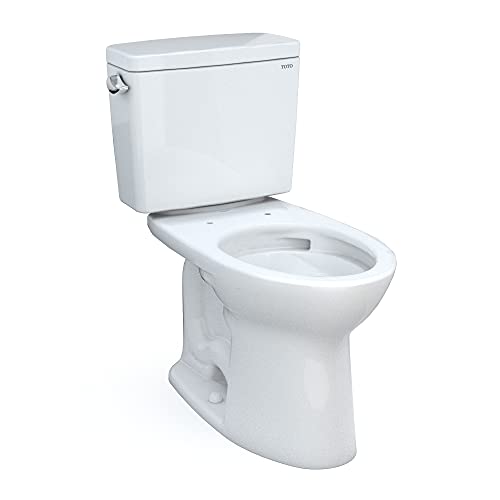
A persistent sewer odor in your bathroom is never a welcome guest. While many homeowners look to the sewer line or vent stack first, the toilet itself is often the source. From a dried-out wax ring to a cracked trapway, your toilet can absolutely cause a sewer smell. This guide explains exactly how, what to check, and how to fix it for good.
Why Trust Best Flushing Toilets
Flushing power and MaP flush-test scores
Water efficiency (GPF and EPA WaterSense)
Aggregated owner reviews
Clog resistance and trapway design
Brand reliability and warranty
Research updated June 2026.
Quick Answer
Yes, a toilet can cause a sewer smell. The most common causes are a failed wax ring, a loose toilet flange, a cracked trapway, or a dry P-trap in a rarely used toilet. Each issue allows sewer gases to escape into your bathroom instead of being safely vented outside. Most fixes are DIY, but some require a plumber.
How Does a Toilet Produce a Sewer Smell?
A toilet produces a sewer smell when the seal between the toilet and the waste pipe fails, or when the toilet's internal trap is compromised. The toilet's design relies on a water seal in the P-trap to block gases. If that seal is broken or bypassed, sewer gas enters the room.
The toilet is a direct connection to your home's sewer system. Under normal operation, the water in the toilet bowl and the internal trapway creates a barrier that prevents sewer gases from rising into the bathroom. When any part of this system fails, those gases escape. The smell is often described as a rotten egg or sulfur odor, caused by hydrogen sulfide and other compounds in raw sewage.
The most common failure point is the wax ring, which seals the gap between the toilet's outlet horn and the toilet flange on the floor. If the ring is old, compressed, or installed incorrectly, it can leak. A loose toilet that rocks on the floor can break this seal. A cracked toilet base or a damaged trapway (the curved channel inside the porcelain) can also allow gases to escape. In a guest bathroom that is rarely used, the water in the P-trap can evaporate, leaving a direct path for sewer air.
Expert Take
Many homeowners waste time checking the roof vent or main drain when the problem is right under the toilet. A simple visual inspection of the wax ring and flange should be your first step. If you see water or black residue around the base, the seal is compromised.
What Are the Most Common Toilet-Related Causes of Sewer Smell?
The most common causes are a failed wax ring, a cracked toilet bowl or trapway, a loose or corroded toilet flange, and a dry P-trap. Each issue allows sewer gas to bypass the toilet's internal water seal.
Identifying the exact cause requires a systematic approach. Here are the primary suspects:
Failed Wax Ring: The wax ring is the most frequent culprit. Over time, the wax can harden, crack, or become compressed. If the toilet was installed on an uneven floor or if the flange is set too low, the seal may be incomplete. A rocking toilet will break the seal quickly. Signs include water or odor at the base of the toilet.
Cracked Toilet Bowl or Trapway: A hairline crack in the porcelain, especially in the trapway (the curved channel inside the bowl), can allow sewer gas to escape. These cracks are often invisible to the naked eye but can be detected by pouring a dye test or listening for a hissing sound. A cracked toilet must be replaced.
Loose or Corroded Toilet Flange: The flange is the metal or plastic ring that connects the toilet to the drain pipe. If the flange is rusted, broken, or not securely fastened to the floor, the wax ring cannot seal properly. A flange that sits below the finished floor level is a common problem.
Dry P-Trap: In a toilet that is rarely flushed, the water in the P-trap can evaporate over time. Without that water barrier, sewer gases flow freely into the bathroom. This is common in guest bathrooms or basements.
Improper Venting: While not directly a toilet issue, a clogged or improperly installed vent stack can cause sewer gas to be pushed into the toilet bowl. If the toilet gurgles when you flush, the vent may be blocked.
Expert Take
Always check the toilet flange height first. The top of the flange should be flush with or slightly above the finished floor. If it is recessed, you need a flange extender, not just a thicker wax ring.
How Can I Diagnose the Source of the Sewer Smell?
Start by smelling around the base of the toilet. If the odor is strongest at the floor, the wax ring or flange is likely the issue. If it is strongest at the bowl, check for cracks. A dry P-trap is confirmed if the toilet hasn't been used in weeks.
Follow these steps to pinpoint the source:
Sniff Test: Get down on your hands and knees. Smell directly at the base of the toilet where it meets the floor. If the odor is strong there, the wax ring or flange is failing. If the smell is stronger near the bowl or the back of the toilet, suspect a crack or a dry trap.
Visual Inspection: Look for water stains, black mold, or mineral deposits around the base of the toilet. These are signs of a slow leak. Check the floor for soft spots or discoloration. Inspect the toilet bowl for any visible cracks, especially around the trapway.
Rock Test: Gently try to rock the toilet from side to side. If it moves, the bolts are loose or the flange is broken. A loose toilet will break the wax seal. Tighten the bolts, but do not overtighten (this can crack the bowl).
Dye Test: Add a few drops of food coloring to the toilet tank. Wait 15 minutes without flushing. If colored water appears on the floor around the base, the wax ring is leaking.
Flush Test: Flush the toilet and listen for gurgling sounds from the bowl or drain. Gurgling indicates a venting issue. If the smell gets worse immediately after flushing, the trapway may be cracked.
Dry Trap Check: If the toilet is in a guest bathroom or basement that hasn't been used in weeks, pour a bucket of water down the bowl. If the smell disappears for a few days, the P-trap was dry. Flush the toilet weekly to keep the trap filled.
Expert Take
If you cannot find the source with these tests, try the "smoke test." Light a stick of incense near the base of the toilet. If the smoke is pulled toward the floor or a crack, you have found the leak point. Sewer gas is lighter than air and will rise, but a draft can help you locate the exact spot.
How Do I Fix a Toilet That Smells Like Sewer?
The fix depends on the cause. Replace the wax ring for a failed seal, tighten or replace the flange for a loose connection, replace a cracked toilet, and flush unused toilets weekly to prevent dry traps. Most repairs are DIY, but a cracked toilet requires professional replacement.
Here are the specific fixes for each cause:
Replace the Wax Ring: This is the most common repair. Shut off the water supply, flush the toilet, and sponge out the remaining water from the tank and bowl. Disconnect the supply line, remove the two nuts on the closet bolts, and lift the toilet straight up. Place it on its side on a drop cloth. Scrape off the old wax ring from the toilet horn and the flange. Install a new wax ring (consider a wax-free rubber gasket for a better seal). Lower the toilet back onto the flange, pressing down evenly. Tighten the nuts and reconnect the water. Do not overtighten the nuts.
Fix the Flange: If the flange is broken or recessed, you may need to replace it or use a flange extender. For a corroded metal flange, use a repair ring that sits over the old flange. For a flange that is too low, install a plastic flange extender. Secure the flange to the floor with screws.
Replace a Cracked Toilet: A cracked bowl or trapway cannot be repaired. You must replace the entire toilet. Follow the same removal steps as for the wax ring, then install the new toilet with a fresh wax ring. Ensure the new toilet is level and does not rock.
Refill a Dry P-Trap: Simply flush the toilet. If the odor returns after a few days, flush the toilet weekly. You can also pour a cup of mineral oil into the bowl (the oil floats on top of the water and slows evaporation).
Clear a Blocked Vent: If you suspect a vent issue, check the roof vent for debris like leaves or bird nests. You can use a plumber's snake to clear the vent from the roof. This is a more advanced DIY task.
Expert Take
When replacing a wax ring, always inspect the toilet flange. If the flange is cracked or rusted, replace it before installing the new wax ring. A new wax ring on a bad flange will fail quickly. Also, consider using a wax ring with a rubber sleeve for a more forgiving seal.
When Should I Call a Plumber for a Sewer Smell?
Call a plumber if you have replaced the wax ring and the smell persists, if you find a cracked toilet bowl, if the flange is severely damaged, or if you suspect a main sewer line issue. A plumber can perform a smoke test or camera inspection to find hidden leaks.
Some issues are beyond a standard DIY repair. You should call a professional if:
The smell persists after replacing the wax ring and checking the flange.
You find a crack in the toilet bowl or trapway (the toilet must be replaced, which a plumber can do safely).
The toilet flange is broken or recessed below the floor level and requires replacement.
You hear gurgling sounds from multiple drains, which indicates a main vent or sewer line blockage.
The smell is strong throughout the bathroom, not just near the toilet. This could be a sewer line break under the slab.
You have a septic system and the smell is accompanied by slow drains or backups.
A plumber will use a camera to inspect the drain lines and a smoke test to pinpoint the exact leak location. This is especially important if the smell is intermittent or hard to locate.
Expert Take
If the sewer smell is accompanied by a gurgling sound when you flush the toilet or run the sink, the problem is likely in the vent stack or main drain, not the toilet itself. Do not waste time replacing the wax ring if the vent is blocked.
Frequently Asked Questions
Can a toilet cause a sewer smell even if it is not leaking water?
Yes. A failed wax ring can allow sewer gas to escape without any water leakage. The gas is lighter than air and can seep through a compromised seal even if the floor appears dry.
Will a new toilet stop the sewer smell?
Only if the old toilet was cracked or had a damaged trapway. If the smell is from a bad wax ring or flange, a new toilet will not help unless you also replace those components.
How long does a wax ring last before it starts to smell?
A wax ring can last 20 to 30 years if the toilet is never moved and the flange is in good condition. However, if the toilet rocks or the flange corrodes, the ring can fail within a few years.
Can a toilet flange cause a sewer smell?
Absolutely. A broken, corroded, or recessed flange prevents the wax ring from making a proper seal. The gas escapes through the gap between the toilet and the floor.
Why does my bathroom smell like sewer after I flush?
If the smell appears immediately after flushing, the trapway may be cracked, or the vent stack may be blocked. A cracked trapway allows gas to escape during the flush cycle. A blocked vent causes negative pressure that pulls gas from the drain.
Can a dry P-trap in a toilet cause a sewer smell?
Yes. If a toilet is not used for several weeks, the water in the P-trap can evaporate. Without that water barrier, sewer gases flow directly into the bathroom. Flush the toilet weekly to prevent this.
How do I know if my toilet wax ring is bad?
Signs include a sewer smell at the base of the toilet, water stains on the floor, black mold around the base, or a toilet that rocks. You can also do a dye test by adding food coloring to the tank and checking for colored water on the floor.
Can a cracked toilet bowl cause a sewer smell?
Yes. A hairline crack in the bowl or trapway allows sewer gas to escape. The crack may be invisible to the naked eye. A dye test or smoke test can confirm it. A cracked toilet must be replaced.
Is it safe to use a toilet that smells like sewer?
It is not recommended. Sewer gas contains methane, hydrogen sulfide, and other harmful compounds. Prolonged exposure can cause headaches, nausea, and respiratory issues. Fix the problem as soon as possible.
Can a toilet smell like sewer if the vent pipe is clogged?
Yes. A clogged vent pipe prevents air from entering the drain system, which can cause sewer gas to be pushed into the toilet bowl. This is often accompanied by gurgling sounds.
How much does it cost to fix a sewer smell from a toilet?
A DIY wax ring replacement costs $5 to $15 for the ring. Hiring a plumber to replace the wax ring or flange costs $150 to $300. A toilet replacement costs $200 to $500 for the toilet plus installation.
Can a toilet smell like sewer after a new installation?
Yes, if the wax ring was not seated properly, the flange was damaged, or the toilet was not leveled correctly. A new installation can also have a dry P-trap if the toilet was not flushed immediately after installation.
Will bleach or cleaning products remove the sewer smell?
No. Cleaning products only mask the odor temporarily. The underlying cause (a failed seal, crack, or dry trap) must be fixed to eliminate the smell permanently.
Can a toilet smell like sewer if the floor is wet?
Yes. A wet floor around the base of the toilet is a sign of a wax ring leak. The water itself may not smell, but the sewer gas escaping through the same gap will. Dry the floor and inspect the wax ring.
Sources
EPA WaterSense, epa.gov/watersense
MaP flush testing, map-testing.com
Manufacturer published specifications
International Association of Plumbing and Mechanical Officials (IAPMO)
American Society of Plumbing Engineers (ASPE)
Our Verdict
A sewer smell from your toilet is almost always fixable. Start with the simplest cause: a dry P-trap in an unused toilet. If that is not the issue, inspect the wax ring and flange. Replace the wax ring if it is compromised. If the smell persists after that, check for a cracked bowl or a blocked vent. Most homeowners can handle the wax ring replacement themselves, but a cracked toilet or broken flange requires a plumber. Do not ignore the smell, as sewer gas is a health hazard. With the right diagnosis, you can eliminate the odor and restore a fresh bathroom.
Verified owner reviews from Amazon, Home Depot & Lowe’s
Researched by Marcus Bell · Last updated March 23, 2026 · Our review method
M
Researched by Marcus Bell
Marcus compiles bathroom-fixture data, MaP flush scores, GPF ratings, trapway and flush-valve specs, and weighs them against thousands of verified owner reviews to build our rankings. He does not run physical lab tests; every verdict is sourced from published specifications, certifications (MaP, EPA WaterSense) and real owner feedback.
Updated March 2026 · Toilets
Keep reading
Related guides
Best Black Toilets (2026)
Toilets
4.6
Black has moved from a rare custom-order finish to a real stocked color across several major toilet brands, giving buyers a bold,…