

Best Toilet Flush Valve: How to Choose the Right One
Plumbing4.6
Which is the best toilet flush valve? Compare 2-inch, 3-inch, adjustable, and canister flush valves by fit and flush power, plus how…
Read the guideEverything you need to know about choosing, using, and storing a toilet drain snake so you can clear clogs without calling a plumber or damaging your bowl.
A toilet auger (3-foot cable with a rubber sleeve and J-shaped head) clears the vast majority of toilet clogs without scratching porcelain. Standard drain snakes designed for sink drains damage toilet bowls and should never be used. For clogs beyond 6 feet, rent a power auger or call a licensed plumber.
A blocked toilet is one of the most stressful household plumbing problems, yet most clogs sit within the first three feet of the trapway and respond quickly to the right tool. Understanding which type of drain snake belongs in a toilet, how to feed it correctly, and what to do when a clog does not budge can save you a significant service call fee and get your bathroom back in order within 15 minutes.
This guide covers every type of toilet drain snake on the market, provides a step-by-step procedure for using one safely, explains when to escalate to a professional, and links to the best flushing toilets for households that need a permanent upgrade rather than a temporary fix.
A toilet drain snake, correctly called a toilet auger or closet auger, is a flexible cable with a rubber or vinyl sleeve that protects the porcelain bowl from scratches as you feed the cable through the trap. A regular sink or floor drain snake lacks this sleeve and uses a bare metal cable and coil tip that will gouge glazed porcelain on contact. The auger's J-shaped guide tube also angles the cable directly into the toilet's built-in trap, which curves upward behind the bowl before descending, making it far more effective than a straight cable at reaching the blockage.
The distinction matters because porcelain damage is permanent. A single pass with a bare cable snake can leave visible scratches that discolor over time and make the toilet harder to clean. Always use a true toilet auger for any toilet blockage.
There are four main categories: the standard hand-crank toilet auger (3-foot cable, most common, handles roughly 90 percent of household clogs), the extended-reach toilet auger (6-foot cable for deeper blockages), the power drill auger (attaches to a cordless drill for added torque on stubborn clogs), and the electric toilet auger or power closet auger (motorized, typically rented, used by professionals for blockages past the trap). Each type serves a specific clog depth and severity.
| Type | Cable Length | Drive Method | Best For | Porcelain Safe | Approx. Cost |
|---|---|---|---|---|---|
| Standard Toilet Auger | 3 ft | Hand crank | Most household clogs in the trap | Yes (rubber sleeve) | Low |
| Extended-Reach Auger | 6 ft | Hand crank | Clogs past the trap curve | Yes (sleeve) | Low-moderate |
| Drill-Powered Auger | 3-6 ft | Cordless drill | Dense or compacted blockages | Yes (with care) | Moderate |
| Electric Closet Auger | 6-15 ft | Motor | Deep or recurring clogs, rental use | Yes (professional use) | Rental |
| Bare Cable Snake (sink type) | 15-25 ft | Hand crank | NOT for toilets | No | Low |
The standard 3-foot toilet auger is the tool almost every homeowner should own. It handles toilet paper buildup, hygiene product blockages, and small foreign objects lodged at the top of the trap. For a household with children, where toy blockages are common, an extended 6-foot model gives additional reach.
Plumbing contractors consistently report that over 85 percent of toilet service calls they receive could have been resolved by the homeowner with a standard toilet auger. The tool costs roughly as much as 10 to 15 minutes of a licensed plumber's labor. Buying one before you need it is one of the highest-return home maintenance investments available.
Retract the cable fully into the auger tube, place the curved guide tube into the toilet bowl opening, rotate the handle clockwise while gently pushing the cable forward until you feel resistance, then crank through or hook the clog and pull back slowly. Always wear rubber gloves, never force the cable, and flush only after you confirm the drain is clear by pouring a bucket of water slowly into the bowl.
Step 1 - Prepare the area. Lay old towels or a plastic sheet around the base of the toilet. Put on rubber or nitrile gloves and eye protection. Keep a bucket close by in case you need to bail water from an overfull bowl before snaking.
Step 2 - Check the water level. If the bowl is close to overflowing, do not flush. Use a bucket or cup to remove enough water so the bowl is at normal rest level. Flushing an already blocked toilet forces water over the rim.
Step 3 - Retract the cable. Fully retract the cable into the auger tube by turning the handle counterclockwise. The coil tip should be fully hidden inside the bent guide tube before you insert anything into the bowl.
Step 4 - Position the auger. Lower the guide tube into the bowl opening at the bottom, angling it so the curved end points toward the drain hole. Rest the rubber sleeve against the porcelain so it acts as a buffer. Do not rest the metal tube directly against the bowl surface.
Step 5 - Feed and rotate the cable. Turn the handle clockwise while applying steady, moderate forward pressure. The cable will travel up through the internal trap. You will feel distinct resistance when you reach the clog. Do not stop cranking; keep turning while gently advancing.
Step 6 - Hook or break up the clog. Once you feel the tip engage the blockage, try to hook it by pulling back slightly while continuing to rotate. For soft clogs (paper, waste), the auger tip will break through. For foreign objects (toys, wipes), hooking and extracting is safer than pushing the object deeper.
Step 7 - Retract slowly. Turn the handle counterclockwise while pulling the cable back toward you. If you hooked something, keep tension on the cable so the object does not fall back into the drain. Remove the auger completely and examine the tip.
Step 8 - Test with water before flushing. Pour a gallon of water slowly into the bowl from a bucket. Watch the drain rate. If water exits freely, the clog is cleared. Only then flush once to confirm.
Step 9 - Clean and sanitize. Rinse the cable with clean water, wipe with a disinfectant cloth, and retract it fully for storage. Wipe down the exterior of the toilet and the surrounding floor.
Many homeowners make the mistake of flushing immediately after they feel the clog release. Testing with a poured bucket first protects against a second overflow if the blockage only partially cleared. Patience at this step prevents a much larger mess.
Always wear rubber gloves and eye protection because contaminated water can splash during snaking. Never apply excessive rotational force, which can kink the cable and snap it inside the trap, requiring professional removal. Do not use chemical drain cleaners immediately before or after snaking because residual chemicals on the cable can cause skin burns, and mixing chemical residues with agitation can produce fumes in a confined bathroom space.
Additional safety principles worth following:
Call a licensed plumber if the toilet remains blocked after two or three full passes with a 6-foot auger, if multiple toilets or drains in the home are draining slowly at the same time (indicating a mainline blockage), if you hear gurgling in other fixtures when you flush, or if the cable brings up tree roots or heavy sediment. These symptoms point to problems in the main drain line or sewer that are beyond the scope of a consumer auger.
Specific warning signs that require professional equipment:
A good rule of thumb: if you have attempted a full 6-foot auger pass twice and the drain is still blocked, you have likely exhausted what a consumer tool can reach. At that point the cost of a professional hydro-jet service or camera inspection is far less than the water damage from a sewer backup. Do not keep snaking hoping for a different result.
Yes, significantly. Toilets with fully glazed, wide-diameter trapways (2.125 inches or larger), high MaP flush scores (800 grams and above), and pressure-assist or tower-flush valve designs are far less prone to clogs than older gravity-fed models with narrow or unglazed trapways. Upgrading from a pre-2010 toilet with a 1.6 GPF or higher flush to a modern 1.28 GPF EPA WaterSense model typically reduces clog frequency while also cutting water use by roughly 20 percent.
Understanding the connection between toilet design and clog frequency helps you make a more informed decision about whether to keep snaking an older toilet or invest in a replacement. Key design factors:
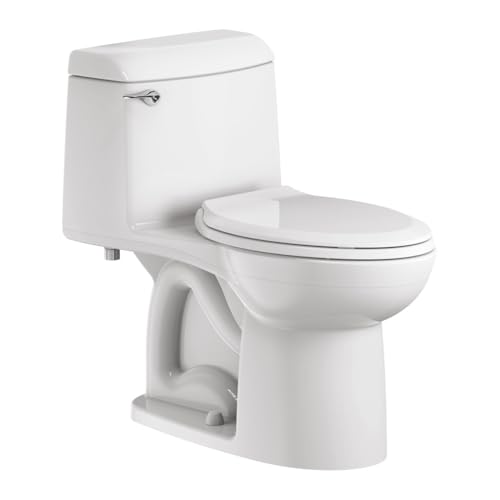
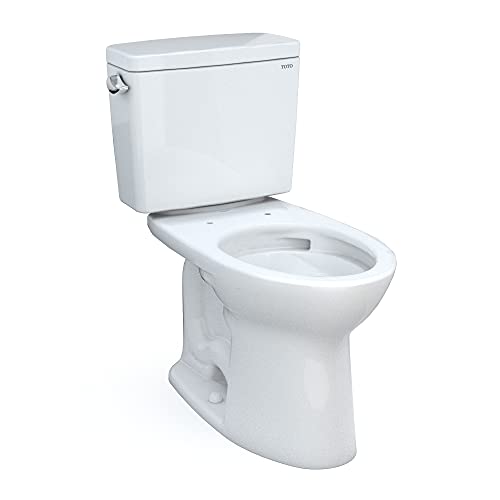
The trapway is the S-shaped or P-shaped channel built into the toilet base that creates the water seal. Older toilets often have 1.75-inch unglazed trapways. A 2.125-inch fully glazed trapway, standard on models like the TOTO Drake II and American Standard Champion 4, passes solid waste more reliably and resists paper accumulation. The glaze reduces friction so material moves through without snagging.
Maximum Performance (MaP) testing is an independent protocol developed by the Canadian Water and Wastewater Association and supported by the EPA. It measures how many grams of soybean paste a toilet can reliably flush. A score of 800g is considered the minimum for a household toilet. The American Standard Champion 4 scores 1,000g. The TOTO Drake achieves 800g at 1.6 GPF, while the TOTO UltraMax II reaches 1,000g at 1.28 GPF. Higher scores correlate directly with fewer clogs in real-world use. You can verify current scores at map-testing.com.
The EPA WaterSense label certifies that a toilet uses 1.28 GPF or less AND passes MaP testing at a minimum of 350g. While 350g is the certification floor, most WaterSense-certified toilets from major brands achieve scores of 800g or higher. The Kohler Cimarron, Woodbridge T-0001, Swiss Madison Well Made Forever, and Gerber Viper all carry WaterSense certification with strong MaP scores.
| Model | GPF | MaP Score | Trapway | WaterSense | Check Price |
|---|---|---|---|---|---|
| American Standard Champion 4 | 1.6 | 1,000g | 2.375 in, fully glazed | No (1.6 GPF) | Check price |
| TOTO UltraMax II | 1.28 | 1,000g | 2.125 in, SanaGloss | Yes | Check price |
| TOTO Drake II | 1.28 | 800g | 2.125 in, fully glazed | Yes | Check price |
| Kohler Cimarron | 1.28 | 800g | 2.125 in, fully glazed | Yes | Check price |
| Woodbridge T-0001 | 1.28 / 0.8 | 800g+ | 2.125 in, fully glazed | Yes | Check price |
| Gerber Viper | 1.28 | 1,000g | 2.125 in, fully glazed | Yes | Check price |
| American Standard Cadet 3 | 1.28 | 800g | 2.125 in, fully glazed | Yes | Check price |
If you are already researching drain snakes because you are dealing with a chronic clog problem, it is worth checking the trapway diameter of your current toilet. A toilet manufactured before 2014 with a 1.75-inch unglazed trapway is a clogging machine by modern standards. See our guide to best flushing toilets for full model breakdowns and clog resistance ratings.
Using a sink snake. The most costly error. A bare cable snake designed for a sink drain has no rubber sleeve and will permanently scratch your porcelain bowl, leaving behind brown iron oxide stains that no cleaner can remove. Always use a dedicated toilet auger.
Pushing a foreign object deeper. When a hard object (toy, phone, razor cap) is lodged in the trap, rotating the auger tip without first trying to hook the object can push it past the trap and into the main drain line, turning a DIY job into an expensive professional extraction. Hook first, extract if possible.
Using chemical cleaners before snaking. Caustic drain openers leave residues that contact your skin during snaking and can generate fumes when agitated. Always snake first, then use a mild enzyme cleaner as a maintenance flush after the drain is clear.
Flushing before testing. Always test with a poured bucket of water before flushing. A partial clog will allow a slow pour to drain while a flush's surge volume overflows the bowl.
Snaking too aggressively. Cranking the auger handle with excessive force can kink the cable inside the trap. A kinked cable is extremely difficult to remove and may require disassembling the toilet. Use steady, moderate pressure and never force the cable past firm resistance.
Prevention is more effective than any tool. These habits keep toilets flowing freely between maintenance:
For households with hard water, mineral scale can gradually reduce the trapway and rim jet opening over time. A diluted white vinegar soak (poured under the rim and left overnight) dissolves calcium and magnesium deposits without damaging porcelain or glazing. Related guides on hard water toilet stains and toilet maintenance cover this in depth.
Not all toilet augers are equal. Key features that determine performance and durability:
Cable length. A 3-foot cable handles the vast majority of residential clogs because most blockages occur in the trap, which is approximately 18 to 24 inches of travel from the bowl opening. A 6-foot cable is worth the small extra cost for households where children may flush toys or where the toilet has a known history of deep blockages.
Rubber sleeve quality. The sleeve is the only thing protecting your porcelain from the metal guide tube. A thick, dense rubber sleeve that covers the bottom 12 to 18 inches of the guide tube provides meaningful protection. Thin plastic coatings offer minimal protection and tend to crack after a few uses.
Bulb head vs. flat spring head. Bulb head tips are better for hooking and extracting foreign objects. Flat spring or coil tips break up soft organic clogs more aggressively. Many augers include a bulb head, which is the more versatile choice for a household tool.
Handle comfort and crank mechanism. A rotating drum handle that spins freely around a fixed grip reduces wrist fatigue significantly compared to a simple T-handle. If you expect to use the auger repeatedly (rental property, large household), the drum handle design is worth seeking out.
Cable thickness. Standard residential toilet augers use 1/2-inch or 5/8-inch cable. Thicker cable resists kinking and transfers torque more reliably. Thin cable (3/8-inch or less) is more prone to kinking when it encounters firm resistance in the trap curve.
For related plumbing tools and clog-prevention accessories, our guides on toilet repair parts and toilet installation cover the full toolkit a homeowner should have on hand.
No. A regular drain snake uses a bare metal cable without a protective sleeve and will scratch and permanently mark the porcelain bowl. Always use a toilet auger, which has a rubber sleeve designed specifically to protect the bowl's glazed surface.
Standard toilet augers have a 3-foot cable. Extended models reach 6 feet. The toilet's built-in trap is typically 12 to 24 inches of travel from the bowl opening, so a 3-foot cable resolves most household clogs. Blockages in the drain line beyond the toilet itself require a longer cable or professional equipment.
Try the following: retract the cable fully, reinsert it at a slightly different angle, and attempt again. If two or three passes with a 3-foot auger do not clear the drain, try a 6-foot model. If a 6-foot cable does not resolve the issue, the blockage is likely in the branch line or main stack and requires a plumber with a power auger or hydro-jet.
Yes, in almost every case. The toilet auger is designed to work through the bowl opening without removing the toilet from the floor. Toilet removal is only necessary when a hard object (toy, phone) has passed fully past the trap and cannot be hooked, or when the toilet itself is cracked and needs replacement.
If only one toilet is blocked and all other fixtures drain normally, the clog is almost certainly in that toilet's trap. If multiple fixtures drain slowly or you hear gurgling in other drains when you flush, the blockage is in the shared drain line or main sewer stack and requires professional assessment.
A properly used auger with a rubber sleeve will not damage the trap. Damage occurs when excessive force is applied, the cable kinks inside the trap, or the wrong tool (a bare cable snake) is used. Using steady, moderate pressure and turning clockwise without forcing minimizes any risk to the trap's vitreous china surface.
Repeat clogging usually points to one or more of: flushing non-flushable items (wipes, feminine products), excessive toilet paper use, low flush volume from a faulty flapper or fill valve, mineral scale reducing trapway diameter, or a toilet with a narrow or unglazed trapway that is undersized for household use. Persistent clogs after addressing flush volume often indicate the toilet should be replaced.
No, not in residential plumbing. Products marketed as "flushable" do not disintegrate at the rate toilet paper does in water. The Association of the Nonwoven Fabrics Industry has published flushability standards, but independent testing by water utilities consistently finds that most labeled "flushable" wipes remain intact through residential drain lines and contribute heavily to municipal sewer blockages. Dispose of all wipes in the trash.
Insert the toilet auger and try to hook the toy by rotating slowly while pulling back. If you can feel the toy but cannot hook it, try a flexible grabber tool (drain claw) inserted through the bowl opening. If neither works, the toilet must be removed from the floor and inverted to extract the object from the trap. At this point, a plumber's assistance is recommended.
Yes. Try a heavy-duty flange plunger (not a cup plunger) first; it clears roughly 60 to 70 percent of toilet clogs without any tools entering the drain. If plunging does not resolve the clog after 10 to 15 firm strokes, move to the toilet auger. You can also use the plunger after snaking to flush any remaining debris through the drain.
A toilet auger is a specialized short-cable tool designed specifically for toilet traps, featuring a rubber-sleeved guide tube and a J-shaped entry curve. A plumber's snake (also called a drain snake or drum auger) is a longer tool designed for sink, tub, and floor drains, not toilet bowls. The two tools are not interchangeable for toilet use.
Chemical drain openers are generally not recommended for toilet clogs. Sulfuric acid-based products can damage PVC drain pipes, older wax rings, and rubber seals inside the tank. Bleach-based products will not dissolve the most common clog materials (toilet paper bundles, wipes). Enzyme-based products are safe for occasional maintenance use but do not clear acute blockages quickly enough for an in-use toilet.
The industry minimum for a reliable household toilet is 800 grams on the MaP (Maximum Performance) test. For large households, those with children, or homes where past clogging has been an issue, look for models scoring 1,000 grams, such as the TOTO UltraMax II, American Standard Champion 4, or Gerber Viper. Scores are publicly listed at map-testing.com and updated when new production runs are tested.
Yes, significantly. A 2.375-inch fully glazed trapway (American Standard Champion 4) passes waste far more reliably than a 1.75-inch unglazed trapway found in toilets manufactured before the mid-2000s. The glaze reduces friction, and the larger diameter handles more paper in a single flush. If your toilet has a narrow trapway, no amount of careful flushing completely compensates for the design limitation.
Retract the cable fully, rinse it with clean water, and wipe the cable and guide tube with a disinfectant cloth or diluted bleach solution. Allow it to dry completely before storing to prevent rust on the cable. Store the auger in a bucket with a lid or a hanging hook in the garage rather than inside a bathroom cabinet, as the cable can carry residual bacteria even after cleaning.
Routine preventive snaking is not necessary for a properly functioning toilet. If you are having clogs more than once every few months, the correct response is to investigate the root cause (flushing habits, toilet design, partial flapper failure, main line partial blockage) rather than to treat snaking as a maintenance task. A well-functioning modern toilet with a high MaP score and proper use habits should not require snaking more than once every several years, if ever.
Yes. Most large hardware retailers rent electric closet augers with cables of 6 to 15 feet. Rental equipment is appropriate for deep blockages that a consumer hand-crank auger cannot reach, or for recurring blockages in a main floor drain. Rental staff can advise on cable diameter and length appropriate to your specific drain configuration. Always ask for a demonstration before leaving the rental counter if you have not used the equipment before.
A consumer toilet auger is not designed to cut or remove tree roots. If the auger cable brings back fibrous material that resembles roots, stop snaking and call a plumber. Main sewer line root intrusion requires either a power root-cutting machine or hydro-jetting, followed by a camera inspection to assess pipe damage. Ignored root intrusion will cause a complete sewer blockage.
Yes. The toilet auger works by physical action inside the trap and is not affected by the toilet's flush volume. Low-flow toilets (1.28 GPF WaterSense models) are actually designed with wider, fully glazed trapways to compensate for lower water volume, making them less prone to blockages than older higher-volume toilets with narrow trapways. The auger can be used normally in any toilet regardless of GPF rating.
EPA WaterSense is a voluntary labeling program that certifies toilets using 1.28 GPF or less while meeting independent flush performance standards, including minimum MaP testing. Certified toilets must achieve at least 350 grams on the MaP protocol, though most certified models from major manufacturers score 800 to 1,000 grams. WaterSense certification is a reliable shortcut for identifying toilets that balance water efficiency with clog-resistant flushing power. A full list of certified models is searchable at epa.gov/watersense.
A standard 3-foot toilet auger with a quality rubber sleeve is the single most practical plumbing tool a homeowner can own, resolving the vast majority of toilet blockages in under 15 minutes without professional help or bowl damage. Use it only after a flange plunger has failed, never substitute a bare cable sink snake, and escalate to a licensed plumber if multiple fixtures are affected or if the auger does not clear the clog after two full passes with a 6-foot cable. Households with chronic clogging problems should also evaluate their toilet's trapway diameter and MaP score against modern options from TOTO, Kohler, American Standard, Woodbridge, and Gerber, where a single replacement can permanently eliminate the problem.
Which is the best toilet flush valve? Compare 2-inch, 3-inch, adjustable, and canister flush valves by fit and flush power, plus how…
Read the guideYes, flushing a toilet can make your shower go cold, hot, or lose pressure. Learn why it happens, how to diagnose it,…
Read the guideWhen you flush one toilet and another gurgles or bubbles, it usually means a venting or drain problem. Here are the causes,…
Read the guide