A running toilet is the most common toilet problem in the home, and it is almost always a five-dollar fix that takes fifteen minutes. The constant hiss or trickle you hear is clean water leaking out of the tank and straight down the drain, which can waste hundreds of gallons a day. This guide walks through every cause in the order a plumber would check them, using the same spec-driven research approach we apply across the site rather than guesswork, so you fix it once and stop the water running for good.
Quick Answer
To stop a toilet from running, take off the tank lid and watch a flush. A worn flapper that no longer seals is the cause about 80 percent of the time, so replace it first. If the water still trickles into the overflow tube, lower the fill valve so the level sits one inch below the tube. Both parts cost a few dollars.
A toilet that will not stop running is almost never broken in any serious way. Inside the tank there are only a handful of moving parts, and a running toilet means water is escaping from one of two places: the flapper at the bottom of the tank that should seal after a flush, or the fill valve that should shut off once the tank is full. When either one fails to do its job, the tank never reaches a settled, sealed state, so water keeps moving and the fill valve keeps topping it up. That is the running sound you hear.
This guide follows the way we research everything on this site. Rather than tearing toilets apart in a lab, we compare how they are engineered, the published specs and repair-kit standards that predict reliability, and the failure patterns that show up consistently across aggregated owner reviews and plumbing resources. The fixes below are ordered from most common and free to least common and a few dollars. Most people stop their toilet running by the time they reach the second fix, so work through them in order and do not jump ahead.
Start here. Take the tank lid off, set it gently on a towel, and flush once while you watch. A healthy tank empties, the flapper drops and seals with a clean clunk, the fill valve refills the tank, and then everything goes silent. If instead you hear a constant hiss, see a trickle running down the open overflow tube, or watch the flapper fail to seat flat, you have already found which fix below applies to you. That one observation saves you from replacing parts you do not need.
Why does a toilet keep running?
A toilet keeps running because water is leaking out of the tank faster than it should settle, and the fill valve runs to replace it. The two main causes are a worn or misaligned flapper that no longer seals the flush valve, or a fill valve set too high so water spills endlessly into the overflow tube. A worn flapper is the cause in roughly 80 percent of running toilets.
To diagnose it quickly, you need to know which of the two parts is failing. There is a simple test: listen and look. If you hear a faint, intermittent refill every few minutes even when nobody has flushed (often called ghost flushing or phantom flushing), water is slowly leaking past the flapper and draining the tank until the fill valve kicks on to top it up. If instead you hear a continuous hiss and see water flowing into the open overflow tube in the center of the tank, the fill valve is set too high or has failed to shut off. The dye test below confirms a flapper leak in five minutes. Knowing which side is leaking points you straight to the right fix and stops you guessing.
The dye test. Put a few drops of food coloring or a dye tablet into the tank water, then leave the toilet unused for 20 to 30 minutes without flushing. If colored water appears in the bowl, the flapper is leaking and needs replacing. If the bowl stays clear, the flapper is sealing and your running issue is at the fill valve or overflow side instead.
The fixes to stop a toilet from running
These are listed from the most common and cheapest to the least common, which is also the order in which a plumber would check them. Most running toilets are solved by fix two.
Fix 1: Check and adjust the flapper chain
Before you replace anything, look at the chain that connects the flush handle to the flapper. If the chain is too short or has become tangled, it can hold the flapper slightly open so it never seals, and the tank drains continuously. If the chain is too long, a link or the excess can slip under the flapper as it drops and prop it open just enough to leak. Both produce a running toilet with a perfectly good flapper.
Flush and watch the flapper seat. It should fall flat and sit squarely over the flush valve opening with no gap. Adjust the chain so there is about a half inch of slack when the flapper is closed, enough that the handle lifts it fully but not so much that the slack tangles. Snip off and remove any long excess chain, or clip it up out of the way. This costs nothing and resolves a surprising number of running toilets, so always check it first before buying a part.
Fix 2: Replace the worn flapper
The flapper is the single most common reason a toilet runs. It is the rubber or silicone seal at the bottom of the tank that lifts during a flush and is supposed to drop back and seal the flush valve afterward. Over a few years the rubber hardens, warps, or develops mineral deposits and a thin film, and it stops making a watertight seal. Water then leaks past it into the bowl, the tank level drops, and the fill valve runs to refill, over and over. This is the cause behind most ghost flushing and most continuous slow runs.
If the dye test showed color in the bowl, replace the flapper. Turn off the supply valve behind the toilet, flush to empty the tank, and unhook the old flapper from the pins on the overflow tube and the chain from the handle. Bring the old flapper to the store or note your toilet model to get a match, since flappers are sized to the flush valve (commonly 2 inch, with 3 inch on many newer high-performance toilets). Snap the new one on, reconnect the chain with a half inch of slack, turn the water back on, and test. A flapper is an inexpensive universal part and the swap takes a few minutes with no tools. If your toilet already runs after a recent flapper swap, our guide on a range of common toilet faults and the flapper-fit notes below explain the usual culprit: a flapper that does not match the flush valve.
Avoid this mistake. Do not buy a universal flapper for a toilet that uses an adjustable or canister-style flush valve, such as many Kohler and newer TOTO models. The wrong flapper or seal will never sit flat and the toilet will keep running. Match the part to your exact flush valve type, and for canister systems buy the manufacturer seal kit rather than a generic flapper.
Fix 3: Lower the water level at the fill valve
If the dye test came back clear but you hear a continuous hiss and see water spilling into the overflow tube, the tank is overfilling. The fill valve is set so high that the water rises above the top of the overflow tube and drains away endlessly, which the fill valve never stops trying to replace. This is a pure adjustment, not a broken part, and it takes two minutes.
The water should settle roughly one inch below the top of the overflow tube, the open vertical pipe in the center of the tank. To lower it on a modern column-style fill valve (a Fluidmaster-type unit), pinch the clip on the side and slide the float cup down, or turn the adjustment screw on top counterclockwise. On an older ballcock with a float ball on a metal arm, gently bend the arm downward. Adjust in small steps, flush, let the tank refill, and recheck until the water stops just below the overflow. Once the level sits below the tube, the spill stops and the hiss ends.
Fix 4: Replace a failed or noisy fill valve
If you have lowered the float but the fill valve still will not shut off cleanly, hisses constantly, or refills in surges, the valve itself is worn. Fill valves accumulate sediment and their internal seals wear out, especially in hard-water homes, and a valve that cannot fully close keeps trickling water into the tank. The result is a toilet that runs even with the float set correctly.
Replacing a fill valve is the next cheapest repair after a flapper and still a beginner job. Turn off the supply, flush to empty, sponge out the remaining water, and disconnect the supply line and the lock nut under the tank. Lift out the old valve, drop in the new one, set its height so the critical level mark sits at least an inch above the overflow tube, reconnect, and adjust the float to one inch below the overflow. A modern anti-siphon fill valve is an inexpensive universal part. If your toilet is also making odd sounds, our guide on diagnosing a toilet that is not performing correctly covers related valve and refill symptoms.
Fix 5: Adjust or trim a misaligned float
On some toilets the running issue is a float that catches on the tank wall or another part, so it cannot rise high enough to signal the valve to shut. This is more common in narrow tanks and after a part has been replaced slightly out of position. Watch the float as the tank fills. If it rubs the side, the flush handle arm, or the overflow tube, reposition the fill valve or gently bend the float arm so it travels freely. A float that moves smoothly through its full range lets the valve close at the right level and stops the slow overrun.
Fix 6: Replace a cracked or corroded overflow tube or flush valve
Less commonly, the running comes from the flush valve assembly itself rather than the flapper that seals it. If the overflow tube is cracked below the water line, or the flush valve seat where the flapper lands is pitted and rough from corrosion or scale, water leaks past no matter how good the flapper is. Run a finger around the flush valve seat: if it feels rough, gritty, or chipped, a new flapper will not seal against it. The fix is either a flush valve seat repair kit, which bonds a smooth new seal ring onto the damaged seat, or replacing the full flush valve, which requires removing the tank from the bowl. This is the most involved repair on the list and the least common cause, so confirm the simpler fixes first.
Editorial Take
The highest-return move on this list is the dye test, and most people skip straight to buying parts without it. We see running-toilet complaints constantly where the owner replaced the fill valve, then the flapper, then both, before realizing the real problem was a chain link slipping under the flapper. Spend the five minutes on the dye test and the listen-and-look check first. It tells you whether you are chasing a flapper leak or a fill-valve overfill, and that single answer saves you from buying the wrong part twice.
A quick fix-it order to follow
Working in the right order saves time and stops you replacing parts you did not need. Here is the sequence that resolves the large majority of running toilets, from free to a small part swap.
Step
Fix
Best For
Cost
1
Untangle and adjust the flapper chain
Flapper held open, sudden run
Free
2
Replace the worn flapper
Ghost flushing, dye test positive
Low cost part
3
Lower the float so water sits below the overflow
Continuous hiss into overflow tube
Free
4
Replace a failed fill valve
Valve will not shut off
Low cost part
5
Free a snagged float
Float rubbing tank wall
Free
6
Repair or replace the flush valve seat
Pitted, leaking valve seat
Moderate
If the toilet still runs after a fresh flapper and a correctly set float, the flush valve seat is the likely culprit, so move to fix six. If the toilet keeps running specifically right after you replaced the flapper, the new flapper almost certainly does not match your flush valve type. For a structured walkthrough of related symptoms, our guide on fixing a weak or faulty toilet flush covers the overlapping tank parts, and how to improve toilet flush power explains how tank level and flapper timing also affect flush strength.
How much water does a running toilet waste?
A running toilet can waste between 200 and several thousand gallons of water per day depending on the leak size, and the EPA estimates a silent leak commonly wastes around 200 gallons daily. That adds up to roughly 6,000 gallons a month for a moderate leak, which is why a running toilet is worth fixing the same day you notice it.
The cost of ignoring a running toilet is almost entirely on your water bill. Because the leaking water is clean supply water draining straight to the sewer, you pay for every gallon twice in many areas, once for supply and once for wastewater treatment. The EPA WaterSense program flags toilet leaks as one of the largest sources of household water waste precisely because they are silent and easy to ignore. The good news is that the repair is one of the cheapest in the home, often under five dollars in parts, so the payback is immediate. If you are replacing an old, leak-prone toilet entirely, choosing a WaterSense-certified 1.28 GPF model also lowers your baseline water use on every flush.
How do I know if my flapper or fill valve is the problem?
Run a dye test: add food coloring to the tank and wait 30 minutes without flushing. Color leaking into the bowl means the flapper is the problem. If the bowl stays clear but you hear a hiss and see water entering the overflow tube, the fill valve or float is the problem. This single test tells you which part to fix.
Distinguishing the two failures is the most important diagnostic step because the parts and fixes are completely different. A flapper leak is silent and intermittent: the tank slowly drains into the bowl, then the fill valve briefly runs to refill, which you hear as a short cycle every few minutes. A fill valve or float problem is continuous: the valve never fully closes, so you hear a steady hiss and often see water spilling into the overflow tube. The dye test isolates the flapper, and listening for where the water goes isolates the fill valve. Once you know which side is leaking, you only buy and replace the one part that is actually failing.
Editorial Take
Our honest advice on the repair-versus-replace question is to weigh the age and condition of the whole toilet. If you are on your second or third flapper in a year, the flush valve seat is probably corroded and worth a proper repair kit, not another flapper. And if the toilet is a pre-2000 model that also flushes weakly and runs constantly, you are spending money to keep a tired, water-hungry bowl alive. At that point a modern WaterSense 1.28 GPF replacement from TOTO, Kohler, or American Standard ends both the running and the weak-flush problem at once and lowers the water bill permanently.
Can a running toilet stop on its own?
Sometimes a running toilet stops temporarily if a stuck flapper or chain happens to settle, or if debris clears from the fill valve. This is not a real fix, and the leak almost always returns because the underlying worn part has not been replaced. Treat any intermittent run as a sign to inspect the flapper and float before it wastes more water.
A toilet that runs intermittently and then quiets down is giving you a warning, not a recovery. The most common reason it pauses is that a slightly leaking flapper reseats itself for a while as it shifts position, or a piece of grit temporarily blocks the worn seal, only for the leak to resume hours later. Because the loss is gradual and silent, an intermittent runner can quietly waste thousands of gallons over a month before you address it. The reliable move is to do the dye test the first time you notice the run and replace the worn part, rather than waiting to see whether it stops by itself.
Recommended replacement parts and toilets
If your repair points to a full toilet replacement rather than a flapper or valve swap, these three models pair correctly engineered, reliable tank hardware with strong independent MaP scores and efficient WaterSense water use, which makes them dependable upgrades from an old, leak-prone toilet. Each one suits a different priority.
Most Reliable Hardware
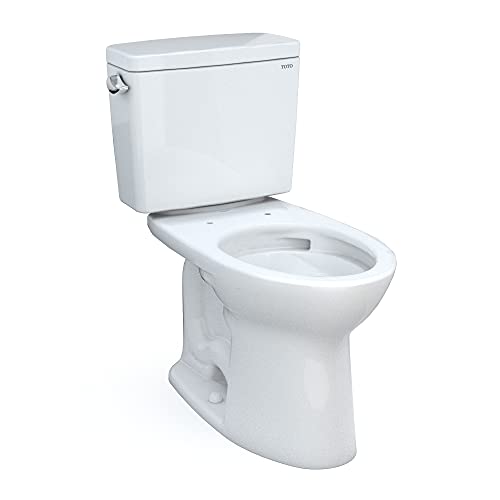
TOTO Drake
Proven tank parts and a strong flush
4.7
The Drake pairs a 1,000 gram MaP score with a widely available, easy-to-service flapper and fill valve, so even years from now a running-tank repair is a cheap, common part at 1.28 GPF.
Its tower-style flush valve seals differently from a hinged flapper, which sidesteps the most common cause of a running toilet, and the oversized valve also clears the bowl forcefully.
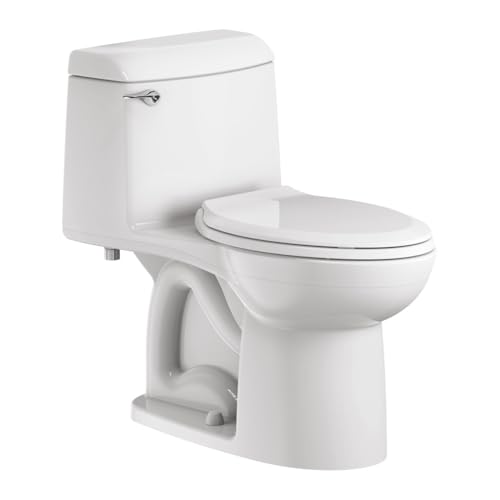
Kohler's canister flush valve seals over a 360-degree ring rather than a single flapper edge, which resists the running-tank wear pattern, while the Class Five engine flushes hard at 1.28 GPF.
If you are choosing a replacement specifically to escape a constantly running toilet, the table below compares leading models on the specs that predict both reliable sealing and strong flushing. The Drake is marked as the overall winner for parts availability and value together.
What does it mean when a toilet runs intermittently every few minutes?
A toilet that briefly runs every few minutes without being flushed is ghost flushing, and it means the flapper is leaking. Water slowly seeps from the tank into the bowl, dropping the tank level until the fill valve cycles on to top it up. Replacing the flapper, or repairing a pitted flush valve seat, stops the cycle.
Ghost flushing, also called phantom flushing, is one of the clearest signals you will get, and it almost always points at the flapper or the seat it lands on. Because the leak is slow, the tank takes minutes to fall low enough to trigger a short refill, which is why the cycle is spaced out rather than continuous. Confirm it with the dye test, replace the flapper, and if the new flapper still leaks, run a finger around the flush valve seat to check for pitting and fit a seat repair kit. For other intermittent tank noises and refill quirks, our guide on diagnosing a toilet that is not working as it should walks through the related symptoms.
The most common reason is a worn flapper that no longer seals the flush valve, so water keeps leaking into the bowl and the fill valve keeps refilling the tank. Run a dye test by adding food coloring to the tank and waiting 30 minutes. If color appears in the bowl, replace the flapper. If not, check whether the fill valve is set too high and spilling into the overflow tube.
? How do I stop my toilet from running without a plumber?
Most running toilets are a do-it-yourself fix. Take off the tank lid, check the chain is not holding the flapper open, then run a dye test. Replace the flapper if it leaks, or lower the float so the water sits one inch below the overflow tube if the fill valve is overfilling. Both repairs use inexpensive universal parts and take about fifteen minutes with no special tools.
? What is the most common cause of a running toilet?
A worn or misaligned flapper is the cause roughly 80 percent of the time. The rubber hardens, warps, or collects mineral film over a few years and stops sealing, so water leaks past it into the bowl continuously. Replacing the flapper, which is one of the cheapest plumbing parts you can buy, fixes the large majority of running toilets.
? How do I do a toilet dye test?
Add a few drops of food coloring or a dye tablet to the water in the tank, then leave the toilet unflushed for 20 to 30 minutes. If colored water seeps into the bowl, the flapper is leaking and should be replaced. If the bowl water stays clear, the flapper is sealing and your running issue is at the fill valve or float instead.
? Why does my toilet run every few minutes on its own?
That is ghost flushing, and it means the flapper is leaking slowly. Water seeps from the tank into the bowl until the level drops enough for the fill valve to cycle on briefly, which you hear as a short refill every few minutes. Replace the flapper, and if the new one still leaks, check the flush valve seat for pitting and fit a seat repair kit.
? How much water does a running toilet waste?
A running toilet commonly wastes around 200 gallons a day according to EPA estimates, and a larger leak can waste several thousand gallons daily. Over a month a moderate leak adds up to roughly 6,000 gallons of clean water going straight down the drain, which is why a running toilet is worth fixing the same day you notice it.
? Why does my toilet still run after replacing the flapper?
The most likely reason is that the new flapper does not match your flush valve, especially on canister or tower-style valves used by some Kohler and TOTO models. Another common cause is a pitted or rough flush valve seat that no flapper can seal against. Run a finger around the seat: if it feels gritty, fit a flush valve seat repair kit or replace the flush valve.
? What should the water level be in a toilet tank?
The water should settle about one inch below the top of the overflow tube, the open vertical pipe in the center of the tank. Most tanks also have a molded fill line on the inside back wall. If the water rises to the top of the overflow tube and spills in, the fill valve is set too high, which causes a continuous running hiss until you lower the float.
? How do I adjust the float on a toilet fill valve?
On a modern column-style fill valve, pinch the spring clip on the side and slide the float cup down, or turn the top adjustment screw counterclockwise to lower the water level. On an older ballcock with a float ball on an arm, gently bend the arm downward. Adjust a little at a time, flush, and recheck until the water settles one inch below the overflow tube.
? Can a running toilet raise my water bill?
Yes, significantly. The water leaking from a running toilet is clean supply water that drains straight to the sewer, so you pay for every gallon. A silent flapper leak can quietly add thousands of gallons to your monthly usage. Because the repair often costs only a few dollars in parts, fixing a running toilet pays for itself almost immediately on the next bill.
? Is a running toilet an emergency?
It is not a flooding emergency, since the water drains into the bowl and down the sewer rather than onto the floor, but it is wasting water continuously and should be fixed quickly. Treat it as same-day maintenance. If you cannot fix it right away, shut off the supply valve behind the toilet to stop the waste until you can replace the failed part.
? Why is my toilet hissing constantly?
A continuous hiss usually means the fill valve is running nonstop, either because the water level is set above the overflow tube and spilling in, or because the valve has worn out and cannot fully close. First lower the float so the water sits below the overflow. If the hiss continues with the level set correctly, replace the fill valve, which is an inexpensive universal part.
? How long does it take to fix a running toilet?
Most running-toilet repairs take 10 to 20 minutes. Adjusting a chain or float is a two-minute job, replacing a flapper takes about ten minutes, and swapping a fill valve takes fifteen to twenty. None of these require special tools, and the parts are sold at any hardware store, so it is one of the quickest plumbing fixes in the home.
? What is the difference between a flapper and a fill valve?
The flapper is the rubber seal at the bottom of the tank that lifts during a flush and reseals afterward to hold water in the tank. The fill valve is the tall column or ballcock that refills the tank to the correct level after a flush, then shuts off. A leaking flapper drains the tank silently, while a stuck-open fill valve overfills and hisses continuously.
? Will hard water make my toilet run?
Yes, indirectly. Hard water leaves mineral deposits on the flapper and the flush valve seat, which over time prevent a clean seal so the toilet leaks and runs. The same deposits clog fill valves and stop them shutting off cleanly. In hard-water homes, plan on replacing the flapper more often and inspecting the valve seat when a new flapper does not stop the run.
? Can I just turn off the water to stop a running toilet?
Shutting off the supply valve behind the toilet stops the water running and the waste immediately, which is a good temporary measure, but it is not a repair and you will not be able to flush. Use it to stop the waste overnight or until you can get the part, then fix the underlying flapper or fill valve so the toilet works normally again.
? Do canister flush valves run less than flappers?
Canister-style flush valves, used by many Kohler and newer TOTO toilets, seal over a full 360-degree ring rather than a single hinged flapper edge, which tends to resist the uneven wear that causes running. They are reliable but use a manufacturer seal kit rather than a generic flapper, so match the part to the model when a canister valve eventually needs servicing.
? When should I replace the whole toilet instead of the parts?
Replace the toilet when you are repeatedly fixing the same running problem, the flush valve seat is corroded, and the toilet is an older, water-hungry model that also flushes weakly. At that point a modern WaterSense 1.28 GPF toilet from TOTO, Kohler, or American Standard with proven, serviceable hardware ends the running issue for good and lowers water use on every flush.
Manufacturer published specifications (TOTO, Kohler, American Standard)
Our Verdict
Stopping a running toilet is one of the easiest and cheapest repairs in the home. Run the dye test first to learn whether the flapper or the fill valve is leaking, then work the fixes in order: chain, flapper, float level, fill valve, snagged float, and finally the flush valve seat. A worn flapper is the cause about 80 percent of the time and costs only a few dollars to replace. If the toilet is old, runs constantly, and flushes weakly, a modern WaterSense 1.28 GPF upgrade like the TOTO Drake ends the problem permanently and cuts water waste. Confirm the rough-in matches yours and check the current price on Amazon before you order.
D
Researched by Derek Whitman
Derek researches plumbing specifications, installation requirements and parts availability, cross-checking manufacturer claims against owner-reported reliability. Rankings are based on documented data and real owner reports, never paid placement.
Updated August 2026 · Plumbing
Keep reading
Related guides
Best Toilet Flush Valve: How to Choose the Right One
Plumbing
4.6
Which is the best toilet flush valve? Compare 2-inch, 3-inch, adjustable, and canister flush valves by fit and flush power, plus how…