A toilet that fills too low flushes weakly and clogs; one that fills too high wastes water and trickles into the overflow tube all day. Both problems are fixed in minutes with no special tools by adjusting the fill valve in the tank and, when the bowl water is wrong, the refill tube. This guide shows the exact target levels for the tank and the bowl, the right way to adjust each modern fill valve type, and how to tell when a low or high level is really a worn part that needs replacing.
Quick Answer
Set the tank water to sit about one inch below the top of the overflow tube by adjusting the fill valve float, not the flapper. On a Fluidmaster column valve, pinch the clip and slide the float cup down to lower the level or up to raise it. Flush, recheck, and repeat in small steps until the water settles cleanly.
There are two separate water levels in every toilet, and confusing them is the single biggest reason people struggle with this repair. The first is the level inside the tank, which determines how much water powers the flush. The second is the level of standing water in the bowl, which seals the trap against sewer gas and gives the flush something to push against. They are controlled by different parts, so before you touch anything it helps to know which level is actually wrong and which mechanism to adjust.
This guide follows the way we research everything on this site. Rather than tearing toilets apart in a lab, we compare how the fill mechanisms are engineered, the manufacturer-published target levels, the EPA WaterSense rules that govern how much water a modern toilet should use, and the repair patterns that show up consistently across aggregated owner reviews and plumbing resources. The adjustments here are free and take a few minutes, and we flag clearly the point at which a stubborn level means a worn part rather than a setting.
Start here. Take the tank lid off, set it flat somewhere safe (it is heavy porcelain and cracks easily), and flush once while you watch. Note where the water stops refilling in the tank relative to the central overflow tube, and look at how high the standing water sits in the bowl afterward. Those two observations tell you which level is off and send you straight to the right section below.
What is the correct water level for a toilet?
The correct tank water level is about one inch below the top of the overflow tube, the open vertical pipe in the center of the tank. The correct bowl water level reaches the molded fill line inside the bowl, usually about half to two-thirds of the way up the visible water surface. Both are set by the fill valve and its refill tube, not by the flush handle or flapper.
The overflow tube is the reference point for the tank. It is the tall open pipe that sits over the flush valve, and its job is to drain excess water into the bowl if the fill valve ever fails to shut off, preventing the tank from spilling onto the floor. Because of that safety role, the water must always stop below the top of the tube, and one inch of clearance is the standard target most manufacturers print on a molded line inside the tank wall. Set the tank there and you get the full designed flush volume without water constantly trickling into the overflow.
The bowl level is governed separately. After each flush a thin refill tube clipped to the top of the overflow tube squirts a measured stream down into the tube, which refills the bowl and restores the trap seal. Too little refill and the bowl sits low, the trap seal weakens, and sewer odor can creep in; too much and water can keep running or even siphon. Most bowls have a faint fill line molded into the porcelain showing the target. Get both levels to their marks and the toilet flushes at full strength, seals properly, and wastes nothing.
How do you adjust the water level in a toilet tank?
To adjust the tank water level, turn or slide the float on the fill valve. On a modern Fluidmaster-style column valve, pinch the spring clip on the side and slide the float cup up to raise the level or down to lower it. On an older ballcock with a float ball on a metal arm, turn the adjustment screw or gently bend the arm. Flush and recheck after each small change.
The float is the part that senses the water level and tells the fill valve when to shut off, so every tank adjustment is really a float adjustment. Identify which type you have first, because the method differs. The two designs below cover the vast majority of toilets sold in the last few decades, and both adjust without tools.
Float-cup (column) fill valves
This is the most common modern design, used by Fluidmaster, Korky, and most factory-installed valves. The valve is a tall vertical column in the corner of the tank with a wide plastic float cup that rides up and down the shaft. On the side you will see either a long screw running between the cup and the valve top or a spring-loaded clip on a metal rod. To lower the water level, pinch the clip (or turn the screw counterclockwise) and slide the cup down the shaft, then release; to raise it, slide the cup up. Move it only a quarter inch or so at a time. Flush, let the tank refill fully, and check the new resting level against the one-inch-below-overflow target before adjusting again.
Tip. Adjust in small steps and always let the tank refill completely before judging the result. People often over-correct on the first move, set the level too low, then chase it back up. A quarter inch on the float translates to a noticeable change in the tank, so patience beats big adjustments here.
Ballcock (float-ball) fill valves
Older toilets use a brass or plastic ballcock with a large float ball on the end of a horizontal arm. As the tank fills, the ball rises and the arm shuts the valve. Many newer ballcock arms have a thumb screw at the valve end: turn it clockwise to raise the level and counterclockwise to lower it. If there is no screw, you can gently bend the metal arm, down to lower the level and up to raise it, using both hands so you do not stress the valve body. Bend in small increments and recheck. A float ball that has taken on water and sits low in the tank will never shut the valve at the right point, and in that case the ball or the whole valve needs replacing rather than adjusting.
How do you fix a toilet bowl water level that is too low?
A bowl that fills too low after a normal flush usually means the refill tube has slipped out of the overflow pipe or is delivering too little water. Reseat the small refill tube so it clips to the top of the overflow tube and points down into it, and make sure it is not pushed so far in that it touches the water. If the tube is fine, a partial clog or a cracked trap can also lower the seal.
The standing water in the bowl is set during the refill phase, not the flush. When you flush, the fill valve sends most of its water into the tank and a smaller measured stream through the thin refill tube into the overflow pipe, and that stream is what refills the bowl. If the bowl sits low, the first thing to check is that flexible refill tube. It should clip neatly to the top of the overflow tube and aim down inside it; if it has popped loose and is spraying into the tank instead, the bowl never gets its refill water and the level drops. Reseat it and the bowl level usually returns at once.
If the refill tube is correctly placed and the bowl still sits low, the cause is downstream rather than in the tank. A partial clog in the trapway can pull the standing water down, and a slow phantom drain through a hairline crack or a bad wax seal can do the same over hours. A bowl level that keeps dropping when the toilet is not used points to a leak in the trap or, occasionally, a venting problem that siphons the seal. For the wider diagnostic on a persistently low bowl, our guide on how to fix a toilet that is not flushing properly walks through each cause in order, and if low water is leaving streaks and clogs, why your toilet keeps clogging and how to fix it covers the knock-on effects.
How do you fix a toilet water level that is too high?
A tank level that sits too high and trickles into the overflow tube is fixed by lowering the float so the fill valve shuts off about one inch below the top of the overflow. If lowering the float does not stop the running water, the fill valve seal is worn and the valve should be replaced. A bowl that fills too high usually means the refill tube is delivering too much water or the trap is partly blocked.
A too-high tank is the more wasteful of the two problems, because the excess water runs continuously into the overflow tube and down the drain, which can quietly add thousands of gallons to a yearly water bill. The fix is the mirror image of raising the level: lower the float cup or bend the float arm down until the valve shuts off with the water resting an inch below the overflow. If the water keeps creeping up to the overflow no matter how far you lower the float, the valve itself is no longer sealing and is letting water past after it should have closed. At that point adjustment cannot help and the fill valve, an inexpensive universal part, should be swapped out.
A bowl that fills too high after a flush is less common and usually points to one of two things. Either the refill tube is jammed too far down the overflow pipe and dumping more water than the bowl needs, in which case pulling it back so it only points into the tube fixes it, or the trapway is partly restricted so water backs up and sits high before slowly draining away. If the bowl rises high on every flush and then settles slowly, treat it as a partial clog and clear it before assuming the fill mechanism is at fault.
Editorial Take
The mistake we see most often is people trying to fix the bowl level by adjusting the flapper or the flush handle, which control none of it. The flapper governs how the tank empties, not how the bowl refills. If your bowl water is wrong, your hands belong on the small refill tube and the fill valve, not the flush mechanism. And if you are lowering a too-high tank to save water, do not overshoot below the fill line just to be safe, because a tank set too low robs the flush of power and trades a water leak for a clog problem.
What are the steps to adjust toilet water level in order?
Working through the levels in a set order keeps the two systems separate and stops you adjusting the wrong part. Here is the sequence that resolves the large majority of water-level complaints, from the quickest check to the part that occasionally needs replacing.
Step
Adjustment
Best For
Cost
1
Set tank float so water rests one inch below overflow tube
Weak flush or running water
Free
2
Reseat the refill tube on top of the overflow pipe
Low or noisy bowl level
Free
3
Lower float to stop trickle into overflow
High tank, wasted water
Free
4
Clear partial trap clog
Bowl fills high then drains slow
Free to low
5
Replace a waterlogged float ball
Old ballcock valve
Low cost part
6
Replace the fill valve
Valve will not shut off cleanly
Low cost part
7
Replace toilet with a high-MaP WaterSense model
Old low-MaP design
Replacement
If you reach step six and a fresh fill valve still will not hold the right level, the issue is almost always the valve seat or supply pressure rather than the toilet itself. But if the underlying toilet is an old low-flow design that flushes weakly even at the correct level, the lasting answer is an upgrade. For the step-by-step on building back flush strength once the level is correct, see how to improve toilet flush power with seven proven fixes, and if the flush stays soft despite a full tank, our weak toilet flush fix guide covers the bowl-design ceiling.
Why does my toilet water level keep changing?
A toilet water level that keeps changing on its own usually means a slow leak. In the tank, a worn flapper or a fill valve that fails to seal lets water drift, triggering ghost flushes that refill the tank. In the bowl, a dropping level points to a partial clog, a cracked trap, or a venting issue that siphons the seal. A stable level should not move between flushes.
A correctly working toilet holds both levels steady until the next flush. If the tank level slowly falls and the fill valve periodically kicks on to top it up, water is escaping past the flapper into the bowl, which is the classic ghost-flush signature. If the bowl level rather than the tank keeps dropping, the water is leaving through the trap, whether from a partial clog pulling it down, a hairline crack, or a vent problem that breaks the seal. Pinning down which level moves tells you which system to look at. A wandering tank level points at the flapper and fill-valve seals; a wandering bowl level points at the trap, the drain, and the vent. Either way, adjusting the float will not fix a level that moves on its own, because that is a seal or flow problem, not a setting.
Does the toilet tank water level affect flush power?
Yes, directly. The flush is powered by the volume and weight of water dropping out of the tank, so a tank set even an inch or two low flushes with a fraction of the designed water and feels weak. Raising the level to one inch below the overflow tube is the single most common fix for a sudden weak flush and the first thing to check.
Flush strength and tank level are tightly linked, which is why level adjustment is as much a flush-power repair as a water-saving one. When the tank fills to its designed line, the full slug of water dumps through the flush valve fast enough to form a strong siphon in the trapway and pull waste through cleanly. Drop the level and you starve that siphon, producing a soft flush, streaking, and the dreaded second flush, all while saving no real water because the toilet was designed around the higher volume. Setting the level correctly is the cheapest possible flush upgrade. If a properly set tank still flushes weakly, the limit is the bowl design rather than the water level, and a modern high-MaP model is the lasting fix.
For owners who reach that point, these three models pair high independent MaP scores with efficient WaterSense water use and deep, positive owner track records, which makes them safe upgrades from a tired toilet whose level you keep fighting. Each addresses a different priority.
Strongest Flush
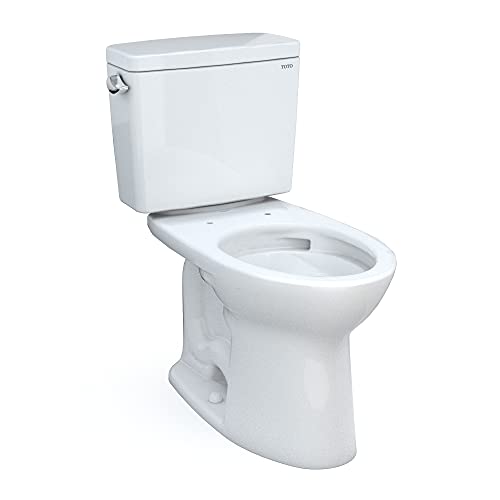
TOTO Drake
High MaP score and wide trapway for daily use
4.7
A top-tier 1,000 gram MaP score, a 3-inch flush valve and a fully glazed trapway make the Drake a powerful, reliable upgrade with an easy-to-source parts ecosystem at 1.28 GPF.
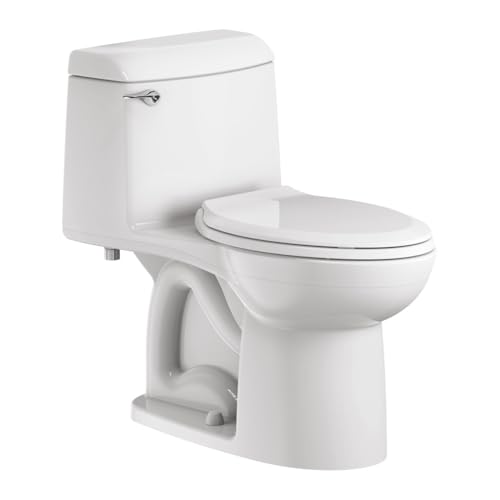
An oversized flush valve and a wide trapway move a lot of water fast, which makes the Champion 4 a strong pick when a low water level has been paired with frequent clogs.
Kohler's Class Five flush engine moves water with real force at 1.28 GPF, and the Cimarron pairs that clearing power with a clean comfort-height bowl that suits most family bathrooms.
If your old toilet flushes weakly even after you set the level correctly, the table below compares the leading high-power options on the specs that actually predict clearing strength. The Drake is marked as the overall winner for raw flush power and value together.
All six are WaterSense certified at 1.28 GPF or better, so they hit their water-saving target precisely when the tank is set to its fill line. For the full ranked list across every category, our roundup of the best flushing toilets walks through the picks in detail.
Editorial Take
If you find yourself adjusting the same toilet's level every few weeks, stop adjusting and start replacing parts. A correctly set float on a sound valve holds its level for years; a level that keeps drifting is a worn fill-valve seal or a tired flapper, not a setting you got slightly wrong. Swapping a universal fill valve takes about fifteen minutes and a few dollars, and it ends the constant re-adjusting that wears people down. Chasing a moving level with the float is the home-repair equivalent of bailing a leaking boat.
Putting it all together
Adjusting toilet water level comes down to knowing which of the two levels is wrong and which part controls it. Set the tank float so the water rests one inch below the overflow tube for full flush power and no waste, and reseat or trim the refill tube so the bowl fills to its molded line for a proper trap seal. Make changes in small steps, refill fully between each, and never use the flapper or handle to fix a bowl level. If a level keeps moving on its own, that is a worn seal or a clog rather than a setting, and the fill valve, flapper, or trap is the real fix. When a correctly set tank still flushes weakly, the bowl design is the limit, and a modern high-MaP WaterSense toilet from TOTO, Kohler, American Standard, Woodbridge, Swiss Madison, or Gerber is the lasting answer.
? Where should the water level be in a toilet tank?
The water should rest about one inch below the top of the overflow tube, the open vertical pipe in the center of the tank. Most tanks also have a molded fill line on the inside back wall marking the target. Setting it there gives the full designed flush volume while keeping water from trickling into the overflow tube and down the drain.
? How do I raise the water level in my toilet tank?
Adjust the float on the fill valve. On a modern column valve, pinch the clip or turn the adjustment screw clockwise and slide the float cup up the shaft. On an older ballcock with a float ball, turn the thumb screw clockwise or gently bend the metal arm upward. Make small changes, flush, and recheck until the water rests an inch below the overflow.
? How do I lower the water level in my toilet tank?
Move the float the opposite way. Slide the float cup down the valve shaft on a column valve, or turn the screw counterclockwise and bend the float arm down on a ballcock. Lower it just until the valve shuts off with the water about an inch below the overflow tube. If lowering the float will not stop water trickling into the overflow, the valve seal is worn and should be replaced.
? Why is the water level in my toilet bowl low?
The most common cause is the small refill tube slipping out of the overflow pipe, so the bowl never gets its refill water after a flush. Reseat the tube so it clips to the top of the overflow and points down inside it. If the tube is fine, a partial clog, a hairline crack in the trap, or a venting problem can also pull the bowl seal down.
? Why is the water level in my toilet bowl too high?
A high bowl level usually means the refill tube is pushed too far down the overflow pipe and overfilling the bowl, or the trapway is partly blocked so water backs up before draining. Pull the refill tube back so it only points into the tube rather than reaching the water, and clear any partial clog if the bowl rises high then drains slowly on every flush.
? Does the tank water level affect how well the toilet flushes?
Yes, directly. The flush is powered by the volume and weight of water dropping from the tank, so a tank set even an inch or two low flushes weakly and may need a second flush. Raising the level to one inch below the overflow is the single most common fix for a sudden weak flush and the first thing to check before replacing any parts.
? What part controls the toilet bowl water level?
The bowl level is controlled by the thin refill tube that clips to the top of the overflow pipe, not by the flapper or flush handle. During refill, the fill valve sends a measured stream through that tube into the overflow, which restores the bowl water and trap seal. If your bowl level is wrong, adjust or reseat the refill tube rather than touching the flush mechanism.
? How do I adjust a Fluidmaster fill valve water level?
Fluidmaster valves use a float cup that rides on the vertical valve shaft, adjusted by a long screw or a spring clip on the side. Pinch the clip or turn the screw, then slide the cup down to lower the level or up to raise it, moving it a quarter inch at a time. Flush, let the tank refill fully, and recheck against the one-inch-below-overflow target before adjusting again.
? How do I adjust an older toilet with a float ball?
On a ballcock valve the float ball sits on a horizontal arm. Many have a thumb screw at the valve end: turn it clockwise to raise the level and counterclockwise to lower it. If there is no screw, gently bend the metal arm with both hands, up to raise the water and down to lower it. If the ball has filled with water and sits low, replace the ball or the valve rather than adjusting.
? Why does my toilet water level keep dropping on its own?
A level that falls between uses signals a slow leak. If the tank level drops and the valve periodically refills it, water is escaping past a worn flapper, the classic ghost-flush sign. If the bowl level rather than the tank keeps falling, water is leaving through the trap from a partial clog, a crack, or a vent issue. Adjusting the float will not fix a level that moves on its own.
? Can a low water level cause my toilet to clog?
Yes. A low tank level weakens the flush so waste is not driven fully through the trapway, and a low bowl level leaves less water to carry it away, both of which raise clog risk and cause streaking. Restoring the tank to its fill line and confirming the bowl reaches its molded line often resolves recurring clogs that were really a water-level problem in disguise.
? Is it safe to lower my toilet water level to save water?
Only slightly, if at all. Modern WaterSense toilets at 1.28 GPF are already engineered around their fill line, so dropping the level below the mark starves the flush and trades a small water saving for weak flushing and clogs. The real water savings come from a properly set WaterSense toilet, not from running a low-flow model below its design level.
? How much water should a toilet use per flush?
A toilet that earns EPA WaterSense certification uses 1.28 gallons per flush or less while still meeting a minimum flush-performance standard. Older toilets use 1.6 gallons, and pre-1994 models can use 3.5 gallons or more. Setting the tank to its correct fill line ensures a WaterSense toilet hits its rated 1.28 GPF precisely rather than overfilling and wasting water.
? Should I adjust the flapper to change my water level?
No. The flapper controls how the tank empties during a flush, not the resting level of either the tank or the bowl. To change the tank level, adjust the fill valve float; to change the bowl level, adjust the refill tube. Adjusting the flapper to fix a level is a common mistake that wastes time and usually creates a new problem.
? Why does water keep running into my toilet overflow tube?
Water continuously running into the overflow tube means the tank is filling too high because the float is set too high or the fill valve no longer shuts off cleanly. Lower the float first; if the water still creeps up to the overflow no matter how low you set the float, the valve seal is worn and the fill valve should be replaced, which is an inexpensive universal part.
? How often do I need to adjust my toilet water level?
A correctly set float on a sound fill valve holds its level for years without touching it. If you find yourself adjusting the same toilet every few weeks, the level is not drifting because of a bad setting but because of a worn fill-valve seal or a tired flapper. Replace the part rather than re-adjusting, which ends the constant tweaking for good.
? Will a new fill valve fix my water-level problems?
Often, yes. If the level will not hold, the valve will not shut off, or an old float ball sits waterlogged, a fresh universal fill valve usually solves it in about fifteen minutes for a few dollars. A new valve gives you a clean float-cup adjustment and a fresh seal, which restores precise control over the tank level. It will not, however, fix a low bowl level caused by a clog or a cracked trap.
? When should I replace the toilet instead of adjusting the level?
Replace it when the tank is correctly set to its fill line, the bowl reaches its molded line, and the flush is still weak, which points to an old low-MaP bowl design rather than a level problem. Upgrade to a toilet rating 800 grams or higher on MaP with a WaterSense 1.28 GPF certification, such as the TOTO Drake or Kohler Cimarron, for a lasting fix that flushes strongly and saves water.
Manufacturer published specifications (TOTO, Kohler, American Standard)
Our Verdict
Adjusting the toilet water level is a two-minute, no-cost job once you know there are two separate levels. Set the tank float so water rests one inch below the overflow tube for full flush power, and reseat or trim the refill tube so the bowl reaches its molded fill line for a proper seal. Adjust in small steps and never use the flapper to do it. If a level keeps moving on its own, replace the fill valve or flapper instead of re-adjusting, and if a correctly set tank still flushes weakly, upgrade to a high-MaP WaterSense model like the TOTO Drake at 1,000 grams and 1.28 GPF. Confirm the rough-in matches yours and check the current price on Amazon before you order.
D
Researched by Derek Whitman
Derek researches plumbing specifications, installation requirements and parts availability, cross-checking manufacturer claims against owner-reported reliability. Rankings are based on documented data and real owner reports, never paid placement.
Updated August 2026 · Plumbing
Keep reading
Related guides
Best Toilet Flush Valve: How to Choose the Right One
Plumbing
4.6
Which is the best toilet flush valve? Compare 2-inch, 3-inch, adjustable, and canister flush valves by fit and flush power, plus how…