Decode every number and acronym on a spec sheet so you can pick a toilet that actually flushes well, saves water, and fits your rough-in.
Quick Answer
Reading a toilet spec sheet means understanding MaP scores (500+ is strong), GPF (1.28 is best for efficiency), flush type (gravity vs. pressure-assist), trapway size (2-1/8" minimum), and rough-in (12" is standard). Focus on these five numbers and you will buy a toilet that clears waste, rarely clogs, and meets water regulations.
## What Do MaP Scores and GPF Numbers Really Tell You?
MaP (Maximum Performance) scores measure how many grams of solid waste a toilet clears in a single flush. A score of 500 or higher is excellent. GPF (gallons per flush) tells you water usage; 1.28 GPF is the WaterSense standard for efficiency, while 1.6 GPF is the federal maximum.
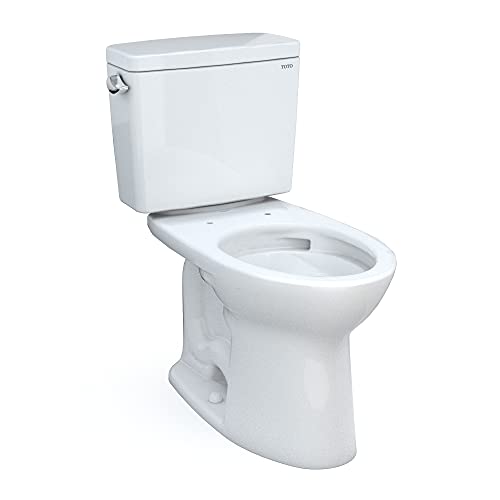
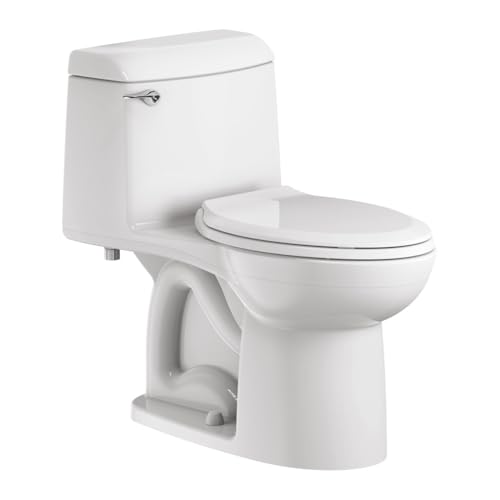
MaP testing is the industry standard for flush performance. Independent labs test each model by flushing a soy-based paste that mimics human waste. A MaP score of 1,000 means the toilet cleared 1,000 grams in one flush. Most high-performance models score between 500 and 1,000. The TOTO Drake II scores 1,000 grams. The Kohler Highline scores 500 grams. The American Standard Champion 4 scores 700 grams.
GPF is straightforward but often misunderstood. A 1.28 GPF toilet uses 20% less water than a 1.6 GPF model. That saves about 2,900 gallons per year for a family of four. Some toilets offer a 1.0 GPF option, but those often require two flushes to clear solid waste, which defeats the purpose. Stick with 1.28 GPF for the best balance of power and savings.
Editorial Take
Ignore any spec sheet that omits MaP scores. If a manufacturer does not publish MaP results, assume the toilet clears less than 500 grams. Always cross-check MaP data at map-testing.com before buying.
## How Does Flush Type Affect Performance and Noise?
Gravity-fed toilets are quiet, reliable, and use a siphonic action to pull waste down. Pressure-assist toilets are louder but use compressed air to blast water into the bowl, making them the strongest flushers. Dual-flush toilets offer a light flush for liquid and a full flush for solid waste.
Gravity flush is the most common type. Water falls from the tank into the bowl, creating a siphonic pull that clears waste. These toilets are quiet and easy to repair. The TOTO UltraMax II uses a gravity-fed system with a 3-inch flush valve for a faster, more powerful flush. Most gravity models score between 500 and 800 on the MaP test.
Pressure-assist toilets use a pressurized tank inside the ceramic tank. When you flush, compressed air forces water into the bowl at high speed. These toilets are louder than gravity models but rarely clog. The Kohler Wellworth Pressure Lite is a common example. MaP scores for pressure-assist toilets often exceed 1,000 grams.
Dual-flush toilets give you two buttons or a handle that flushes two ways. The light flush uses 0.8 to 1.1 GPF for liquid waste. The full flush uses 1.28 to 1.6 GPF for solid waste. The TOTO Aquia IV is a popular dual-flush model with a MaP score of 600 grams on the full flush. Some users report needing two flushes on the light setting, so read owner reviews carefully.
Editorial Take
For a home with heavy use, choose pressure-assist or a gravity model with a 3-inch flush valve. For a master bathroom where noise matters, stick with gravity-fed. Dual-flush is best for water savings but check MaP scores on the light flush setting.
## What Trapway Size and Rough-In Measurements Matter Most?
Trapway diameter should be at least 2-1/8 inches for clog resistance. Rough-in distance is the measurement from the finished wall to the center of the toilet flange; 12 inches is standard, but 10-inch and 14-inch options exist for tight spaces.
The trapway is the curved channel inside the toilet that carries waste to the drain. A wider trapway passes larger waste without clogging. Most standard toilets have a trapway of 1-3/4 to 2 inches. High-performance models like the American Standard Champion 4 feature a 2-3/8 inch trapway, which is why they are known for clog resistance. The TOTO Drake II has a 2-1/8 inch trapway and a MaP score of 1,000 grams.
Rough-in is the most common installation mistake. Measure from the finished wall behind the toilet to the center of the floor flange bolts. If you have a 12-inch rough-in, buy a 12-inch toilet. If you install a 10-inch toilet on a 12-inch rough-in, it will sit away from the wall. If you install a 12-inch toilet on a 10-inch rough-in, it will not fit. Always measure before buying.
Editorial Take
Never guess the rough-in. Use a tape measure from the finished wall to the center of the closet bolts. If the measurement is between 11.5 and 12.5 inches, buy a 12-inch rough-in toilet. If it is between 9.5 and 10.5 inches, buy a 10-inch model.
## How Do Bowl Shape and Height Impact Comfort and Use?
Elongated bowls are 2 inches longer than round bowls, providing more comfort for adults. Comfort height or chair height toilets have a seat height of 16 to 17 inches, which is easier to sit on and stand up from, especially for taller people or those with mobility issues.
Bowl shape affects both comfort and space. Elongated bowls measure about 18.5 inches from the bolt holes to the front of the rim. Round bowls measure about 16.5 inches. Elongated is preferred for comfort, but it requires more clearance in front of the toilet. Round bowls are better for small bathrooms or half baths.
Height is measured from the floor to the top of the seat. Standard height is 14 to 15 inches. Comfort height is 16 to 17 inches. The Americans with Disabilities Act (ADA) requires a seat height of 17 to 19 inches for public toilets. Most homeowners prefer comfort height for ease of use. The Kohler Highline and TOTO Drake II both offer comfort height options.
Editorial Take
If you are replacing a toilet in a small powder room, choose a round bowl to save space. For a master or guest bathroom, choose an elongated comfort height model. Check the spec sheet for "ADA compliant" or "comfort height" to confirm.
## Comparison Table: Key Specs for Popular Toilets
## What Certifications and Warranties Should You Look For?
EPA WaterSense certification means the toilet uses 1.28 GPF or less and passes a MaP test of at least 350 grams. A limited lifetime warranty on the china and a 5-year warranty on mechanical parts is standard from reputable brands like TOTO, Kohler, and American Standard.
WaterSense is the most important certification for water efficiency. Toilets that earn the label use at least 20% less water than the federal standard of 1.6 GPF. They also must pass a MaP test of 350 grams. Most WaterSense toilets score much higher. The TOTO Drake II and Kohler Highline both carry WaterSense certification.
Warranty language varies by brand. TOTO offers a limited lifetime warranty on the china bowl and tank, plus a 5-year warranty on all mechanical parts. Kohler offers a limited lifetime warranty on the china and a 5-year warranty on the flush valve and fill valve. American Standard offers a limited lifetime warranty on the china and a 10-year warranty on the flush mechanism. Always read the fine print to see what is excluded, such as cracks from freezing or misuse.
Editorial Take
Only buy toilets that have both WaterSense certification and a published MaP score from an independent lab. Avoid toilets with vague "high efficiency" claims and no certification. The warranty is a good indicator of build quality; longer warranties usually mean fewer problems.
## Frequently Asked Questions
What does MaP stand for?
MaP stands for Maximum Performance, a standardized test that measures how many grams of solid waste a toilet can flush in one attempt.
What is a good MaP score for a toilet?
A MaP score of 500 or higher is considered good. Scores above 800 are excellent, and scores of 1,000 are the highest possible.
Is 1.28 GPF better than 1.6 GPF?
Yes, 1.28 GPF is better for water savings and meets EPA WaterSense standards. However, 1.6 GPF toilets often flush with more force, so check MaP scores to compare.
What flush type is most reliable?
Gravity-fed flush toilets are the most reliable and easiest to repair. Pressure-assist toilets are more powerful but noisier and have more mechanical parts.
How do I measure rough-in for a toilet?
Measure from the finished wall behind the toilet to the center of the floor flange bolts. The most common rough-in is 12 inches.
What trapway size prevents clogs?
A trapway diameter of 2-1/8 inches or larger is best for preventing clogs. The American Standard Champion 4 has a 2-3/8 inch trapway.
Should I buy a round or elongated bowl?
Elongated bowls are more comfortable for adults. Round bowls save space and are better for small bathrooms or half baths.
What is comfort height on a toilet?
Comfort height, also called chair height, means the seat is 16 to 17 inches from the floor. This is easier for standing and sitting.
What does WaterSense certified mean?
WaterSense certified toilets use 1.28 GPF or less and pass a MaP test of at least 350 grams. It is a reliable mark of efficiency and performance.
How long should a toilet last?
A well-made toilet can last 20 to 30 years or more. Mechanical parts like flush valves and fill valves may need replacement every 5 to 10 years.
What is the best toilet brand for reliability?
TOTO and Kohler are the most reliable brands based on owner reviews and warranty claims. American Standard is also highly rated for clog resistance.
Can I install a toilet myself?
Yes, if you have basic plumbing skills and the correct rough-in measurement. Many homeowners install toilets themselves with a wax ring and a few tools.
What is a dual-flush toilet?
A dual-flush toilet has two flush options: a light flush for liquid waste (0.8 to 1.1 GPF) and a full flush for solid waste (1.28 to 1.6 GPF).
Do pressure-assist toilets clog less?
Yes, pressure-assist toilets clog less often because they use compressed air to blast water at high speed. They are louder but very reliable.
## Sources
Sources
EPA WaterSense, epa.gov/watersense
MaP flush testing, map-testing.com
Manufacturer published specifications for TOTO, Kohler, American Standard, Woodbridge, Gerber
Aggregated owner reviews from major retailers
## Our Verdict
Our Verdict
Reading a toilet spec sheet comes down to five numbers: MaP score (500+), GPF (1.28), trapway size (2-1/8"+), rough-in (12"), and seat height (16-17"). Ignore marketing claims and focus on these specs. The TOTO Drake II is the best all-around performer with a 1,000 MaP score, 1.28 GPF, and a 2-1/8 inch trapway. For a budget pick, the Gerber Viper offers 800 MaP at a lower price. Always verify MaP scores at map-testing.com and measure your rough-in before buying.
Marcus compiles bathroom-fixture data, MaP flush scores, GPF ratings, trapway and flush-valve specs, and weighs them against thousands of verified owner reviews to build our rankings. He does not run physical lab tests; every verdict is sourced from published specifications, certifications (MaP, EPA WaterSense) and real owner feedback.
Updated August 2026 · Buying Guides
Keep reading
Related guides
Where Does Toilet Water Go After You Flush
Buying Guides
4.6
When you flush, where does it go? Follow toilet water from the bowl through the trap, drain, and stack to a septic…