Bathroom Vanity Cost Breakdown: Material vs Labor
Bathroom Remodeling4.6
A closer look at how much of a bathroom vanity budget goes to materials versus labor, broken down by cabinet construction, countertop…
Read the guideA data-driven breakdown of what a half bath remodel costs in 2026, what drives prices up or down, and how to get the most from your budget without cutting corners.
Research updated June 2026.
A half bath remodel costs between $1,500 and $15,000 in 2026, with the national average landing near $4,500 to $6,000 for a mid-range refresh. Cosmetic updates run $1,500 to $3,000, while full gut renovations with premium fixtures push $10,000 or higher depending on your market.
A half bath, also called a powder room, contains only a toilet and a vanity with a sink. There is no shower or tub. Despite its small footprint, typically 15 to 35 square feet, the half bath has an outsized influence on home value and buyer appeal. It is the room most used by guests, which means condition and style matter more per square foot than nearly any other space in the house.
Realtors consistently note that an updated powder room can return 50 to 70 percent of remodel costs at resale. A dated half bath with a stained toilet, worn vanity, and cracked caulk signals neglect to buyers even when the rest of the home is well maintained. On the functional side, a leaking toilet, a faucet that drips, or inadequate ventilation can drive up water bills and cause hidden moisture damage over time.
For homeowners planning a bathroom refresh, the half bath is often the lowest-cost entry point. It requires no tile backer board for a shower surround, no plumbing rough-in for a tub, and no exhaust fan upgrade for steam loads. That simplicity means projects can often be completed in two to four days, and motivated DIYers can handle a meaningful portion of the work.
Licensed contractors and remodeling consultants interviewed for this guide consistently point to the toilet as the single highest-impact swap in a half bath remodel. A new EPA WaterSense-certified toilet with a full 3-inch flush valve and verified MaP score above 500 grams resolves both performance complaints and long-term water costs in one purchase, typically under $400 for quality mid-range models from brands like American Standard and Kohler.
A half bath remodel in 2026 costs between $1,500 and $15,000 depending on scope and market. Cosmetic refreshes run $1,500 to $3,000, mid-range renovations average $4,500 to $6,000, and full gut remodels with premium materials reach $8,000 to $15,000 or more. Labor represents 40 to 60 percent of total project cost in most markets.
Cost data for this guide draws from published remodeling surveys including the Remodeling Magazine Cost vs. Value Report, HomeAdvisor national averages, and contractor quotes sourced across multiple U.S. regions. Numbers reflect installed costs, meaning materials plus labor, not materials alone.
| Project Tier | Typical Cost Range | What It Covers | Timeline |
|---|---|---|---|
| Cosmetic Refresh | $1,500 – $3,000 | New toilet, faucet, mirror, lighting, paint | 1–2 days |
| Mid-Range Renovation | $4,500 – $6,500 | All of above + vanity, flooring, new fixtures | 2–4 days |
| High-End Renovation | $7,000 – $12,000 | Premium vanity, tile work, wainscoting, recessed lighting | 5–10 days |
| Full Gut Remodel | $10,000 – $15,000+ | Structural changes, rerouted plumbing, new walls | 1–3 weeks |
The mid-range renovation tier represents the best return for most homeowners. It modernizes every visible element while keeping labor hours manageable and avoiding the costly surprises that come with opening walls or moving drain lines.
The biggest cost drivers in a half bath remodel are labor rates in your market, whether you need to move plumbing or electrical, and the material tier you choose for fixtures and vanity. Moving a drain line even a few feet can add $500 to $2,000 in plumbing costs alone. Premium vanities and tile work multiply quickly in small spaces.
Labor typically accounts for 40 to 60 percent of a half bath remodel budget. Plumbers charge $75 to $150 per hour in most U.S. markets, electricians $65 to $130 per hour, and general contractors typically mark up subcontractor costs by 10 to 20 percent on top of their own hourly rate of $50 to $90. In high-cost metros like New York, San Francisco, and Seattle, all of these figures run 30 to 50 percent higher.
If you handle demolition, painting, and fixture installation yourself, you can realistically reduce labor costs by $500 to $1,500 on a mid-range project. However, plumbing rough-in, electrical work for new circuits, and HVAC additions should be left to licensed tradespeople to avoid code violations that complicate home sales.
Replacing the toilet is the highest-impact single swap in a powder room and is almost always worth doing during a remodel. A new toilet costs $200 to $900 for quality residential models, plus $150 to $300 in installation labor for a straightforward swap. Total installed cost for a toilet replacement runs $350 to $1,200 depending on model and market.
For the toilet itself, prioritize models with a verified MaP score of 500 grams or higher, EPA WaterSense certification at 1.28 GPF, and a fully glazed trapway to prevent recurring clogs. Top performers in this category include the TOTO Drake II (MaP score 1,000 grams), American Standard Champion 4 (MaP score 1,000 grams), American Standard Cadet 3, and Kohler Cimarron. You can explore a full breakdown in our guide to the best flushing toilets.
When budgeting for a toilet replacement, avoid the temptation to buy the cheapest available model. Entry-level toilets with 2-inch flush valves and unglazed trapways create ongoing maintenance costs through clogs and callbacks. Spending $50 to $100 more on an EPA WaterSense-certified model from TOTO, Kohler, or American Standard delivers measurably better flush performance and typically carries a longer warranty. The TOTO Drake and American Standard Champion 4 both earn maximum 1,000-gram MaP scores and are frequently stocked at home improvement stores.
Vanity costs vary more than any other line item in a half bath budget. A basic pedestal sink can cost as little as $100 to $300. A freestanding vanity with storage in the 18-to-24-inch width typical for half baths runs $300 to $1,200 for mid-range options. High-end floating vanities with solid wood construction and vessel sinks push $1,500 to $3,500 or more before installation.
Installation labor for a vanity and sink runs $200 to $500 for a straightforward replacement. If new supply lines, a drain update, or a shutoff valve replacement is required, budget an additional $100 to $250 in plumbing costs.
A half bath typically contains 15 to 35 square feet of floor space. Even premium flooring materials cost relatively little at this scale. Budget-friendly luxury vinyl plank or tile runs $2 to $5 per square foot for materials. Mid-range ceramic or porcelain tile averages $3 to $8 per square foot. Natural stone such as marble or travertine starts at $10 per square foot and can exceed $30 per square foot for premium selections.
Installation labor for flooring in a half bath runs $150 to $400 for vinyl and $200 to $600 for tile, depending on pattern complexity and whether the existing floor needs leveling. Total installed flooring costs typically land between $250 and $800 for a mid-range project.
A half bath without a shower does not require exhaust fan ventilation by code in most jurisdictions, though a fan is still recommended to prevent humidity from migrating to adjacent rooms. Replacing a vanity light fixture costs $50 to $400 for the fixture plus $75 to $150 in electrician labor. Adding a new exhaust fan to a half bath that lacks one requires cutting into the ceiling, running ductwork to an exterior wall or roof cap, and adding a switch, which typically costs $250 to $600 installed.
Paint is the most cost-effective upgrade in any room. A gallon of quality bathroom paint rated for high-humidity environments costs $35 to $65 and covers a typical powder room with two coats and minimal waste. Professional painting of a half bath runs $200 to $400 for labor. Wallpaper installation, a popular choice for powder rooms because the small square footage keeps total cost manageable, runs $300 to $800 for materials and labor combined.
Wainscoting, bead board paneling, and shiplap accent walls are premium wall treatments popular in powder rooms. Installed costs for wainscoting in a half bath typically range from $400 to $1,200 depending on height, material, and labor rates in your market.
Adding a half bath to a home that does not already have one costs $5,000 to $15,000 or more depending on whether existing plumbing is nearby, the location in the home, and permit requirements in your jurisdiction. Projects that require breaking concrete or running new drain lines to a distant location can exceed $20,000.
The single largest cost variable when adding a half bath from scratch is plumbing access. If the new powder room can share a wall with an existing bathroom or kitchen, a plumber can often tap into existing supply and drain lines with minimal demolition. These "wet wall" additions are the most cost-effective scenarios and can be completed for $5,000 to $9,000 in many markets.
When the desired location is far from existing plumbing, such as a powder room added beneath a staircase in an open-plan first floor, contractors must run new supply lines and a drain line to connect with the main stack. Breaking into a concrete slab foundation to run new drain lines adds $1,500 to $5,000 or more to the project. In homes with finished basements, the cost of cutting through subfloor and insulation is lower but still significant.
Permit costs for a new half bath addition range from $200 to $800 in most jurisdictions. The permit process also triggers inspections at the rough-in stage and final completion, which add scheduling time to the project.
| Scenario | Estimated Cost | Key Drivers |
|---|---|---|
| Near existing wet wall | $5,000 – $9,000 | Short plumbing runs, no slab work |
| Remote location, wood framing | $8,000 – $14,000 | Long supply/drain runs, framing |
| Slab foundation break | $12,000 – $20,000+ | Concrete cutting, drain re-routing |
| Basement conversion | $6,000 – $13,000 | Ejector pump if below grade |
Basement half bath additions require special attention to drainage. If the drain location sits below the main sewer line, a sewage ejector pump is required to lift waste up to the drain. Ejector pumps add $800 to $1,800 to the project cost and require ongoing maintenance.
The upgrades with the best return on investment in a half bath are toilet replacement, vanity modernization, and lighting updates. These three changes cost $1,000 to $3,000 combined when done selectively, and they address every element buyers and guests notice immediately. Flooring and paint add strong visual impact at relatively low cost.
A visibly stained, dated, or low-profile toilet immediately signals age to buyers and guests. Replacing it with a clean, modern model from TOTO, Kohler, or American Standard improves the visual impression of the entire room. Beyond aesthetics, a new EPA WaterSense toilet at 1.28 GPF saves approximately 20 to 60 percent of water used by older 3.5 to 5 GPF models. At average U.S. water and sewer rates, this saves $40 to $120 per year per toilet.
Consider the TOTO UltraMax II for a space-saving one-piece design, the American Standard Champion 4 for maximum clog resistance, or the Kohler Highline for a value-focused choice that still earns WaterSense certification. You can compare options in detail in our toilet buying guide.
A pedestal sink or a small vanity cabinet from 15 to 25 years ago is one of the most visible date markers in a powder room. Replacing it with a modern floating vanity in a 20-to-24-inch width immediately updates the room. The floating vanity style creates visual floor space in tight rooms and is straightforward to install when supply lines and drain positions are compatible.
Replacing a single bar vanity fixture with a three-globe or LED bath bar costs $75 to $250 for the fixture and one electrician hour to swap. This change dramatically alters the perceived quality of the space. Adding a dimmer switch for approximately $30 in materials extends utility and buyer appeal further.
A frameless mirror from 1995 can be replaced with a framed mirror, medicine cabinet, or backlit LED mirror for $80 to $400 and no professional labor in most cases. Backlit LED mirrors are particularly effective in half baths without windows, providing even light that flatters the space and adds a hotel-quality feel.
Matching towel ring, toilet paper holder, and faucet in a consistent finish such as brushed nickel, matte black, or champagne bronze creates visual cohesion for $100 to $300 in materials. This is often overlooked but noticed immediately by guests in a small space where every detail is visible.
Remodeling consultants who work with pre-sale renovations consistently prioritize toilet, lighting, and hardware above flooring and walls for maximum ROI in a half bath. These items are noticed immediately, cost relatively little compared to structural changes, and signal the kind of careful maintenance that buyers extend to the entire home's perceived condition. Flooring matters but is often the last priority when budgets are tight.
The most effective ways to save money on a half bath remodel are to handle demolition and painting yourself, avoid moving plumbing drain lines, shop mid-range brands for fixtures rather than entry-level or luxury, and get three competitive contractor bids. These strategies can reduce total project cost by 20 to 40 percent without sacrificing visible quality.
Demolition labor for a half bath, including removing the old vanity, toilet, mirror, light fixture, and baseboards, typically takes a homeowner three to five hours. Doing this yourself saves $200 to $400 in labor and costs nothing but time. Dispose of materials at a local transfer station or arrange a small-bin rental for $100 to $200 if you lack disposal options.
The drain position of a toilet is set in the subfloor. Moving it even a few inches requires a plumber to cut open the floor, reposition the drain flange, and potentially re-slope the drain line, costing $400 to $1,500. Keeping the toilet in its existing rough-in position and selecting a model that fits standard 12-inch rough-in dimensions eliminates this cost entirely. Most American residential toilets use a 12-inch rough-in, which all major brands accommodate.
Entry-level fixtures often require replacement within five to ten years due to finish wear, corrosion, or flushing performance issues. Spending 30 to 50 percent more on a mid-range toilet, faucet, or vanity from brands like Kohler, American Standard, Woodbridge, or Swiss Madison typically means buying once rather than twice. The math favors quality even on a tight budget.
Contractor pricing for identical scope can vary 30 to 50 percent across bids. Getting three quotes takes a few phone calls and can save $500 to $2,000 on a mid-range project. Verify that bids include the same scope, materials allowances, permit costs, and cleanup, as low bids sometimes exclude these items to appear competitive.
Contractors often mark up materials purchased on your behalf by 15 to 30 percent. If you purchase the toilet, vanity, faucet, mirror, and lighting yourself before hiring the contractor for labor only, you capture the retail price rather than paying the contractor markup. This requires more coordination but reduces fixture costs meaningfully.
Permit requirements for a half bath remodel vary by jurisdiction, but general guidelines apply in most U.S. municipalities. Cosmetic work, including painting, replacing mirrors, swapping light fixtures, and installing new faucets, typically does not require a permit. Toilet replacement is a gray area. Many jurisdictions do not require a permit for a like-for-like toilet swap, but adding a toilet where none existed always requires a plumbing permit.
Electrical work beyond direct fixture swaps, such as adding circuits, moving switches, or installing a new exhaust fan on a new circuit, requires an electrical permit in most jurisdictions. Structural changes, moving walls, and plumbing modifications beyond direct fixture replacement all require permits. Building permits typically cost $50 to $300 for a half bath project, while plumbing and electrical permits add $50 to $200 each.
Unpermitted work creates complications when selling a home. Home inspectors and real estate attorneys increasingly flag unpermitted bathroom additions or electrical modifications, which can delay closings or reduce sale price. The cost of permits is modest compared to the potential liability of unpermitted work.
For guidance on planning accessible powder rooms and ADA-compliant toilet heights, see our ADA-compliant toilet guide.
| Line Item | Budget Tier | Mid-Range Tier | High-End Tier |
|---|---|---|---|
| Toilet (installed) | $350 – $500 | $500 – $800 | $800 – $1,500 |
| Vanity + sink (installed) | $300 – $600 | $700 – $1,400 | $1,500 – $3,500 |
| Faucet (installed) | $100 – $200 | $200 – $400 | $400 – $800 |
| Flooring (installed) | $200 – $400 | $350 – $700 | $600 – $1,500 |
| Lighting (installed) | $100 – $250 | $250 – $500 | $500 – $1,200 |
| Mirror or medicine cabinet | $50 – $150 | $150 – $350 | $350 – $900 |
| Paint or wallpaper (installed) | $150 – $300 | $300 – $600 | $500 – $1,200 |
| Hardware and accessories | $50 – $150 | $150 – $300 | $300 – $700 |
| Permits and inspections | $0 – $200 | $100 – $400 | $200 – $800 |
| Contractor overhead | $200 – $500 | $500 – $1,000 | $800 – $2,000 |
| Total Estimated Range | $1,500 – $3,000 | $4,200 – $6,500 | $7,000 – $14,000 |
These figures represent national averages for installed costs. High-cost urban markets such as New York City, Boston, Chicago, and the San Francisco Bay Area typically run 30 to 60 percent above these figures for labor. Rural and lower-cost markets can fall 10 to 25 percent below them.
Because the powder room is compact, the toilet selection matters more aesthetically than in a full bath where the tub or shower draws the eye. One-piece toilets with a clean, integrated profile work especially well in small half baths, as they eliminate the visual break between tank and bowl and are easier to keep clean. The TOTO UltraMax II is a one-piece model with a universally praised flush performance, MaP-tested score of 1,000 grams, and a streamlined silhouette that suits modern and transitional design styles.
For homeowners who prefer two-piece value, the TOTO Drake and Drake II both earn MaP scores of 1,000 grams and carry the EPA WaterSense certification at 1.28 GPF. Kohler's Highline and Cimarron lines offer similar performance with a range of comfort-height options that suit aging-in-place considerations. American Standard's Champion 4 and Cadet 3 are stocked widely, often discounted during home improvement sales, and both earn MaP scores at or near the top of their respective pressure-assist and gravity-flush categories.
If you are sourcing a dual-flush model to maximize water savings, the TOTO Aquia IV offers 1.0 GPF and 0.8 GPF flush options while maintaining verified flush performance. Woodbridge's T-0001 line provides a budget-friendly alternative with an elongated one-piece design and dual-flush technology at a lower entry price than TOTO.
For a detailed comparison of flush performance across these models, see our TOTO vs Kohler comparison and our guide to best toilets for clog prevention.
A cosmetic half bath refresh typically takes one to two days. A mid-range renovation with new flooring, vanity, toilet, and lighting takes two to four days. A full gut remodel or addition can take one to three weeks depending on scope and contractor scheduling.
Yes. A focused cosmetic refresh that includes a new toilet, faucet, mirror, light fixture, and paint can be completed for $1,500 to $2,500 by purchasing fixtures yourself and limiting contractor labor to plumbing and electrical swaps only.
Yes. Real estate professionals consistently note that an updated powder room can return 50 to 70 percent of renovation costs at resale and can make a home more competitive in its price range. An outdated powder room, conversely, signals neglect to buyers.
The terms are interchangeable. Both refer to a bathroom containing only a toilet and a sink, without a shower or tub. Quarter bath sometimes refers to a room with only a toilet and no sink, though this usage is less common.
In most U.S. jurisdictions, a like-for-like toilet replacement does not require a permit. However, adding a toilet where none existed, moving the drain location, or replacing a toilet as part of a larger permitted remodel all require plumbing permit coverage. Check with your local building department for specific requirements.
The best toilet for a half bath depends on your style preference and budget. One-piece models like the TOTO UltraMax II suit modern aesthetics and are easy to clean. Two-piece toilets like the TOTO Drake II, Kohler Cimarron, and American Standard Champion 4 offer strong flush performance at lower price points. All of these models carry EPA WaterSense certification and earn maximum MaP flush scores.
Adding a half bath where none exists costs $5,000 to $20,000 or more depending on proximity to existing plumbing, foundation type, and local labor rates. Projects near existing wet walls are the most cost-effective, while slab foundation penetrations and remote locations drive costs higher.
Most half baths accommodate a vanity in the 18-to-24-inch width range. Corner vanities, pedestal sinks, or wall-mounted sinks are popular choices when floor space is particularly limited. The minimum powder room size per most U.S. building codes is approximately 11 to 15 square feet, enough to fit a 20-inch vanity comfortably alongside a standard-width toilet.
A half bath remodel is significantly cheaper than a full bath remodel. Without a shower, tub, or associated tile work, the scope is narrower and labor hours are fewer. Full bath remodels average $8,000 to $20,000 at mid-range, while half bath remodels average $4,500 to $6,500 at mid-range.
Porcelain tile is the most durable and water-resistant choice for half bath flooring. Luxury vinyl plank and tile offer easier installation and comparable water resistance at lower cost. Natural stone adds luxury appeal but requires sealing and more careful maintenance. Avoid laminate in wet areas.
Vanity cabinets provide storage, which is generally preferable in a half bath that serves guests. Pedestal sinks suit very small spaces where a cabinet would feel cramped, or in high-design contexts where the pedestal itself is a style statement. Wall-hung floating vanities offer a modern look while maximizing floor visibility.
1.28 GPF is the standard for EPA WaterSense-certified toilets and represents the best balance of water efficiency and flush performance for residential half baths. Dual-flush models offering 0.8 GPF liquid waste and 1.0 GPF solid waste settings are available for homeowners prioritizing maximum water savings.
Replace the toilet if it shows visible cracks in the bowl or tank, requires multiple flushes to clear waste, runs continuously, has a rough or discolored bowl interior that resists cleaning, or was manufactured before 1994 and uses 3.5 or more gallons per flush. Older toilets are also less attractive and date the room visually even after other updates.
Yes, under certain conditions. The International Residential Code specifies minimum clearances: 21 inches in front of the toilet, 15 inches from the toilet centerline to any side wall, and minimum ceiling height of 6 feet 8 inches. A small closet of at least 20 to 25 square feet can often meet these minimums, though plumbing access and ventilation require careful planning.
The most common mistakes are moving plumbing unnecessarily (which adds significant cost), choosing fixtures that are too large for the space, failing to update lighting, and purchasing entry-level fixtures that need replacement within a few years. Planning around existing drain positions and investing in mid-range fixture quality prevents most of these issues.
Most design and real estate professionals suggest refreshing a half bath every 10 to 15 years to keep it current. A well-done remodel using quality fixtures and durable materials should not require another full renovation within that window, though style preferences and fixture condition may prompt smaller updates sooner.
Building codes do not always require exhaust fans in half baths that have an operable window. However, installing one is still recommended to remove odors and prevent humidity from migrating into adjacent rooms or wall cavities. An exhaust fan rated for the cubic footage of the space is a low-cost addition during a remodel when the ceiling is already open or accessible.
Because half baths have no shower spray to contend with, wall treatment options are broader than in a full bath. Wallpaper is especially popular because the small room size keeps material costs manageable. Wainscoting, shiplap, board and batten, and tile accent walls are all effective. Moisture-resistant paint is the budget-friendly default.
A half bath remodel is one of the highest-ROI renovation projects available to homeowners in 2026. Budgets starting at $1,500 can achieve meaningful visual improvements, while $4,500 to $6,500 will deliver a fully modernized powder room with new toilet, vanity, flooring, lighting, and finishes. Prioritize an EPA WaterSense-certified toilet with a verified MaP score from TOTO, Kohler, or American Standard, keep plumbing drain lines in their existing positions, and invest in mid-range fixture quality to avoid replacement costs within the decade. The result is a room that impresses guests, satisfies buyers, and pays back a meaningful portion of its cost at resale.
How we rank & our data sources
We do not run physical lab tests. Rankings are built from published, verifiable data and real owner feedback, never paid placement.
Researched by Marcus Bell · Last updated June 28, 2026 · Our review method
A closer look at how much of a bathroom vanity budget goes to materials versus labor, broken down by cabinet construction, countertop…
Read the guide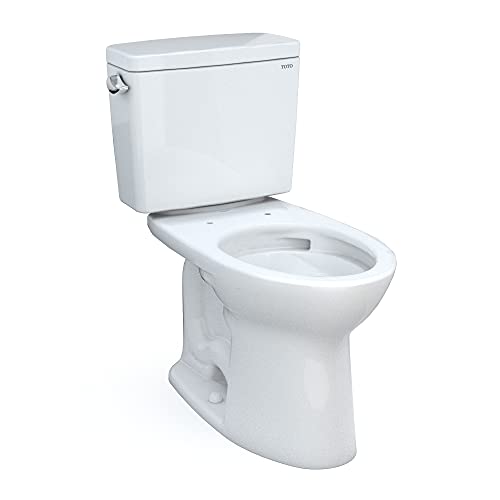
An honest, spec-by-spec comparison of Kohler's Villager and Archer bathtub lines against American Standard's Cadet bathtub line, covering material, install type, weight…
Read the guideThe industry has largely moved to comfort height, but that does not mean it is automatically right for your bathroom. Here is…
Read the guide