
Best 30-Inch Bathroom Vanities (2026)
Bathroom Remodeling4.6
Thirty inches is the sweet spot between a cramped 24-inch vanity and a full 36-inch cabinet, giving a single-sink bathroom real drawer…
Read the guideA curated ranking of clawfoot and slipper-style freestanding tubs that pair a period-correct silhouette with modern acrylic or cast-iron durability.
The best vintage bathtub is the Woodbridge Acrylic Clawfoot Tub, a double-ended clawfoot soaking tub in durable acrylic with a genuine claw-foot base, delivering the classic silhouette at a manageable installed weight. For true cast iron, the Kohler Iron Works Historic leads, and the Barclay Slipper Tub is the best space-saving pick.
A vintage bathtub has to solve a problem most modern tubs do not face: weight and floor support. The classic clawfoot silhouette, a freestanding oval tub raised on four decorative feet, was traditionally cast iron with a porcelain enamel finish, which delivers unmatched heat retention and durability but can weigh 350 to 500 pounds empty and considerably more filled, often requiring a structural floor assessment before installation. Modern acrylic and reinforced-composite reproductions deliver the same silhouette at a fraction of the weight, trading some heat retention for dramatically easier installation. Choosing between them is the central decision in this category.
We do not run our own durability trials. Instead we compare published manufacturer specifications, the material and its documented weight, heat retention and durability characteristics, the silhouette and dimensions against genuine period shapes, the mount type and floor-load requirements, and the patterns across thousands of aggregated owner reviews on install, finish wear and long-term satisfaction. For vintage tubs specifically we weighted four things above all else: authentic clawfoot, slipper or double-ended silhouette, because the tub's shape and visible foot style are what define the vintage look; material honesty, since cast iron and acrylic each have real, different tradeoffs that buyers need clearly explained rather than glossed over; realistic weight and floor-load information, since this is the detail most likely to derail an installation if ignored; and finish and foot-hardware quality, since the feet themselves are a major visual element separate from the tub body. If you want the broadest performance-first ranking of bathroom fixtures, see our pillar guide to the best flushing toilets.
Every pick here had to combine an authentic clawfoot, slipper or double-ended silhouette, clearly documented material and weight specifications, and finish and foot-hardware quality appropriate to the style. We favored tubs with clearly stated empty and filled weight so buyers can plan floor support accurately, genuine cast-iron-and-porcelain or high-density acrylic construction over thin fiberglass that flexes and cracks, and detailed ball-and-claw or scroll feet that match the tub's overall finish rather than generic hardware. We weighted aggregated owner reports about install difficulty, finish durability and drain fit over marketing photography, and we do not accept payment for placement.
| Model | Style Fit | Key Spec | Best For | Check Price |
|---|---|---|---|---|
| Woodbridge Acrylic Clawfoot | Double-ended acrylic clawfoot | Approx. 110 lb empty | Best overall | Check price |
| Kohler Iron Works Historic | True cast-iron clawfoot | Approx. 400+ lb empty | Best cast iron | Check price |
| Barclay Slipper Tub | Raised-back slipper clawfoot | Approx. 120 lb empty | Best space-saving | Check price |
| Cambridge Plumbing Clawfoot | Classic oval acrylic clawfoot | Approx. 100 lb empty | Best value | Check price |
| Ove Decors Clawfoot Tub | Compact acrylic clawfoot | Approx. 95 lb empty | Best budget | Check price |
| Cambridge Double Slipper | Dual raised-back slipper | Approx. 135 lb empty | Best for two bathers | Check price |
| Barclay Cast Iron Clawfoot | Mid-weight cast-iron clawfoot | Approx. 240 lb empty | Best cast-iron value | Check price |

The Woodbridge Acrylic Clawfoot is the tub we recommend first because it delivers the full double-ended clawfoot silhouette in high-density acrylic at roughly a quarter the weight of cast iron, making it installable in most bathrooms without a structural floor assessment while still looking genuinely period-correct.
The Woodbridge's double-ended shape means both ends curve identically, so the tub can be plumbed and used from either end, a practical advantage over a single-ended clawfoot where the sloped backrest is fixed. Its acrylic construction with fiberglass reinforcement holds heat reasonably well for a non-cast-iron tub and resists the chipping that porcelain enamel over cast iron can suffer from a dropped object. At roughly 110 pounds empty, it installs on a standard residential floor without the structural review a cast-iron tub often requires.
Owners consistently report that the acrylic finish looks convincingly like glossy porcelain from normal viewing distance, and that the lighter weight made installation dramatically easier and cheaper than a cast-iron alternative, particularly on upper floors. The main limitation is heat retention, which is genuinely better in cast iron, so buyers planning very long soaks in a cold bathroom may notice water cooling faster. For a buyer who wants the classic clawfoot look without a floor engineering assessment, it is the standout, and it pairs naturally with the faucet in our guide to the best vintage bathtub faucets and showerheads of 2026.
The Woodbridge is the tub we point most buyers to because it solves the single biggest practical obstacle to owning a clawfoot tub, which is weight. At roughly a quarter the weight of cast iron, it installs like a normal modern tub while still delivering a genuinely convincing vintage silhouette. If heat retention is your top priority, step up to cast iron, but for most bathrooms this is the sensible, achievable choice.
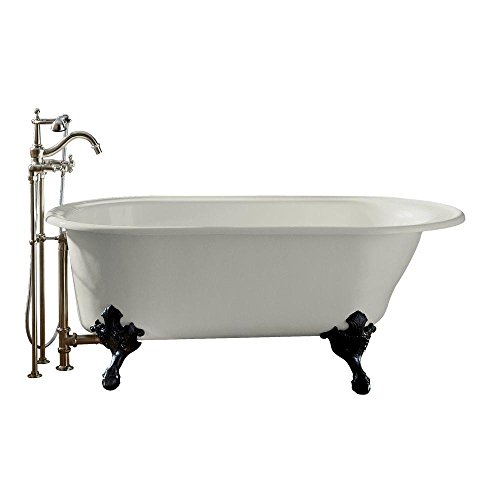
The Kohler Iron Works Historic is a genuine cast-iron tub finished in porcelain enamel, the same construction method used in original antique clawfoot tubs, delivering the best heat retention and the most substantial, permanent feel of any tub in this guide.
Cast iron coated in fired porcelain enamel is genuinely the same construction method used in the antique tubs this style is based on, and it delivers a heavy, dense feel and heat retention that acrylic cannot fully replicate, since the iron itself absorbs and slowly releases heat back into the bathwater. The porcelain enamel finish is highly scratch- and chip-resistant when new, though a hard impact can chip through to bare iron in a way that is more visible than a scuff on acrylic. At over 400 pounds empty, moving and installing it requires multiple people or equipment.
Owners consistently praise the water temperature staying noticeably warmer over a long soak compared to acrylic, and the substantial, high-end feel of genuine cast iron. The tradeoff is significant: this weight, especially once filled with water and a bather, can exceed 800 pounds concentrated on four small feet, which most homes should have a contractor evaluate before installing, particularly above the ground floor. For a buyer who wants the true original material and has confirmed floor support, it is the standout, and it pairs with the vanity styling in our guide to the best vintage bathroom vanities of 2026.
The Iron Works Historic is what we recommend when heat retention and authentic material matter more than convenience. Cast iron genuinely holds heat better than acrylic, and there is a substantial, permanent quality to it that reproductions cannot fully match. Confirm your floor can support the weight, ideally with a contractor's input, before committing, especially on an upper floor.

The Barclay Slipper Tub raises one end into a tall sloped backrest for upright, immersive soaking in a shorter overall footprint than a standard clawfoot, making it the practical choice for bathrooms that cannot fit a full-length tub.
A slipper tub's raised back rises higher than a standard clawfoot's sloped end, creating a deeper, more enclosed soaking position that suits a shorter overall tub length, since the water depth compensates for the reduced length. This makes it a genuine space-saving option rather than just a stylistic variant, fitting bathrooms where a 67-inch double-ended tub simply will not fit. The acrylic construction keeps the weight manageable for most residential floors.
Owners value the immersive, upright soaking position and the way the raised back makes the tub feel deeper despite the shorter length, along with the easier installation that comes with acrylic construction. The tradeoff is that bathers who prefer to recline at full length may find the slipper shape less comfortable than a standard clawfoot. For a smaller bathroom that still wants a genuine vintage soaking tub, it is the standout, and it pairs with the shower add-on in our guide to the best vintage bathtub faucets and showerheads of 2026.
The Slipper Tub is what we recommend when the bathroom's footprint simply cannot accommodate a full 5.5-foot double-ended clawfoot. The raised back genuinely changes the soaking experience, not just the look, giving a deeper feel in a shorter tub. If you want to recline at full length, choose a standard clawfoot instead, but for tight spaces, this is the smart alternative.

The Cambridge Plumbing Clawfoot delivers the classic single-ended oval silhouette in acrylic at a competitive price, offering the full clawfoot look and manageable weight without the premium pricing of Woodbridge's double-ended design.
The Cambridge tub's single sloped backrest is the shape most people picture first when they think of a classic clawfoot tub, and its acrylic construction keeps the weight low enough for straightforward installation on most floors. It offers an unusually wide range of foot finishes, letting buyers match chrome, bronze or brushed nickel feet to their other bathroom hardware rather than being locked into one option, and the overall build quality is consistent with other acrylic clawfoot tubs in this price range.
Owners value the classic proportions and the flexibility to match foot finish to existing fixtures, along with a price that undercuts several competing acrylic clawfoot tubs. The tradeoff is the single-ended shape, which fixes the plumbing to one end rather than allowing either-end installation like a double-ended design. For a buyer who wants the traditional clawfoot silhouette at a fair price, it is the standout value, and it pairs with the sink styling in our guide to the best vintage bathroom sinks of 2026.
The Cambridge is what we recommend when you want the classic single-sloped-back clawfoot silhouette without paying for a double-ended design you may not need. The foot finish options make it easy to match existing hardware, and the price is genuinely competitive. For most standard installations, it delivers the look people picture when they hear "clawfoot tub."

The Ove Decors Clawfoot Tub delivers a compact acrylic clawfoot at the lowest price point in this guide, using a shorter overall length to reduce both material cost and weight while keeping the genuine claw-foot silhouette.
The Ove Decors tub trims overall length compared to full-size clawfoot tubs, which both lowers the price and makes it noticeably easier to carry and position during installation, a real practical advantage given how awkward even lightweight tubs are to maneuver through doorways and stairwells. It keeps the essential clawfoot elements, an oval acrylic body and ball-and-claw feet, just in a more compact and affordable package than premium lines.
Owners value the low price and the easier installation that comes with both lighter weight and a smaller overall size, making it popular for secondary bathrooms and budget-conscious remodels. The tradeoff is reduced length, which may feel cramped for taller bathers, and a narrower selection of foot finishes than pricier competitors. For the tightest budget or a smaller secondary bathroom, it is the standout, and it pairs with the guide to best flushing toilets for a full-bathroom refresh.
The Ove Decors tub is what we recommend when budget and ease of installation matter more than maximum soaking length. It is genuinely lighter and easier to get into a bathroom than most clawfoot tubs, which matters more than people expect until they are carrying one up a stairwell. For a secondary bathroom or a tight budget, it delivers real vintage character without the premium price.

The Cambridge Double Slipper raises both ends of the tub into sloped backrests, creating two upright soaking positions in one longer tub, a genuine period shape designed for two bathers or for a single bather who wants a backrest at either end.
The double-slipper shape was historically a higher-end variant of the standard clawfoot, with both ends raised into a sloped backrest, and it remains one of the more visually distinctive vintage tub shapes available today. The longer overall length accommodates two bathers or gives a single bather the option to soak from either end, and the acrylic construction keeps it light enough for standard installation despite the larger size.
Owners in larger primary bathrooms value the distinctive silhouette and the practical flexibility of a backrest at either end, noting it functions well whether used by one or two people. The tradeoff is length, since it needs meaningfully more floor space than a single-ended or standard double-ended clawfoot, and the price sits above the more common single-slipper or standard clawfoot shapes. For a larger primary bathroom wanting a statement soaking tub, it is the standout, and it pairs with the vanity in our guide to the best vintage bathroom vanities of 2026.
The Double Slipper is what we recommend when the bathroom is large enough to make a genuine statement piece work. Raised backs at both ends is a distinctive, higher-end period shape that most buyers have not seen before, and it functions well for one or two bathers. Measure your floor space carefully first, since the extra length is real.

The Barclay Cast Iron Clawfoot delivers genuine cast-iron construction and porcelain enamel finish at a lower weight and price than the heaviest premium cast-iron lines, offering a middle ground between full acrylic and the heaviest traditional iron tubs.
At roughly 240 pounds empty, the Barclay Cast Iron Clawfoot is genuine cast iron with a fired porcelain enamel finish, but uses a somewhat thinner iron casting than the heaviest premium lines, bringing the weight down to something closer to what a typical ground-floor installation can support without extensive structural review. It still delivers meaningfully better heat retention than acrylic, since any cast iron holds and releases heat better than a polymer material, just not quite matching the thickest premium cast-iron tubs.
Owners value getting genuine cast-iron durability and heat retention at a weight and price below the heaviest premium lines, making it a practical middle ground for buyers who want real iron but are wary of the heaviest options. The tradeoff is that it still meaningfully exceeds acrylic tub weight and benefits from a basic floor support check, especially above the ground floor. For a buyer who wants authentic cast iron without going to the heaviest extreme, it is the standout, and it pairs with the shower faucet in our guide to the best vintage bathtub faucets and showerheads of 2026.
The Barclay Cast Iron is what we recommend when someone wants genuine cast-iron heat retention and durability but the heaviest premium lines feel like overkill. It is still real iron with a real porcelain enamel finish, just at a weight that is more manageable for a typical ground-floor bathroom. Still check your floor support before committing, but it is a sensible middle ground.
If we had to cover most vintage bathrooms with two tubs, we would keep the Woodbridge Acrylic Clawfoot for the vast majority of buyers who need a straightforward installation on a normal residential floor, and the Kohler Iron Works Historic for anyone on a ground floor with confirmed structural support who wants true cast-iron heat retention and permanence. That pairing covers both the practical majority case and the buyer chasing full authenticity, and it keeps the material honestly represented in both cases rather than letting the clawfoot silhouette hide an installation problem waiting to happen.
A vintage bathtub succeeds on the authenticity of its clawfoot silhouette and an honest match between its material and your floor's real-world support capacity. The Woodbridge optimizes both, delivering the classic look at an installable weight, which is why it tops the list. If heat retention and true period material matter most and your floor can support it, the Kohler Iron Works Historic delivers genuine cast iron.
Neither material is objectively better; the right choice depends on your floor's load capacity and how much you value maximum heat retention versus installation simplicity. Always confirm your floor's support capacity with a contractor before committing to a cast-iron tub, particularly on a second floor or older home.
Always check the manufacturer's listed empty weight and add the tub's water capacity, roughly 8.3 pounds per gallon, plus an average bather's weight, to estimate the real filled load your floor needs to support.
Buying a vintage bathtub comes down to four checks that general tub buying guides gloss over: deciding between cast iron and acrylic based on your floor's real support capacity, choosing a silhouette that fits your available floor space, confirming the faucet mount type your tub will need, and matching the foot finish to your other bathroom hardware. Work through the sections below before you buy and you will land on a tub that looks authentically old, fits your space and does not risk your floor.
This is the first and most consequential decision, because it is a real structural question, not just a style preference. If you are on a ground floor slab or have confirmed your joists can support 800-plus pounds concentrated on a small footprint, cast iron delivers the best heat retention and authenticity. If you are on an upper floor, in an older home, or simply want to avoid a structural assessment, acrylic delivers the same visual silhouette at a fraction of the weight. When in doubt, consult a contractor before ordering a cast-iron tub.
A standard single-ended clawfoot with one sloped backrest, like the Cambridge Plumbing tub, is the shape most people picture and fits most standard bathroom footprints around 60 inches long. A double-ended tub, like the Woodbridge, needs the same general footprint but allows plumbing from either end. A slipper or double-slipper tub, like the Barclay options, trades length for a deeper, more upright soaking position, useful for tighter spaces or for a distinctive statement piece in a larger bathroom.
The ball-and-claw feet are a major visible element of any clawfoot tub, typically offered in polished chrome, oil-rubbed bronze, brushed nickel or matte black depending on the line. Match this finish to your faucet, sink hardware and any exposed shower plumbing for a cohesive look, since mismatched metal tones across a small vintage bathroom are noticeable in a way they are not in a larger, busier room. Most reputable lines offer at least three finish options specifically to make this coordination possible.
The mistake we see most often with vintage tubs is falling in love with a heavy cast-iron model online without checking whether the floor can actually support it once filled. For most homes the order of priority is cast iron versus acrylic based on an honest floor assessment, then a silhouette that fits your available length, then confirming the correct faucet mount type, then matching the foot finish to your other hardware. Get those right and the rest is picking a shape you love.
The Woodbridge Acrylic Clawfoot Tub is the best vintage bathtub overall. It delivers a double-ended clawfoot silhouette in high-density acrylic at roughly 110 pounds empty, a fraction of cast iron's weight, so it installs on most residential floors without a structural assessment while still looking genuinely period-correct.
Neither is universally better; the right choice depends on your floor. Cast iron delivers superior heat retention and authentic weight but can exceed 400 pounds empty and 800 pounds filled, often requiring a contractor to confirm floor support. Acrylic weighs roughly a quarter as much and installs like a standard tub, at the tradeoff of somewhat faster heat loss during long soaks.
An acrylic clawfoot tub typically weighs 90 to 140 pounds empty. A cast-iron clawfoot tub typically weighs 240 to over 400 pounds empty, and can exceed 800 pounds filled with water and a bather. This weight concentrates on four small feet rather than a full base, which is why floor support matters more than with a standard built-in tub.
For an acrylic clawfoot tub at roughly 100 to 140 pounds empty, most residential floors handle the load without modification, similar to a standard tub. For a cast-iron clawfoot tub, especially on an upper floor or in an older home, consult a contractor to confirm your joists can support the concentrated weight on the four feet once filled, which can exceed 800 pounds.
A standard clawfoot tub has one end raised into a moderately sloped backrest for reclined soaking, or is double-ended with both ends identical. A slipper tub raises one or both ends into a taller, more upright sloped back, creating a deeper, more enclosed soaking position in a typically shorter overall length, making it a space-saving alternative to a standard clawfoot.
A clawfoot tub needs either a deck-mount faucet drilled into the tub's own rim, if it has pre-drilled holes, or a floor-mount faucet that rises from the floor beside the tub, since there is no adjacent wall for a standard wall-mount faucet. Confirm whether your tub has deck holes before assuming a deck-mount faucet will work, and see our guide to the best vintage bathtub faucets and showerheads for matching options.
Yes. A double-ended tub has identical curves at both ends, allowing the drain and faucet plumbing to be installed at either end depending on your bathroom's layout, and giving a bather the option to recline from either side. A single-ended tub fixes the sloped backrest permanently at one end, which is simpler but less flexible during planning.
Use non-abrasive cleaners and a soft cloth or sponge, since abrasive scrubbing pads and harsh chemical cleaners can dull or scratch the porcelain enamel finish over time. Avoid dropping heavy or sharp objects into the tub, since a hard impact can chip through the enamel to bare iron, which is more visible and harder to repair than a scuff on acrylic.
An acrylic clawfoot tub at 90 to 140 pounds is manageable for two people to position, though the plumbing connection, especially for a floor-mount faucet, is best handled by a licensed plumber. A cast-iron clawfoot tub at 240 to 400-plus pounds empty typically requires professional moving equipment or several people, and the floor support assessment should involve a contractor.
Most clawfoot tub lines offer polished chrome, oil-rubbed bronze, brushed nickel and sometimes matte black foot finishes. Match the foot finish to your faucet and other bathroom hardware finishes for a cohesive look, since mismatched metal tones are noticeable in a small vintage bathroom.
Generally, yes. A clawfoot tub, whether acrylic or cast iron, typically costs more than an equivalent-capacity standard alcove or drop-in tub due to the additional foot hardware, the freestanding finish on all sides, and the specialty faucet required. Acrylic clawfoot tubs narrow this gap considerably compared to cast-iron options.
For the best vintage bathtub overall, the Woodbridge Acrylic Clawfoot wins, pairing a double-ended classic silhouette with a weight most floors handle without reinforcement. Choose the Kohler Iron Works Historic if your floor is confirmed to support true cast iron and heat retention is the priority, the Barclay Slipper Tub for a smaller bathroom needing a deep upright soak, the Cambridge Plumbing Clawfoot for the best all-around value, the Ove Decors Clawfoot for the lowest cost and easiest installation, the Cambridge Double Slipper for a larger primary bathroom statement piece, and the Barclay Cast Iron for genuine iron at a more manageable weight. Decide between cast iron and acrylic based on an honest floor assessment first, then choose a silhouette that fits your space, and you will get a tub that looks authentically vintage without risking your floor.
Thirty inches is the sweet spot between a cramped 24-inch vanity and a full 36-inch cabinet, giving a single-sink bathroom real drawer…
Read the guide
Cast iron is the material homeowners choose when heat retention and permanence matter more than installation weight, and Kohler remains the brand…
Read the guideStep-by-step fixes for the bathroom vanity problems that show up most often, from misaligned drawers and doors to water damage at the…
Read the guide