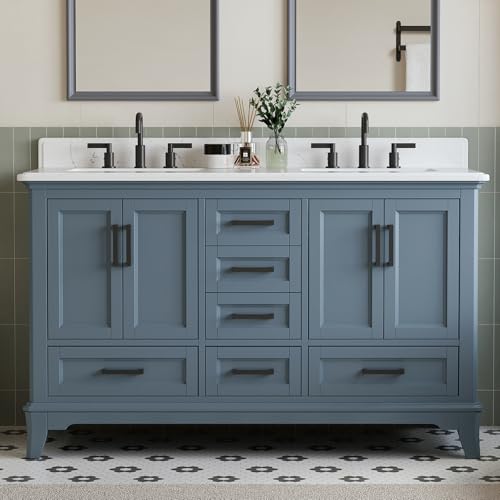
Best Bathroom Vanities for a Primary Bathroom (2026)
Bathroom Remodeling4.6
A primary bathroom vanity anchors the room's daily routine and its storage, which is why size, double-sink capacity, and drawer organization matter…
Read the guideA guest bathroom bathtub needs to serve a wide range of visitors, from a child staying over to an adult who simply prefers a bath, while surviving long stretches of little to no use without staining or losing its finish. That calls for a durable, easy-to-clean surface, a standard size that fits common alcove openings, and a slip-resistant floor that works safely for guests of any age. We compared material durability, cleaning ease, and standard-size compatibility from real tub types to find the options best suited to that job.
Research updated June 2026.
For a guest bathroom, a standard 60-inch acrylic alcove tub is the best overall choice, fitting the most common remodel opening while offering a durable, easy-to-clean surface that holds up through irregular use. A fiberglass alcove tub is the best budget-friendly option, and an enameled steel tub is the top pick for a guest bathroom that wants extra scratch resistance at a mid-range price.
| Type | Best For | Key Spec | Notes | Check Price |
|---|---|---|---|---|
| 60-inch Acrylic Alcove Tub | Best overall | Acrylic, 60x30 in standard | Durable, warm-to-touch, easy to clean | Check price |
| Fiberglass Alcove Tub | Best budget option | Fiberglass, 60x30 in standard | Lightweight, most affordable standard tub | Check price |
| Enameled Steel Tub | Best scratch resistance | Steel with porcelain enamel coating | Harder surface, resists scuffing | Check price |
| Compact Corner Tub | Best for small guest bathrooms | Acrylic, roughly 36x36 in | Fits tight footprints where 60 in will not | Check price |
| Low-Threshold Walk-In Combo | Best for accessibility-minded guests | Acrylic, low step-over threshold | Easier entry for older or less mobile guests | Check price |
| Cast Iron Alcove Tub | Best long-term durability | Cast iron with porcelain enamel | Extremely durable, retains heat well | Check price |
| Tub and Shower Combo with Surround | Best all-in-one remodel kit | Acrylic tub plus matching wall surround | Simplifies a full guest bathroom remodel | Check price |
A guest bathroom bathtub needs a durable, nonporous surface that resists staining during long stretches of little use, since standing water and unused drains can leave marks that show up more on a tub nobody checks daily. It should also fit a standard-size alcove opening, typically 60 by 30 inches, so it works with common surround kits and does not require custom carpentry during installation or replacement. Because a guest bathroom serves visitors of different ages and mobility levels, a slip-resistant tub floor matters more here than in a bathroom used only by people familiar with its exact layout.
Acrylic is the strongest all-around choice for a guest bathroom because it holds heat better than fiberglass, meaning bath water stays warmer longer for a guest who is not rushing, and it resists chipping and staining well over many years. Fiberglass costs less and is easier to install due to its lighter weight, making it a sensible choice when the guest bathroom budget needs to stretch further, though it scratches more easily over time. Enameled steel falls in between, offering a harder, more scratch-resistant surface than fiberglass at a moderate price, though it feels cooler to the touch and is heavier to install than acrylic.
It depends on who visits and how the home will eventually be used or sold. Keeping at least one bathtub somewhere in the home, often in the guest bathroom if the primary suite has a walk-in shower, is a common real estate consideration since some buyers and guests with young children specifically look for tub access. If the guest bathroom rarely if ever gets used for bathing rather than showering, a tub-shower combo still preserves that flexibility without committing the room to a dedicated soaking tub that takes up more space.

A 60-inch acrylic alcove tub is the best overall guest bathroom bathtub, combining a standard size that fits most remodel openings with a durable, warm-to-touch surface.
The 60 by 30-inch alcove size is by far the most common bathtub dimension in North American homes, which matters directly for a guest bathroom since it means the tub fits standard surround kits, shower curtains, and bath mats without any custom sourcing. Acrylic's nonporous surface resists staining from hard water and standing moisture far better than older enamel-coated options, a genuine advantage for a tub that may sit unused for weeks between guests and then suddenly see daily use during a visit.
Acrylic also retains heat noticeably better than fiberglass, meaning a guest taking a leisurely bath does not feel the water cooling as quickly, a small comfort detail that matters more for an occasional user unfamiliar with how fast a particular tub loses heat. Proper installation with full support underneath prevents the slight flex some acrylic tubs can develop if installed without adequate underlayment.
For a guest bathroom specifically, we favor a standard 60-inch acrylic tub because it removes every sizing complication down the line, whether that is a future surround replacement, a new shower curtain, or a resale inspection. The heat retention is also a real, noticeable difference for anyone taking an actual bath rather than a quick shower.

A fiberglass alcove tub is the most affordable standard-size option, a sensible choice when the guest bathroom renovation budget needs to stretch further.
Fiberglass tubs cost meaningfully less than acrylic while still offering the same standard 60-inch sizing and a slip-resistant textured floor, making them a practical choice when a guest bathroom remodel needs to balance several fixture upgrades within a fixed budget. The lighter weight also makes installation somewhat easier, a real consideration if the tub needs to be carried up stairs or through a tight hallway to reach the guest bathroom.
The gel-coat finish is more prone to scratching and dulling over many years compared to acrylic's more durable surface, and it does not hold heat quite as well during a bath. For a guest bathroom that sees light, infrequent use, that tradeoff in long-term surface durability is often acceptable given the real cost savings.
Fiberglass is what we recommend when a guest bathroom remodel budget is spread across multiple fixtures and the tub itself does not need to be the most durable option in the house. It still delivers the standard sizing and basic slip resistance that matter most.

An enameled steel tub offers a harder, more scratch-resistant surface than fiberglass at a moderate price point.
Porcelain enamel bonded to a steel base creates a genuinely harder surface than fiberglass gel coat, which resists the small scratches and dulling that can accumulate over years of guests setting down bath toys, razors, or shampoo bottles. That scratch resistance sits between fiberglass on the affordable end and acrylic on the premium end, both in price and in surface durability, making it a sensible middle-ground pick.
The tradeoff is that steel conducts heat away from bath water faster than acrylic, so the tub itself feels cooler to the touch and the water cools slightly faster during a bath. It is also considerably heavier, which can complicate installation in an upper-floor guest bathroom without adequate structural support already in place.
Enameled steel is the tub we suggest when scratch resistance matters more than heat retention for a particular guest bathroom, such as one that might see more casual or careless use from younger guests. It splits the difference between fiberglass and acrylic sensibly.

A compact corner tub fits guest bathrooms too small for a standard 60-inch alcove tub without giving up bathing function entirely.
Some guest bathrooms, particularly those converted from smaller rooms or fit into an awkward floor plan, simply do not have the roughly 5-foot linear wall space a standard alcove tub requires. A corner tub solves that by using the room's corner more efficiently, delivering real bathing function in a footprint a standard tub could not fit into at all.
The acrylic construction carries the same heat retention and stain resistance advantages found in the larger 60-inch pick, so shrinking the footprint does not mean sacrificing surface quality. The shorter length is a genuine comfort tradeoff for taller guests taking a full soak, and because the shape is non-standard, surround kits and accessories are more limited than for a standard rectangular tub.
A corner tub is the answer when a guest bathroom's footprint simply will not accommodate a standard alcove tub. It is a specific-situation solution rather than a default pick, but it is the right one when space is genuinely the limiting factor.

A low-threshold walk-in tub and shower combo makes a guest bathroom safer and easier to use for older or less mobile visitors.
A guest bathroom often hosts visiting parents, older relatives, or anyone with limited mobility, and a lower step-over threshold meaningfully reduces the fall risk that comes with climbing over a standard tub wall. Because it still fits the standard 60 by 30-inch alcove footprint, it works as a drop-in upgrade during a remodel without requiring a nonstandard surround or custom carpentry.
Pre-drilled grab bar mounting points let a homeowner add support bars exactly where they are structurally reinforced, avoiding the guesswork and potential leak risk of drilling into an unsupported wall later. The lower threshold does reduce the tub's total water capacity slightly compared to a standard-height wall, a minor tradeoff for the real safety benefit.
We recommend a low-threshold combo for any guest bathroom that regularly hosts older relatives or visitors with mobility concerns. The pre-drilled grab bar mounts are a detail that pays off the first time you actually need to add a bar without opening up the wall.

A cast iron alcove tub offers the most durable long-term surface of any material, with excellent heat retention for a genuinely relaxing bath.
Cast iron tubs have a decades-long reputation for durability because the porcelain enamel coating bonded to the iron base resists scratching and chipping better than any other common tub material, and the material itself will not degrade the way fiberglass gel coat can over very long timeframes. That durability is a real asset in a guest bathroom meant to last through multiple decades of ownership without needing a tub replacement.
Its exceptional heat retention also gives guests a genuinely warmer, longer-lasting bath than any other material on this list. The significant weight is the main practical hurdle, often requiring a structural engineer's confirmation or floor reinforcement before installation, particularly on upper floors, and the price runs higher than acrylic or fiberglass options.
Cast iron is the tub we recommend when a guest bathroom remodel is meant to be a true once-in-a-generation upgrade. The weight and cost are real tradeoffs, but the surface durability and heat retention are simply unmatched by lighter materials.

A tub and shower combo kit with a matching wall surround simplifies a full guest bathroom remodel into one coordinated purchase.
When a guest bathroom remodel involves replacing the tub and the surrounding wall surface at the same time, buying a matched kit removes the guesswork of coordinating a tub finish with separate tile or panel choices. The acrylic or composite surround panels install directly over the wall studs or existing surface, which is typically faster and less expensive than a full tile installation.
The result is a seamless, easy-to-clean surface from tub to ceiling, with far fewer grout lines than a tiled surround to collect grime in a room that is not cleaned as often as a primary bathroom. The tradeoff is less design customization than tile offers, and the seams between panels need to be properly sealed during installation to prevent water from getting behind them.
A matched tub and surround kit is what we recommend when a guest bathroom remodel needs to move quickly and stay low-maintenance. Fewer grout lines means less upkeep, which matters more in a room that does not get the same regular attention as a primary bathroom.
A standard 60-inch acrylic alcove tub is the best overall pick, fitting the most common remodel opening while offering durable, heat-retaining performance.
Acrylic holds heat better and resists staining and scratching longer, while fiberglass costs less and is lighter to install. Fiberglass is a sensible choice for a tight remodel budget.
A standard 60 by 30-inch alcove tub fits the vast majority of guest bathroom layouts and is compatible with the widest range of surround kits and accessories.
Keeping at least one tub in the home, often in the guest bathroom, is a common consideration for resale value and for guests with young children who may need bath access.
Cast iron with a porcelain enamel coating is the most durable long-term option, resisting scratching and chipping better than acrylic, fiberglass, or steel over many decades.
Yes, if the guest bathroom regularly hosts older relatives or visitors with mobility concerns, since a lower step-over height meaningfully reduces fall risk.
A compact corner tub fits guest bathrooms too small for a standard 60-inch alcove tub, making efficient use of limited floor space.
Choosing a nonporous surface like acrylic or porcelain enamel prevents most staining, and running the drain periodically during long idle stretches helps prevent standing-water marks.
Yes, for a full guest bathroom remodel, a matched tub and surround kit simplifies installation and avoids the mismatched seams that can happen when sourcing pieces separately.
Cost varies by material and whether existing plumbing and framing are reused, with fiberglass typically the most affordable and cast iron the most expensive due to weight and installation complexity.
Look for a textured, slip-resistant floor built into the tub itself, which most standard acrylic, fiberglass, and enameled steel tubs include as a factory feature.
Yes, as long as the new tub matches the existing alcove dimensions, though matching the surround's finish and color closely can be difficult if it is an older or discontinued style.
A guest bathroom bathtub needs to survive long idle stretches without staining and work safely for visitors of different ages and mobility levels, which is why a standard-size, durable, easy-to-clean surface matters more here than a large custom soaking tub. A 60-inch acrylic alcove tub leads for most guest bathrooms, a fiberglass alcove tub is the smart budget pick, and an enameled steel tub delivers solid scratch resistance at a mid-range price.
How we rank & our data sources
We do not run physical lab tests. Rankings are built from published, verifiable data and real owner feedback, never paid placement.
Researched by admin · Last updated July 11, 2026 · Our review method
A primary bathroom vanity anchors the room's daily routine and its storage, which is why size, double-sink capacity, and drawer organization matter…
Read the guide
A powder room is the smallest, most visible bathroom in the house, seen by nearly every guest but used only for a…
Read the guide
A vanity in a short-term rental takes a different kind of abuse than one in an owner-occupied home: harsh turnover-cleaning products, guests…
Read the guide