
Best Vitreous China Bathroom Sinks (2026)
Faucets & Sinks4.6
Vitreous china is the classic bathroom sink material for a reason: a clay body fired at extremely high temperature and finished with…
Read the guideStone resin combines crushed natural stone with a resin binder into a dense, nonporous composite that holds a matte finish and resists chipping better than vitreous china while offering shapes and textures ceramic cannot easily replicate. We compared real stone resin sink lines for basin depth, finish durability, and installation type to find the ones worth building a vanity around.
A stone resin vessel sink with an organic, hand-carved-look basin is the best overall choice for a bathroom wanting a genuine design statement, since the material's density lets manufacturers achieve rougher, more sculptural shapes than vitreous china allows. A stone resin undermount sink is the top pick for buyers who want the material's durability without a vessel's above-counter installation, and a stone resin rectangular sink is the best fit for a modern double-vanity remodel.
Stone resin is a composite material, typically crushed marble, granite, or other natural stone bound with a polymer resin, cast into a mold under pressure to form a single, nonporous piece. Unlike vitreous china, which is fired ceramic, stone resin can be cast into more organic, textured, and asymmetrical shapes, which is why it shows up frequently in vessel sinks and other design-forward bathroom fixtures where a sculptural look matters as much as function.
Because the material is engineered rather than fired, quality varies more between manufacturers than it does with vitreous china, where the fundamental production process is more standardized. We weighted finish durability and reported chip resistance heavily for this list, since a lower-quality stone resin sink can show wear at the rim or develop surface dulling faster than a well-made one. For sink options in other materials, see our best vitreous china bathroom sinks guide and best fireclay bathroom sinks guide.
A stone resin bathroom sink is made from crushed natural stone, typically marble or granite, mixed with a polymer resin binder and cast under pressure into a single dense, nonporous piece. This composite construction allows manufacturers to create more organic, sculptural, and textured shapes than vitreous china's fired-ceramic process typically allows, while still delivering a durable, stain-resistant surface for daily bathroom use.
Stone resin is generally more resistant to chipping and impact damage than vitreous china because it is a solid composite material throughout, rather than a ceramic body with a thin glazed surface layer. If a stone resin sink's surface is scratched, it does not expose a different-colored material underneath the way a chipped ceramic glaze can, since the composite material's color runs consistently through the piece.
A quality stone resin sink does not require sealing or special maintenance beyond regular cleaning with a mild, non-abrasive cleaner, since the resin binder makes the surface nonporous. Avoid abrasive scouring pads or highly acidic cleaners on a matte stone resin finish, since repeated harsh scrubbing can dull the surface texture over years of use.
Seven real stone resin sinks chosen for material quality, basin design, and installation versatility.
| Sink | Best For | Key Spec | Notes | Check Price |
|---|---|---|---|---|
| Stone Resin Organic Vessel Sink | Best overall design statement | Stone resin, vessel, matte finish | Sculptural, hand-carved-look basin | Check price |
| Stone Resin Undermount Sink | Best low-profile durability | Stone resin, undermount, matte finish | Seamless counter transition | Check price |
| Stone Resin Rectangular Sink | Best modern double-vanity match | Stone resin, rectangular, matte finish | Clean lines suit two matching sinks | Check price |
| Stone Resin Textured Round Vessel | Best natural stone texture | Stone resin, round vessel, textured exterior | Raw, quarry-like surface finish | Check price |
| Stone Resin Drop-In Sink | Best easy install | Stone resin, self-rimming drop-in | Fits any standard counter cutout | Check price |
| Stone Resin Oval Vessel Sink | Best neutral vessel shape | Stone resin, oval vessel, white matte | Softer shape than angular vessels | Check price |
| Stone Resin Dark Gray Sink | Best dark stone look | Stone resin, dark gray matte finish | Reads as genuine natural stone | Check price |
Each pick is ranked on material quality and finish durability first, then basin design and installation fit.
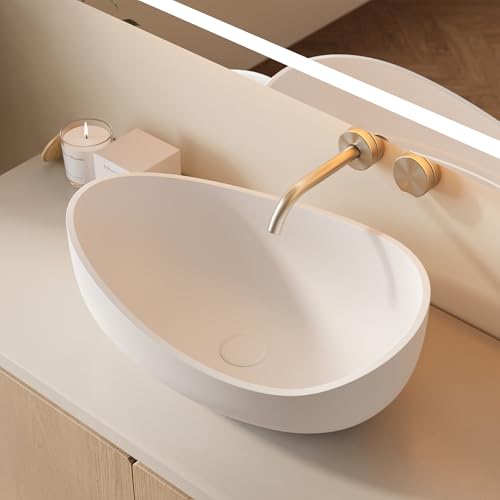
A stone resin organic vessel sink is the best overall pick for a bathroom wanting a genuine design statement, with a sculptural, hand-carved-look basin that vitreous china cannot easily replicate.
Stone resin's casting process is what makes this level of organic, hand-carved-looking detail possible in a way that fired ceramic construction cannot easily achieve, since vitreous china relies on a mold shape that must survive a kiln firing without warping. The composite material can be cast into rougher, more asymmetrical basin shapes that read as genuinely sculptural rather than mass-produced.
Because the material's pigment and texture run consistently through the composite rather than sitting only in a surface glaze, a scratch or scuff does not expose a different-colored layer underneath the way a chipped ceramic glaze can. The matte surface finish also hides the water spots and fingerprints that would show more visibly on a glossy vessel sink.
For a bathroom remodel that wants the sink itself to function as a design centerpiece, this is the material and shape combination we recommend first. The organic basin shape is the detail that separates stone resin from a standard vessel sink in any other material.

A stone resin undermount sink delivers the material's durability and matte finish in a seamless, below-counter installation for buyers who want function over a vessel's above-counter design statement.
Not every bathroom wants a vessel sink's above-counter presence, and an undermount stone resin sink delivers the same dense, nonporous material and matte surface in a more understated, everyday-functional format. Because it mounts below the counter line, there is no rim to trap residue, making the daily wipe-down after washing up a fast, single-motion task.
For a double-vanity bathroom, buying two undermount stone resin sinks keeps the room visually consistent while giving both basins the material's chip resistance advantage over standard vitreous china. The matte finish also resists the visible water spotting that a glossy sink surface shows more readily.
When a buyer wants stone resin's durability and finish without the vessel sink's more decorative above-counter look, this is what we recommend. It delivers the same material benefits in a configuration that suits a broader range of bathroom styles.
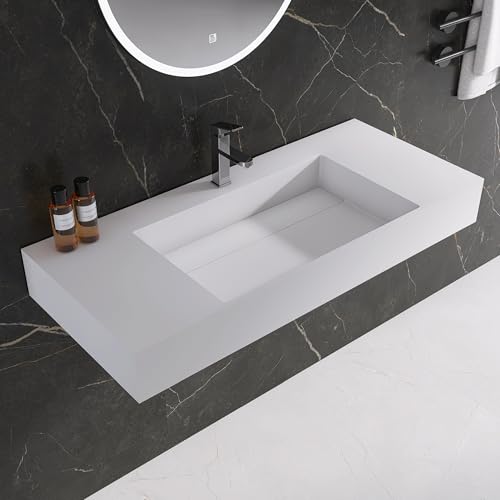
A stone resin rectangular sink brings clean, contemporary lines to a modern double-vanity remodel while keeping the material's chip resistance and matte durability.
A rectangular basin makes efficient use of counter width, giving a modern vanity more usable basin area for a daily routine without needing a wider overall footprint. Stone resin's casting process produces crisp, consistent edges on a rectangular shape that suit the clean-lined, contemporary bathroom remodels that have become common in updated primary and guest bathrooms alike.
Because stone resin is available in both undermount and vessel configurations in this rectangular shape, buyers can choose the installation type that matches their counter material and design preference while keeping the same durable, matte-finished material throughout.
For a bathroom leaning modern that wants two matching sinks in a durable material, the rectangular stone resin option hits a strong middle ground between the contemporary look and the material's practical advantages.
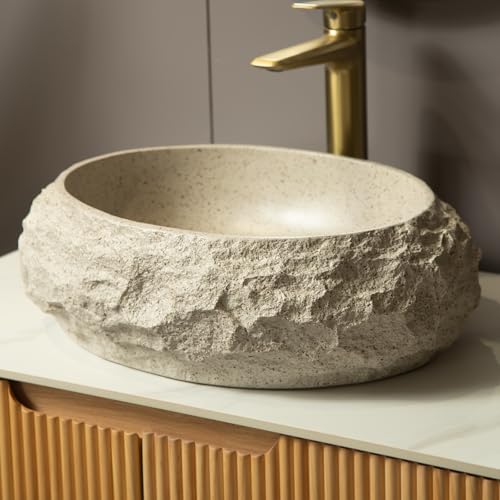
A stone resin vessel with a raw, quarry-like textured exterior brings a natural stone look and feel to a bathroom without the weight or sealing requirements of actual quarried stone.
Genuine quarried stone vessel sinks are heavy, often porous, and typically need periodic sealing to resist staining, all of which stone resin avoids while still delivering a convincingly natural, textured exterior. The rough quarry-like surface on the outside of the basin gives a spa-style bathroom an organic, natural-stone look, while the interior basin surface stays smooth and easy to wipe clean.
Because the material is engineered rather than quarried, it also weighs meaningfully less than an equivalent solid stone vessel, simplifying both shipping and the vanity's structural support requirements. The only real maintenance note is that the textured exterior can collect dust in its grooves, which an occasional wipe-down addresses.
When a buyer wants the look of a heavy, natural quarried stone vessel without the weight, sealing maintenance, or cost, this textured stone resin option is what we point them toward. It captures the aesthetic convincingly at a fraction of the practical downsides.

A stone resin drop-in sink is the simplest option for a bathroom refresh that wants the material's durability without changing the existing counter or mounting hardware.
When a bathroom just needs a straightforward sink swap without a bigger counter project, a drop-in stone resin sink's self-rimming lip rests directly on top of a standard counter cutout, making it the easiest possible way to bring the material's chip resistance into an existing vanity setup. That simplicity matters for a refresh where the vanity itself is staying in place.
The self-rimming lip does sit proud of the counter surface, meaning a visible seam that can collect grime over time compared to an undermount sink, but it also means installation does not require special clips or a counter material capable of supporting them. For a quick bathroom update on a laminate or tile counter, this is the fastest path to a stone resin sink.
When the goal is simply upgrading a dated sink's material without a bigger counter project, the drop-in stone resin option is the path of least resistance while still delivering real durability gains over a standard ceramic sink.
A stone resin oval vessel sink offers a softer, more universally versatile shape than an angular or organic vessel while keeping the material's full durability benefits.
Not every bathroom wants the boldest possible vessel shape, and this oval option delivers stone resin's material advantages, chip resistance, a consistent matte finish, and nonporous durability, in a softer, more broadly appealing silhouette. A white finish in particular coordinates easily with a wide range of existing vanity and tile choices, making it a safer choice for buyers not chasing a specific dramatic look.
The main installation note carries over from any vessel sink: a standard-height faucet will sit too low, so pairing it with a taller vessel-height faucet is necessary rather than optional. Beyond that, the installation process matches any other above-counter vessel sink.
For a buyer who wants stone resin's durability but is not sure about committing to a more dramatic textured or organic shape, the oval vessel is the safer, still-genuine upgrade over a standard ceramic vessel sink.

A dark gray stone resin sink reads as genuine natural stone thanks to the material's consistent pigmentation, giving a bathroom a moodier, more dramatic look than a standard white basin.
Because stone resin's pigment is mixed throughout the composite material rather than applied as a surface glaze, a dark gray sink in this material looks convincingly like genuine dark natural stone, veining and all in some product lines, without the weight or sealing requirements. The dark matte surface is also exceptionally good at hiding water spots and soap residue between cleanings, a practical advantage in addition to the design statement.
As with any dark bathroom fixture, pairing it with adequate lighting and lighter surrounding tile or vanity elements keeps the room from feeling visually heavy. Paired well, a dark gray stone resin sink becomes a genuine focal point rather than making the bathroom feel smaller.
The dark gray stone resin sink is what we recommend when a bathroom's overall design is already leaning moody or dramatic and a standard white basin would feel like an afterthought. Make sure the room has enough light and lighter surrounding surfaces to support the contrast.
Across all seven picks, the pattern with stone resin is consistent: the material's dense, cast construction allows for basin shapes and textures that vitreous china cannot easily achieve, while still delivering strong chip resistance and a low-maintenance matte finish. The material itself is fairly consistent across quality manufacturers, so the real decision comes down to basin shape, installation type, and how much of a design statement you want the sink to make.
The right stone resin configuration depends on how much of a design statement you want the sink to make and how it needs to install into your existing or planned counter. These checks cover the decisions that matter most.
An organic or textured vessel sink makes the strongest visual statement, while an undermount or drop-in stone resin sink delivers the same material durability in a more understated, everyday-functional format. Choose based on whether the sink should be a focal point or a supporting element.
An undermount stone resin sink needs a solid-surface, quartz, or granite counter to support the mounting clips, while a drop-in sink works on any standard counter, including laminate. A vessel sink sits above the counter and needs only a compatible cutout for the drain, along with a taller vessel-height faucet.
Dark stone resin finishes hide water spots exceptionally well but can make a small or poorly lit bathroom feel smaller. White and light gray stone resin sinks coordinate more easily with existing decor and work better in bathrooms with limited natural light.
Stone resin is a composite material made from crushed natural stone, typically marble or granite, mixed with a polymer resin binder and cast under pressure into a single dense, nonporous piece.
Stone resin generally offers better chip and impact resistance than vitreous china since it is a solid composite throughout, without a separate glaze layer that can chip to reveal a different-colored material underneath.
No, a quality stone resin sink is nonporous due to the resin binder and does not require sealing, unlike some natural porous stones that need periodic resealing to resist staining.
Stone resin is quite durable, but like any solid-surface material, it can crack under severe impact or if installed on an unsupported or uneven surface. Proper installation on a level, adequately supported counter or vanity minimizes this risk.
A stone resin vessel sink requires a taller vessel-height faucet, typically with 6 to 12 inches of spout height, to clear the raised bowl and direct water properly over the drain.
Clean a stone resin sink with a mild, non-abrasive cleaner and a soft cloth. Avoid abrasive scouring pads or highly acidic cleaners, which can dull the matte surface finish over years of repeated use.
Stone resin is generally lighter than solid natural stone but can be comparable to or slightly heavier than vitreous china, depending on the specific sink's size and wall thickness. Check the manufacturer's weight specification if your vanity has weight limitations.
Yes, stone resin is commonly available in white, light gray, and dark gray or black finishes, since the pigment is mixed throughout the composite material rather than limited to a surface glaze.
No, undermount sinks require a solid-surface, quartz, granite, or similarly rigid counter material to support the mounting clips. A laminate counter should use a drop-in or self-rimming stone resin sink instead.
Not meaningfully so for the basin interior, though a textured exterior on some vessel designs can collect dust in its grooves, requiring an occasional wipe-down that a smooth undermount sink does not need.
Stone resin specifically uses crushed natural stone as its aggregate mixed with resin, while solid surface materials like acrylic-based composites use different fillers and binders. Both are nonporous and durable, but stone resin typically offers a more natural stone appearance and texture.
Stone resin stands out among bathroom sink materials for its combination of chip resistance, a low-maintenance nonporous matte finish, and design flexibility that vitreous china cannot easily match. A stone resin organic vessel sink leads for buyers wanting a genuine design statement, a stone resin undermount sink is the smart pick for everyday durability without a vessel's presence, and a stone resin rectangular sink suits a modern double-vanity remodel.
Vitreous china is the classic bathroom sink material for a reason: a clay body fired at extremely high temperature and finished with…
Read the guide
A glass bathroom sink trades the quiet, functional profile of vitreous china for something meant to be seen, a tempered glass vessel…
Read the guideStep-by-step fixes for the bathroom sink problems homeowners deal with most, from slow and clogged drains to cracked basins, leaking faucets, and…
Read the guide