
Best Black Bathroom Vanities (2026)
Bathroom Remodeling4.6
A black bathroom vanity has become one of the most popular ways to bring real contrast and a modern edge into a…
Read the guideWhite remains the default and most widely stocked bathtub color for a reason: it resells well, matches virtually any tile or vanity choice, and shows up in the deepest catalog of materials, shapes, and price points of any bathtub color on the market. We compared soaking depth, material heat retention, weight, and finish durability from Kohler, American Standard, Woodbridge, and Jacuzzi to find the white tubs worth the investment.
Research updated June 2026.
The Woodbridge 67-Inch Freestanding Soaking Tub in white is the best overall white bathtub, giving a genuine deep-soak experience with the color that matches virtually any bathroom design without a special order. The Kohler Archer Cast Iron Alcove Tub is the top pick for buyers who want the strongest heat retention and the most durable finish available, and the American Standard Cadet Alcove Bathtub is the best budget white tub for a straightforward remodel.
White is not simply the default bathtub color because it is common, it is the default because it is the color every manufacturer produces first, in the widest range of materials, shapes, and price tiers, and it holds resale value better than any specialty color if the home is ever sold. That practical advantage matters more with a bathtub than with almost any other bathroom fixture, since a tub is one of the more expensive and difficult-to-replace items in a remodel.
Because white is universal rather than a specialty finish, the buying decision for a white tub comes down entirely to material, shape, and installation type rather than color-matching concerns. Acrylic and cast iron remain the two materials that dominate white tub installs, with acrylic offering lighter weight and strong out-of-the-box heat retention, and cast iron offering the best long-term heat retention along with a heavier, more permanent feel. For primary bathroom bathtub picks across every use case, see our best bathtubs for a primary bathroom guide.
White remains the most popular bathtub color because it is manufactured in the widest range of materials, shapes, and price points of any color option, it matches virtually any tile, vanity, or wall color without careful coordination, and it holds resale value better than a specialty color if the home is later sold. Buyers choosing a specialty color like black often pay a premium and accept a narrower selection compared to white.
Yes. Regardless of whether a tub is white, black, or almond, the material, acrylic, cast iron, or enameled steel, determines heat retention, weight, and finish durability far more than the color does. A white acrylic tub and a black acrylic tub from the same manufacturer perform identically in terms of heat retention and durability, since the color is a surface or glaze choice applied to the same underlying material.
Seven real white tubs chosen for soak depth, heat retention, and finish durability.
| Bathtub | Best For | Key Spec | Notes | Check Price |
|---|---|---|---|---|
| Woodbridge 67-Inch Freestanding Soaking Tub, White | Best overall | Acrylic, 67 in, deep soak | Contoured backrest, freestanding centerpiece | Check price |
| Kohler Archer Cast Iron Alcove Tub, White | Best heat retention | Enameled cast iron, 60 in | Holds heat longest, permanent solid feel | Check price |
| American Standard Cadet Alcove Bathtub, White | Best budget alcove | Enameled steel, 60 in | Lower cost, still holds heat better than plastic | Check price |
| American Standard Studio Soaking Tub, White | Best value freestanding | Acrylic, 66 in, deep soak | Lower cost than premium freestanding tubs | Check price |
| Kohler Underscore Alcove Bath, White | Best alcove for shower combo | Acrylic, 60 in, integral apron | Supports shower door hardware above it | Check price |
| Jacuzzi Primo Whirlpool Bathtub, White | Best whirlpool option | Acrylic, 60 in, jets | Hydrotherapy jets for daily muscle relief | Check price |
| Woodbridge Oval Freestanding Acrylic Tub, White | Best compact freestanding | Acrylic, 59 in, deep soak | Freestanding look in a smaller footprint | Check price |
Each pick is ranked on soak depth and heat retention first, then material durability and installation fit.

The Woodbridge 67-inch freestanding tub in white is the best overall white bathtub, pairing a deep soaking basin with a sculpted backrest and the universal color that fits any bathroom design.
The Woodbridge freestanding tub earns the top spot in white for the same reason it earns top marks in any color: a genuinely deep basin and a contoured shape that makes a long bath comfortable without extra pillows or props. At roughly 15 inches of water depth at the overflow, it covers meaningfully more of the body than a standard 12 to 14 inch alcove tub.
Choosing white here removes any color-matching risk from the remodel decision entirely, since a bright white acrylic tub pairs cleanly with virtually any tile, vanity finish, or wall color chosen later in the project. That flexibility is a real practical advantage over committing to a specialty color before the rest of the room's palette is finalized.
When a remodel timeline means the tub gets ordered before the tile and vanity are finalized, white removes the risk entirely. This tub's depth and backrest shape are the details that actually determine whether a bath feels relaxing, and the color choice does not compromise either.

The Kohler Archer in white is an enameled cast iron alcove tub that holds heat longer than any acrylic option, with the deepest, most consistent white glaze available on a bathtub.
Cast iron is the material heat-retention buyers reach for, and the Archer is Kohler's standard-bearer in white, its most widely available and longest-produced colorway. The thick iron body absorbs and holds heat from the bathwater itself, which means a long soak stays warmer for longer than it would in a thinner acrylic shell.
The enameled white finish is also the most scratch- and chip-resistant surface available on a bathtub, a real advantage over the 15 to 20 year lifespan a bathroom tub is expected to have. White cast iron in particular tends to show the fewest visible imperfections over decades of use compared to darker enameled finishes, since surface wear is naturally less visible against white.
If heat retention during a long soak is the priority over color experimentation, cast iron in white is simply the safest, most proven combination. Confirm your subfloor can handle the weight before ordering.

A budget enameled steel alcove tub in white that still holds heat better than plastic while keeping the cost well below cast iron or acrylic soaking tubs.
When a bathroom remodel budget is stretched thin, the Cadet delivers the enameled durability of cast iron in a lighter, less expensive steel body, and its white finish is the version manufactured and stocked in the highest volume, keeping cost down further. It resists scratching and staining far better than a basic plastic tub, and its enameled finish looks nearly identical to pricier cast iron once installed.
For a bathroom where other line items, tile, vanity, lighting, are competing for the remodel budget, this is a sensible place to save without sacrificing the finish quality that shows day to day. White is also the easiest version of this tub to source quickly, since it does not require a special order the way a colored version sometimes does.
When the budget for a remodel has to prioritize elsewhere, the Cadet in white is where we tell buyers they can save money without the tub looking or feeling cheap, and without a longer lead time for a specialty color.

The American Standard Studio delivers a genuine deep-soak freestanding experience in white at a noticeably lower cost than premium designer freestanding tubs.
The Studio proves a bathroom does not need a boutique-priced tub to get a freestanding soaking experience. It shares the same basic depth and oval soaking shape that premium freestanding tubs charge a significant markup for, and American Standard's manufacturing scale keeps the price meaningfully lower than smaller specialty brands, especially in its standard white colorway.
Owner reviews consistently describe it as a straightforward, no-surprises freestanding tub that looks the part in photos and in person, without the fit-and-finish quirks that sometimes come with lesser-known import brands. For a remodel where the tub needs to look like a splurge without actually costing like one, white is the fastest and most affordable way to get there.
This is the tub we suggest when a buyer wants the freestanding soaking-tub look but the budget is being stretched across the whole remodel. White keeps both the price and the lead time down.
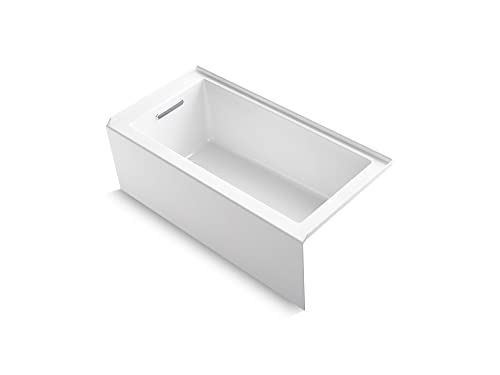
The Kohler Underscore in white is built to support a shower door or curtain rod above it, making it the right choice for a bathroom that needs the tub to double as a shower.
Not every bathroom has room for a separate soaking tub and a walk-in shower, and when the tub also needs to function as the daily shower, the Underscore is built specifically for that dual role. Its structural rim is engineered to support the weight and stress of a hinged glass shower door, not just a lightweight curtain rod.
White is also the natural choice for a tub-shower combo, since it shows the cleanest, most neutral line behind clear or lightly frosted glass shower doors, which is how most tub-shower combos are finished. The integral apron front gives a clean, finished look on the exposed side without needing to tile a separate skirt.
When a bathroom remodel only has room for one tub-shower fixture, the Underscore's shower door compatibility is the detail that actually matters, and white is the finish that reads cleanest behind glass.

The Jacuzzi Primo in white brings hydrotherapy jets to an alcove tub, a strong pick for anyone who wants active muscle relief rather than a passive soak.
A whirlpool tub serves a different purpose than a still soaking tub, and the Primo is built around active hydrotherapy rather than passive relaxation. Adjustable jets target the back, legs, and feet directly, a genuine benefit for anyone dealing with regular muscle soreness or standing all day at work.
Because it fits standard alcove framing, it is one of the more straightforward whirlpool retrofits into an existing bathroom footprint, though it does require running a dedicated GFCI-protected circuit to the pump motor. Jet plumbing also needs an occasional cleaning cycle with a tub-safe cleaner to prevent residue buildup inside the lines.
Whirlpool tubs are a genuine step up for anyone using the bath for physical relief rather than just relaxation, and the Primo is a dependable mainstream option in white. Budget for the electrical work as part of the install, not an afterthought.
A smaller footprint freestanding white tub for bathrooms that want the standalone look without the full 66 to 67-inch length.
Not every bathroom has the floor space for a 67-inch freestanding tub, and the Woodbridge Oval solves that with a shorter 59-inch footprint that keeps the same deep-soak depth and standalone visual impact in a smaller room. It is the tub to consider when a homeowner wants a freestanding centerpiece but the square footage is more modest than a typical luxury remodel.
Because it is still freestanding, it needs clearance on multiple sides for the tub's silhouette to read properly and for the plumber to access the drain and filler connections. The white finish keeps this compact tub visually light and open rather than adding to the sense of a smaller room, an advantage over a dark specialty color in a tight footprint.
For a bathroom that wants the freestanding statement but does not have a sprawling footprint, white is the color-conscious choice here, since a dark tub in a compact freestanding shape can visually shrink an already smaller room.
Across all seven picks, white remains the practical default for good reason: it is manufactured in the deepest catalog of shapes and materials, ships with the shortest lead times, and creates zero color-matching risk against tile, vanity, or paint decisions made later in a remodel. Material, acrylic for lighter weight and installation flexibility, cast iron for maximum heat retention, still matters more to daily performance than the color decision.
Focus the decision on material and installation type, since white removes color-matching risk entirely.
Cast iron tubs like the Kohler Archer can weigh over 300 pounds empty and considerably more filled with water and a person. Before committing to a cast iron or whirlpool tub, especially on an upper floor, confirm with a contractor that the subfloor and joists are rated for the load.
If your bathroom has a separate walk-in shower, a freestanding soaking tub can be chosen purely for comfort and depth. If the tub is also the daily shower, choose an alcove tub rated for shower door hardware, like the Kohler Underscore, rather than a freestanding soaking tub never engineered to support a glass door.
Freestanding tubs and cast iron alcove tubs are large, heavy, and sometimes awkwardly shaped to maneuver through hallways and up staircases. Confirm delivery access before ordering.
Yes, generally. White remains the safest bathtub color for resale value, since it appeals to the widest range of buyers and avoids the risk of a future buyer disliking a specialty color choice like black. A colored tub can still be a strong design choice for a homeowner planning to stay long-term, but white carries the lowest resale risk.
The Woodbridge 67-Inch Freestanding Soaking Tub in white is the best overall white bathtub, delivering the deep soak and universal color match a remodel is usually built around. Choose the Kohler Archer cast iron tub for the best heat retention, the American Standard Studio for a value freestanding option, or the Kohler Underscore if the tub also needs to function as your daily shower.
The Woodbridge 67-Inch Freestanding Soaking Tub in white is the best overall pick, combining a deep soaking basin with a universal color that matches any bathroom design.
Yes. White is manufactured in the widest range of materials, shapes, and price points of any bathtub color, and it typically has the shortest lead time since it is the highest-volume color every manufacturer stocks.
Acrylic and enameled cast iron are the two best materials. Acrylic is lighter and retains heat well, while cast iron offers the best heat retention available but weighs considerably more and needs verified subfloor support.
No. Heat retention is determined by the tub's material, acrylic, cast iron, or enameled steel, not its color. A white and a colored tub from the same model and material retain heat identically.
A freestanding tub gives a deeper soak and a stronger visual centerpiece, and is the more popular choice when the room has open floor space. An alcove tub is the better choice when the tub also needs to support a shower door or curtain.
Look for at least 14 to 15 inches of water depth at the overflow for a genuine soaking experience, compared to the 12 to 14 inches typical of a standard alcove tub.
Generally yes. White carries the lowest resale risk of any bathtub color, since it appeals to the widest range of future buyers, while a specialty color like black is more of a personal design statement.
Yes. Cast iron's mass absorbs and holds heat from the bathwater more effectively than a thinner acrylic shell, so a long soak in a cast iron tub loses less warmth over time than the same soak in an acrylic tub.
Most alcove tubs are built to a standard 60-inch length to fit common three-wall framing. Freestanding tubs range more widely, typically from about 59 to 72 inches, and need open floor space beyond the tub's footprint itself.
This varies by home and floor level, and a cast iron or whirlpool tub filled with water and a person can weigh well over 800 pounds. Always confirm subfloor and joist capacity with a contractor before installing a heavy tub.
The tub placement itself is manageable for an experienced DIYer, but the plumbing connections for a floor-mount or wall-mount filler typically require a licensed plumber, especially when relocating existing supply and drain lines.
Acrylic tubs can develop a slight yellow tint after many years of UV exposure or harsh cleaning chemicals, while enameled cast iron and steel resist yellowing far better over the same period. Using non-abrasive, tub-safe cleaners helps preserve a white finish longer.
How we rank & our data sources
We do not run physical lab tests. Rankings are built from published, verifiable data and real owner feedback, never paid placement.
Researched by admin · Last updated July 11, 2026 · Our review method
A black bathroom vanity has become one of the most popular ways to bring real contrast and a modern edge into a…
Read the guideAlmond is the warm off-white bathtub color American Standard and Kohler have kept in production for decades so homeowners with an existing…
Read the guideA freestanding bathtub is the one fixture in a bathroom remodel chosen almost entirely for how it makes the room feel, since…
Read the guide