
Best Art Deco Bathtubs (2026)
Bathroom Remodeling4.6
Symmetrical stepped-apron silhouettes and polished brass fittings that turn a soaking tub into the centerpiece of a 1920s-inspired bathroom.
Read the guideCast-iron clawfoot, copper-look and stone-resin tubs with weathered finishes that anchor a cabin, lodge or farmhouse bathroom.
Research updated June 2026.
The best rustic bathtub is the Kohler Iron Works Historic 66-Inch Clawfoot, a cast-iron tub with a porcelain-enamel finish and traditional ball-and-claw feet, delivering the heaviest, most authentic cabin and farmhouse anchor piece.
| Model | Style Fit | Key Spec | Best For | Check Price |
|---|---|---|---|---|
| Kohler Iron Works Historic 66-Inch Clawfoot | Cast-iron clawfoot | Porcelain-enamel over cast iron | Best overall rustic tub | Check price |
| American Standard Colony 66-Inch Clawfoot | Cast-iron clawfoot | Porcelain-enamel over cast iron | Best value cast-iron clawfoot | Check price |
| Barclay Products Acrylic Slipper Clawfoot 61-Inch | Slipper clawfoot silhouette | Acrylic, lightweight install | Best lightweight clawfoot | Check price |
| Coppersmith Hammered Copper Freestanding Tub | Hammered copper finish | Solid hand-hammered copper | Best copper rustic tub | Check price |
| Woodbridge Stone-Resin Freestanding 67-Inch | Matte stone-look finish | Stone-resin composite | Best stone-look rustic tub | Check price |
| Cambridge Plumbing Cast Iron Slipper 61-Inch | Cast-iron slipper clawfoot | Porcelain-enamel over cast iron | Best compact clawfoot | Check price |
A rustic bathtub relies on a freestanding silhouette, especially a clawfoot or slipper shape, paired with a material or finish that reads as substantial and traditional, such as cast iron with a porcelain-enamel finish, hammered copper, or a matte stone-resin composite. Weathered bronze or black feet and fittings reinforce the look.
Cast iron with a porcelain-enamel finish is the traditional, most durable choice, retaining heat well and resisting scratches for decades, but it is extremely heavy and may need floor reinforcement. Acrylic clawfoot tubs weigh a fraction as much and are easier to install in an upper-floor bathroom, trading some heat retention and surface durability for a much lighter install.
Often yes. A cast-iron clawfoot tub can weigh 300 to 500 pounds empty and considerably more filled with water and a bather, so an upper-floor installation should be checked against your home's floor load capacity, ideally by a contractor, before installation. Ground-floor slab installations rarely have this concern.
A white porcelain-enamel clawfoot tub with black or bronze feet suits a farmhouse or cottage bathroom, while a hammered copper or matte stone-resin tub suits a mountain-lodge or cabin bathroom that wants a heavier, more organic material statement.
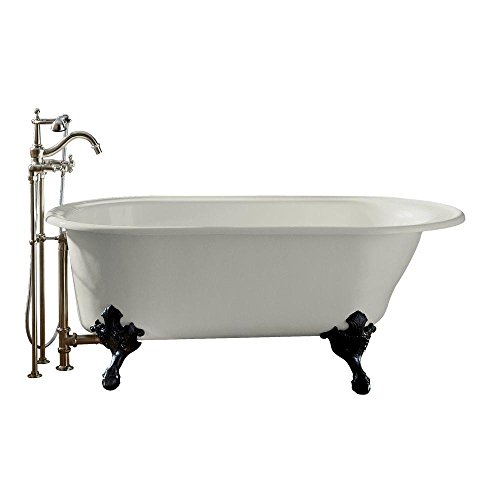
The Iron Works Historic is the rustic tub we recommend first because it delivers the material authenticity that defines the style: real cast iron finished in durable porcelain enamel, set on traditional ball-and-claw feet, rather than a lightweight imitation.
Cast iron retains bathwater heat far longer than acrylic, and the porcelain-enamel surface resists scratching and staining across decades of use, which is why this material has anchored the clawfoot category for over a century. The ball-and-claw feet are available in several finishes to match black, bronze or brushed hardware elsewhere in the room.
Owners describe the tub as feeling remarkably solid and quiet to fill compared to acrylic alternatives, and the enamel finish holds up well to years of cleaning. The tradeoff is weight: a cast-iron tub this size is a two-or-more-person lift and should have its floor load checked before an upper-floor install.
If you want the tub that defines the rustic-farmhouse look, this is it. Cast iron with a proper porcelain-enamel finish is the material the whole clawfoot aesthetic is built around, and it will outlast an acrylic tub by decades. Just confirm your floor can support the weight before you commit, especially above ground level.

The Colony brings the same cast-iron, porcelain-enamel construction to a more accessible price point, keeping the traditional clawfoot silhouette without the premium cost of a boutique brand.
The Colony keeps the fundamentals that matter, real cast iron and a durable enamel finish, while trimming the finish options and detailing of pricier clawfoot tubs, making it the sensible choice for a budget-conscious farmhouse remodel that still wants genuine material quality.
Owners report the enamel finish holds up as well as pricier alternatives after years of use. The feet and fitting finish options are more limited than boutique brands, so check the exact finish matches your hardware before ordering.
This is the tub I recommend when a client wants a real cast-iron clawfoot but is watching the budget. The material is the same enamel-over-iron construction that defines the category; you are trading finish variety, not durability, for the lower price.

The Barclay slipper clawfoot keeps the traditional silhouette in lightweight acrylic, cutting the install weight to a fraction of cast iron so it fits an upper-floor bathroom without the same floor-load concerns.
The slipper silhouette, with one raised end for reclined bathing, carries the classic clawfoot look while acrylic construction makes the tub dramatically lighter to move and install, a real advantage for a second-floor bathroom or a DIY remodel.
Owners appreciate how much easier the lighter tub was to get into the bathroom and set. Acrylic does not retain heat as long as cast iron and can scratch more easily than porcelain enamel, so it is a reasonable tradeoff rather than a strict upgrade.
When floor load or a tricky stairway install rules out cast iron, this is the tub that keeps the rustic clawfoot look alive. You give up some heat retention and scratch resistance, but the install is dramatically easier.

The Coppersmith tub trades the clawfoot silhouette for a hand-hammered solid-copper shell, delivering the heaviest, most organic material statement for a mountain-lodge or rustic-luxury bathroom.
Hand-hammered copper has a visible, handmade texture that no other bathtub material replicates, and the natural patina that develops over time adds to the rustic character rather than detracting from it, similar to how a copper roof or range hood ages.
Owners describe the tub as a genuine centerpiece that draws attention on its own. Copper requires periodic care to maintain the desired patina level and is a premium material, so it suits a bathroom where the tub is meant to be the focal point.
For a true rustic-luxury statement, hammered copper is unmatched. It is a maintenance commitment and a premium spend, but no other tub material brings the same handmade, living-material character to a mountain-lodge bathroom.

The Woodbridge stone-resin tub gives a matte, carved-stone appearance in a lighter composite material, suited to a modern-rustic or lodge bathroom that wants an organic look without the weight of real stone.
The matte exterior finish mimics carved stone convincingly at a much lower weight than an actual stone tub, and the composite material holds heat reasonably well while resisting chips better than natural stone.
Owners like the modern-organic look and the manageable weight for a freestanding install. It does not have the clawfoot detailing some rustic buyers specifically want, so match the silhouette to your vision before buying.
When the goal is organic, stone-like texture in a modern-lodge bathroom rather than a period clawfoot look, this composite tub delivers the material feel without the install challenges of real stone.

The Cambridge cast-iron slipper tub fits the authentic material and silhouette into a slightly shorter footprint, suited to a smaller cabin or cottage bathroom that still wants a genuine cast-iron clawfoot.
At 61 inches this is a shorter clawfoot than the standard 66-inch tubs on this list, useful for a smaller cabin bathroom, while still keeping the real cast-iron and porcelain-enamel construction that defines a genuine rustic clawfoot.
Owners like fitting real cast iron into a smaller footprint. It remains a heavy cast-iron tub, so the same floor-load caution applies as any full-size clawfoot.
If your cabin bathroom cannot fit a full 66-inch clawfoot, this compact cast-iron slipper keeps the authentic material without asking you to compromise on the silhouette.
The Kohler Iron Works Historic 66-Inch Clawfoot is the best rustic bathtub overall. It is a cast-iron tub with a durable porcelain-enamel finish and traditional ball-and-claw feet, delivering the material authenticity that defines the clawfoot aesthetic.
Cast iron with a porcelain-enamel finish is more durable and retains heat longer, but it is very heavy. Acrylic weighs a fraction as much and is much easier to install, especially on an upper floor, trading some heat retention and scratch resistance for a lighter, simpler installation.
Possibly. A cast-iron tub can weigh 300 to 500 pounds empty and much more filled, so an upper-floor install should have the floor load checked, ideally by a contractor, before installation. Ground-floor slab installs rarely raise this concern.
A white porcelain-enamel clawfoot tub with black or bronze feet suits a farmhouse or cottage look, while a hammered copper or matte stone-resin tub suits a mountain-lodge or cabin bathroom wanting a heavier, organic material statement.
A cast-iron clawfoot tub typically weighs 300 to 500 pounds empty, while an acrylic clawfoot tub of similar size weighs roughly 70 to 100 pounds. Filled with water and a bather, either can add several hundred more pounds of load on the floor.
A slipper tub has one end raised higher than the other, creating a reclined backrest for more comfortable bathing, while a double-slipper tub raises both ends. Both are classic rustic and Victorian-era silhouettes still made in cast iron and acrylic today.
Yes. Copper develops a natural patina over time, which many buyers want for the rustic-luxury look, but it benefits from periodic cleaning and occasional wax or sealant to control how the patina develops and to keep the interior surface easy to clean.
Yes, with an add-on shower ring and curtain, or a wall-mounted shower system plumbed separately, though most clawfoot tubs are installed primarily as soaking tubs rather than a full shower-tub combo, since the freestanding design does not include an integrated surround.
Freestanding tubs use a floor-mounted or wall-mounted faucet rather than a deck-mounted one built into the tub, so the water supply must be roughed in at the correct location on the floor or wall behind the tub rather than on the tub rim itself, which should be planned before installation.
Stone-resin composite is generally more chip-resistant and much lighter than natural stone, while still giving a matte, carved-stone appearance. It will not have the exact texture and cool touch of quarried stone, but it holds up well to daily bathing use.
Use a non-abrasive cleaner and a soft cloth or sponge, avoiding harsh abrasive powders that can dull the enamel over years of use. Porcelain enamel is durable and stain-resistant when cleaned gently, which is part of why cast-iron clawfoot tubs last so long.
It depends on the material. Acrylic rustic-styled tubs are comparable in price to standard acrylic tubs, while cast-iron clawfoot and hammered-copper tubs sit at a premium due to the material cost and weight, regardless of style.
For the best all-around rustic bathtub, the Kohler Iron Works Historic 66-Inch Clawfoot wins on genuine cast-iron construction and a durable enamel finish. Choose the American Standard Colony for the same material at a better price, the Barclay acrylic slipper clawfoot for an upper-floor or DIY install, the Coppersmith hammered copper tub for a rustic-luxury statement piece, the Woodbridge stone-resin tub for a modern-lodge stone look, and the Cambridge cast-iron slipper for a smaller cabin bathroom. Confirm your floor can support a cast-iron or copper tub before you buy, since weight is the deciding factor for most rustic freestanding installs.
How we rank & our data sources
We do not run physical lab tests. Rankings are built from published, verifiable data and real owner feedback, never paid placement.
Researched by admin · Last updated July 3, 2026 · Our review method
Symmetrical stepped-apron silhouettes and polished brass fittings that turn a soaking tub into the centerpiece of a 1920s-inspired bathroom.
Read the guideA step-by-step guide to locating studs, choosing lag screws or toggle bolts, mounting a ledger board or bracket, and confirming a floating…
Read the guide
Stepped fronts, symmetrical geometric cabinetry and polished brass hardware that bring 1920s glamour to a modern vanity, without giving up soft-close storage.
Read the guide