
Best Scandinavian Toilets (2026)
Toilets4.6
Clean, low-profile silhouettes with real MaP-verified flush performance and efficient dual-flush water use, sized for a minimalist Nordic bathroom without sacrificing function.
Read the guideStraight answers backed by MaP flush data, plumbing specs, and owner feedback.
A toilet that gurgles after flushing usually indicates a partial clog in the drain line, a vent pipe blockage, or a sewer line issue. The gurgling sound is air being forced through water as the system struggles to equalize pressure. Clearing the blockage or restoring proper venting typically solves the problem.
A gurgling toilet after flushing is almost always a sign of negative air pressure in the drain system. This happens when air cannot flow freely through the plumbing vent, or when a blockage restricts the flow of waste and water, forcing air to bubble back up through the toilet bowl.
The sound you hear is air being pushed through the water seal in the toilet trap. Under normal conditions, a plumbing vent pipe on your roof allows air to enter the drain system behind the waste, preventing suction. When that vent is blocked by debris, bird nests, or ice, the flush creates a vacuum that pulls air from the nearest available opening, which is often the toilet bowl. The result is a distinct gurgling sound as air bubbles up through the standing water.
Another common cause is a partial clog in the main drain line. Even if the toilet flushes most of the waste, a buildup of paper, mineral deposits, or foreign objects can narrow the pipe. As water from the flush passes the restriction, it creates a momentary vacuum that sucks air back through the toilet trap. This is especially noticeable if multiple fixtures in the same bathroom gurgle when the toilet is flushed.
Plumbing codes require a minimum 1.5-inch vent pipe for a single toilet, but many older homes have undersized or shared vents. If your toilet gurgles only after a flush but drains fine otherwise, suspect the vent first. A simple test is to run water in a nearby sink while flushing. If the gurgling stops, the vent is likely the culprit.
Yes, a gurgling toilet should not be ignored. While it may not indicate an immediate emergency, it often signals an underlying issue that can worsen over time, leading to complete clogs, sewer gas leaks, or even sewage backups into your home.
A gurgling sound itself is not dangerous, but the causes can be. A blocked vent pipe can allow sewer gases like methane and hydrogen sulfide to enter your living space. These gases are not only unpleasant but can be harmful in high concentrations. Additionally, a partial clog that causes gurgling today can become a complete blockage tomorrow, leading to an overflow when you flush.
The severity of the problem depends on the root cause. A vent blockage on the roof is often a simple fix you can handle yourself. A clog deep in the main sewer line, however, may require professional equipment like a sewer camera or hydro-jetting. If the gurgling is accompanied by slow draining in other fixtures, foul odors, or water backing up into the shower or sink, the problem is likely in the main line and needs immediate attention.
Start by checking for a simple clog using a plunger or closet auger. If that doesn't work, inspect the roof vent for blockages. For persistent issues, a professional drain inspection is the most reliable way to identify and resolve the problem.
Begin with the least invasive solution. Use a flange plunger (the type with an extended rubber lip) to create a better seal in the toilet bowl. Plunge vigorously for 15-20 strokes. If the gurgling stops, you likely cleared a minor blockage in the toilet trap or the branch drain. If the sound persists, move to a closet auger, which is a flexible cable designed to navigate the toilet's trapway. Insert the auger into the bowl and crank it through the trap to break up or retrieve any obstruction.
If the toilet itself is clear, the next step is to check the vent pipe. On a two-story home, you can often access the vent from the roof. Use a flashlight to look for leaves, bird nests, or other debris. A garden hose with a spray nozzle can be used to flush out minor blockages. For more stubborn obstructions, a plumber's snake fed from the roof vent down into the pipe is effective. If you are not comfortable on a roof, call a professional.
For main line clogs that affect multiple fixtures, a sewer camera inspection is the best diagnostic tool. This allows a plumber to see exactly what is blocking the line and where. Common solutions include hydro-jetting to scour the pipe walls, or mechanical snaking to break up solid blockages. In rare cases, tree root intrusion may require trenchless pipe repair or replacement.
| Method | Best For | Tools Needed | Difficulty |
|---|---|---|---|
| Plunging | Minor clogs in toilet or branch drain | Flange plunger | Easy |
| Closet Auger | Clogs in toilet trapway | Closet auger | Moderate |
| Roof Vent Cleaning | Vent pipe blockages | Garden hose, snake | Difficult |
| Hydro-jetting | Grease, scale, or debris in main line | Professional equipment | Professional |
| Sewer Camera | Diagnosing unknown blockages | Camera system | Professional |
A high MaP score indicates a toilet can flush a large volume of waste without clogging, which reduces the likelihood of gurgling caused by partial clogs. However, no toilet can prevent gurgling from a blocked vent or main sewer line issue.
The MaP (Maximum Performance) score measures how many grams of solid waste a toilet can flush in a single test. The minimum acceptable score is 350 grams. A score of 600 grams is considered good, 800 grams excellent, and 1000 grams is the maximum tested by the program. Toilets with higher MaP scores have larger trapways, more powerful flush engines, and better bowl design, all of which help prevent waste from getting stuck in the toilet itself.
If your gurgling problem is caused by a partial clog in the toilet trap or the branch drain immediately downstream, upgrading to a high-performance toilet like the TOTO Drake (MaP score of 1000 grams) or the American Standard Champion 4 (MaP score of 1000 grams) can help. These toilets are designed to clear the trapway completely with each flush, reducing the chance of debris buildup that can lead to gurgling. However, if the problem is in the vent or the main sewer line, no toilet upgrade will fix it.
The MaP test is the industry standard for measuring flush performance. A toilet that scores 800 grams or higher is generally considered excellent for residential use. If you are replacing a toilet to address gurgling, look for a model with a MaP score of at least 800 grams and a 2-inch or larger fully glazed trapway. This combination maximizes waste clearance and minimizes the risk of partial clogs.
Call a plumber if the gurgling persists after plunging and augering, if multiple fixtures are affected, if you notice foul odors, or if water backs up into other drains. These signs point to a main line or vent issue that requires professional equipment.
If you have tried basic DIY methods and the gurgling continues, it is time to bring in a professional. Persistent gurgling often indicates a blockage that is too deep or too solid for a consumer-grade auger to handle. A plumber can use a motorized drain snake that cuts through tree roots, scale, and compacted debris. They can also perform a camera inspection to pinpoint the exact location and nature of the blockage.
Another clear sign you need professional help is if the gurgling is accompanied by slow draining in other fixtures. For example, if the toilet gurgles when you flush, and the shower drain gurgles when you run the sink, the problem is likely in the main sewer line. This is a serious issue that can lead to sewage backup if not addressed. Similarly, if you smell sewer gas near the toilet or other drains, the vent system is compromised and needs professional repair.
A low GPF (gallons per flush) toilet is not a direct cause of gurgling, but it can contribute to the problem if the drain line is not properly sized or sloped. Low-flow toilets rely on velocity rather than volume to clear waste, making them more sensitive to drain line restrictions.
WaterSense-certified toilets use a maximum of 1.28 gallons per flush, and EPA high-efficiency toilets can use as little as 1.0 GPF. These toilets are designed to flush effectively with less water, but they depend on the drain line being in good condition. If the drain pipe has a slight belly, a buildup of mineral deposits, or an inadequate slope, the reduced water volume may not be enough to push waste past the restriction. This can lead to partial clogs that cause gurgling.
Older homes with 1.6 GPF or 3.5 GPF toilets may not experience gurgling simply because the extra water volume helps overcome minor drain line issues. If you replace an old toilet with a low-flow model and start hearing gurgling, the problem is likely pre-existing in the drain line, not the toilet itself. In such cases, a drain inspection is recommended before assuming the toilet is at fault.
For homes with known drain line issues, a toilet with a powerful flush and a high MaP score is a better choice. The Kohler Highline (MaP score of 1000 grams) uses a Class Five flush technology that combines a large water surface with a direct-fed jet to clear the bowl quickly. This can help compensate for minor drain line restrictions, though it cannot fix a fundamentally compromised pipe.
Gurgling after flushing is caused by air being sucked back through the toilet trap as the drain system equalizes pressure. This typically indicates a vent blockage or a partial clog downstream that creates a vacuum after the flush water passes.
Rarely. A gurgling toilet is a symptom of an underlying problem that will not resolve on its own. Minor vent blockages may clear with wind or rain, but most causes require active intervention to prevent worsening.
Not always, but it can be. If the gurgling is isolated to one toilet, the problem is likely in that branch line or vent. If multiple fixtures gurgle when you flush, the main sewer line is the most probable cause.
Signs include gurgling sounds, slow draining, and sewer gas odors. A simple test is to run water in a nearby sink while flushing the toilet. If the gurgling stops, the vent is likely blocked.
A bad wax ring typically causes water to leak at the base of the toilet, not gurgling. However, if the seal is compromised, it can allow air to enter the system, which might contribute to gurgling sounds.
It sounds like a bubbling or burbling noise coming from the toilet bowl after a flush. It may be accompanied by the water level in the bowl rising and falling slightly.
Yes. Tree roots can invade sewer lines, creating partial blockages that restrict flow and cause gurgling. This is more common in older homes with clay or cast iron pipes.
Yes, if the disposal and toilet share the same drain line. Food waste from the disposal can accumulate in the pipe, creating a partial clog that causes gurgling when the toilet flushes.
Costs vary widely. DIY fixes with a plunger or auger are inexpensive. Professional drain cleaning or vent repair typically ranges from moderate to higher costs depending on the severity and accessibility of the blockage.
Yes, if the underlying blockage is severe enough to cause a complete clog. When the toilet is flushed and the waste cannot pass, it will overflow the bowl, potentially causing water damage to your bathroom floor.
How we rank & our data sources
We do not run physical lab tests. Rankings are built from published, verifiable data and real owner feedback, never paid placement.
Researched by BFT Editorial Team · Last updated February 9, 2026 · Our review method
Clean, low-profile silhouettes with real MaP-verified flush performance and efficient dual-flush water use, sized for a minimalist Nordic bathroom without sacrificing function.
Read the guide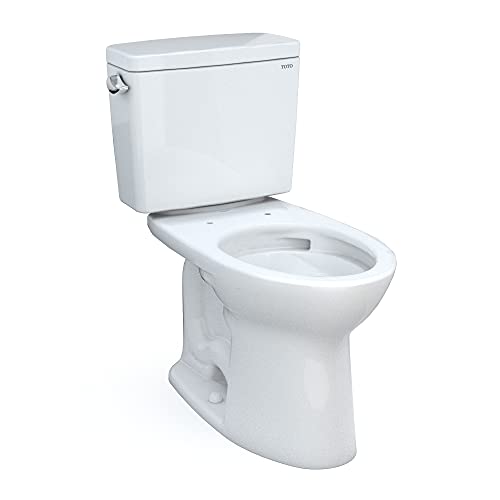
Classic two-piece toilets with tall tanks and elegant, understated proportions, the quiet country-house look that suits a traditional English bathroom without tipping…
Read the guide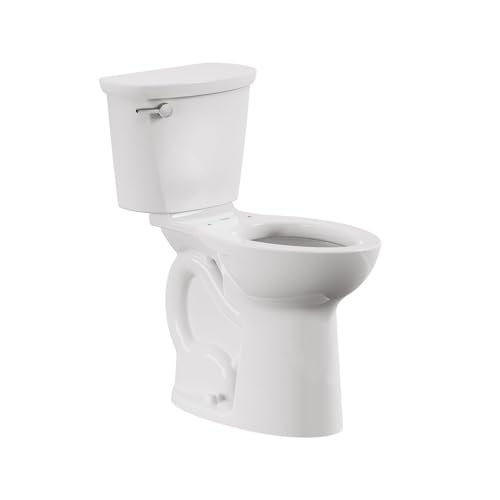
Clean-lined skirted and one-piece toilets with simple geometry and low profiles that suit a broad East Asian-influenced bathroom, backed by real verified…
Read the guide