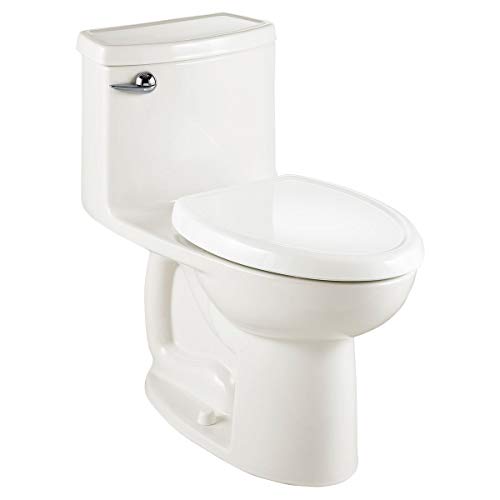
Toilet Fills Slowly After Flushing: Causes and Fixes
A toilet that takes two, three, or even five minutes to refill after every flush is annoying and often signals a worn or clogged component. The slow-fill system is self-contained and almost always fixable with a free adjustment or a cheap part swap. This guide diagnoses each cause in order from most common to least, cross-references independent MaP flush-test data, EPA WaterSense water-efficiency standards, and the repair patterns that appear consistently in aggregated owner reviews, so you can restore a fast refill and a reliable flush without guessing.
Quick Answer
A partly closed supply valve is the cause of a slow-filling toilet about half the time; open it fully and the problem often disappears in seconds. If water pressure is fine, replace the fill valve: a clogged or worn fill valve is the next most common culprit and a universal replacement part costs little and installs in under 20 minutes. Persistent slow fill on an aging toilet is a sign it is time for a TOTO Drake II or Kohler Cimarron, both of which refill fast and carry MaP scores above 800 grams.
A normal toilet tank refills in 60 to 90 seconds after a flush. If yours is taking two minutes, three minutes, or longer, something in the refill path is restricting water flow. The good news is that the refill system is simple: water enters through the supply valve at the wall, travels up the supply line, and flows into the tank through the fill valve, which opens when the tank empties and closes when the float signals the tank is full. Every slow-fill cause is somewhere along that path, and diagnosing it is mostly a matter of watching and testing one component at a time.
This guide is built the same way we research every article on this site. We do not perform physical installs or laboratory flush tests. Instead we compare manufacturer specifications, independent MaP (Maximum Performance) flush scores that measure how many grams of waste a toilet clears in a single flush, EPA WaterSense water-efficiency certifications, and the repair patterns that recur across thousands of verified owner reviews. That combination lets us sequence these fixes reliably, starting with the checks that resolve most slow-fill complaints and finishing at the point where replacing the toilet itself becomes the smarter call.
Before anything else. Take the tank lid off. Flush once and watch from above. Time how long the tank takes to reach the fill line. Notice whether water enters the tank at all, whether the flow trickles or gushes, and whether the float rises freely with the water. Thirty seconds of observation tells you which fix below to start with and avoids replacing the wrong part.
Why Does a Toilet Fill Slowly After Flushing?
A toilet fills slowly after flushing because of a restriction somewhere in the water supply path. The most common causes are a supply valve that is not fully open, a clogged or worn fill valve, a float that is set too low and cuts off the fill early, a kinked or narrow supply line, or low household water pressure. Mineral buildup from hard water can narrow any of these components over time, compounding a slow refill.
The refill path has four main points where a slowdown can develop: the wall-mounted supply valve, the flexible supply line running up to the tank, the fill valve assembly inside the tank, and the float that tells the valve to close. If any one of those is even slightly restricted, the refill slows. When multiple components are partially restricted at the same time, for example a slightly closed valve feeding a clogged fill valve, the slowdown can be dramatic.
Mineral buildup is the hidden multiplier. In hard-water areas, calcium and magnesium deposits accumulate inside supply lines, fill valve caps, and the diaphragm seals inside the valve itself. Over months and years the passage narrows, first slowing the refill from 70 seconds to 90, then to two minutes, then to three or more. Homeowners often accept the gradual creep without recognizing it as a repair signal. If your toilet has always filled a little slowly and is getting worse, hard water buildup is almost certainly a contributing factor regardless of which component you find as the primary cause.
Cause
Symptom
First Fix
Difficulty
Partly closed supply valve
Slow refill from the moment water enters
Open valve fully counterclockwise
Free, 10 sec
Clogged fill valve cap
Slow trickle; tank takes 3 or more minutes
Remove cap, flush debris, reassemble
Free
Worn fill valve assembly
Slow, hissing, or intermittent refill
Replace fill valve (universal part)
Low cost
Float set too low
Tank stops filling well below the line
Raise float adjustment screw or clip
Free
Kinked or narrow supply line
Low flow even with valve fully open
Straighten or replace supply line
Low cost
Low household water pressure
All fixtures run weak simultaneously
Check main shutoff; call plumber if needed
Free to moderate
Hard water mineral buildup
Gradual worsening over months
Clean valve internals; flush line
Free to low
Flapper leak draining the tank
Fill valve cycles on repeatedly
Replace flapper; check chain length
Low cost
What Is the Fastest Fix for a Slow-Filling Toilet?
The fastest fix for a slow-filling toilet is to check the supply valve on the wall or floor behind the toilet and open it completely. Turn it counterclockwise until it stops. A valve that is even slightly closed can cut water flow to a fraction of its capacity, and opening it fully often restores a normal 60-to-90-second refill time immediately at no cost.
The supply valve is a shutoff on the wall or floor behind the toilet where the braided supply line connects. It is the first thing that plumbers check when called for a slow fill, because it is adjusted during every repair and installation and is easy to leave partly closed by accident. A valve turned to half-open can reduce water flow to well under half its rated capacity, since flow through a partially restricted valve follows a non-linear curve. The result is a refill that feels agonizingly slow even though nothing inside the tank is broken.
Turn the valve counterclockwise until the handle or stem stops moving. Do not force it. If it is a quarter-turn ball valve, the handle should be parallel with the pipe when fully open. If it is a multi-turn compression valve, turn gently until resistance tells you the stop has been reached. Now flush and time the refill. If the tank fills in 60 to 90 seconds, you are done. If it is still slow, move to the next cause.
Tip. Old multi-turn shutoff valves can seize or scale internally from sitting at one position for years. If the valve handle turns freely but water flow does not increase, the valve itself may be failed or corroded internally. A new quarter-turn angle stop valve is an inexpensive plumbing supply part. If you are not comfortable replacing a valve with the main water supply off, that is a fair job to hand to a plumber.
How Do I Fix a Slow Fill Caused by a Clogged Fill Valve?
To fix a slow fill caused by a clogged fill valve, shut the supply valve, remove the cap from the top of the fill valve, and briefly open the supply to flush debris out of the seat and diaphragm. Reassemble and test. If the refill is still slow after cleaning, the internal diaphragm or seal is worn and the entire fill valve assembly should be replaced with a universal replacement, which installs in about 15 to 20 minutes.
The fill valve cap houses a small diaphragm or float cup that controls water entry. Sediment, mineral scale, and fragments of deteriorating rubber can collect there over time, narrowing the opening and turning a fast refill into a trickle. Cleaning the cap is free and takes less than five minutes. Shut the supply valve at the wall, place a towel over the fill valve to catch any spray, grip the top cap, and turn it about an eighth of a turn counterclockwise to unlock it (exact method varies by model but most follow this pattern). With the cap removed, turn the supply valve on briefly to blow out any debris into the tank, then shut the supply again, reassemble the cap, and test the refill speed.
If the refill is still slow after cleaning, the diaphragm seal inside the valve body has worn out. The valve can deliver water but can no longer open as fully as it should. At that point, replacing the entire fill valve is the right call. A universal fill valve such as the Korky 528 or Fluidmaster 400A fits virtually all residential toilets regardless of brand. Turn off the supply, flush and sponge out the remaining water, remove the old valve by unscrewing the locknut under the tank, and install the new valve set to the correct height for your tank. Most homeowners complete this in 15 to 20 minutes. A fresh fill valve often refills the tank noticeably faster and significantly quieter than the worn original.
If you have been struggling with a slow or inconsistent fill alongside other flush complaints, our guide on toilet not flushing properly covers the complete set of causes that interact with a slow tank refill, including the effects of a low tank water level on flush performance.
Can a Low Float Setting Cause a Slow Tank Fill?
Yes, a float set too low causes the fill valve to shut off before the tank reaches the intended water level, which leaves the bowl with insufficient flush power and makes the toilet appear to fill slowly or stop filling early. Adjusting the float to position the water line one inch below the overflow tube top restores both the correct water volume and normal refill behavior.
This cause is slightly different from the others. The tank may actually fill at a reasonable speed, but it stops short of the fill line marked on the inside of the tank wall. The result looks like a slow or incomplete fill, and it directly hurts flush performance because the toilet is now flushing with less water than it was designed to use. MaP test scores are published for toilets operating at their designed water level. Drop the level by an inch and you lose a significant portion of that rated performance.
The fill line is usually molded into the inside back wall of the tank or marked on the overflow tube. The water should sit right at that line, typically about one inch below the top of the overflow tube. On modern column-style fill valves, find the adjustment screw on top of the valve and turn it clockwise to raise the shutoff level, or pinch the spring clip on the float cup and slide it upward. On older ballcock systems with a float ball on a metal arm, gently bend the arm upward in small increments. Flush and recheck after each adjustment until the tank fills exactly to the line and the valve shuts off cleanly.
Also confirm the float is not physically snagged. A float cup that catches on the tank wall, gets fouled by a loose flapper chain, or is jammed by any object in the tank cannot rise freely and will signal the valve to shut off far too early. Clear any obstruction and retest before making any adjustment.
Tip. Set the float so water stops precisely at the fill line, not higher. Water above the fill line simply pours down the overflow tube and is wasted with every refill cycle. Some older homes with high-flow fill valves and high-set floats can waste a liter or more per flush this way, which adds up on a water bill. Precision matters both ways.
How Does a Flapper Leak Cause a Slow Tank Refill?
A leaking flapper does not slow the fill valve itself, but it creates a constant drain on the tank so the fill valve never shuts off, which makes the toilet appear to run slowly and constantly. The dye test confirms a flapper leak: add food coloring to the tank and if color appears in the bowl after 15 minutes without flushing, the flapper is not sealing.
Here is a slow-fill scenario that confuses a lot of people. The fill valve is actually working at full speed, but a warped, stiff, or mineral-crusted flapper is draining the tank into the bowl as fast as the valve refills it. From outside the tank you see the fill valve running endlessly and the tank never reaching a stable full level. It looks like a slow fill. It is actually a continuous fill caused by an invisible leak past the flapper seat.
Perform the dye test first if this pattern sounds familiar. Drop ten to fifteen drops of food coloring into the tank without flushing. Wait fifteen minutes. If colored water seeps into the bowl, the flapper is not sealing. The chain may be holding it slightly open, or the rubber has warped and no longer presses flat against the flush valve seat. Replace the flapper, set the chain to half an inch of slack, and confirm the valve shuts off cleanly after the next refill. A worn flapper that causes this pattern also reduces flush effectiveness because the tank is never truly full when you flush. If your flush feels weak alongside the slow fill, our article on weak toilet flush fixes covers how to trace the combined symptom systematically.
Does a Kinked or Undersized Supply Line Slow the Refill?
Yes, a kinked, crushed, or undersized supply line restricts the water flow into the tank and causes a slow refill even if the supply valve is fully open and the fill valve is working normally. Standard toilet supply lines should be at least 3/8-inch interior diameter; cheap or very flexible corrugated lines can kink against the wall and reduce flow significantly. Replacing a kinked line with a quality braided stainless supply line is a low-cost fix.
Supply lines are often overlooked in slow-fill diagnoses because they are out of sight, tucked between the wall and the toilet base. A braided stainless line generally holds its shape well, but a cheap corrugated plastic or thin polymer line can develop a sharp kink where it bends from the valve to the toilet, cutting flow to a small fraction of normal. After confirming the supply valve is open, trace the supply line by hand to check for sharp bends or compression points where it passes behind the toilet. Straighten any kink you find, reconnect at both ends, and retest the fill speed.
If the line is kinked in a location where the toilet geometry forces a sharp angle, or if the line is over five years old and corrugated, replacing it is the right move. A new braided stainless supply line is an inexpensive item at any hardware store, available in multiple lengths. When installing, allow a gentle curve rather than a tight bend. A straight, unkinking line gives the fill valve the full flow it needs to refill the tank in under 90 seconds.
Can Low Water Pressure Cause a Slow-Filling Toilet?
Yes, low household water pressure can cause a slow-filling toilet, but the giveaway is that other fixtures throughout the home also run weakly at the same time. If only the toilet fills slowly while faucets and the shower run normally, the cause is inside the toilet, not in the house supply. Normal residential water pressure for a toilet fill is between 20 and 80 PSI; below 20 PSI the fill valve cannot open fully and the refill slows.
Most toilet fill valves operate across a broad pressure range, typically 10 to 125 PSI, but they flow most efficiently above 20 PSI. Houses with very low supply pressure, a partly closed main shutoff, pressure-reducing valves set too low, or supply piping with significant sediment buildup can fall below the effective operating band and slow every fixture in the home. The toilet often shows the effect first because the fill valve is one of the smallest apertures in the house's plumbing.
Check a nearby sink at full open. If it also runs weakly, the issue is system-wide. Confirm the main house shutoff is fully open. If the house has a pressure-reducing valve (PRV), locate it near where the main supply enters and check its adjustment; a PRV can be turned clockwise to raise downstream pressure. If the problem persists and affects the whole house, a plumber can measure the static pressure at the meter and diagnose whether the issue is at the street or inside the home. If only the toilet refills slowly while everything else is normal, skip the whole-house investigation and return to the fill valve and supply valve checks above.
Editorial Take
More than half of slow-fill complaints resolve with one of two free moves: opening the supply valve fully, or cleaning debris out of the fill valve cap. Most homeowners skip both and go straight to worrying about a broken part. Start with the valve at the wall, time the refill, then pop the fill valve cap and blow it out before spending a cent. If both checks come back clear and the refill is still over two minutes, the fill valve has worn out and a universal replacement is the definitive fix. A fresh fill valve often refills faster and quieter than the toilet ever did when new.
How to Fix Hard Water Buildup Slowing a Toilet Refill
Hard water is measured by its dissolved mineral content, primarily calcium carbonate. The U.S. Geological Survey defines hard water as over 120 mg/L of dissolved calcium carbonate. Many American cities and well-water households run significantly higher. Over months and years, minerals deposit inside the fill valve body, on the diaphragm seat, and inside supply lines, progressively narrowing the flow path.
To address mineral buildup in the fill valve, shut the supply, remove the fill valve cap and internal components, and soak them in undiluted white vinegar for 30 to 60 minutes, then scrub lightly with a small brush and rinse. For the supply line, disconnect it, hold one end over a bucket, and briefly open the supply valve to flush any mineral accumulation out. Reconnect and test. If the fill valve body itself is heavily scaled and cleaning does not restore full flow, replacement is faster and more permanent than deeper cleaning attempts.
Preventing future buildup is worth considering if your area has hard water. A whole-house water softener addresses the root cause. For just the toilet, a fill valve with a clearly accessible cap that can be popped off for annual cleaning is a practical maintenance advantage. TOTO fill valves, found in the Drake, Drake II, and UltraMax II, are noted for accessible internal geometry that makes mineral cleaning straightforward. Kohler Cimarron and American Standard Cadet 3 fill valves are also widely available and fully replaceable at low cost.
When Should a Slow-Filling Toilet Be Replaced?
A slow-filling toilet needs replacing only when the porcelain tank has a crack, the toilet is an older 3.5 GPF or early 1.6 GPF model already flushing weakly, or you have replaced the fill valve, flapper, and supply valve and the refill is still slow due to a structural restriction in the tank design. In all other cases, a new fill valve or open supply valve fixes the slow fill at a fraction of replacement cost.
The fill valve, supply valve, flapper, and supply line are all standardized, inexpensive, replaceable parts. A slow refill caused by any of them does not justify a new toilet any more than a slow computer justifies a new desk. The honest case for replacing is different: a cracked tank, a toilet that was already producing weak flushes before the fill slowed, or a fixture so old that parts are no longer available. In that scenario you are not solving a fill problem, you are retiring a worn-out toilet, and flush performance should drive the choice.
If you reach the point of replacement, prioritize a high MaP score and EPA WaterSense certification together. MaP testing is conducted by an independent third-party laboratory and measures grams of waste cleared in a single flush. The threshold for strong everyday performance is 800 grams. EPA WaterSense sets a maximum of 1.28 GPF for certified toilets. For the full ranked comparison, our guide to the best flushing toilets covers every top model with published MaP scores side by side.
Top Replacement Picks If the Toilet Itself Needs Replacing
When repairs have been exhausted or the toilet is simply too old to be worth nursing, the three models below represent the best combination of fast fill mechanisms, high MaP scores, and EPA WaterSense certification. Each is consistent across published specifications and aggregated owner reviews.
Best Overall
TOTO Drake II
Fast refill, top MaP, everyday reliability
4.7
The Drake II scores a perfect 1,000 grams on MaP testing, uses 1.28 GPF with WaterSense certification, and its Double Cyclone fill mechanism refills in under 80 seconds in most installations. Fill valve parts are widely stocked and easy to access.
Strong flush, accessible fill valve, wide availability
4.6
The Kohler Cimarron achieves MaP scores above 1,000 grams in several configurations and 1.28 GPF WaterSense compliance. Its tank design gives easy access to the fill valve and flapper, making future maintenance straightforward for any homeowner.
American Standard's Cadet 3 has MaP scores consistently at or above 800 grams and uses 1.28 GPF. The EverClean surface resists microbial growth and the standard fill valve geometry accepts any universal replacement part when the time comes.
If you are shopping for a replacement after a long slow-fill struggle, pay attention to fill valve accessibility as a selection criterion, not just MaP score. A toilet whose tank geometry allows easy cap removal for annual cleaning, or where a standard universal fill valve drops in without modification, is a materially better ownership experience over five to ten years. The TOTO Drake II and Kohler Cimarron both score well on this practical dimension in addition to their published MaP and GPF numbers. The American Standard Cadet 3 earns its place here for owners who want proven performance without a premium price.
Step-by-Step Summary: How to Fix a Slow-Filling Toilet
Work through these steps in order. Stop as soon as the refill time returns to 60 to 90 seconds. Each step costs nothing or very little before you reach part replacement at step four.
Step 1: Open the supply valve fully. Reach behind the toilet and turn the shutoff counterclockwise until it stops. Flush and time the refill. This resolves the problem in a large share of cases.
Step 2: Inspect and straighten the supply line. Trace the braided line from the wall valve to the tank and feel for kinks. Straighten any sharp bend and confirm both fittings are snug. Replace the line if it is corrugated or over five years old.
Step 3: Clean the fill valve cap. Shut the supply. Pop the cap off the fill valve, hold a cup over the valve opening, briefly open the supply to flush debris out, then reassemble. Test the refill speed.
Step 4: Adjust the float to the fill line. If the tank stops early, raise the float adjustment until water reaches exactly the molded fill line. Confirm the float rises freely without snagging.
Step 5: Check for a flapper leak. Run the dye test. If color appears in the bowl, replace the flapper and set the chain to half an inch of slack. Confirm the fill valve shuts off cleanly after the tank refills.
Step 6: Replace the fill valve. If cleaning did not restore a fast refill, install a universal fill valve. Set it to the correct tank height, restore the supply, and time the refill to confirm it is under 90 seconds.
Step 7: Check household water pressure. If every fixture is slow, test the main shutoff and PRV. If the whole house is weak, call a plumber. If only the toilet is affected, return to steps one through six.
For additional context on what happens when a slow fill combines with other symptoms, see our guide on toilet not flushing properly, and if you want to upgrade flush strength alongside a fill fix, how to improve toilet flush power covers seven proven fixes in sequence.
Frequently Asked Questions
? How long should it take a toilet to fill after flushing?
A healthy toilet should refill in 60 to 90 seconds. A refill time over 2 minutes indicates a restriction in the supply path. A refill time over 3 minutes means the problem is significant and should be diagnosed and fixed promptly to avoid water waste and weak flushes.
? Why does my toilet fill slowly but my other faucets are fine?
If other fixtures run normally, the slow fill is isolated to the toilet itself, not the house supply. The most likely causes are a partly closed supply valve, a clogged or worn fill valve, or a kinked supply line. Check those three things in order before considering anything else.
? Can a bad fill valve cause a slow toilet refill?
Yes. A fill valve with a clogged cap screen, a worn diaphragm, or mineral scale inside the body delivers reduced water flow and slows the refill noticeably. Cleaning the cap takes five minutes and costs nothing. If the slow fill persists, replacing the fill valve with a universal part is the definitive fix.
? How do I know if my toilet fill valve needs replacing?
Replace the fill valve if the refill is still slow after cleaning the cap, if the valve hisses continuously after the tank reaches level, if it cycles on and off without anyone flushing, or if it is over seven years old and has been running slowly for several months. A universal fill valve is inexpensive and installs in under 20 minutes.
? Does low water pressure cause a slow toilet refill?
Yes, but only if the whole house is low. Most toilet fill valves operate normally down to 20 PSI. Below that threshold, the valve cannot open fully and the refill slows. Check other fixtures to isolate whether the issue is whole-house or toilet-specific before adjusting any pressure-regulating valves.
? Can hard water cause a toilet to fill slowly?
Yes. Hard water deposits calcium and magnesium minerals inside the fill valve cap, diaphragm, and supply line over time. The buildup gradually narrows the flow path and slows the refill over months or years. Annual cleaning of the fill valve cap and an occasional supply line flush removes most of the buildup before it causes a noticeable slowdown.
? How do I clean a toilet fill valve to improve fill speed?
Shut the supply valve at the wall, remove the fill valve cap by turning it a quarter turn counterclockwise, place a cup over the valve opening, and briefly open the supply valve to flush debris and mineral scale out of the seat. Reassemble, restore supply, and time the refill. Soaking the cap in white vinegar for 30 minutes beforehand removes heavier mineral scale.
? Is a slow-filling toilet wasting water?
Not by itself, but a slow fill is often caused by a faulty flapper or a leaking flapper that keeps the fill valve running continuously. That constant cycling can waste hundreds of gallons per day. A slow fill paired with a fill valve that never fully shuts off is always worth investigating for a flapper leak before assuming the problem is only about speed.
? Why does my toilet take 5 minutes to fill?
A five-minute refill is severe and usually means multiple issues at once: a partly closed supply valve combined with a clogged fill valve cap, or a worn fill valve in a house with moderately low water pressure. Work through the supply valve, supply line, and fill valve cap in that order. If all three checks come back clear, the fill valve assembly needs replacing.
? Can a flapper cause a toilet to fill slowly?
A leaking flapper does not slow the fill valve itself, but it creates a constant drain that keeps the fill valve running non-stop. This appears as a toilet that never fully fills or refills continuously. The dye test distinguishes a flapper leak from a true fill restriction: colored tank water seeping into the bowl confirms the flapper is the culprit.
? What is the correct water level in a toilet tank?
The water level should sit at the fill line molded into the inside back wall of the tank, which is typically about one inch below the top of the overflow tube. Setting it higher wastes water down the overflow. Setting it lower reduces flush volume and weakens the flush, lowering effective performance relative to the toilet's published MaP score.
? How do I adjust the float on a toilet fill valve to fix a slow fill?
On a modern column-style fill valve, turn the adjustment screw on top of the valve clockwise to raise the shutoff level, or pinch the spring clip on the float cup and slide it higher. On an older ballcock with a float ball on an arm, bend the arm gently upward. Adjust in small increments, flush between adjustments, and stop when the water reaches the fill line and the valve shuts off cleanly.
? Why does a new toilet fill slower than my old one?
A new low-flow toilet at 1.28 GPF naturally uses less water per flush than an older 1.6 GPF or 3.5 GPF model, but the tank should still fill in 60 to 90 seconds. If a new toilet is filling slowly, confirm the supply valve is fully open (installers sometimes leave it half-open), check that the supply line is not kinked, and verify the fill valve is set to the correct height for the tank volume.
? How much does it cost to fix a slow-filling toilet?
Most slow-fill repairs cost nothing (opening the supply valve, cleaning the fill valve cap, adjusting the float) or a small amount for a replacement fill valve, flapper, or supply line. A complete fill valve replacement is typically among the least expensive toilet repairs. Only when the toilet itself needs replacement does the cost rise significantly.
? Can I replace a toilet fill valve myself?
Yes. Replacing a fill valve is one of the more straightforward toilet repairs. You need to shut the supply valve, flush and remove remaining water with a sponge, unscrew the locknut under the tank with an adjustable wrench, lift out the old valve, and install the new one at the correct height. Most homeowners complete the job in 15 to 20 minutes with no special tools.
? Which brands have the most reliable fill valves?
TOTO fill valves, found in the Drake, Drake II, and UltraMax II, are consistently noted for longevity and clean shutoff behavior in aggregated owner reviews. Kohler Cimarron and American Standard Cadet 3 valves are widely available and accept any universal replacement. Woodbridge T-0001 and Swiss Madison St. Tropez use standard-geometry valves that accept universal parts as well.
? Does a slow-filling toilet mean the toilet is old and needs replacing?
Not typically. A slow fill is almost always a cheap parts fix, specifically the supply valve, supply line, fill valve, or flapper, regardless of the toilet's age. The case for replacing the whole toilet arises when the bowl is cracked, the flush performance was already weak before the fill slowed, or you want to upgrade to a high-MaP WaterSense model for better performance and lower water use.
? What is a MaP score and why does it matter for slow-fill toilets?
MaP (Maximum Performance) is an independent flush test that measures the maximum grams of solid waste a toilet clears in a single flush. Scores of 800 grams or higher indicate strong clearing performance. When a slow fill starves the tank below its designed water level, the effective flush performance drops below the toilet's published MaP score, which is why fixing the fill issue restores flush power along with refill speed.
? Is it worth calling a plumber for a slow-filling toilet?
For most slow-fill causes, no. Opening the supply valve, cleaning the fill valve cap, adjusting the float, and replacing a fill valve or flapper are all DIY-accessible repairs. A plumber makes sense if the supply shutoff valve itself is corroded and needs replacing, if the whole-house pressure needs professional diagnosis, or if you find a cracked tank that requires fitting a new toilet.
? How does the TOTO Drake II compare to the Kohler Cimarron for refill speed?
Both models refill in under 90 seconds under normal household water pressure with their supply valves fully open. Published owner reviews for both cite quiet, fast refill as a consistent positive. The Drake II is often noted for an exceptionally quiet refill cycle due to TOTO's fill valve engineering, while the Kohler Cimarron is praised for easy fill valve access during maintenance.
A slow-filling toilet is almost never a reason to replace the fixture. In the majority of cases, opening the supply valve fully or cleaning the fill valve cap restores a normal 60-to-90-second refill at no cost. When those checks fail, a universal fill valve replacement or a new flapper completes the fix for a small amount and under 20 minutes of work. If the toilet is also flushing weakly, the fill level was probably too low and fixing the fill speed restores the performance you should have been getting all along. Only when the tank is cracked or the toilet is a genuinely old water-waster does replacement make more sense than repair. In that case, the TOTO Drake II, Kohler Cimarron, and American Standard Cadet 3 all deliver high MaP scores, 1.28 GPF WaterSense efficiency, and fill mechanisms that are easy to service if the need ever arises again.
Derek researches plumbing specifications, installation requirements and parts availability, cross-checking manufacturer claims against owner-reported reliability. Rankings are based on documented data and real owner reports, never paid placement.
Updated August 2026 · Toilets
Keep reading
Related guides
Why Toilet Trapways Are Curved Like an S
Toilets
4.6
Learn why toilet trapways curve like an S, how each bend blocks sewer gas, and what the shape means for clogs and…