A clogged toilet and no plunger in the house is a common late-night problem, and most soft clogs clear with items already in your kitchen and bathroom. This guide ranks every no-plunger method in the order a plumber would try them, from the dish soap and hot water trick to a baking soda and vinegar reaction, an Epsom salt fizz, a wire-hanger reach and a plastic-wrap pressure method. You will learn which clogs each method can move, which it cannot, the mistakes that crack porcelain, and why a toilet that clogs again and again is the real fault rather than your method.
Quick Answer
The most reliable no-plunger method is hot water and dish soap. Squirt half a cup of dish soap into the bowl, pour in a gallon of hot (not boiling) water from waist height, and wait 20 to 30 minutes. The soap lubricates the clog while the heat softens it, and most soft paper-and-waste clogs then drain on their own with no tools and no mess.
A toilet that fills instead of draining is stressful, and discovering you have no plunger makes it worse. The good news is that the plunger is only one tool and not even the only good one. Most household clogs are soft: too much toilet paper, normal waste, or a slow build the last flush could not push through. Soft clogs respond to heat, lubrication and a little added water pressure, all of which you can supply from the kitchen. A toilet drains by siphon, meaning the flush water has to rush through the curved trapway fast enough to pull the bowl contents out behind it. A clog is just something blocking that channel. Soften it, lubricate it, or shove it through, and the siphon works again.
This guide is built the way we research everything on this site. We do not physically plunge or snake toilets in a lab. Instead we compare manufacturer specifications, independent MaP (Maximum Performance) flush-test scores, EPA WaterSense water-use standards, and the repair patterns that appear consistently across thousands of aggregated owner reviews. That mix lets us rank these no-plunger methods from safest to last-resort, explain what each can and cannot move, and show why some toilets clog far more than others.
Before you try anything. If the bowl is full and the water is climbing toward the rim, do not flush again. A second flush dumps another full tank into a bowl that cannot drain, and that is what floods the floor. Lift the tank lid, push the rubber flapper down over the flush valve to stop the tank from emptying, and turn the shutoff valve behind the toilet clockwise until it stops. With the water cut off, you can work on the clog calmly.
How do you unclog a toilet without a plunger?
Pour about half a cup of liquid dish soap into the bowl, follow with a gallon of hot but not boiling water poured from waist height, and wait 20 to 30 minutes. The soap lubricates the clog and the heat softens it, so the blockage usually slides through on its own. If that fails, escalate to a baking soda and vinegar reaction, a wire coat hanger, or a plastic-wrap pressure method.
The dish soap and hot water method is the first thing to try because it is the safest, needs only kitchen items, and clears soft clogs surprisingly well. Squirt roughly half a cup of any liquid dish soap directly into the bowl and let it sink toward the clog for a few minutes. Dish soap is a degreaser and a lubricant, and it works its way down around the blockage. Meanwhile, heat about a gallon of water until it is hot but not boiling. This temperature point matters a great deal, and skipping it is the most common way people crack a toilet, which the next section covers in detail.
Once the water is hot, pour it into the bowl in a steady stream from about waist height. The height adds falling force, and the volume raises the water level so there is more weight pressing down on the clog. Then walk away for 20 to 30 minutes. In a large share of cases the heat softens the paper, the soap lets it slip, and the added water pressure pushes the loosened mass through the trapway so the bowl drains with a gurgle. If the water level has dropped on its own when you come back, the clog is clearing. Top up with a bucket and test gently, or open the supply valve and do a careful test flush.
Why should you never use boiling water in a toilet?
Boiling water can crack a cold porcelain bowl through thermal shock, and the sudden heat can also soften or melt the wax ring sealing the toilet to the floor, which causes leaks later. Always use hot tap water or water heated to just below boiling, around 150 to 175 degrees Fahrenheit, so it softens the clog without risking the porcelain or the seal.
This is the single most important safety point in the whole guide, because the dish soap method depends on hot water and it is easy to overdo it. Porcelain is a ceramic, and ceramics are sensitive to thermal shock. When you pour boiling water into a bowl that is sitting at room temperature, or worse a cold bowl in winter, the rapid temperature change can stress the glaze and the body and produce hairline cracks or a full split. A cracked bowl is not a clog you can fix, it is a replacement.
There is a second hidden risk under the toilet. The base sits on a wax ring that seals it to the drain flange, and that wax softens at a surprisingly low temperature. Repeated doses of near-boiling water can soften that ring enough to break the seal, and you may not notice until water and sewer gas begin seeping around the base weeks later. Hot tap water, which tops out around 120 to 140 degrees Fahrenheit, or kettle water that has cooled for a minute or two, is plenty hot to soften a soft clog while staying well clear of both hazards. If you ever do find seepage around the base after the clog clears, our guide to a toilet not flushing properly and the related leak fixes are the right next read.
Does baking soda and vinegar actually unclog a toilet?
Baking soda and vinegar can loosen light, organic clogs but will not move a solid object or a heavy paper jam. Pour one cup of baking soda into the bowl, add two cups of white vinegar, let the fizzing reaction work for 30 minutes, then pour in hot water. The reaction agitates and breaks down soft material, which can be enough to clear a minor clog without a plunger.
The baking soda and vinegar method is the classic no-tool fallback, and it has a real but limited effect. When the acidic vinegar meets the alkaline baking soda, the reaction releases carbon dioxide gas and produces a fizzing, foaming action inside the bowl. That agitation, combined with the slight chemical activity, can loosen and break apart soft organic material like waste and saturated toilet paper. Start by removing some water if the bowl is nearly full, then add one cup of baking soda, pour in two cups of white vinegar slowly so it does not overflow with foam, and let it sit and react for at least 30 minutes.
After it has worked, pour in a gallon of hot water from waist height the same way as the dish soap method, and the combined softening and pressure often pushes the clog through. Be realistic about what this can do. The fizzing pressure is gentle, far weaker than a plunger stroke, so it will not budge a flushed toy, a wad of paper towels, or a thick jam deep in the trapway. Use it for the early, mild clog you caught quickly, not the one that has defeated everything else. It pairs well with the dish soap step, and many people do both in sequence with good results.
Tip. Combine methods rather than treating them as separate attempts. A common sequence that clears stubborn soft clogs is to add dish soap, follow with the baking soda and vinegar reaction, let it all sit for 30 minutes, then pour hot water from height. Each step works on a different part of the problem: soap lubricates, the fizz loosens, and the hot water softens and adds pressure.
Can a wire coat hanger unclog a toilet?
A straightened wire coat hanger can reach and break up a clog sitting just inside the trapway, but you must wrap the tip in a rag or tape to avoid scratching the porcelain. Feed the wrapped end into the drain opening, push and twist gently to break apart or hook the blockage, then plunge with hot water or flush to clear it. It cannot reach deep clogs the way a proper closet auger can.
When a clog is close, sitting just inside the visible drain opening or the first bend of the trapway, a coat hanger is a usable improvised tool. Unwind a wire hanger until it is mostly straight, leaving a small hook or a tight loop at the working end. The critical step is to wrap that tip thoroughly with a rag, a few layers of duct tape or a small cloth secured with a rubber band. Bare wire will scratch and can chip the glaze, leaving a rough spot that catches waste and clogs more easily in the future, so the padding is not optional.
Feed the wrapped tip into the drain hole and push gently while twisting, working it into the trapway. The goal is to either break apart a soft clog so it can flow, or to snag and pull back an object or a wad of paper. Do not force it hard around the curve, since the trapway bends sharply and aggressive shoving can crack the bowl. A hanger has a short reach and cannot follow the full S-curve, so treat it as a way to clear a near-surface blockage only. If you can feel the clog and break it, follow up with a pour of hot water to flush the loosened material through.
How does the plastic wrap method unclog a toilet?
Dry the rim, stretch several tight layers of plastic cling wrap fully across the top of the bowl to form an airtight seal, then flush. The rising water pushes air upward and the trapped air bulges the wrap, building downward pressure on the clog when you press the dome back down. This mimics a plunger by using air and water pressure, and it can dislodge a moderate clog.
The plastic wrap method is a clever way to recreate plunger pressure without a plunger, and it works on the same principle of forcing pressure through water at the clog. Wipe the rim completely dry so the wrap will stick, then stretch plastic cling film across the entire top of the bowl in several overlapping layers, pressing it down firmly all the way around so it forms a taut, airtight seal like a drum head. The tighter the seal, the better this works.
With the wrap sealed, flush the toilet, or if the supply is off, pour in a bucket of water. As the water tries to rise, it cannot escape, so the trapped air pushes the plastic up into a dome. Now press down on that dome with your hands. The pressure has nowhere to go but down through the water and into the clog, and that surge can break a moderate blockage loose much like a plunger stroke. Press and release a few times. It is a messy method if the seal fails, so lay towels down first, and it works best as a backup when soap and hot water have softened the clog but not quite cleared it.
Which no-plunger method clears a clog fastest?
The plastic wrap pressure method is the fastest active no-plunger option because it applies plunger-like force in seconds once sealed. Dish soap and hot water is slower at 20 to 30 minutes but needs zero technique. Baking soda and vinegar is the slowest at 30 minutes or more. A wire hanger is fast on a near-surface clog but useless on a deep one.
Different clogs respond to different no-plunger methods, so matching the approach to the blockage saves time and mess. The table below summarizes which method to reach for based on what you are dealing with, how long it takes, what you need, and how likely it is to succeed. Use it as a quick reference the next time the bowl will not drain and the plunger is nowhere to be found.
Method
Best For
Speed
What You Need
Success Rate
Dish soap and hot water
Soft paper and waste clogs
20 to 30 minutes
Dish soap, hot water
High
Plastic wrap pressure
Moderate clogs, plunger feel
Under 2 minutes
Cling wrap
High
Baking soda and vinegar
Light organic clogs
30+ minutes
Pantry items
Moderate
Wire coat hanger
Near-surface or hooked objects
2 to 5 minutes
Hanger, rag
Moderate
Epsom salt or bath bomb
Mild slow drain
15 to 20 minutes
Epsom salt
Low to moderate
Toilet brush as plunger
Emergency, no other tool
2 to 5 minutes
Toilet brush
Low
The full no-plunger sequence in order
Here is the complete order of operations for clearing a clog without a plunger, from the first warning sign to the last resort. Working through it in sequence means you stop the mess first, then escalate only as far as the clog demands rather than jumping straight to the messy options.
Step 1: Stop the water
Do not flush again. Lift the tank lid, push the flapper closed over the flush valve, and turn the shutoff valve behind the toilet clockwise. Bail a few cups into a bucket if the bowl is near the rim, and lay old towels around the base to catch any splash.
Step 2: Add dish soap and let it sink
Squirt about half a cup of liquid dish soap into the bowl and give it a few minutes to work down around the clog. This single step lubricates the blockage and makes every method that follows more effective.
Step 3: Pour hot water from height
Heat a gallon of water until hot but not boiling, then pour it into the bowl from waist height. Wait 20 to 30 minutes. For many soft clogs this is the whole fix, and the water level drops on its own as the blockage clears.
Step 4: Add the baking soda and vinegar reaction
If the bowl still has not drained, pour in one cup of baking soda followed by two cups of white vinegar, let it fizz for 30 minutes, then add another pour of hot water. The agitation loosens soft material that the soap and heat began to soften.
Step 5: Try the plastic wrap pressure method
Dry the rim, seal several tight layers of cling wrap across the bowl, flush or add water, and press the bulging dome down to surge pressure into the clog. This applies plunger-like force and clears moderate blockages the gentler methods cannot.
Step 6: Reach with a padded wire hanger
For a clog you can feel near the opening, work a rag-wrapped straightened hanger into the trapway to break it up or hook an object out. Follow with hot water to flush the loosened debris through.
Step 7: Test, or look downstream
Open the supply valve, let the tank refill, and do a careful test flush, watching the bowl drain fully and refill to its normal level. If it still backs up after all of the above, or if other drains in the house are slow or gurgling, the blockage is deeper in the branch or main line and that is a job for a proper drain snake or a plumber.
Editorial Take
The biggest mistake with no-plunger methods is impatience. People pour hot water, wait two minutes, see no change, and conclude it failed, when the heat needs a full 20 minutes to soften a paper clog. The methods on this page are slower than a plunger by design, because they rely on chemistry and time rather than brute force. Add the dish soap first, give each step its full waiting period, and combine soap with the baking soda fizz before reaching for the messy plastic wrap trick. Patience clears more clogs here than effort does.
What other household items can clear a toilet clog?
Epsom salt or a bath bomb dropped into the bowl can fizz and loosen a mild clog, and a wet-dry shop vacuum set to liquids can suck a clog out directly when nothing else works. An enzyme-based drain treatment breaks down organic clogs overnight. A toilet brush can act as a crude plunger in a true emergency, though it seals poorly and is a last resort.
Beyond the core five methods, a few other household items can help in the right situation. Epsom salt or even a fizzing bath bomb dropped into the bowl produces a mild reaction that can loosen a slow-draining soft clog, useful when the toilet is draining but sluggish rather than fully blocked. A wet-dry shop vacuum is one of the most effective no-plunger tools if you own one: set it to vacuum liquids, remove the paper filter, seal the hose into the drain opening with an old towel packed around it, and the suction can pull a clog straight back out, including small objects. Empty the bowl of standing water first.
For a clog that is not an emergency, an enzyme-based drain treatment poured in and left overnight digests organic material and waste without harsh chemistry, which makes it safe for the porcelain and the seals. Finally, in a genuine pinch, a sturdy toilet brush pushed into the drain opening and pumped can act as a crude plunger. It seals poorly and splashes, so it is a true last resort, but the pumping action sometimes dislodges a soft clog. What you should avoid entirely is chemical drain cleaner, which is formulated for sink lines, frequently sits inert in the trapway, and can damage the bowl, the seals and the next person who works on the clog.
Why does my toilet keep clogging even without much paper?
Repeated clogs usually mean the toilet is the fault, not your habits. A low-MaP bowl, a trapway narrower than 2 inches, an early-closing flapper that cuts the flush short, scaled-over rim jets, or a partly blocked vent all weaken the siphon so waste cannot clear. If you have no plunger handy often and clog often, the toilet design is the root cause.
If you keep ending up with a clogged bowl and no plunger in reach, the frequency itself is the clue. A toilet that clogs once in a great while is normal, but a toilet that clogs weekly has a weak flush or a poor bowl design. The most common mechanical cause is a flush that cannot build a strong enough siphon to clear a normal load, which traces back to a low tank water level, an early-closing flapper that ends the flush too soon, mineral-clogged rim and siphon jets, or a fundamentally low-MaP bowl. Older 3.5 GPF and first-generation low-flow toilets are notorious repeat cloggers because their bowls and trapways were never engineered to clear waste on the available water.
Trapway width matters just as much. A toilet with a narrow trapway under 2 inches clogs far more often than one with a fully glazed 2 to 2-1/8 inch passage, because the narrow channel snags paper and waste that a wide one passes cleanly. If you have ruled out flushing wipes and heavy paper wads and the toilet still clogs constantly, the design is the limit. Our detailed guide to why your toilet keeps clogging walks through every cause in order, and if the flush itself feels gutless, our weak toilet flush fix guide covers restoring power before you consider replacing anything.
What kind of toilet should I buy if I am tired of clogs?
Buy a toilet with a high MaP score (aim for 800 grams or more, 1,000 is the top tier), a wide fully glazed trapway of 2 inches or larger, and a proven flush engine such as TOTO's Double Cyclone or a large 3-inch flush valve. An EPA WaterSense certification confirms it reaches that clearing power on just 1.28 gallons per flush, so you stop fighting clogs and save water at once.
When chronic clogs trace back to the toilet, a replacement chosen for clearing power ends the problem permanently, and you can put the dish soap and cling wrap away for good. The numbers to insist on are a MaP score of 800 grams or higher, a trapway 2 inches or wider with a fully glazed interior so waste slides through, and a proven flush system. Brands like TOTO, Kohler, American Standard, Woodbridge, Swiss Madison and Gerber all build models that hit these marks, and a WaterSense label confirms the toilet reaches that performance on 1.28 gallons rather than wasting water. The three models below are consistent strong performers across published specifications and aggregated owner feedback. For the full ranked list, see our roundup of the best flushing toilets and our picks for the best toilet for frequent clogs.
Best Anti-Clog Overall
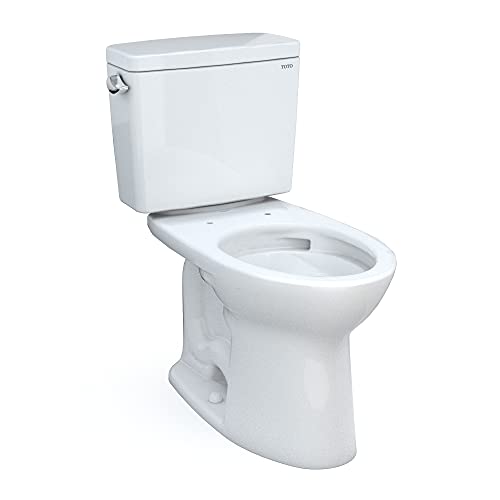
TOTO Drake II
Forceful single-flush clearing
4.7
The Drake II pairs a 1,000 gram MaP score with TOTO's Double Cyclone flush and a wide glazed trapway at 1.28 GPF, so it clears heavy loads on one flush and rarely backs up.
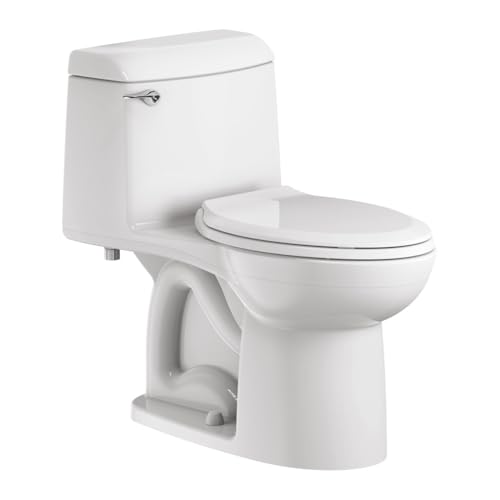
A wide 2-3/8 inch trapway and an oversized flush valve give the Champion 4 a forceful, clog-resistant flush, making it the go-to upgrade when an old toilet clogs again and again.
Kohler's AquaPiston canister flush moves a fast, full volume of water at 1.28 GPF, giving the Cimarron a strong clean rinse and dependable clearing that cuts down on repeat clogs.
If you are reading a no-plunger guide at all, the odds are good this is not your first clog with the same toilet. The pattern in the MaP data is hard to miss: clearing power is the whole game, and a high-MaP wide-trapway bowl simply does not produce the weekly clogs that send people searching for kitchen remedies at midnight. Use the methods on this page to handle tonight, then look hard at your toilet. A WaterSense model with a published MaP score of 800 grams or more turns clog night into a memory, and the upgrade pays for itself in saved water and saved aggravation.
How to prevent clogs when you have no plunger on hand
Once the bowl is draining again, a few habits keep it that way and spare you the next no-plunger scramble. Most repeat clogs are avoidable with small changes to what goes down the bowl and a little routine maintenance.
Flush only waste and a reasonable amount of paper
The fastest way back to a clog is overloading the trapway. Use a sensible amount of toilet paper, and for heavy paper use, do a courtesy flush partway through rather than sending one huge wad at once. Never flush wipes labeled flushable, paper towels, cotton products, dental floss or hygiene items, since they do not break down the way toilet paper does and they snag in the trapway.
Keep the flush at full strength
A weak flush cannot clear waste, so it clogs more. Confirm the tank water sits at the molded fill line, the flapper stays open long enough to dump the full tank, and the rim and siphon jets are free of mineral scale. A monthly vinegar treatment of the jets keeps the swirl strong. Our guide to how to improve toilet flush power covers each of these tune-ups in detail.
Keep a couple of items stocked
Since the best no-plunger methods rely on dish soap and baking soda, keep both in the bathroom or nearby. A roll of cling wrap and a wire hanger cost almost nothing and turn a no-tool emergency into a manageable fix. Better still, buy an inexpensive flange plunger and a closet auger so you are never caught out, and pair them with the methods here.
Watch for kids and dropped objects
A surprising share of solid-object clogs are toys, toothbrushes and bottle caps dropped in by young children, and those will defeat every method on this page. Keep a lid-closed habit, store small items away from the bowl, and if something falls in, fish it out before flushing rather than hoping it goes down.
Putting it all together
Unclogging a toilet without a plunger is about patience and the right order, not panic. Stop the water first by closing the flapper and the shutoff valve, then escalate only as far as the clog demands: dish soap and hot water for the typical soft clog, a baking soda and vinegar reaction to loosen what remains, a plastic wrap pressure surge for plunger-like force, and a padded hanger or shop vacuum for the stubborn cases. Use hot tap water, never boiling, to protect the porcelain and the wax ring. If the same bowl clogs week after week no matter what you do, the toilet design is the limit, and a high-MaP WaterSense model is the real cure. Match the method to the clog, give each step its full waiting time, and you will rarely need a plumber even without a plunger in the house.
? What is the best way to unclog a toilet without a plunger?
Dish soap and hot water is the most reliable method. Squirt half a cup of liquid dish soap into the bowl, pour in a gallon of hot but not boiling water from waist height, and wait 20 to 30 minutes. The soap lubricates the clog and the heat softens it, so most soft paper-and-waste clogs drain on their own with no tools.
? Will dish soap really unclog a toilet?
Yes, for soft clogs. Dish soap is a degreaser and lubricant that works its way down around the blockage and lets it slide through the trapway, especially when followed by hot water. It will not move a solid object or a heavy paper jam, but it clears the typical everyday clog well and is the safest first thing to try.
? Can I use boiling water to unclog a toilet?
No. Boiling water can crack a cold porcelain bowl through thermal shock and can soften the wax ring that seals the toilet to the floor, leading to leaks later. Use hot tap water or water heated to just below boiling, around 150 degrees Fahrenheit, which is hot enough to soften a clog without risking damage.
? Does baking soda and vinegar unclog a toilet?
It can loosen light organic clogs. Pour in one cup of baking soda, then two cups of white vinegar, let the fizzing reaction work for about 30 minutes, then flush with hot water. The agitation breaks down soft material, but the pressure is gentle and will not move a flushed object or a heavy paper jam.
? How does the plastic wrap method work?
Dry the rim, seal several tight layers of cling wrap across the top of the bowl, then flush or add water. The rising water traps air, which bulges the wrap into a dome. Pressing that dome down surges pressure through the water and into the clog, mimicking a plunger stroke and dislodging moderate blockages.
? Can a wire coat hanger unclog a toilet?
It can reach a clog sitting just inside the drain opening or the first bend of the trapway. Straighten the hanger, wrap the tip in a rag or tape to protect the porcelain, then push and twist gently to break up or hook the blockage. It cannot follow the full trapway curve, so it only handles near-surface clogs.
? Will a clogged toilet eventually clear itself?
A soft clog sometimes softens and drains on its own over several hours, especially after you add dish soap and hot water. Leave the supply valve off so it cannot overflow and check it later. A solid object or a heavy paper jam will not clear itself and needs an active method or a tool.
? Can I use a toilet brush instead of a plunger?
In a true emergency, yes, though it is a last resort. Push the brush head into the drain opening and pump it up and down. The brush seals poorly and splashes, so lay towels first, but the pumping action can dislodge a soft clog. A proper flange plunger works far better when one is available.
? Does Epsom salt unclog a toilet?
Epsom salt, or a fizzing bath bomb, produces a mild reaction that can loosen a slow-draining soft clog. It is most useful when the toilet is draining sluggishly rather than fully blocked. Drop it in, give it 15 to 20 minutes, then add hot water. It is gentle and will not move a serious blockage.
? Can a shop vacuum unclog a toilet?
Yes, a wet-dry shop vacuum is one of the most effective no-plunger tools. Set it to vacuum liquids, remove the paper filter, empty the standing water, then seal the hose into the drain opening with a packed towel. The suction can pull a clog or a small object straight back out of the trapway.
? Should I use chemical drain cleaner in a toilet?
No. Chemical drain cleaners are formulated for sink and tub lines. In a toilet they often sit inert in the trapway without clearing the blockage, can damage the bowl and seals, and create a hazard for anyone who works on the clog afterward. Dish soap, hot water and the other methods here are safer and more effective.
? How long should I wait for the dish soap method to work?
Give it a full 20 to 30 minutes. The heat needs time to soften the paper and the soap needs time to work down around the clog. People often give up after a couple of minutes and assume it failed, when the method simply had not finished. Patience is what makes the no-plunger methods succeed.
? Can I combine these no-plunger methods?
Yes, and it often works better. A strong sequence is to add dish soap, then the baking soda and vinegar reaction, let it all sit for 30 minutes, and finish with a pour of hot water from height. Each step works on a different part of the clog, so combining them clears blockages that one method alone cannot.
? Why does my toilet keep clogging?
Frequent clogs usually mean a weak flush or a low-MaP bowl, not bad luck. A low tank water level, an early-closing flapper, scaled rim jets, or a narrow trapway under 2 inches all reduce clearing power. Flushing wipes, paper towels or too much toilet paper also causes repeat clogs even on a strong toilet.
? What MaP score should I look for to avoid clogs?
Aim for a MaP score of at least 600 grams, with 800 to 1,000 grams being the high-performance range that rarely clogs. MaP testing measures how many grams of solid waste a toilet clears in a single flush. Below about 350 grams, clog risk climbs sharply regardless of the water standard.
? Is it safe to leave a clogged toilet overnight?
Yes, as long as you shut off the water supply so it cannot overflow if someone flushes by habit. The standing water will not harm the bowl, and an overnight soak with dish soap can soften a clog by morning. Close the lid and leave a note so no one triggers an accidental second flush.
? When should I call a plumber instead?
Call a plumber when you have tried the no-plunger methods thoroughly and the bowl still will not drain, or when multiple fixtures around the house are slow, gurgling or backing up at the same time. Those signs point to a blockage in the branch or main line, which is beyond home methods and should be cleared professionally.
Manufacturer published specifications (TOTO, Kohler, American Standard)
Our Verdict
You do not need a plunger to clear most clogs. Stop the water by closing the flapper and shutoff valve, then work the methods in order: dish soap and hot water for the typical soft clog, a baking soda and vinegar reaction to loosen what remains, a plastic wrap pressure surge for plunger-like force, and a padded hanger or shop vacuum for stubborn cases. Always use hot tap water, never boiling, to protect the porcelain and the wax ring, and give each step its full waiting time. If the same bowl clogs week after week, the toilet design is the limit, and a high-MaP WaterSense model like the TOTO Drake II, American Standard Champion 4 or Kohler Cimarron is the lasting fix. Check the current price on Amazon and confirm the rough-in matches yours before replacing.
D
Researched by Derek Whitman
Derek researches plumbing specifications, installation requirements and parts availability, cross-checking manufacturer claims against owner-reported reliability. Rankings are based on documented data and real owner reports, never paid placement.
Updated August 2026 · Plumbing
Keep reading
Related guides
Best Toilet Flush Valve: How to Choose the Right One
Plumbing
4.6
Which is the best toilet flush valve? Compare 2-inch, 3-inch, adjustable, and canister flush valves by fit and flush power, plus how…