A noisy toilet is rarely a mystery once you learn to listen to it. The sound it makes after a flush is a direct readout of which part is working hardest and which part is starting to fail. A high-pitched whistle that rises as the tank fills is not the same fault as a single sharp bang the moment the flush ends, and a wet gurgle bubbling up through the bowl is a different problem again from a low groan or a steady hiss that never quite stops. Each of those noises has a different cause, and each has a different fix.
The good news is that almost every toilet noise comes from one of a handful of inexpensive, accessible parts inside the tank or from the supply line feeding it. Nothing here normally requires removing the toilet from the floor, and most fixes cost a few dollars in parts. The trick is matching the exact sound to the right cause before you start replacing things. This guide follows the way research is done across the site, comparing how toilet tanks and supply systems are engineered, the published specs that predict quiet operation, and the repair patterns that show up consistently across aggregated owner reviews and plumbing resources. That combination is enough to pinpoint why your toilet makes noise after flushing and to tell you which fix actually silences it.
Start here. Identify the noise first. A whistle or hiss while the tank fills points to the fill valve. A single bang or a series of bangs the instant water stops points to water hammer in the pipes. A gurgle or glug from the bowl points to venting or a partial drain blockage. A foghorn moan that fades in and out points to a vibrating fill valve diaphragm. Naming the sound takes you straight to the right section below.
What the different toilet noises actually mean
Before any repair, it helps to understand the system making the sound. After you press the handle, the flapper or canister seal lifts, the tank dumps its water into the bowl, the seal drops back, and the fill valve opens to refill both the tank and the bowl through a small refill tube. Fresh water arrives from a supply line and shutoff valve behind the toilet. Every post-flush noise comes from water moving through one of those parts: the fill valve metering water in, the supply pipes carrying it, or the drain and vent carrying waste away.
That means the pitch and timing of the noise tells you where the fault sits. Sounds that happen during the refill, while the tank is filling back up, almost always come from the fill valve or the water pressure feeding it. Sounds that happen the instant the refill stops come from the pipes reacting to that sudden stop, which is classic water hammer. Sounds that come from the bowl rather than the tank, especially gurgling, come from the drain and vent system on the far side of the trap. Sorting the noise into one of those three buckets cuts your diagnosis time dramatically.
Why does my toilet make a whistling or hissing noise after flushing?
A toilet whistles or hisses after flushing because the fill valve is not opening or closing cleanly, so water is forced through a narrowed or worn opening and vibrates as it passes. The usual cause is a worn fill valve diaphragm or seal, a partially closed supply shutoff valve, or scale buildup restricting the valve. Replacing the fill valve with a modern quiet valve resolves it in most cases.
A whistle or a hiss is the single most common toilet noise after a flush, and it nearly always traces back to the fill valve. As the valve ages, its internal diaphragm or seal hardens, warps, or collects scale, and water squeezing through the restricted opening sets the part vibrating at an audible pitch. The whistle often rises as the tank nears full and the valve begins to throttle the flow, then cuts off the moment the valve shuts. That timing, a sound that tracks the refill and ends with it, is the fingerprint of a failing fill valve.
A steady hiss that never fully stops is slightly different. It usually means the valve is not sealing completely at the end of the cycle, so a thin stream keeps passing and trickling down the overflow tube. That overlaps with the symptoms of a toilet that keeps running, and the underlying part, the fill valve, is the same. Before condemning the valve, check that the supply shutoff behind the toilet is opened all the way, since a half-closed shutoff forces water through a narrow gap and produces its own whistle that has nothing to do with the toilet itself.
How to fix a whistling toilet fill valve
First, fully open the supply shutoff valve behind the toilet and listen again, since a throttled shutoff is a free fix that people miss. If the whistle persists, the fill valve is the culprit. For older ballcock-style valves with a brass body, the diaphragm washer can sometimes be replaced, but the lasting fix is to swap the whole valve for a modern quiet fill valve such as a Fluidmaster 400 series or a Korky QuietFILL. Turn off the water at the shutoff, flush to drain the tank, sponge out the remaining water, unscrew the supply line and the lock nut under the tank, lift the old valve out, and fit the new one to the height the instructions specify. The replacement is inexpensive, installs in about fifteen minutes with no special tools, and modern valves are engineered specifically to refill quietly.
Tip. If the whistle only started recently and the toilet is not old, check the supply shutoff first. A valve that was bumped while cleaning behind the toilet, or one that was never fully reopened after a previous repair, restricts flow and whistles exactly like a failing fill valve. Opening it fully is a free test before you buy a single part.
Why does my toilet bang or make a hammering noise after flushing?
A toilet bangs after flushing because of water hammer, a pressure shock that happens when the fill valve closes suddenly and the moving column of water slams to a stop against the pipe. It produces a single sharp knock or a series of bangs the instant the refill ends. Fixes include installing a water hammer arrestor on the supply line, fitting a slower-closing fill valve, or recharging the home's air chambers.
If the noise is a distinct bang, knock, or shudder that happens at the very end of the refill rather than during it, you are hearing water hammer. When a fast-acting fill valve snaps shut, the fast-moving water behind it has nowhere to go and crashes against the closed valve and the pipe walls, sending a shockwave back through the plumbing. You hear it as a bang, and sometimes feel the pipes jump inside the wall. Repeated water hammer is more than an annoyance, because the recurring shock loosens fittings and stresses joints over time.
The cleanest fix is a water hammer arrestor, a small sealed cylinder containing an air-cushioned piston that absorbs the shock. It threads onto the supply line between the shutoff valve and the toilet in a few minutes and is designed for exactly this problem. If your home has older air-chamber stubs in the walls, they can become waterlogged and stop cushioning, in which case shutting off the main and draining the system down at the lowest faucet lets the air chambers refill. A slower-closing fill valve also helps, since a gentler shutoff produces less of a pressure spike to begin with.
Why does my toilet gurgle after flushing?
A toilet gurgles after flushing because air is being pulled through the bowl water instead of venting properly, which signals a blocked vent stack or a partial clog in the drain. The flushing water creates suction that draws air backward through the trap, producing the glug or bubble sound. Clearing the vent or the partial blockage in the drain line stops the gurgle.
Gurgling is the one noise that comes from the bowl and the drain rather than the tank, and it points to a venting or drainage problem rather than a worn part. A properly vented drain lets air in through a roof vent stack as water rushes down, so the flow stays smooth. When that vent is blocked by a bird nest, leaves, ice, or debris, the draining water creates a vacuum that pulls air backward up through the bowl's trap, and that air bubbling through the standing water is the gurgle you hear. A partial clog further down the drain line does the same thing by forcing water past a restriction.
Because gurgling involves the drain and vent, it can also coincide with slow draining or with bubbling in nearby sinks and tubs when the toilet flushes, which is a strong sign the shared vent or drain is the issue. A plunger or a toilet auger can clear a partial blockage close to the bowl. A blocked roof vent usually needs to be cleared from the roof with a hose or a drain rod. If the same toilet gurgles whenever a shower or sink runs nearby, the guide to a toilet that keeps clogging and how to fix it covers the shared-drain causes in more depth.
Worth knowing. If flushing the toilet makes a nearby sink or tub gurgle, or vice versa, the problem is almost certainly a shared vent or a main drain restriction rather than the toilet itself. Treat the symptom as a drainage issue, not a tank repair, and start by clearing the vent and the main line rather than replacing toilet parts.
Why does my toilet make a foghorn or vibrating noise after flushing?
A toilet makes a foghorn, moaning, or loud humming noise after flushing when an aging ballcock fill valve's rubber diaphragm vibrates as the tank refills. The sound usually fades in and out and is caused by a worn or hardened valve washer resonating against the water flow. Replacing the fill valve or its diaphragm washer eliminates the foghorn noise.
The foghorn is unmistakable: a loud, low, droning moan that starts partway through the refill, builds, and then dies away, sometimes loud enough to be heard through the whole house. It is caused almost exclusively by older brass ballcock fill valves whose rubber diaphragm or washer has hardened with age. As water passes the worn part, the diaphragm flutters and resonates, turning the tank into a giant reed instrument. The noise often comes and goes from one flush to the next as the part catches and releases.
To confirm it, lift the tank lid mid-refill and gently lift the float; if the moan stops, the fill valve is the source. The fix is the same as for a whistle: replace the worn diaphragm washer if the valve accepts one, or, far more reliably, swap the whole valve for a modern quiet fill valve. Because the foghorn is a symptom of an aging valve, a full replacement also heads off the whistle and the slow leak that the same valve is likely to develop next.
Why does my toilet keep making a refilling noise minutes after flushing?
A toilet that briefly refills minutes after flushing, often called phantom or ghost flushing, makes that noise because water is slowly leaking from the tank into the bowl until the level drops enough to trip the fill valve. The fill valve then runs for a few seconds to top the tank up. A worn flapper or a scaled flush valve seat is almost always the cause.
If the toilet has been sitting unused and then suddenly hisses and refills for a few seconds on its own, you are hearing phantom flushing. It means a slow leak past the flapper or the flush valve seal is gradually draining the tank into the bowl, and once the level drops far enough, the fill valve wakes up to restore it. The brief refill noise repeats every few minutes to every hour depending on how fast the leak is. The cause is a worn or warped flapper, or mineral scale on the flush valve seat that holds the seal open a hair.
Confirm it with a dye test: add a few drops of food coloring to the tank, wait fifteen minutes without flushing, and if color appears in the bowl, the seal is leaking. The fix is to clean the flush valve seat and replace the flapper, which is inexpensive and tool-free. Because phantom flushing is really a small version of a running toilet, the detailed repair steps in the guide to a toilet not flushing properly and how to fix it and the broader running-toilet checks apply here too.
Editorial Take
Work the fixes by noise type, not by guesswork, because the same toilet can make two different sounds from two different parts. If your toilet whistles, foghorns, and phantom-refills, do not chase each symptom separately; an aging fill valve causes the first two and a tired flapper causes the third, so a complete tank rebuild kit that bundles a quiet fill valve, a fresh flapper, and a flush valve seal usually silences everything at once for the cost of two or three single parts. On any toilet older than ten years that has started getting noisy, that all-in-one rebuild is almost always the smarter move than a piecemeal repair you will repeat in six months.
The diagnostic table: match your noise to the fix
Cause 1: A worn fill valve (the most common source of noise)
The fill valve is responsible for the large majority of toilet noises after a flush, because it is the part doing the work during the refill. Whistling, hissing, foghorn moaning, and a hiss that never quite stops all trace back to a fill valve whose diaphragm or seal has aged. As the rubber hardens or scale collects, water is forced through a narrowed, irregular opening and the resulting turbulence sets the part vibrating at whatever pitch the worn surface dictates. Different stages of wear produce different sounds from the same failing valve.
Trying to nurse an old valve with a partial repair is usually false economy. Diaphragm washer kits exist for some valves, but on a valve old enough to be noisy, the body and seat are often scaled as well, so the noise returns. Replacing the whole valve with a modern quiet fill valve, a Fluidmaster or Korky being the most widely available, resolves the noise and refreshes the most failure-prone part of the tank in one inexpensive job. Set the new valve to the correct height so the water rests about an inch below the top of the overflow tube.
Cause 2: Water hammer in the supply pipes
Water hammer is a plumbing-wide problem that a toilet simply triggers. When the fill valve snaps shut at the end of a refill, the moving water column slams into the closed valve and rebounds as a pressure shockwave, which you hear as a bang and sometimes feel as a thud in the wall. High household water pressure makes it worse, and homes with long, unsupported pipe runs or waterlogged air chambers are the most prone to it.
A water hammer arrestor is the targeted fix. It is a small threaded cylinder with an internal air-cushioned piston that absorbs the shock, and it installs on the toilet supply line in minutes. If the whole house hammers on multiple fixtures, the better fix may be at the system level: draining the plumbing to recharge the air chambers, or fitting a pressure-reducing valve if incoming pressure is above the recommended range. A slower-closing toilet fill valve also softens the shutoff so the toilet stops triggering the bang in the first place.
Cause 3: Venting and drainage noise (gurgling)
Gurgling is the odd one out because it has nothing to do with the tank. It comes from air being dragged backward through the bowl trap when the drain cannot vent properly. The plumbing vent stack that runs up through the roof is supposed to admit air as waste water rushes down, keeping the flow smooth and the trap seals intact. A blocked vent, or a partial clog in the drain line, forces the draining water to pull its air from the only other opening available, the bowl, and that air bubbling up through the standing water is the gurgle.
Start by plunging or augering the toilet to clear any partial blockage near the bowl. If the gurgle persists or other fixtures gurgle in sympathy, the vent stack on the roof is the likely cause and needs clearing from above with a hose or drain rod. Because gurgling often travels with slow drainage and clogging, it is worth ruling out a developing drain problem rather than treating it as a one-off noise.
What is the quietest type of toilet fill valve?
The quietest toilet fill valves are modern float-cup diaphragm valves such as the Fluidmaster 400H and the Korky QuietFILL Platinum, which are engineered to refill with minimal turbulence. They are far quieter than older brass ballcock valves, install in about fifteen minutes, and are the standard recommended fix for a toilet that whistles, hisses, or foghorns during the refill.
If you are buying a fill valve specifically to quiet a noisy toilet, the modern float-cup or float-on-stem diaphragm valves are the clear choice over the older brass ballcock with its arm and floating ball. The newer designs meter water in with far less turbulence and are widely sold under the Fluidmaster and Korky names, both of which have long, positive owner track records for quiet operation and easy installation. Match the valve to your tank's height and you have replaced the single noisiest, most failure-prone part in the toilet for very little money.
When toilet noise means it is time to replace the toilet
Noise on its own almost never justifies replacing a whole toilet, because the fill valve, flapper, and supply parts that cause it are all cheap and serviceable. But if you are already nursing an old toilet that whistles, foghorns, phantom-refills, flushes weakly, and uses 3.5 GPF or more, the repairs start to feel like patching a fixture that was never efficient or pleasant to live with. In that case, upgrading to a modern, quiet, water-efficient toilet is the smarter long-term move, and a good one flushes far more powerfully while running quietly and using less water.
The specs that predict a quiet, reliable, strong toilet are a high MaP (Maximum Performance) score, which measures how many grams of solid waste a single flush clears, a durable canister or quiet fill valve, and an EPA WaterSense 1.28 GPF rating. Aim for a MaP score of 800 grams or higher for a family bathroom. Many newer toilets from TOTO, Kohler, and American Standard ship with quiet fill systems and large canister-style flush valves that resist both noise and the slow leaks behind phantom flushing. For the full ranked list, see the roundup of the best flushing toilets. To get more force and a cleaner refill from any toilet, how to improve toilet flush power with seven proven fixes lays out the upgrade tactics, and if the toilet is also struggling to clear the bowl, the guide to a weak toilet flush fix and its causes and solutions covers that side of the problem.
Which toilets run the quietest after flushing?
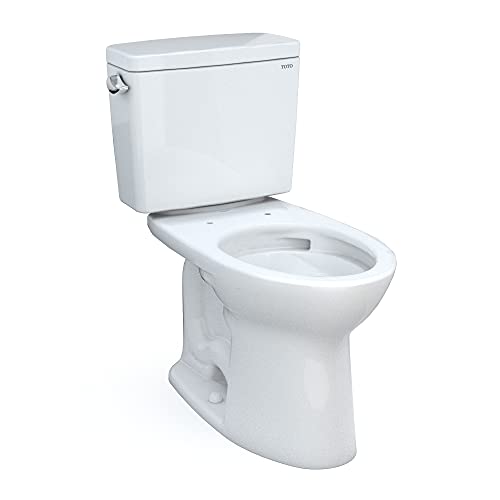
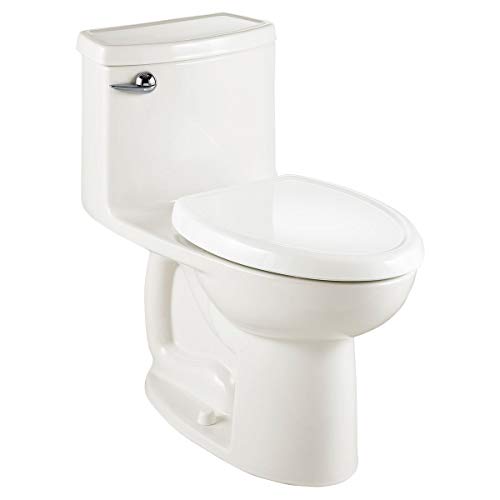
Toilets with large canister-style flush valves and modern quiet fill systems run the quietest after flushing, because the canister seal refills smoothly and resists the slow leaks behind phantom-flush noise. The Kohler Cimarron and Highline with Class Five flushing, and high-MaP gravity toilets like the TOTO Drake and American Standard Cadet 3, pair quiet, durable refill systems with strong, efficient 1.28 GPF flushes.
Top recommendations if you decide to replace
These three models consistently pair high independent flush scores with efficient water use, durable and quiet refill systems, and deep, positive owner track records, which makes them safe upgrades from a tired toilet that has grown noisy and underperforms.
Quietest Refill
TOTO Drake
High MaP score and a quiet, durable refill
A top-tier MaP score, a wide fully glazed trapway, and an efficient 1.28 GPF flush make the Drake a powerful upgrade, and its proven flush valve and quiet fill system keep refills smooth with an easy-to-source parts ecosystem if service is ever needed.
Check price on Amazon
Best Canister Valve
Kohler Cimarron
Class Five flush with a large canister seal
Kohler's Class Five engine moves water with real force at 1.28 GPF, and its canister-style valve uses a large 360-degree seal that resists the slow seepage behind phantom-flush noise far better than a small flapper does, so refills stay quiet between uses.
Check price on Amazon
Best Value Upgrade
American Standard Cadet 3
Strong, dependable flush at an accessible price
The Cadet 3 pairs a wide flush valve and an EverClean glazed surface with a 1.28 GPF flush, delivering reliable clearing power and a clean, well-sealing tank with a quiet refill that makes it a sensible, budget-conscious replacement for a worn-out, noisy toilet.
Check price on Amazon
Editorial Take
If you are replacing a toilet mainly because it became unbearably noisy, prioritize the fill and flush valve design over the headline flush rating. A large-diameter canister valve, like the one Kohler uses on the Cimarron and Highline, seals over far more surface than a hinged flapper, so it resists the slow weeping that causes phantom-flush noise, while modern quiet fill systems refill with little turbulence. Pair that with a MaP score at or above 800 grams and a WaterSense 1.28 GPF rating, and you get a toilet that flushes hard and refills quietly. Woodbridge, Swiss Madison, and Gerber also offer dependable, quieter budget options like the Woodbridge T-0001 and Gerber Viper, though TOTO and Kohler have the longest quiet, leak-free track records in aggregated owner reviews.
Sources
- EPA WaterSense, epa.gov/watersense
- MaP (Maximum Performance) flush testing, map-testing.com
- Manufacturer published specifications (TOTO, Kohler, American Standard)
FAQ
Frequently asked questions
? Why does my toilet make noise after flushing?
A toilet makes noise after flushing because of how it refills. A whistle or hiss that tracks the refill is a worn fill valve, a bang the instant water stops is water hammer in the pipes, a gurgle from the bowl is a venting or partial drain blockage, and a low foghorn moan is a vibrating ballcock diaphragm. Identify which sound you hear first, then match it to the fix, since the cure is different for each.
? Why does my toilet whistle when it fills?
A toilet whistles during the refill because water is being forced through a worn or scaled fill valve opening, which vibrates as the water passes and rises in pitch as the valve throttles near full. A partially closed supply shutoff valve can also whistle. Open the shutoff fully first as a free test, and if the whistle remains, replace the fill valve with a modern quiet valve such as a Fluidmaster or Korky.
? What is the banging noise after I flush?
That bang is water hammer, a pressure shockwave that happens when the fill valve closes suddenly and the moving water slams to a stop against the closed valve and pipe. You hear a single knock or a series of bangs the instant the refill ends. Fit a water hammer arrestor on the toilet supply line, recharge the home's air chambers, or install a slower-closing fill valve to soften the shutoff.
? Why does my toilet gurgle after flushing?
Gurgling means air is being pulled backward through the bowl trap because the drain cannot vent properly. A blocked roof vent stack or a partial clog in the drain line creates suction that drags air up through the standing water, producing the glug. Plunge or auger the bowl to clear a nearby blockage, and clear the roof vent if the gurgle persists or nearby sinks and tubs gurgle when the toilet flushes.
? What causes the foghorn noise in my toilet?
The foghorn or moaning sound comes from an aging brass ballcock fill valve whose rubber diaphragm has hardened and vibrates as water passes it during the refill. It usually fades in and out and can be loud through the whole house. Confirm it by gently lifting the float mid-refill; if the moan stops, replace the fill valve, since the worn diaphragm is the source.
? Why does my toilet randomly refill on its own?
That is phantom or ghost flushing. A slow leak past the flapper or flush valve seal gradually drains the tank into the bowl, and once the level drops enough, the fill valve runs for a few seconds to top it up, which is the refilling noise you hear. Run a food-coloring dye test to confirm a leak into the bowl, then clean the flush valve seat and replace the flapper to stop it.
? How do I stop a hissing toilet?
A hiss that tracks the refill and stops with it is a worn fill valve, while a hiss that never fully stops means the valve is not sealing at the end of the cycle and water trickles down the overflow tube. First confirm the supply shutoff is fully open, then replace the fill valve with a modern quiet valve. A complete fill valve swap takes about fifteen minutes with the water shut off and costs only a few dollars.
? Is a noisy toilet dangerous?
The noise itself is not dangerous, but some causes should not be ignored. Repeated water hammer stresses pipe joints and fittings over time and can eventually loosen them, and a fill valve hissing because it will not seal is wasting water continuously. Gurgling can signal a developing drain or vent blockage. None is an emergency, but each is worth fixing promptly before it leads to a leak or a larger drainage problem.
? How much does it cost to fix a noisy toilet?
For a do-it-yourself repair, very little. A modern quiet fill valve, a flapper, or a water hammer arrestor each costs only a few dollars, and a complete tank rebuild kit that bundles a fill valve, flapper, and flush valve seal is still inexpensive. Opening the supply shutoff fully and clearing a vent are free. The biggest hidden cost of a noisy toilet is wasted water if the noise comes from a valve that will not seal.
? Which fill valve is the quietest?
Modern float-cup diaphragm valves such as the Fluidmaster 400H and the Korky QuietFILL Platinum are the quietest, because they are engineered to refill with minimal turbulence. They are far quieter than the older brass ballcock valves with a floating ball arm, install in about fifteen minutes, and are the standard recommended replacement for a toilet that whistles, hisses, or foghorns during the refill.
? Why is my toilet noisy only sometimes?
Intermittent noise usually points to a worn part that catches and releases differently from one flush to the next. A foghorn from an aging diaphragm often comes and goes as the rubber flutters inconsistently, and water hammer can depend on household pressure that varies through the day. Phantom refills happen only after the tank has slowly leaked down. Identify the specific sound and its timing, and the inconsistent pattern still points to the same underlying part.
? Can high water pressure make my toilet noisy?
Yes. High incoming water pressure makes water hammer louder and more frequent, forces more turbulence through a worn fill valve, and can make whistling worse. If multiple fixtures bang or whistle, the home pressure may be above the recommended range, and a pressure-reducing valve on the main supply can quiet the whole house. For a single toilet, a water hammer arrestor and a modern quiet fill valve usually handle it.
? Why does my toilet gurgle when another drain runs?
If your toilet gurgles when a nearby sink, tub, or shower drains, the fixtures share a vent or main drain line that is partially blocked. The draining water pulls air through the toilet trap because it cannot vent normally, producing the gurgle. This points to a drain or vent restriction rather than a toilet part, so clearing the shared line and the roof vent is the right fix instead of replacing tank components.
? Does cleaning the fill valve stop the noise?
Sometimes. A sputtering or gargly refill can be caused by debris or scale lodged in the fill valve, and many valves can be flushed by shutting the water, removing the cap, and rinsing the seat. On a valve old enough to whistle or foghorn, though, the rubber is usually worn beyond cleaning, and a full replacement is the lasting fix rather than a temporary clean.
? Can hard water make a toilet noisy?
Yes. Hard water deposits scale inside the fill valve and on the flush valve seat, which narrows the valve opening and makes refills whistle, and which holds the flapper seal open a hair to cause phantom refills. Cleaning the valve and seat removes the scale, and in hard-water areas a modern quiet fill valve and a canister-style flush valve tend to stay quiet and leak-free longer than older parts.
? How do I know if it is the fill valve or water hammer?
Listen to the timing. A whistle, hiss, or foghorn that happens during the refill, while the tank is filling, is the fill valve. A single bang or knock that happens the instant the refill stops, when the valve snaps shut, is water hammer. Fill valve noise tracks the refill and ends with it; water hammer is a sharp shock at the very end. The timing tells you which one to fix.
? What is a good MaP score if I am replacing my toilet?
Aim for a MaP score of at least 600 grams, with 800 to 1,000 grams being the high-performance range for a busy family bathroom. The MaP test measures how many grams of solid waste a single flush clears, so a higher number means stronger, more reliable flushing. Top models like the TOTO Drake clear the maximum 1,000 grams while still using only 1.28 GPF and refilling quietly.
? Will a new toilet be quieter than fixing my old one?
If the old toilet is past ten years old and noisy on several fronts, a modern toilet with a quiet fill system and a durable canister valve will usually be noticeably quieter than a piecemeal repair. But if your existing toilet just needs a fresh fill valve or flapper, replacing that single part for a few dollars restores quiet operation without the cost and labor of a whole new fixture.
? Should I call a plumber for a noisy toilet?
Most toilet noises are do-it-yourself fixes: a fill valve swap, a flapper replacement, or a water hammer arrestor all install with basic tools in well under an hour. Call a plumber if gurgling traces to a blocked main drain or roof vent you cannot safely reach, if the whole house hammers and may need a pressure-reducing valve, or if a leak appears at the base. Tank-side noises rarely need a professional.
Our Verdict
A toilet that makes noise after flushing is almost always a cheap, fast fix once you name the sound. A whistle, hiss, or foghorn during the refill is a worn fill valve, and a modern quiet valve like a Fluidmaster or Korky silences it in fifteen minutes. A bang the instant water stops is water hammer, cured with a water hammer arrestor. A gurgle from the bowl is a venting or drain blockage to clear. A brief refill on its own is a leaking flapper, fixed by cleaning the seat and replacing the flapper. If the toilet is old, noisy, weak, and water-hungry, a modern high-MaP upgrade like the TOTO Drake, Kohler Cimarron, or American Standard Cadet 3 with a quiet, durable refill system is the lasting cure. Confirm the rough-in matches yours before you order.
Keep reading
Related guides