Why Does My Toilet Keep Clogging? Causes and Fixes
A clear, spec-driven walkthrough of why a toilet clogs again and again, from low water level and a worn flapper to a narrow trapway and a partial drain blockage, with the exact checks to run in order and the fixes that actually stop the cycle, including when the fixture itself is the problem.
Quick Answer
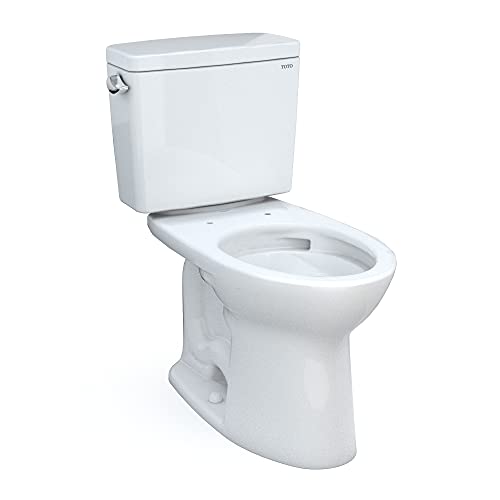
A toilet that keeps clogging almost always has a fixable cause: a low tank water level, a flapper that closes too soon, partly blocked rim jets or a narrow trapway. Check the tank fill line and flapper first, then the trapway. If the bowl itself is the bottleneck, a wide-trapway TOTO Drake ends the cycle for good.
A toilet that clogs once in a while is normal and usually harmless. A toilet that clogs every week, or backs up on an ordinary load of waste and paper, is telling you something is wrong, and no amount of careful flushing will hide it for long. The encouraging part is that recurring clogs are rarely a mystery. They come from a short list of physical causes, and once you know what those causes look like you can diagnose your own toilet in a few minutes, fix most of them yourself, and know with confidence when the fixture itself is the weak link that needs replacing.
This guide is organized the way a careful plumber would think about the problem: start with the cheapest, most common causes you can fix in minutes, then work toward the harder ones, and only treat replacement as the answer once everything upstream is ruled out. Along the way it explains the specs that actually control clog resistance so you can read a spec sheet instead of guessing. For the broadest cross-brand ranking of high-power fixtures, the pillar guide to the best flushing toilets goes wider. This page has one job: explain why your toilet keeps clogging and how to stop it.
How we research and rank
We do not test toilets in a lab. We compare manufacturer specifications, published MaP (Maximum Performance) flush-test gram scores, trapway diameter and glazing, flush-valve size, EPA WaterSense listings and aggregated owner ratings across major retailers. For diagnosing clogs we lean on the physics of how water and waste move through a trapway and drain, plus the failure patterns owners report most often. Where a fix is cheap and likely, we say so plainly rather than pushing a new toilet first.
First principles
What actually causes a toilet to clog repeatedly
A clog is a stoppage somewhere between the bowl and the drain line. Recurring clogs trace back to a small set of causes, and naming the right one is the whole game. Fix the cause and the clogs stop.
Every flush is a race. The tank dumps a set volume of water through the flush valve into the bowl, that water creates a siphon, and the siphon has a few seconds to pull all the waste up over the weir and down through the curved internal channel called the trapway before the water runs out and the siphon breaks. A clog happens when waste stalls before it finishes that trip. In a toilet that clogs constantly, one of four things is robbing the flush of the water, force or clearance it needs to win that race every time.
The first cause is too little water in the bowl or tank, which produces a weak, lazy flush that cannot sustain the siphon. The second is a weak or short flush from a worn flapper, a partly blocked rim or jet, or an old low-power design. The third is a narrow, rough or scaled trapway that physically catches bulk even when the flush is strong. The fourth is a partial blockage downstream in the drain or a vent problem, which is the one cause a new toilet cannot fix. The sections below take each in turn, in the order you should check them.
Cause 1
Low water level in the tank or bowl
The most common and cheapest cause of repeat clogs. A flush that starts with too little water can never build the siphon needed to carry a full load through the trapway.
Lift the tank lid and look at the water line against the overflow tube. The water should sit roughly half an inch to one inch below the top of the overflow tube, and most tanks have a molded fill line on the inside wall. If the water sits well below that mark, the tank is releasing less water than the toilet was designed to flush with, and a short, gutless flush is the predictable result. The fix is to adjust the fill valve: on a modern float-cup valve, pinch the clip and slide the float up; on an older ballcock, bend the float arm gently upward. Raise the level to the fill line, flush, and watch whether the bowl clears more decisively.
Bowl water level matters too. After a flush settles, the standing water in the bowl should reach a consistent level. If it is unusually low, the toilet may have a hidden crack, a faulty flapper letting water seep out, or a partial clog in the trapway siphoning water away. A low bowl level means less water available to start the next siphon, which makes the toilet clog more easily. If raising the tank level and confirming the flapper does not restore a normal bowl, move on to the trapway and drain checks below. For a deeper walkthrough of weak-flush causes, our guide on the weak toilet flush fix and its causes covers each one in order.
Tip: set the tank to the molded fill line, then test
Before assuming anything is broken, set the tank water to the manufacturer's fill line, flush a normal load, and judge the result. A surprising share of chronic clogs disappear the moment the tank holds its full design volume. It costs nothing, takes two minutes, and rules out the single most common cause before you spend money on parts or a plumber.
Cause 2
A worn flapper or short flush valve cycle
Even with a full tank, a flush fails if the water escapes too fast. A flapper that drops early cuts the flush short and starves the siphon of the volume it needs.
The flapper is the rubber seal at the bottom of the tank that lifts when you flush and then drops to reseal so the tank can refill. As flappers age they warp, stiffen or build up mineral scale, and they begin closing a fraction of a second too soon. That early close releases only part of the tank, so the bowl gets a weak partial flush that cannot carry a full load through the trapway. A telltale sign is a toilet that flushes liquids fine but chokes on solids, or one that clears better on a long held-down handle than a quick press. Replacing a worn flapper is inexpensive and is one of the highest-value fixes for a toilet that clogs on solids.
The flush valve and its seal also matter on canister-style toilets. Some modern designs, like Kohler's Class Five canister, release the whole tank almost at once for a stronger initial surge, while an old 2-inch flapper valve releases water more slowly and gives waste time to stall mid-trapway. If your toilet is decades old and the flush has always felt lazy, the dated valve design may be the limit, and our guide on how to improve toilet flush power with seven proven fixes lists the upgrades worth trying before replacement. If the flush still falls short after a new flapper and a full tank, the problem is likely downstream or in the bowl design.
Cause 3
Clogged rim jets and a blocked siphon jet
The bowl rinses and starts its siphon through small water openings. When mineral scale narrows them, the flush loses the swirl and the push that clear a full load.
Under the rim of the bowl sit a row of small holes called rim jets, and at the front or bottom of the bowl is a larger opening called the siphon jet. The rim jets create the rinsing swirl that washes the bowl, and the siphon jet delivers a concentrated push of water that triggers the siphon. In hard-water homes, both clog slowly with mineral deposits and bacterial buildup, choking the water flow until the flush becomes weak and the bowl no longer empties cleanly. A flush that trickles unevenly around the rim, or fails to pull strongly from the front of the bowl, is a classic sign of blocked jets.
Clearing them restores flush power without any new parts. A small mirror held under the rim reveals whether the jets are caked. A bent piece of wire or a small nylon brush clears the rim holes, and a cup of white vinegar or a commercial descaler poured into the overflow tube and left overnight dissolves scale throughout the rinse channel. In a household with hard water, periodic descaling prevents the slow decline that turns a once-reliable toilet into a frequent clogger. If your flush has gradually weakened over years rather than failing suddenly, scaled jets are a leading suspect.
Cause 4
A narrow, unglazed or scaled trapway
The trapway is the curved channel that carries waste out of the bowl. Its width, surface and cleanliness set the largest load that can pass, and it is where a strong flush can still fail.
The trapway is the single feature most tied to clog resistance, because it sets the largest object that can pass without catching. A standard trapway runs about 2 inches, while strong clog-resistant designs widen to 2.125 inches, and the American Standard Champion 4 reaches 2.375 inches, the widest common size. If your toilet clogs on a normal amount of paper or waste despite a strong flush and a full tank, a narrow trapway is the likely physical bottleneck, and it is not something you can adjust. The toilet was simply built with too small a channel for the loads your household produces.
Surface and scale matter as much as width. A glazed trapway, such as TOTO's CeFiONtect channel, is slick enough that waste slides through instead of snagging on bare ceramic, and the smooth glaze also resists the mineral buildup that slowly narrows an unglazed trapway over the years. A toilet that worked fine for a decade and then began clogging may have accumulated scale that shrank an already modest channel. When the trapway is the cause, no flapper or fill adjustment fixes it. If you have confirmed the fixture is the weak link, our companion guide to the best toilet for frequent clogs with clog-proof picks names the wide-trapway models that end the problem.
Why does my toilet clog when nothing has changed?
A toilet that suddenly starts clogging without any change in use almost always has a developing physical cause: a flapper that has aged into closing early, mineral scale narrowing the trapway or rim jets, or a partial blockage starting in the drain line. Check the tank water level and flapper first, then descale the jets, before suspecting the drain.
Cause 5
A partial drain line or vent blockage
This is the one cause a new toilet cannot fix. When the problem is downstream of the bowl, the clogs return no matter how strong the fixture is.
Beyond the toilet sits the drain line, which carries waste to the sewer or septic system, and the vent stack, which lets air in so the drain can flow smoothly. A partial blockage in the drain line, from accumulated paper, grease, tree roots or a foreign object, narrows the pipe so waste backs up even when the toilet flushes hard. A blocked vent starves the drain of air, producing a slow, gurgling flush that struggles to pull waste away. Either problem makes a perfectly good toilet appear to clog constantly, and replacing the toilet changes nothing.
The tells are distinctive. If more than one fixture drains slowly, if the toilet gurgles or bubbles when a nearby sink or tub empties, or if you hear glugging from the bowl during a flush, the problem is downstream rather than in the bowl. A single toilet that backs up on normal use while every other drain in the house runs clean points to the fixture. A whole-house pattern points to the drain or vent, which calls for an auger run deeper than the toilet or a professional drain cleaning. Our guide on what to do when your toilet is not flushing properly and how to fix it covers these downstream checks in detail.
Tip: confirm it is the toilet, not the drain, before you buy anything
The most expensive mistake is replacing a toilet when the real problem is the drain line. Run this quick test: flush the problem toilet, then check whether a nearby sink or tub gurgles or drains slowly. If other fixtures react, the blockage is downstream and a new toilet will not help. If only this one toilet backs up while everything else flows freely, the fixture is the cause and a clog-proof replacement is the right fix.
Cause 6
Flushing the wrong things
Some recurring clogs are behavioral, not mechanical. Even a strong, wide toilet chokes on materials it was never designed to carry.
The biggest culprit is wipes labeled flushable, which do not break down the way toilet paper does and snag in the trapway and drain line, building the base of repeat clogs. Paper towels, facial tissue, cotton products, dental floss, and so-called flushable cat litter all fall in the same category: they pass on a good day and jam on a bad one. Thick, quilted toilet paper used in large wads is a milder version of the same problem, especially on a 1.28 GPF or ultra-low-flow toilet that uses less water per flush.
The fix here is behavioral and free. Send only toilet paper and human waste down the bowl, keep a covered bin for wipes and hygiene products, and split very large paper loads into two flushes. If a household genuinely needs to flush heavier loads, the right answer is a higher-MaP toilet with a wide trapway rather than fighting a weak fixture. For homes that put real demand on a toilet, our guide to the best toilet for frequent clogs matches the fixture to the load.
How do I stop my toilet from clogging all the time?
Work through the causes in order: set the tank water to the fill line, replace a worn flapper, descale the rim and siphon jets, then check the trapway and drain line. If the bowl clears only after all four are confirmed good, the toilet itself is the bottleneck and a wide-trapway, high-MaP model like the TOTO Drake is the permanent fix.
At a glance
Clog causes and fixes compared
A side-by-side summary of the six causes, ranked roughly from cheapest and most common to hardest. Start at the top and stop when the clogs stop. The tinted row is the fix most owners overlook and the one most likely to solve a sudden clogging problem.
Cause
Best For (who it explains)
Typical fix
Cost
DIY?
Likelihood
Low tank water level
Sudden weak flush, chokes on solids
Raise fill valve to fill line
Free
Yes
Very common
Worn flapper / short flush
Flushes liquids but not solids
Replace flapper
Low
Yes
Common
Clogged rim / siphon jets
Gradual decline, hard-water home
Descale with vinegar or descaler
Free
Yes
Common
Narrow / scaled trapway
Strong flush still clogs on normal loads
Descale, or replace toilet
High
Partly
Moderate
Partial drain / vent blockage
Multiple fixtures gurgle or drain slow
Auger or pro drain cleaning
Varies
Sometimes
Moderate
Flushing wrong materials
Clogs tied to wipes or heavy paper
Change habits, bin wipes
Free
Yes
Common
Editorial Take
If we had to name the single most overlooked cause, it is a tank water level set too low, often left that way by a previous owner or a plumber chasing water savings. Restore the tank to its molded fill line before touching anything else, then replace the flapper if the toilet is more than five years old. Those two free or near-free steps solve a large share of chronic clogging, and they cost you a few minutes instead of a service call or a new fixture.
When the toilet is the cause
What is a good MaP score for a clog-resistant toilet?
If you have ruled out the fixable causes and the fixture is the bottleneck, the spec sheet predicts which replacement will end the clogs. The most useful number is the MaP flush-test score.
MaP, short for Maximum Performance, is an independent test that measures how many grams of solid waste a toilet clears in a single flush. It is the best available predictor of raw flush strength and the most useful clog-insurance number on a spec sheet. A score of 350 grams meets the minimum certification, 600 grams handles a typical home comfortably, 800 grams is strong, and 1,000 grams is the practical testing ceiling and the best protection against repeat clogs. For a toilet that has been clogging constantly, aim for 800 grams at a minimum and prefer the full 1,000.
Read MaP alongside trapway width. A high MaP score gives the flush force to drive waste through, and a wide, glazed trapway gives that waste a clear path to travel. A toilet that pairs a 1,000 gram MaP score with a 2.125 inch or wider glazed trapway and a 3 inch or larger flush valve is, in practical terms, clog-resistant by design. The three picks below all hit that combination, and they cover the common situations: an everyday clog-proof default, the widest trapway for the worst cases, and a pressure-assisted option for when gravity has already failed.
What is the best toilet for a home that keeps clogging?
The best clog-proof toilet pairs a 1,000 gram MaP flush score with a wide, glazed trapway of at least 2.125 inches and a 3 inch or larger flush valve. The TOTO Drake hits all three and is the everyday default. For the worst repeat-clog cases, the wider 2.375 inch American Standard Champion 4 or a pressure-assisted Gerber Ultra Flush goes further.
Top recommendations
Three toilets that end recurring clogs
If you have confirmed the fixture is the weak link, these three models pair a high MaP score with a wide trapway and a strong valve. Each suits a different situation, from an everyday upgrade to the toughest repeat-clog case.
Best Overall
TOTO Drake
Everyday clog-proof default
4.8
A fully glazed 2.125 inch trapway, a 3 inch valve and a full 1,000 gram MaP flush make the Drake the clog-proof default, all at an efficient 1.28 gallons with a deep parts ecosystem.
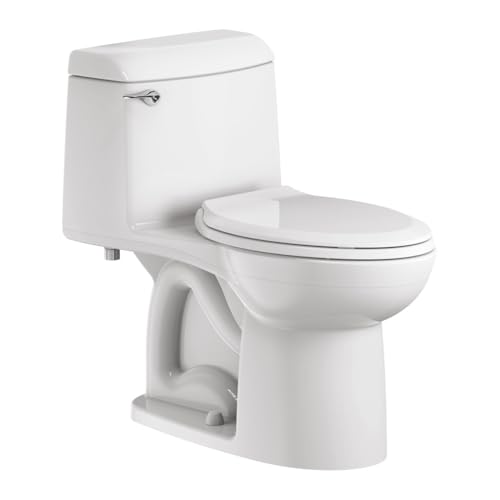
A 2.375 inch trapway, the widest here, paired with a 4 inch flush valve passes bulk that chokes narrower toilets. The choice when nothing else has stopped the clogs.
Compressed air drives water through the bowl for the most forceful flush you can install in a home, ideal for high-traffic and problem bathrooms. Louder, but it clears what gravity cannot.
Run these checks in order. Each one is quick, and stopping at the first that solves the problem saves you money and effort. This is the same logic a methodical plumber follows.
1. Test the flush with a known load
Flush a normal amount of paper and confirm the toilet actually backs up on an ordinary load rather than an unusually large one. This sets your baseline. If the clog only appears with very large paper wads or wipes, the cause is behavioral and the fix is changing what goes down the bowl. If the bowl chokes on a routine load, continue down the list.
2. Check the tank water level
Lift the lid and compare the water line to the overflow tube and the molded fill mark. If it sits low, raise the fill valve, flush again, and reassess. This single step resolves a large share of sudden clogging problems and costs nothing.
3. Inspect and replace the flapper
Watch the flapper during a flush. If it drops before the tank empties, or the rubber is stiff, warped or scaled, swap it for an inexpensive replacement. A toilet that flushes liquids cleanly but chokes on solids is the classic flapper signature.
4. Descale the rim and siphon jets
Check the rim holes and front siphon jet with a small mirror. If they are caked, clear the rim holes with wire and pour vinegar or descaler down the overflow tube overnight. This restores an even, forceful flush in hard-water homes without any new parts.
5. Rule out the drain line
Flush and watch nearby fixtures. Gurgling sinks, slow tubs or bubbling in the bowl mean the blockage is downstream, so auger the drain or call a professional. If only this toilet backs up and everything else runs clean, the fixture is the cause.
6. Read the toilet's specs
If the fixable causes are all ruled out, look up the toilet's trapway width, flush-valve size and MaP score. A narrow, unglazed trapway with a low MaP score is a fixture that was never built to resist clogs, and replacement with a wide-trapway, high-MaP model is the permanent answer.
Editorial Take
Resist the urge to jump straight to a new toilet. In the field, the order that solves the most clogs for the least money is water level, then flapper, then jet descaling, and only then the trapway and drain. We have seen homeowners replace a perfectly good fixture when a five dollar flapper or a free fill adjustment would have ended the problem. Replace the toilet only after you can point to the specific spec, a narrow trapway or a low MaP score, that makes it a chronic clogger. When you do replace, buy once: a 1,000 gram MaP score with a 2.125 inch or wider glazed trapway is the combination that ends the cycle.
Which is more reliable, gravity or pressure-assisted, for clogs?
For most homes, a strong gravity toilet with a 1,000 gram MaP score and a wide glazed trapway, such as the TOTO Drake, resists clogs reliably and flushes quietly. Pressure-assisted toilets like the Gerber Viper deliver more raw force for the toughest cases, but they are louder and have more parts to maintain, so reserve them for genuinely problem bathrooms.
Across the major brands, the pattern holds. TOTO leads on trapway glazing and flush engineering with the Drake, Drake II and UltraMax II. Kohler counters with the canister-valve Highline and Cimarron. American Standard offers the extra-wide Champion 4 and the value-priced Cadet 3, while Woodbridge, Swiss Madison and Gerber bring modern styling and pressure-assist options at a range of prices. Whichever brand you choose, the rule is the same: demand a high MaP score, a wide glazed trapway and a 3 inch or larger flush valve, and chronic clogs become very unlikely.
The bottom line
Stopping the clogs for good
A toilet that keeps clogging is sending a signal, not a curse. The cause is almost always specific and findable: a tank set below its fill line, a flapper closing early, scaled rim jets, a narrow trapway or a partial drain blockage. Work through them in order, starting with the free fixes, and most households solve the problem without replacing anything. When the diagnosis does point to the fixture, read the spec sheet and buy a model with a 1,000 gram MaP score and a wide glazed trapway, and the clogs stop being part of your life. Confirm the cause first, then check the current price on Amazon for whichever fix or replacement your diagnosis calls for.
Our Verdict
Diagnose before you spend. Set the tank to its fill line, replace an aging flapper, descale the jets, then rule out the drain line, in that order. Most recurring clogs end there for free or close to it. If the fixture itself is the bottleneck, the wide-trapway TOTO Drake with its 1,000 gram MaP flush is the permanent fix, with the American Standard Champion 4 or a pressure-assisted Gerber Ultra Flush for the toughest cases.
Manufacturer published specifications (TOTO, Kohler, American Standard)
FAQ
Toilet clogging questions answered
? Why does my toilet keep clogging even after I plunge it?
Plunging clears the immediate stoppage but does nothing about the cause, so the clog returns. If the toilet keeps backing up after repeated plunging, the underlying problem is a weak flush, a narrow or scaled trapway, or a partial blockage in the drain line. Work through the tank level, flapper and jet checks first, then rule out the drain, rather than plunging the same clog over and over.
? Why does my toilet clog when I did not flush much?
Clogging on a small load points to a mechanical fault rather than overload. The most likely causes are a low tank water level producing a weak flush, a worn flapper that cuts the flush short, or scaled rim jets that have throttled the water flow. Each of these is cheap to fix. If the toilet still chokes on light loads after those checks, a narrow trapway or a drain blockage is the next suspect.
? Can a low water level in the tank cause clogs?
Yes, and it is one of the most common causes. The toilet was engineered to flush with a specific water volume, and if the tank sits below its fill line, every flush is weaker than designed and struggles to carry a full load through the trapway. Raising the fill valve so the water reaches the molded fill mark, usually about half an inch below the overflow tube, restores the intended flush power for free.
? How do I know if my flapper is causing the clogs?
Watch the flapper during a flush. If it drops back down before the tank empties, the flush is being cut short and the bowl gets a weak partial flush. The classic symptom is a toilet that flushes liquids fine but chokes on solids, or one that clears better when you hold the handle down. A stiff, warped or scaled flapper should be replaced, which is inexpensive and quick.
? What is a trapway and why does it cause clogs?
The trapway is the curved internal channel that carries waste from the bowl, up over the weir and down to the drain. Its width sets the largest load that can pass without catching. A narrow trapway, around 2 inches, catches bulk that a 2.125 inch or wider channel would pass. If it is unglazed it also snags waste and accumulates scale that narrows it further over the years, turning a once-reliable toilet into a frequent clogger.
? Do low-flow 1.28 GPF toilets clog more often?
Not when you choose a well-designed one. Modern 1.28 GPF toilets use larger flush valves, redesigned trapways and engineered bowl geometry to match older 1.6 GPF models on MaP flush testing. A 1.28 GPF toilet with a high MaP score, like the TOTO Drake, resists clogs as well as any higher-water model. The clogging reputation comes from poorly designed early 1990s low-flow toilets, not from today's efficient standard.
? Why does my toilet clog and another in the house does not?
A clog isolated to one toilet usually means that fixture is the weak link, through a narrow trapway, a low MaP score, a worn flapper or scaled jets, while the others are built or maintained better. If both toilets and other drains act up together, the cause is more likely a shared drain line or vent problem downstream. Isolated clogging points to the fixture; whole-house symptoms point to the plumbing.
? Are flushable wipes safe to flush?
No, despite the label. Wipes marketed as flushable do not break down the way toilet paper does, so they snag in the trapway and drain line and build the base of recurring clogs. They are one of the most common causes of repeat clogs and main-line blockages. Keep a covered bin in the bathroom for wipes and hygiene products, and send only toilet paper and human waste down the bowl.
? How do I clear clogged rim jets on a toilet?
Check the rim holes under the bowl rim and the front siphon jet with a small mirror. Clear visible scale from the rim holes with a bent wire or a small nylon brush, then pour a cup of white vinegar or a commercial descaler down the overflow tube in the tank and leave it overnight before flushing. In hard-water homes, doing this periodically prevents the slow flush decline that leads to clogs.
? When is a clog a drain problem rather than a toilet problem?
The drain line is the cause when symptoms appear beyond the single toilet. Watch for slow draining in nearby sinks or tubs, gurgling or bubbling when another fixture empties, or glugging from the bowl during a flush. Those signal a partial main-drain or vent blockage that a new toilet cannot fix. If only one toilet backs up on a normal load while every other drain runs clean, the fixture is the problem.
? What MaP score should I look for to avoid clogs?
Aim for a MaP score of at least 600 grams for a typical home, 800 grams for strong performance, and the full 1,000 grams if the toilet has been clogging constantly. MaP, or Maximum Performance, measures the grams of solid waste a toilet clears in one flush and is the best predictor of flush strength. Pair a high MaP score with a wide, glazed trapway for genuine clog resistance.
? Will replacing my toilet stop the clogging?
Only if the fixture is the actual cause. Replacement ends the clogs when the old toilet has a narrow trapway, a low MaP score or an outdated weak flush design. It does nothing if the real problem is a partial drain-line blockage, a vent issue, or behavior like flushing wipes. Diagnose first: rule out the fixable tank, flapper, jet and drain causes before spending money on a new toilet.
? Why does my toilet clog more in winter?
Cold weather can stiffen aging flapper rubber so it seals or releases unevenly, and in homes on septic or with shallow lines, cold can slow how waste moves through the system. More often, winter clogs reflect heavier household use during indoor months rather than the season itself. Check the flapper and tank level, and if clogs persist year-round, treat it as a standard fixture or drain diagnosis.
? Can hard water make my toilet clog?
Yes, over time. Hard water deposits mineral scale inside the rim jets, the siphon jet and the trapway. Scaled jets weaken the flush, and a scaled trapway narrows the channel that carries waste, so a toilet that worked fine for years can gradually become a frequent clogger. Regular descaling with vinegar or a commercial product, and choosing a glazed trapway like TOTO's CeFiONtect, both help in hard-water homes.
? Does the bowl shape affect clogging?
The bowl shape matters less than the trapway and flush valve, but it plays a role. Bowls engineered with strong rinse channels and a well-placed siphon jet, such as TOTO's Tornado or double-cyclone systems, start the siphon more decisively and clear the bowl more completely. What truly drives clog resistance is the combination of a wide glazed trapway, a large flush valve and a high MaP score, regardless of whether the bowl is round or elongated.
? Is a pressure-assisted toilet better for chronic clogs?
It can be for the toughest cases. A pressure-assisted toilet, like the Gerber Ultra Flush, uses compressed air to force water through the bowl, producing the most forceful flush you can install in a home. That extra force clears loads that defeat gravity toilets. The trade-offs are a noticeably louder flush and more parts to maintain, so reserve pressure-assist for genuinely problem bathrooms rather than a normal home where a strong gravity toilet suffices.
? How often should a toilet clog before I worry?
An occasional clog from an unusually large load is normal. The line to worry about is when the toilet backs up on ordinary loads, clogs more than once or twice a month, or has steadily worsened over time. That pattern means a real cause is at work, whether a weak flush, a narrow trapway or a developing drain blockage, and it deserves a methodical diagnosis rather than repeated plunging.
? Can too much toilet paper cause repeat clogs?
Yes, especially thick or quilted paper used in large wads, and especially on a toilet with a weak flush or narrow trapway. The fix is partly behavioral, splitting large amounts into two flushes, and partly mechanical, since a high-MaP toilet with a wide trapway handles heavier paper loads without trouble. If your household genuinely needs to flush more paper, a stronger fixture is a better answer than constantly rationing.
? Should I call a plumber or fix the clogging myself?
Start with the DIY checks, since most recurring clogs trace to a low tank level, a worn flapper, scaled jets or flushing the wrong materials, all of which you can address yourself for little or no money. Call a plumber when multiple fixtures gurgle or drain slowly, which points to a drain-line or vent blockage, or when you have ruled out the fixable causes and need help confirming whether the toilet or the drain is at fault.
Derek researches plumbing specifications, installation requirements and parts availability, cross-checking manufacturer claims against owner-reported reliability. Rankings are based on documented data and real owner reports, never paid placement.
Updated August 2026 · Toilets
Keep reading
Related guides
Why Toilet Trapways Are Curved Like an S
Toilets
4.6
Learn why toilet trapways curve like an S, how each bend blocks sewer gas, and what the shape means for clogs and…