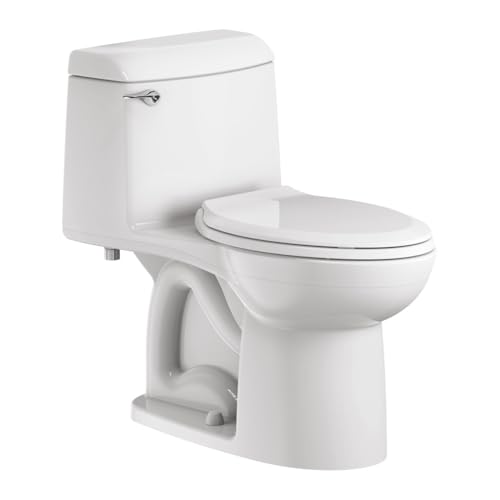

Toilet Tank Loose and Wobbly? How to Tighten It
Toilets4.6
A loose toilet tank usually means worn tank bolts. Here is how to check, tighten, and fix a wobbly tank without cracking…
Read the guideA complete guide to the normal flush cycle, common causes of abnormal water rise, and when you need to call a plumber.
Toilet water rises then goes down because the siphon effect created by the flush forces waste and water out of the bowl and into the drainpipe. A normal flush shows a brief rise as water enters the bowl, followed by a strong pull downward as the siphoning action engages. If the water rises dangerously high or fails to go down properly, the issue is usually a partial clog, blocked vent, or worn-out flapper.
The physics behind this is called the siphon effect. When you press the flush handle, the flapper lifts and water flows from the tank into the bowl through the rim jets and the siphon jet hole at the bottom of the bowl. The incoming water raises the bowl water level above the top of the trapway. Once the water level in the trapway is high enough, gravity pulls the water down the drainpipe, creating a vacuum (siphon) that sucks the rest of the bowl contents out.
As the bowl empties, the siphoning action breaks when air enters the trapway, and the bowl refills with a small amount of fresh water from the tank. This refill also seals the trapway to prevent sewer gases from entering the home. The entire process is designed to be self-cleaning and efficient.
A properly functioning toilet should show a water rise of no more than 1 to 2 inches above the normal water line. If the water comes within an inch of the rim or overflows, you likely have a partial clog or a blocked vent. The siphon effect requires a clear path to the main drain to work correctly.
Partial clogs are often caused by too much toilet paper, non-flushable wipes, or a buildup of mineral deposits and waste over time. The toilet still flushes, but the water level rises close to the rim and takes 10 to 30 seconds to go down completely. This is a warning sign that a complete clog may be developing.
Another cause is a blocked vent pipe. The vent system allows air to enter the drainpipes so water can flow freely. If the vent is clogged with leaves, debris, or even a bird's nest, the drain cannot equalize pressure, and the toilet will flush sluggishly with a high water rise. A gurgling sound from the toilet or nearby drains often accompanies a vent blockage.
To diagnose a partial clog versus a vent issue, flush the toilet while listening to other drains in the house. If the bathroom sink or shower gurgles when you flush, the vent is likely blocked. If only the toilet is slow, the clog is probably in the toilet trapway or the immediate drain line.
Gurgling is a classic sign of negative air pressure in the drain system. When the vent is blocked, the rush of water down the drain creates a vacuum that pulls air from the nearest available opening, which is often the toilet bowl. This air movement causes the water to bubble and gurgle as the toilet flushes.
If you notice gurgling only when you flush the toilet, the vent pipe serving that bathroom is likely clogged. If multiple drains in the house gurgle when the toilet flushes, the main vent stack or the main sewer line may be blocked. This is a more serious issue that can lead to sewage backups.
Do not ignore gurgling toilets. A blocked vent can cause sewer gases to enter your home, which is a health hazard. In severe cases, the negative pressure can suck water out of P-traps in sinks and showers, allowing those gases to escape. Call a plumber if you hear gurgling from multiple fixtures.
Step-by-step troubleshooting:
1. Use a flange plunger to create a tight seal over the toilet drain. Push and pull vigorously for 10 to 15 strokes. This often dislodges paper or soft clogs.
2. If plunging fails, insert a toilet auger into the bowl and crank the handle to push the cable through the trapway. Pull back to snag or break up the clog.
3. Remove the toilet from the floor to inspect the trapway for hard obstructions like a child's toy or a large wad of wipes.
4. Check the roof vent pipe for blockages. You can flush a garden hose down the vent to clear debris, but this is best left to a professional.
Preventive measures include using less toilet paper, never flushing wipes or feminine products, and cleaning the toilet with a descaling solution every few months if you have hard water. Mineral buildup inside the trapway can narrow the passage and cause slow flushes over time.
Many homeowners make the mistake of using chemical drain cleaners in toilets. These products can damage the wax ring and the porcelain finish, and they rarely clear solid blockages. Stick to mechanical methods like plunging and augering for toilet clogs.
If the flapper is old or warped, it may not lift high enough when the handle is pressed, reducing the volume of water entering the bowl. This weak flush may not fill the trapway enough to start the siphon, so the water rises slowly and then trickles down without a strong pull. Replacing the flapper is a cheap and easy fix.
Similarly, if the fill valve is adjusted to allow too much water into the bowl after the flush, the bowl water level will be too high. On the next flush, the water may rise dangerously close to the rim before the siphon engages. Adjust the fill valve so the water level is about 1/2 inch below the top of the overflow tube.
Always check the flapper first when you have a weak flush. A flapper that does not seal properly also wastes water by allowing the tank to leak into the bowl. This can increase your water bill by 10 to 20 percent. Replace the flapper every 2 to 3 years as preventive maintenance.
| Model | MaP Score | GPF | Flush Type | Trapway | Height | Best For | Check Price |
|---|---|---|---|---|---|---|---|
| TOTO Drake II CST454CEFG | 1000g | 1.28 | G-Max | 2 1/8 in | 16 1/8 in | Overall reliability | Check price |
| American Standard Champion 4 | 1000g | 1.28 | PowerWash | 2 3/8 in | 16 1/2 in | Large trapway | Check price |
| Kohler Highline K-3609 | 1000g | 1.28 | Class Five | 2 1/8 in | 16 1/2 in | Value and performance | Check price |
| Woodbridge T-0001 | 1000g | 1.28 | Dual flush | 2 1/8 in | 16 1/2 in | Modern design | Check price |
| Gerber Viper 21-555 | 1000g | 1.28 | Viper | 2 1/8 in | 16 1/2 in | Budget pick | Check price |
The models listed above all have MaP scores of 1000 grams, meaning they can flush a full pound of waste in a single flush without clogging. A larger trapway diameter (2 1/8 inches or more) also helps prevent blockages. The TOTO Drake II and American Standard Champion 4 are particularly well-regarded for their clog resistance in owner reviews.
For households with heavy use or multiple users, a toilet with a 3-inch flush valve (like the TOTO Drake II) provides a faster water dump and a stronger siphon start. This reduces the chance of a weak flush that leaves waste behind. All of these models are EPA WaterSense certified, using 1.28 GPF or less.
The trapway size is the single most important factor for clog resistance. A 2 3/8 inch trapway, as found in the American Standard Champion 4, is significantly larger than the standard 1 3/2-3/8-inch trapway in older toilets. If you frequently deal with slow flushes, upgrading to a toilet with a larger trapway is the best long-term solution.
Signs that you need professional help include:
- Water rises to the rim or overflows on every flush.
- The toilet drains very slowly or not at all after plunging.
- You hear gurgling from the toilet when you run water in the sink or take a shower.
- There is standing water in the shower or bathtub when the toilet is flushed.
- You notice a foul odor coming from the drains.
A blocked main sewer line is a serious issue that can cause raw sewage to back up into your home. This is not a DIY repair. A plumber will need to locate the blockage, which is often caused by tree roots, grease buildup, or collapsed pipes, and clear it with professional equipment.
If your toilet water rises and then goes down with a loud gurgle, and you also notice water backing up into the shower or tub, do not flush again. Call a plumber immediately. Repeated flushing can cause a full sewage backup that requires extensive cleanup and repair.
Water rises because the flush releases a large volume of water into the bowl in a few seconds, raising the water level above the normal line before the siphon effect pulls it down.
No, a slow drain after the water rises usually indicates a partial clog in the trapway or drainpipe. A normal flush should complete in 3 to 5 seconds.
Bubbling is caused by air trapped in the drain system, often due to a blocked vent pipe. The air escapes through the toilet bowl during the flush.
Yes, a blocked vent prevents air from entering the drain system, which slows the flow of water and causes the bowl to fill higher than normal.
The siphon effect is a vacuum created when water flows down the trapway. It pulls waste and water out of the bowl and into the drainpipe.
Start by plunging with a flange plunger. If that fails, use a toilet auger to clear the trapway. Check the flapper and fill valve for proper operation.
Water rising to the rim is a sign of a severe clog or a blocked vent. Do not flush again until the blockage is cleared to avoid overflow.
Yes, excessive toilet paper can create a partial clog that restricts water flow, causing the bowl to fill higher than normal before draining slowly.
MaP (Maximum Performance) score measures how many grams of waste a toilet can flush in a single test. A score of 1000g is the highest rating.
Yes, a larger trapway (2 1/8 inches or more) allows waste and paper to pass through more easily, reducing the chance of clogs and slow flushes.
Gurgling is caused by a blocked vent that creates negative air pressure in the drain system. Air is pulled through the toilet bowl, causing bubbles and gurgling.
Yes, a worn or warped flapper may not lift high enough, reducing the water volume released into the bowl and weakening the siphon effect.
The TOTO Drake II and American Standard Champion 4 are top-rated for clog resistance, with MaP scores of 1000g and large trapways.
Call a plumber if plunging and augering fail, if the toilet overflows, or if multiple drains in the house are slow or gurgling.
Toilet water rises then goes down as part of the normal siphon flush cycle. If the water rises too high or drains slowly, the cause is usually a partial clog, blocked vent, or worn flapper. Most issues can be resolved with a plunger or toilet auger, but persistent problems or gurgling drains require a professional plumber. For long-term reliability, choose a toilet with a large trapway and a MaP score of 1000g, such as the TOTO Drake II or American Standard Champion 4.
A loose toilet tank usually means worn tank bolts. Here is how to check, tighten, and fix a wobbly tank without cracking…
Read the guideWater stains on the ceiling under an upstairs bathroom point to a specific toilet leak source. Here is how to find it…
Read the guideFloat ball vs float cup fill valves explained: how each shuts off water, why float cups are the modern standard, and which…
Read the guide