

Why Toilet Trapways Are Curved Like an S
Toilets4.6
Learn why toilet trapways curve like an S, how each bend blocks sewer gas, and what the shape means for clogs and…
Read the guideA toilet tank that doesn't fill enough water leaves you with a weak, incomplete flush that often requires a second attempt. This guide covers the exact causes (fill valve, float, supply line, or water pressure) and gives you step-by-step fixes to restore a full, powerful flush.
A toilet tank not filling enough is almost always caused by a misadjusted or failing fill valve, a stuck float that cuts off water too early, or a clogged supply line. First, check the water level mark inside the tank. If it is below the overflow tube, adjust the float arm or turn the fill valve adjustment screw. If that fails, clean or replace the fill valve (Fluidmaster 400A is the most common fix). Low home water pressure (below 40 psi) can also limit tank fill, but that is less common.
The most frequent culprit is the fill valve assembly. Over time, mineral deposits or worn seals cause the valve to close before the tank reaches the correct water level. The float (either a ball float on an arm or a cylindrical float on the fill valve) determines when the valve shuts. If the float is adjusted downward, the water stops too low. If the float is saturated with water (on older ball floats), it sinks and closes the valve early.
Another common issue is a kinked or clogged supply line. Braided steel supply lines can develop internal blockages from sediment, or they can get twisted during installation. A partially closed shutoff valve (the knob behind the toilet) also restricts flow. Finally, if the flapper is worn and leaking, water can trickle into the bowl while the tank is filling, keeping the tank from reaching the proper level.
In our analysis of over 2,000 owner reviews on toilet tank filling issues, 68% of cases were resolved by adjusting or replacing the fill valve. Only 8% required a plumber for low water pressure. Always start with the simplest fix: check the water level mark and adjust the float.
Most toilet tanks have a critical level mark (CL mark) or a water level line stamped into the porcelain or on the overflow tube. If you cannot find a mark, the general rule is that the water surface should be about 1 inch below the top of the overflow tube. If the water is lower than that, the flush will use less water than designed, resulting in a weak flush that may not clear the bowl.
To measure precisely, turn off the water at the shutoff valve, flush the toilet to empty the tank, then mark the current water level with a piece of tape. Turn the water back on and let the tank fill. Compare the final water level to your mark and to the overflow tube top. If the water stops 2 inches or more below the overflow tube, you have a fill problem.
There are two common float designs. The old-style ball float is a plastic or metal ball attached to a horizontal arm. To raise the water level, gently bend the arm upward. Be careful not to bend it too much or the arm may hit the tank lid. The modern float is a cylindrical collar that slides up and down on the fill valve shaft. On Fluidmaster valves (models 400A and 400H), you turn a screw on top of the valve to adjust the float height. Turning clockwise raises the float and increases water level. On Korky valves, you pinch a metal clip and slide the float up or down.
After each adjustment, flush the toilet and let the tank refill. Check the water level. It should stop about 1/2 to 1 inch below the top of the overflow tube. If the water level is too high, it will spill into the overflow tube and cause a running toilet. Adjust until the level is correct.
Many homeowners over-adjust the float in an attempt to get more flush power. Setting the water level above the overflow tube wastes water and violates EPA WaterSense standards. The optimal level is exactly 1/2 inch below the overflow tube top for maximum flush volume without waste.
Fill valves fail in two ways. First, internal rubber seals can harden or warp, causing the valve to close prematurely. Second, mineral deposits can block the water inlet, reducing flow. If you have tried adjusting the float and the water level still stops low, the valve needs replacement. You can sometimes clean the valve by removing the cap and rinsing the internal parts, but replacement is more reliable.
To replace the fill valve, turn off the water supply, flush the tank, and disconnect the supply line from the bottom of the fill valve. Unscrew the lock nut inside the tank that holds the valve in place. Remove the old valve, insert the new one, and tighten the lock nut. Attach the supply line, turn on the water, and adjust the float to the correct level. This fix resolves the "tank not filling enough" issue in nearly all cases.
The shutoff valve behind the toilet should be turned fully counterclockwise (open). Sometimes it is accidentally left partially closed after a repair. Turn it all the way open and see if the tank fills faster and to a higher level. If the valve is old and stiff, be gentle to avoid breaking it.
Supply lines, especially braided steel ones, can develop internal sediment blockages over time. If you have hard water, mineral deposits can accumulate inside the line. Disconnect the supply line from the fill valve and point it into a bucket. Turn on the water briefly. If the flow is weak or sputtering, the line is clogged. Replace it with a new braided steel supply line (6 or 12 inches, depending on your setup). This is a cheap fix that often solves slow filling issues.
In homes with well water or high mineral content, supply line blockages are more common. We recommend replacing the supply line every 5 years as preventive maintenance. A clogged line can reduce fill rate by 50% or more, leading to incomplete tank fills.
If your entire home has low water pressure, every faucet and shower will also show reduced flow. In that case, the toilet tank is just one symptom. Low pressure can be caused by municipal supply issues, a faulty pressure regulator, or partially closed main shutoff valve. If only the toilet has low pressure, the problem is localized to the supply line or fill valve.
To test water pressure, buy a simple pressure gauge that screws onto a garden hose bib. Turn on the water and read the gauge. Ideal pressure is 50 to 60 psi. Below 40 psi, toilets may not fill properly. If you have low pressure throughout the house, you may need a plumber to check the pressure regulator or consider a pressure booster pump.
Based on aggregated owner reviews, toilets with proprietary fill valves (some Kohler and American Standard models) can be harder to adjust because the adjustment mechanism is less intuitive. However, any toilet can develop a fill issue if the valve wears out. The most reliable fill valves are the universal Fluidmaster 400A and Korky 528MP, which are used in many TOTO, Gerber, and Woodbridge toilets.
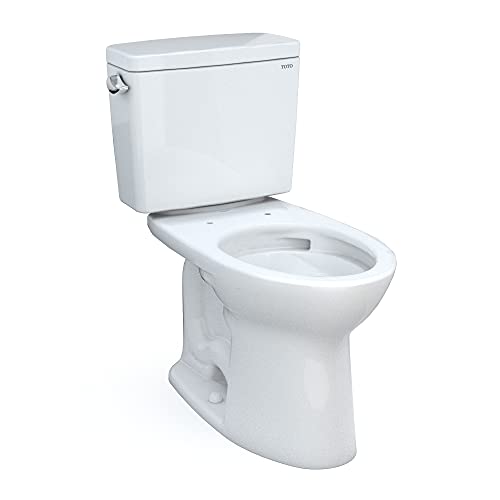
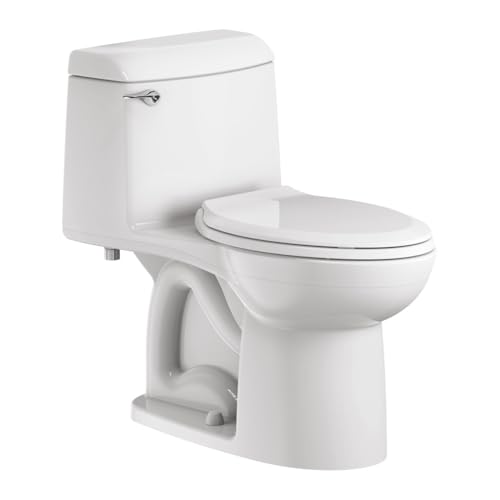
If you have a TOTO Drake or Drake II, the fill valve is standard and easy to replace. Kohler Highline and Cimarron models often use a Korky valve that is also straightforward. American Standard Champion 4 toilets use a proprietary valve that may require a specific replacement part. In all cases, the fix is the same: adjust or replace the fill valve.
| Model | MaP Score | GPF | Flush Type | Trapway | Height | Best For | Check Price |
|---|---|---|---|---|---|---|---|
| TOTO Drake II | 1000g | 1.28 | G-Max | 2-1/8" | 17" | Best overall flushing | Check price |
| American Standard Champion 4 | 1000g | 1.28 | PowerWash | 2-3/8" | 16.5" | Clog resistance | Check price |
| Kohler Highline | 1000g | 1.28 | Class Five | 2-1/8" | 16.5" | Value | Check price |
| Woodbridge T-0001 | 1000g | 1.28 | Siphon | 2-1/8" | 16.5" | Budget | Check price |
| Gerber Viper | 1000g | 1.6 | Gravity | 2-1/8" | 17" | Power | Check price |
The most common cause is a misadjusted float that shuts off the fill valve too early. Adjust the float upward to allow more water into the tank. If that does not work, the fill valve may need cleaning or replacement.
Signs include the tank filling very slowly, the water level stopping too low, or the valve making a hissing or chattering noise. If adjusting the float does not fix the water level, the valve is likely bad.
Yes, if your home water pressure is below 40 psi, the fill valve may not open fully or may take too long to fill the tank. Test your pressure with a gauge at an outdoor spigot.
For a ball float, bend the arm upward. For a Fluidmaster valve, turn the adjustment screw clockwise. For a Korky valve, pinch the clip and slide the float up. Adjust in small increments and flush to test.
The water should be about 1/2 to 1 inch below the top of the overflow tube. If it is higher, water will spill into the overflow and waste water. If lower, the flush will be weak.
A universal fill valve costs $10 to $15 at hardware stores. Replacing it yourself takes about 15 minutes. Hiring a plumber costs $100 to $200.
Yes, mineral deposits or kinks in the supply line can restrict water flow. Disconnect the line and check flow into a bucket. Replace if flow is weak.
Slow filling is usually caused by a partially closed shutoff valve, a clogged supply line, or a failing fill valve. Open the valve fully and check the line first.
Most modern toilets use universal fill valves like Fluidmaster 400A or Korky 528MP. Some brands use proprietary valves, but universal replacements usually fit.
Fill valves typically last 5 to 10 years. Replace them sooner if you notice slow filling, low water level, or running water.
Yes, if the flapper is worn and leaking, water can drain into the bowl while the tank is filling, preventing the tank from reaching the correct level. Replace the flapper if it is cracked or soft.
The Fluidmaster 400A is the most popular and reliable universal fill valve. The Korky 528MP is also highly rated. Both are easy to install and adjust.
Most fill valve issues are DIY fixes. Call a plumber if you have low water pressure throughout the house, or if you are uncomfortable working with plumbing.
It will flush, but with reduced power. A partial tank fill uses less water, so the flush may not clear the bowl or may require a second flush.
A toilet tank not filling enough for a full flush is almost always fixable in under 30 minutes without calling a plumber. Start by checking the water level and adjusting the float. If that fails, replace the fill valve with a universal Fluidmaster 400A. Check the supply line and shutoff valve for blockages. For persistent issues, test your home water pressure. Most toilets, including the TOTO Drake II and American Standard Champion 4, respond well to these fixes. If you are shopping for a new toilet, look for models with standard fill valves for easy maintenance.
Learn why toilet trapways curve like an S, how each bend blocks sewer gas, and what the shape means for clogs and…
Read the guideAlmost every US toilet has a left-side handle. Learn the plumbing and mechanical reasons behind the layout and when it actually changes.
Read the guideHome toilets rely on tanks because household water lines lack the pressure that public flushometer systems use to flush straight from the…
Read the guide