

Toilet Drainline Carry Explained
Toilets4.6
Drainline carry measures how far solid waste travels in a pipe after one flush. Learn what the MaP test measures and why…
Read the guideIf your toilet flushes slowly but is not clogged, the issue is almost always a weak flush caused by a faulty flapper, low water level in the tank, or a blocked rim feed jet. This guide provides step-by-step troubleshooting to restore full flushing power.
When a toilet flushes slowly but is not clogged, the most common cause is a water level that is too low in the tank, a worn flapper that closes too quickly, or mineral buildup in the rim jets. Replacing the flapper, adjusting the water level, and cleaning the rim jets usually solves the problem. If the issue persists, the toilet may have a weak flush design or a partial blockage in the trapway that is not a full clog.
A slow flush without a clog typically means there is not enough water entering the bowl fast enough, or the water is being released too slowly. Common reasons include a low water level in the tank, a faulty flapper that restricts flow, or blocked rim jets that reduce water pressure.
When you flush, the flapper lifts to allow water from the tank to rush into the bowl through the rim jets and the siphon jet. If the water level is below the fill line, less water is available to create the necessary siphon action. Similarly, a flapper that does not lift fully or closes prematurely will cut off the water flow. Mineral deposits from hard water can also clog the small holes in the rim, reducing the force of the flush.
In rare cases, the problem is a partial blockage in the trapway that allows water to pass but slows the flush. This can be caused by a buildup of waste or a foreign object. Check the toilet's trapway using a closet auger to rule out a hidden obstruction.
Many homeowners mistake a slow flush for a clog. The best first step is to remove the tank lid and flush while watching the water level. If the water drops below the flapper opening, the tank is not filling high enough. Adjust the fill valve to raise the water level to the marked line inside the tank.
Start by checking the water level in the tank and adjusting the fill valve if needed. Then inspect the flapper for wear or misalignment. Finally, clean the rim jets using a wire or a vinegar solution. These three steps resolve the vast majority of slow flush issues.
Follow these steps in order to diagnose and fix a slow flushing toilet:
A common mistake is using a flapper that is too large for the flush valve opening. This can cause the flapper to float unevenly and restrict water flow. Always match the flapper to the toilet model or use a universal kit that includes multiple sizes.
The most effective parts to replace are the flapper and the fill valve. A new flapper ensures a full release of water, while a new fill valve can increase the refill rate and water level. In some cases, upgrading to a higher-performance flush valve can also help.
If cleaning and adjustments do not work, replacing the internal components is the next step. Here are the parts to consider:
For toilets that are more than 10 years old, replacing the entire flush valve assembly is often more cost-effective than trying to fix individual parts. A new flush valve kit costs about $15 to $25 and can dramatically improve flush performance.
Yes, some toilet models are inherently weaker flushers due to smaller trapways, lower MaP scores, or older gravity-fed technology. If your toilet has a MaP score below 500 grams or a GPF of 1.6 or higher, it may struggle with solid waste even when perfectly maintained.
Older toilets, especially those made before 1994, often use 3.5 to 5 gallons per flush and have larger trapways. Modern 1.6 GPF toilets can be just as powerful if they have a wide trapway (2 inches or more) and a high MaP score. However, some budget models skimp on trapway diameter and flush valve size, leading to chronic slow flushes.
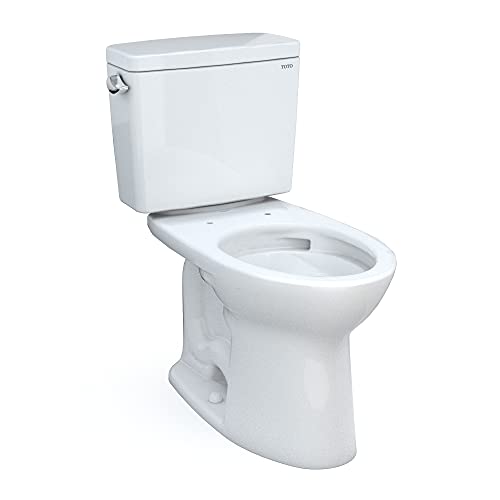
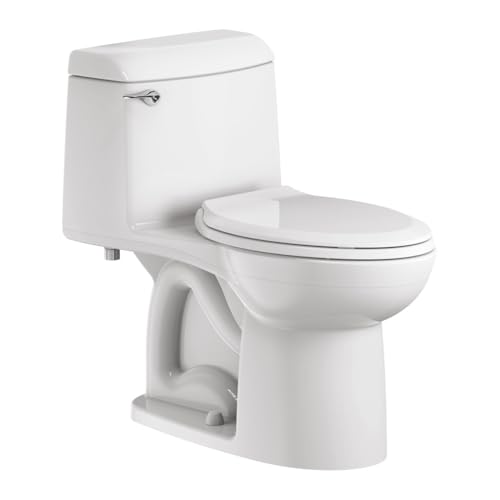
If you have already tried all the fixes above and the toilet still flushes slowly, the design may be the issue. In that case, upgrading to a high-performance model like the TOTO Drake II or American Standard Champion 4 is the best long-term solution. These toilets have MaP scores of 1,000 grams or more and are designed to flush powerfully with only 1.28 GPF.
| Model | MaP Score | GPF | Flush Type | Trapway | Height | Best For | Check Price |
|---|---|---|---|---|---|---|---|
| TOTO Drake II | 1,000 g | 1.28 | Gravity | 2-1/8 in | 16-1/8 in | Powerful flush | Check price |
| American Standard Champion 4 | 1,000 g | 1.28 | Gravity | 2-3/8 in | 16-1/2 in | Clog resistance | Check price |
| Kohler Highline | 800 g | 1.28 | Gravity | 2 in | 16-1/2 in | Value | Check price |
| Woodbridge T-0001 | 900 g | 1.28 | Gravity | 2-1/8 in | 16-1/2 in | Dual flush | Check price |
When choosing a new toilet to avoid slow flushes, look for a MaP score of at least 800 grams and a trapway diameter of 2 inches or more. The American Standard Champion 4 has the widest trapway at 2-3/8 inches, making it one of the most clog-resistant toilets on the market.
To clean rim jets, use a small wire or a paperclip to gently remove any debris from each hole under the rim. Then pour a mixture of equal parts white vinegar and water into the overflow tube and let it sit for 30 minutes. Flush to rinse. For stubborn deposits, use a commercial toilet cleaner that contains hydrochloric acid.
Blocked rim jets are a common cause of slow flushes because they reduce the water pressure that pushes waste down the trapway. Over time, mineral deposits from hard water can clog these small holes. Follow these steps for a thorough cleaning:
For toilets in areas with hard water, cleaning the rim jets every three months can prevent slow flushes from developing. Using a toilet bowl cleaner that contains citric acid can also help keep the jets clear between cleanings.
Call a plumber if you have tried all the DIY fixes and the toilet still flushes slowly, or if you suspect a hidden blockage in the main drain line. A plumber can use a camera to inspect the trapway and the waste pipe for partial blockages or damage.
Signs that you need professional help include:
These symptoms may indicate a problem with the main sewer line, such as a tree root intrusion or a collapsed pipe. A plumber can diagnose the issue and recommend the best course of action, which may include hydro-jetting or pipe repair.
If your toilet flushes slowly and you also notice that the water level in the bowl is unusually high or low, there may be a partial blockage in the trapway that requires a closet auger. A plumber can use a professional-grade auger to clear the blockage without damaging the porcelain.
The most common cause is a low water level in the tank, a faulty flapper, or blocked rim jets. These issues reduce the amount of water entering the bowl, resulting in a weak flush.
Locate the fill valve and adjust the float. For a float cup valve, pinch the clip and slide the cup upward to raise the water level. For a float ball, bend the arm upward slightly. The water level should be about 1/2 inch below the overflow tube.
Yes. A flapper that is worn, warped, or covered in mineral deposits may not lift fully or may close too quickly, restricting water flow. Replacing the flapper is a simple and effective fix.
Use a small wire or paperclip to gently remove debris from each hole under the rim. Then pour a cup of white vinegar into the overflow tube and let it sit for 30 minutes. Flush to rinse.
MaP stands for Maximum Performance. It measures how many grams of waste a toilet can flush in a single flush. A higher MaP score means a more powerful flush. Look for a score of at least 800 grams.
If the water level is low and adjusting the float does not help, the fill valve may be faulty. Replacing it with a new Fluidmaster or Korky valve can restore proper water level and flush power.
Yes. A partial blockage in the trapway or the main drain can slow the flush without causing a complete clog. Use a closet auger to check for hidden obstructions.
This may indicate a problem with the toilet's design or installation. Check that the wax ring is not blocking the outlet, and ensure the toilet is properly vented. A poorly vented toilet can cause slow flushes.
Replace the flapper every 2 to 3 years, or sooner if you notice signs of wear like cracking or mineral buildup. Silicone flappers last longer than rubber ones.
Yes. Hard water mineral deposits can clog the rim jets and the siphon jet, reducing water flow. Regular cleaning with vinegar or a descaler can prevent this.
The American Standard Champion 4 and TOTO Drake II are both excellent choices with MaP scores of 1,000 grams. They are designed to flush powerfully with only 1.28 GPF.
Some dual flush toilets have a weaker full flush compared to single flush models. Look for a dual flush toilet with a MaP score of 800 grams or more to ensure adequate performance.
Yes. A blocked vent can prevent air from entering the drain system, slowing the flush. Signs of a vent issue include gurgling sounds and slow draining in multiple fixtures.
DIY fixes cost under $20 for a new flapper or fill valve. If you need to call a plumber, expect to pay $100 to $300 for diagnosis and repair, depending on the issue.
A toilet that flushes slowly but is not clogged is almost always fixable with basic DIY steps. Start by checking the water level in the tank and adjusting the fill valve. Then replace the flapper if it is worn, and clean the rim jets to remove mineral deposits. If these steps do not work, the toilet may have a weak flush design that requires upgrading to a high-performance model like the American Standard Champion 4 or TOTO Drake II. For persistent issues, call a plumber to check for hidden blockages or vent problems.
Drainline carry measures how far solid waste travels in a pipe after one flush. Learn what the MaP test measures and why…
Read the guideToilet floor bolts spinning instead of tightening usually means a broken flange or stripped nut. Here is how to diagnose it and…
Read the guideShould tile run under the toilet or stop at the flange? Learn the right order, why it matters for leaks, and how…
Read the guide