Why Toilet Trapways Are Curved Like an S
Toilets4.6
Learn why toilet trapways curve like an S, how each bend blocks sewer gas, and what the shape means for clogs and…
Read the guideWhy your toilet lost flushing power after adding a water softener and how to restore a strong, clog-free flush.
A weak toilet flush after installing a water softener is almost always caused by air trapped in the supply line, a partially closed shutoff valve, or a clogged fill valve screen. Flushing the lines, checking the valve, and cleaning the fill valve filter usually restores full flush power. In rare cases, the softener’s backwash cycle may drop water pressure temporarily.
Air in the lines is a normal part of any plumbing change. After the softener is installed, the system is purged, but small air bubbles can remain trapped in the toilet supply line. When you flush, the air compresses instead of water, so the tank refills slowly or only partially. The result is a flush that lacks force.
Another possibility is that the shutoff valve behind the toilet was partially closed during installation and not fully reopened. Even a quarter turn closed can cut flow enough to weaken the flush. Check that the valve is fully open (counterclockwise until it stops).
“Air in the line is the #1 culprit after a water softener install. Run all faucets in the house for 2-3 minutes to purge air. If the toilet flush is still weak, the fill valve screen is likely clogged with debris stirred up during installation.”
Follow these steps in order:
If none of these steps work, the issue may be low water pressure from the softener itself. Some water softeners can reduce household water pressure during their backwash cycle. If the softener is regenerating at the same time you are using the toilet, the flush may be weak. Wait 30 minutes and try again.
Water softeners are actually beneficial for toilets over the long term. Hard water causes limescale deposits inside the trapway, which narrows the passage and reduces flush power. Soft water prevents this scaling. However, during initial installation, debris from the pipes or air in the lines can cause temporary problems.
One rare issue: if the softener is set to an extremely low bypass setting, it could reduce flow to the toilet. Check the softener’s bypass valve. It should be in the “service” position, not “bypass” or “off.”
“Soft water is better for toilets. It prevents the crusty mineral deposits that eventually clog the rim jets and trapway. If your flush is weak after installation, it is almost always a simple air or debris issue, not damage from the softener itself.”
A worn fill valve can fail to open fully, especially if debris scratched the internal seal. Replacing the fill valve is a simple DIY job. Turn off the water, flush the toilet, disconnect the supply line, and remove the old fill valve. Install the new one according to the instructions.
If the water pressure to the entire house dropped after the softener install, the softener may be too small for your household size or the pressure regulator may need adjustment. Most softeners have a pressure gauge. Normal household water pressure is 40-60 psi. If it is below 30 psi, the softener may be restricting flow.
Another possibility: the toilet’s trapway is partially clogged with debris that was dislodged during installation. This is rare but can happen. Use a closet auger to clear the trapway. Insert the auger into the toilet bowl and crank it through the trapway to break up any obstruction.
If you are considering a new toilet to pair with a water softener, look for models with a large trapway (2-1/8 inches or wider) and a high MaP score. These toilets flush reliably even with lower water pressure. The table below compares top models that work well with soft water.
| Model | MaP Score | GPF | Flush Type | Trapway | Height | Best For | Check Price |
|---|---|---|---|---|---|---|---|
| TOTO Drake II CST454CEFG | 1000g | 1.28 | Gravity Tornado Flush | 2-1/8" | 16-1/8" | Best overall with soft water | Check price |
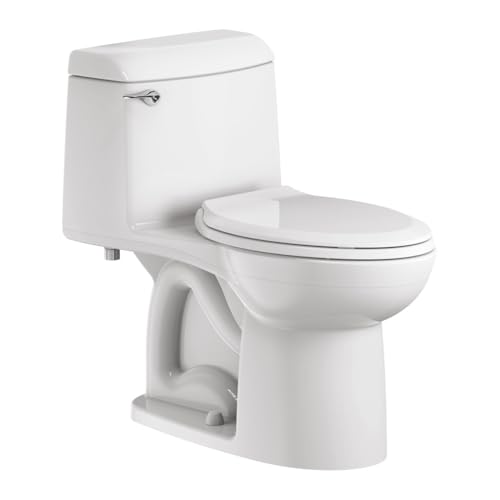
| American Standard Champion 4 | 1000g | 1.28 | Gravity Flush | 2-3/8" | 16-1/2" | Large trapway, clog resistance | Check price |
| Kohler Highline Classic | 1000g | 1.28 | Gravity Flush | 2-1/8" | 16-1/2" | Reliable with standard pressure | Check price |
| Gerber Viper | 1000g | 1.28 | Gravity Flush | 2-1/8" | 16-1/2" | Budget-friendly soft water option | Check price |
Here are preventive tips:
“Most weak flush issues after a water softener are solved in under 10 minutes. The key is to systematically check for air, valve position, and debris. If you have a pressure gauge, check that your house pressure is above 40 psi. Below that, the softener may be too restrictive.”
Water softeners are beneficial for toilets. Hard water causes mineral deposits that clog the rim jets and trapway, leading to weak flushes over time. Soft water prevents this. If you remove the softener, you will eventually have the same problem, but from limescale instead of air or debris.
If you have tried all the fixes above and the flush is still weak, the softener may be installed incorrectly. Check that the inlet and outlet pipes are connected correctly. Some softeners have a “service” and “bypass” position. If the bypass is partially open, it can restrict flow. Consult the installation manual or call a plumber.
Air in the supply line or a partially closed shutoff valve are the most common causes. Purge air by running faucets and check the valve is fully open.
Yes, if the softener is in regeneration mode or if the bypass valve is not fully open. Check the softener’s pressure gauge and bypass position.
Turn on all cold water faucets for 2-3 minutes. Flush the toilet several times. The air will purge through the faucets and toilet fill valve.
No, soft water actually extends fill valve life by preventing mineral buildup. However, debris from installation can temporarily clog the screen.
Turn off the shutoff valve, flush the toilet, unscrew the fill valve cap, remove the small screen, rinse it under water, and reassemble.
The TOTO Drake II with Tornado Flush is excellent. It uses gravity and a wide trapway, so it is less affected by water pressure changes.
Yes, if debris from installation gets into the fill valve, it can prevent the valve from closing fully. Clean the fill valve screen to fix this.
Usually 2-5 minutes of running faucets and flushing the toilet. If air persists, check for a kinked supply line.
It is safe but may cause clogs. Fix the issue promptly to avoid frequent plunging and potential overflow.
Try the DIY fixes first (purge air, check valve, clean screen). If the problem persists, call a plumber to check the softener installation.
No, using soft water does not void toilet warranties. Most manufacturers recommend soft water to prevent limescale damage.
This may coincide with the softener’s regeneration cycle. Check the softener timer and avoid using the toilet during regeneration.
It can if the softener is undersized or if the bypass valve is not fully open. Check the pressure gauge and consult the manual.
Measure pressure at a hose bib with a gauge. If it is below 40 psi, the softener may be restricting flow. Check the bypass valve and regeneration schedule.
A weak toilet flush after installing a water softener is a common but easily fixable problem. In nearly all cases, the cause is air in the supply line, a partially closed shutoff valve, or a clogged fill valve screen. These issues can be resolved in minutes without tools or plumbing experience. Water softeners are actually good for toilets, preventing hard water scale that eventually weakens flushes. If your flush remains weak after trying these fixes, check the softener’s bypass valve and pressure gauge. For the best performance with soft water, choose a gravity-fed toilet with a wide trapway like the TOTO Drake II or American Standard Champion 4.
Learn why toilet trapways curve like an S, how each bend blocks sewer gas, and what the shape means for clogs and…
Read the guideAlmost every US toilet has a left-side handle. Learn the plumbing and mechanical reasons behind the layout and when it actually changes.
Read the guideHome toilets rely on tanks because household water lines lack the pressure that public flushometer systems use to flush straight from the…
Read the guide