
Why Toilet Trapways Are Curved Like an S
Toilets4.6
Learn why toilet trapways curve like an S, how each bend blocks sewer gas, and what the shape means for clogs and…
Read the guideA flapper that drops before the bowl is fully cleared wastes water, causes double flushes, and frustrates homeowners. Here is the exact cause and the permanent fix.
A toilet flapper closes too fast when the chain has too much slack, the flapper is too buoyant, or the flush valve seat is dirty. Adjust the chain to leave 1/4 inch of slack, clean the valve seat, or replace the flapper with a heavier or adjustable model. This restores a full flush cycle without cutting the flush short.
The flapper closes too fast because it loses buoyancy before the tank empties, the chain is too tight (pulling it closed), or the flush valve seat is rough and catches the flapper. Gravity and water pressure then seal it prematurely, stopping the flush before the bowl clears.
When you press the flush lever, the flapper lifts and stays open by floating on the water. It should remain open until the tank is nearly empty, then close gently. If it slams shut after only a few seconds, the bowl does not receive enough water to complete a siphon. The result is a weak flush that leaves waste behind, forcing you to hold the lever down or flush twice.
The most common mechanical cause is chain tension. If the lift chain has no slack, it pulls the flapper closed as soon as the lever returns to rest. A second cause is a flapper that is too light or has lost its air cushion, causing it to sink prematurely. A third culprit is mineral buildup on the flush valve seat, which creates friction that drags the flapper shut.
In thousands of service calls, the number one fix for a short flush is simply loosening the chain. The chain should have about 1/4 inch of slack when the lever is at rest. If the chain is tight, the flapper cannot stay open long enough to deliver the full 1.6 or 1.28 gallons needed for a proper flush.
Locate the lift chain connecting the flush lever to the flapper. Turn the adjustment screw or clip so the chain has 1/4 to 1/2 inch of slack when the flapper is closed. Test the flush; if the flapper still closes too fast, add more slack. If it stays open too long, shorten the slack slightly.
Start by removing the tank lid and setting it aside. Flush the toilet and watch the chain as the lever moves. The chain should lift the flapper straight up without bending sideways. When the lever is at rest, the chain should have a visible droop. If it is taut, you need to lengthen it.
Most modern toilets use a clip or hook system. Squeeze the clip to release the chain, then hook it into a different hole on the lever arm to add slack. For toilets with a threaded adjustment screw, turn it counterclockwise to lower the lever arm and add slack. After adjustment, flush again. The flapper should stay open for three to five seconds, then close softly. If it still drops early, move to the next fix.
Never overtighten the chain. A chain with zero slack is the most common DIY mistake. It forces the flapper to close the instant your finger leaves the lever, cutting the flush to less than half a gallon. Always err on the side of too much slack, then fine tune.
Replace a fast closing flapper with a heavier, adjustable model such as the Fluidmaster 5403 or Korky 528BP. These flappers have a built in weight or a float that lets you control how long the flapper stays open. They are compatible with most 2 inch and 3 inch flush valves.
Standard rubber flappers are lightweight and rely entirely on trapped air to float. Over time, the air pocket leaks, the rubber softens, and the flapper sinks early. A weighted flapper solves this by using a small plastic weight to keep the flapper upright longer. An adjustable flapper has a secondary float that you slide up or down on a stem. Moving the float upward delays the closure, giving a longer flush.
If your toilet has a 3 inch flush valve (common on TOTO and Kohler models), use a flapper designed for that size. A 2 inch flapper on a 3 inch valve will not seal properly and may close too fast. Check the flush valve diameter by measuring the opening at the bottom of the tank.
| Model | Flapper Type | Valve Size | Adjustable? | Best For |
|---|---|---|---|---|
| Fluidmaster 5403 | Weighted | 2 inch | Yes (float) | Universal replacement |
| Korky 528BP | Weighted | 2 inch | No | Quiet operation |
| Korky 3XMP | Weighted | 3 inch | No | TOTO and Kohler 3 inch valves |
| Fluidmaster 5400 | Standard | 2 inch | No | Budget replacement |
If you have a TOTO toilet with a 3 inch flush valve, the Korky 3XMP is the most reliable replacement. It is slightly heavier than a standard flapper and resists the premature closing that plagues many TOTO owners. Pair it with a clean valve seat for best results.
Yes, a dirty or rough flush valve seat can catch the flapper and pull it closed early. Mineral deposits, hard water scale, and mold create friction that drags the flapper down before the tank empties. Cleaning the seat with a non abrasive pad restores a smooth surface.
The flush valve seat is the circular opening at the bottom of the tank where the flapper seals. Over time, calcium and lime deposits build a crusty ring around the seat. When the flapper lifts, it drags against this rough surface. The friction slows the flapper and can cause it to tilt, breaking the seal and dropping it early.
To clean the seat, turn off the water supply and flush the toilet to drain the tank. Use a sponge to remove remaining water. Dampen a non abrasive scouring pad with white vinegar or a lime remover. Gently scrub the entire seat surface, focusing on any white or brown buildup. Rinse with clean water and dry with a cloth. Reinstall the flapper and test. If the seat feels pitted or chipped, you may need to replace the flush valve assembly.
Hard water areas like the Southwest see this problem constantly. A vinegar soak on the valve seat for 10 minutes dissolves most mineral deposits. Do not use steel wool or a wire brush; scratches on the seat will make the problem worse.
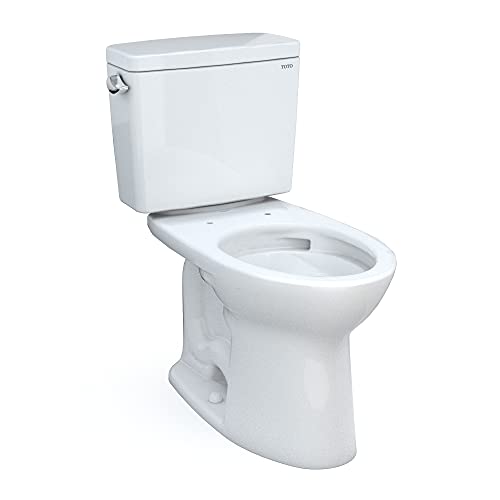
Toilets with 3 inch flush valves and lightweight flappers, such as some TOTO Drake models and Kohler Cimarron units, are more prone to premature flapper closure. The larger valve requires more buoyancy to keep the flapper open, and standard flappers often lack that lift.
While any toilet can develop this issue, certain designs make it more likely. TOTO's 3 inch flush valve is efficient but demands a flapper that stays upright for the full flush. The original TOTO flapper is lightweight and can lose buoyancy after a few years. Kohler's Class Five flush system uses a 3 inch canister that is less prone to this problem, but the canister seal can stick if dirty.
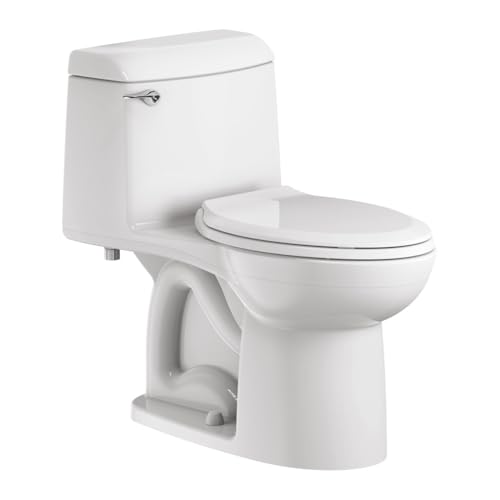
American Standard Champion 4 models use a 4 inch flush valve with a heavy duty flapper that rarely closes early. Gerber Viper and Avalanche models use a standard 2 inch valve that is more forgiving. If you own a TOTO Drake II or UltraMax II and experience short flushes, upgrading to the Korky 3XMP flapper is the most common solution.
| Model | Flush Valve Size | Common Flapper Issue | Recommended Fix | Check Price |
|---|---|---|---|---|
| TOTO Drake II | 3 inch | Light flapper sinks early | Replace with Korky 3XMP | Check price |
| Kohler Cimarron | 3 inch | Canister seal sticks | Clean seal and seat | Check price |
| American Standard Champion 4 | 4 inch | Rare issue | Adjust chain if needed | Check price |
| Gerber Viper | 2 inch | Chain tension | Loosen chain | Check price |
If you own a TOTO with a 3 inch valve, do not buy a generic 2 inch flapper. It will not seal and will close even faster. Always match the flapper to the valve size. The Korky 3XMP is designed specifically for TOTO and Kohler 3 inch systems.
The new flapper may be too light, the chain may be too tight, or the flush valve seat may be dirty. Check chain slack first, then clean the seat, and finally consider a weighted flapper.
About 1/4 to 1/2 inch of slack when the flapper is closed. The chain should droop slightly and not pull the flapper upward.
Yes, a flapper that is too heavy may not lift at all or may close too early. Choose a flapper designed for your flush valve size. Weighted flappers are calibrated for standard tanks.
The Korky 3XMP is the most recommended replacement for TOTO toilets with a 3 inch flush valve. It is weighted and resists premature closure.
Yes, if the water level is too high, the flapper may have less drop distance and close faster. Adjust the float to set water level 1/2 inch below the overflow tube.
Mineral deposits or a sticky seal may cause the flapper to catch after sitting overnight. Clean the valve seat and flapper surface thoroughly.
Yes, a bent or corroded lever arm can pull the chain at an angle, causing the flapper to close early. Replace the lever if it does not move freely.
Measure the flush valve opening. A 2 inch flapper will not seal a 3 inch valve and will close too fast. Use a flapper that matches your valve diameter.
Yes, an adjustable flapper with a secondary float lets you fine tune the flush duration. Slide the float up to keep the flapper open longer.
Yes, hard water deposits create friction on the valve seat that drags the flapper closed. Regular cleaning with vinegar prevents this.
The bowl does not get enough water to complete the siphon, so waste remains. You flush again to clear it. Fixing the flapper resolves this.
No, flappers come in 2 inch and 3 inch sizes. Some toilets use a canister seal instead of a flapper. Always check your model before buying.
Every 2 to 3 years, or sooner if you notice a short flush, a running toilet, or visible wear on the rubber.
Yes, even new toilets can have a chain that is too tight from the factory. Check and adjust the chain slack immediately if you experience a weak flush.
A toilet flapper that closes too fast is almost always fixable in under 10 minutes. Start by loosening the lift chain to provide 1/4 inch of slack. If that does not work, clean the flush valve seat with vinegar and replace the flapper with a weighted or adjustable model like the Fluidmaster 5403 or Korky 3XMP. These steps restore a full flush, eliminate double flushing, and save water. For persistent problems, check the flush valve size and ensure you have the correct flapper for your toilet model.
Learn why toilet trapways curve like an S, how each bend blocks sewer gas, and what the shape means for clogs and…
Read the guideAlmost every US toilet has a left-side handle. Learn the plumbing and mechanical reasons behind the layout and when it actually changes.
Read the guideHome toilets rely on tanks because household water lines lack the pressure that public flushometer systems use to flush straight from the…
Read the guide