
Why Toilet Trapways Are Curved Like an S
Toilets4.6
Learn why toilet trapways curve like an S, how each bend blocks sewer gas, and what the shape means for clogs and…
Read the guideA weak flush leads to double flushing, clogs, and frustration. This guide explains how to diagnose and fix low flush power using adjustments, parts swaps, and hardware upgrades for any toilet type.
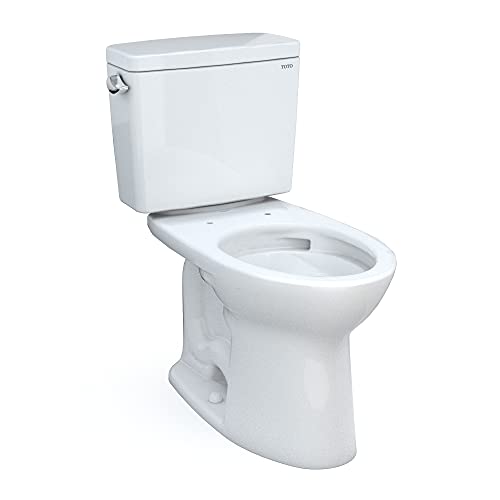
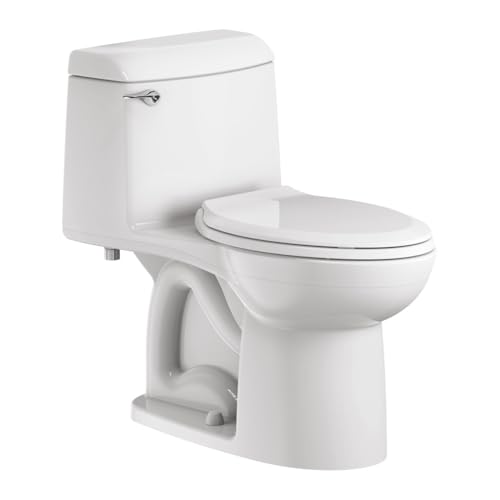
To increase toilet flush power, start by checking the water level in the tank and adjusting the fill valve to the marked line. If the flush is still weak, clean the rim jets and siphon jet with a wire or vinegar, and replace the flapper if it is worn. For a permanent fix, install a pressure-assisted or gravity-flush toilet with a MaP score of 800 grams or higher, such as the TOTO Drake II or American Standard Champion 4.
The most common cause of a weak flush is insufficient water volume entering the bowl. When the tank water level is set below the manufacturer’s mark, the flush lacks the weight and velocity needed to clear waste. Check the water level inside the tank; it should be about 1/2 inch below the top of the overflow tube. Adjust the fill valve by turning the adjustment screw or moving the float arm to raise the water level.
Clogged rim jets and siphon jets are the second most frequent issue. Over time, calcium and rust particles block the small holes under the rim and the larger hole at the bottom of the bowl. Use a small wire or a zip tie to gently clear each jet, then pour a cup of white vinegar into the overflow tube and let it sit for 30 minutes before flushing. This dissolves mineral deposits and restores flow.
Many homeowners replace the flapper first, but the real fix is often simply raising the water level. A flapper that does not seal properly causes a silent leak that lowers the tank water level. Replace the flapper if it feels spongy or does not snap back into place.
Start with the simplest fix: adjust the fill valve to raise the water level to the top of the overflow tube. Most fill valves have a clip or screw that allows height adjustment. If the water level is already correct, check the flapper. A worn flapper allows water to trickle into the bowl, reducing the volume available for the flush. Replace it with a universal flapper designed for high flow, such as the Fluidmaster 5403 or Korky 3030BP.
If the flush still lacks force, clean the siphon jet at the bottom of the bowl. Use a small mirror to inspect the jet hole; if it is crusted with mineral deposits, scrub it with a wire brush or use a jet cleaning tool. Pouring a gallon of hot water (not boiling) directly into the bowl can also help dislodge debris. For stubborn blockages in the trapway, use a closet auger to break up or retrieve the obstruction.
A toilet auger is a better tool than a plunger for clearing trapway clogs. Insert the auger into the bowl opening and crank the handle to navigate the trap. This restores full flow without damaging the porcelain.
Pressure-assisted toilets use compressed air to force water into the bowl at high velocity. They are louder than gravity models but virtually never clog. The Gerber Avalanche and Kohler Wellworth Pressure Lite are common options. Gravity-flush toilets with a 3-inch flush valve allow more water to enter the bowl quickly, creating a stronger siphon. The TOTO Drake II uses a 3-inch flush valve and a wide 2-1/8 inch trapway to achieve a MaP score of 1,000 grams.
The table below compares the most powerful gravity-flush toilets available. All models listed meet EPA WaterSense criteria of 1.28 GPF or less.
| Model | MaP Score | GPF | Flush Type | Trapway | Height | Best For | Check Price |
|---|---|---|---|---|---|---|---|
| TOTO Drake II | 1,000g | 1.28 | Gravity (3-inch) | 2-1/8 in | 16-1/8 in | Maximum clog resistance | Check price |
| American Standard Champion 4 | 1,000g | 1.28 | Gravity (4-inch) | 2-3/8 in | 16-1/2 in | Large waste clearance | Check price |
| Kohler Highline | 800g | 1.28 | Gravity (3-inch) | 2 in | 16-1/2 in | Reliable everyday use | Check price |
| Gerber Avalanche | 1,000g | 1.28 | Pressure-assisted | 2-1/4 in | 16-1/2 in | Commercial-grade power | Check price |
| Woodbridge T-0001 | 800g | 1.28 | Gravity (3-inch) | 2 in | 16-1/2 in | Budget-friendly upgrade | Check price |
For homeowners who want the absolute best performance, the TOTO Drake II and American Standard Champion 4 are the most recommended models. Both have a MaP score of 1,000 grams and a trapway diameter over 2 inches. The Champion 4 uses a 4-inch flush valve that delivers a massive surge of water. The Drake II uses TOTO’s Tornado Flush system with two nozzles that create a centrifugal rinse.
Pressure-assisted toilets are the most powerful option, but they are louder and cost more to maintain. For most homes, a gravity-flush toilet with a 3-inch or 4-inch valve and a MaP score of 800 grams or higher provides the best balance of power, noise, and reliability.
Step 1: Adjust the water level. Remove the tank lid and look for a water level mark on the overflow tube. The water should be 1/2 inch below the tube top. Bend the float arm or turn the fill valve adjustment screw to raise the water level. For Fluidmaster valves, turn the adjustment ring clockwise.
Step 2: Clean the jets. Use a small screwdriver or wire to clear each rim jet hole under the rim. Then pour 1 cup of white vinegar into the overflow tube and let it sit for 30 minutes. Flush several times to rinse. For the siphon jet at the bottom of the bowl, use a jet cleaning tool or a stiff brush.
Step 3: Replace the flapper. A flapper that does not seal causes a slow leak. Remove the old flapper and take it to the hardware store for a match. Install a new universal flapper and adjust the chain so there is 1/2 inch of slack.
Step 4: Auger the trapway. Insert a closet auger into the bowl and crank the handle to navigate the trap. Pull back any debris. Flush to test.
Step 5: Replace the fill valve. If the tank still does not fill to the correct level, the fill valve may be failing. Install a new Fluidmaster 400A or Korky universal fill valve. This is a simple DIY job that takes 15 minutes.
If you have tried all five steps and the flush is still weak, the toilet likely has a design limitation. Older toilets with 1.6 GPF and small trapways cannot match modern high-efficiency models. Upgrading to a toilet with a MaP score of 800 grams or higher is the only permanent solution.
The flapper is the most common part that fails. Over time, rubber degrades and loses its seal. Replace it with a high-flow model like the Korky 3030BP or Fluidmaster 5403. The fill valve should be replaced if the tank water level is inconsistent or the valve makes a hissing sound. The Fluidmaster 400A is a durable choice that fits most toilets.
Upgrading the flush valve from a standard 2-inch to a 3-inch or 4-inch valve requires replacing the entire flush valve assembly. This is a more involved repair but dramatically increases flush power. Kits are available for most toilet brands. The American Standard Champion 4 uses a 4-inch flush valve that delivers 50% more water per second than a 2-inch valve.
Replacing the flush valve is the most effective single upgrade for an older toilet. A 3-inch valve allows the tank to empty faster, creating a stronger siphon. This is the same technology used in modern high-performance toilets.
The TOTO Drake II uses the Tornado Flush system, which employs two powerful nozzles to create a centrifugal rinse that cleans the bowl without streaks. It has a 3-inch flush valve and a glazed trapway that resists clogs. Owner reviews consistently report that it clears waste in a single flush, even with large loads.
The American Standard Champion 4 uses a 4-inch flush valve and a 2-3/8 inch trapway, the largest in the industry. It is designed to flush a 1-inch ball of solid waste without clogging. Its MaP score of 1,000 grams matches the Drake II, and it is often praised for its quiet operation and durable construction.
Both the TOTO Drake II and American Standard Champion 4 are excellent choices. The Drake II is slightly more efficient with water, while the Champion 4 has a larger trapway. For homes with frequent clogs, either model will eliminate the problem.
Yes, raising the float increases the water level in the tank, which adds more weight and force to the flush. Adjust the float arm or fill valve screw to raise the water level to the manufacturer’s mark.
Not necessarily. A 1.6 GPF toilet may flush weaker than a 1.28 GPF toilet if it has a small trapway or poor bowl design. MaP score is a better measure of flush power than GPF alone.
Use a small wire or a zip tie to gently push through each rim jet hole. Then pour a cup of white vinegar into the overflow tube and let it sit for 30 minutes before flushing.
Yes, a worn flapper leaks water and lowers the tank level. A new flapper restores the correct water volume and improves flush force.
MaP stands for Maximum Performance. It measures how many grams of waste a toilet can flush in one test. A score of 800 grams or higher indicates strong flush power.
Yes, pressure-assisted retrofit kits are available, but they require professional installation. The tank becomes pressurized and louder. Most homeowners prefer upgrading to a new pressure-assisted toilet.
Check the water level, clean the jets, replace the flapper, and auger the trapway. If these steps fail, the toilet may need a new fill valve or flush valve.
Yes, a 3-inch flush valve allows more water to enter the bowl faster, creating a stronger siphon. Most modern high-performance toilets use 3-inch or 4-inch valves.
Yes, hard water deposits clog the rim jets and siphon jet, reducing water flow. Regular cleaning with vinegar or a descaling product prevents this.
A plunger can clear a partial clog that restricts flow, but it will not fix a weak flush caused by low water level or clogged jets.
The TOTO Drake II and American Standard Champion 4 are the best for avoiding clogs. Both have MaP scores of 1,000 grams and large trapways.
Choose 1.28 GPF for water savings and modern performance. High-efficiency toilets now flush as well as or better than older 1.6 GPF models.
Replace the flapper every 3 to 5 years, or sooner if it feels spongy or does not seal. Hard water can accelerate wear.
Toilet booster additives are not recommended. They can damage rubber seals and void warranties. Mechanical fixes are more reliable.
A weak flush is almost always fixable with simple adjustments or part replacements. Start by raising the water level and cleaning the jets. If the toilet is old or has a small trapway, upgrading to a model with a MaP score of 800 grams or higher, such as the TOTO Drake II or American Standard Champion 4, is the best long-term solution. These toilets combine powerful flushing with water efficiency and are backed by strong owner reviews.
Learn why toilet trapways curve like an S, how each bend blocks sewer gas, and what the shape means for clogs and…
Read the guideAlmost every US toilet has a left-side handle. Learn the plumbing and mechanical reasons behind the layout and when it actually changes.
Read the guideHome toilets rely on tanks because household water lines lack the pressure that public flushometer systems use to flush straight from the…
Read the guide