
Why American Toilets Hold So Much More Water
Toilets4.6
American toilets keep a deep water pool because of siphonic trapway design. See why European bowls stay nearly dry and what that…
Read the guideA complete guide to flushing your toilet without running water, covering bucket flushing, tank pouring, and emergency techniques for any toilet type.
To flush a toilet with the water off, pour a bucket of water (2-3 gallons) directly into the bowl from waist height to trigger the siphon. For tank-based toilets, you can also manually lift the flapper and pour water into the tank. Avoid flushing if the bowl is already full of waste to prevent overflow. These methods work on all standard toilets, including TOTO, Kohler, and American Standard models.
You can flush a toilet without running water by pouring a bucket of water directly into the bowl or by manually filling the tank. The bucket method is the most reliable and works on all gravity-flush toilets. For toilets with a pressure-assist system, you may need to pour water directly into the bowl rather than the tank.
When the main water supply is shut off due to repairs, a frozen pipe, or a municipal outage, your toilet becomes a non-functional basin. Fortunately, the physics of a toilet flush relies on gravity and siphon action, not water pressure. You can replicate the flush by adding water manually.
The most common method is the bucket flush. Fill a 2-3 gallon bucket with water from a reserve (rain barrel, pool, or melted snow) or from another source like a bathtub. Pour the water directly into the toilet bowl from a height of about 12-18 inches. The force of the water entering the bowl will push waste through the trapway and initiate the siphon. For best results, pour quickly and steadily. If the bowl is empty, you can pour directly into the bowl. If the bowl already contains waste, pour gently at first to avoid splashing, then increase the pour speed.
Pouring water directly into the bowl is more effective than pouring into the tank because it creates immediate siphon action. The tank method works but requires more water and may not generate enough force for a full flush if the flapper doesn't seal properly.
The best method for flushing a toilet with a bucket is to pour 2-3 gallons of water directly into the bowl from waist height in one continuous motion. This creates the necessary pressure to trigger the siphon and clear the bowl. Avoid pouring too slowly, as this may not generate enough force.
Bucket flushing is the go-to technique for emergency situations. It requires no tools and works on virtually every toilet model. Here is a step-by-step breakdown:
If the toilet does not flush completely, you may need to pour a second bucket. Some toilets require more water volume, especially older models with larger trapways. For toilets with a MaP score of 600 or higher, such as the TOTO Drake II or American Standard Champion 4, one bucket is usually sufficient.
For toilets with a larger trapway (2-1/8 inches or more), you may need up to 3 gallons to achieve a full siphon. The TOTO Drake II has a 2-1/8 inch trapway and a MaP score of 1000, meaning it can handle solid waste easily with a bucket flush.
Yes, you can flush a toilet by pouring water into the tank, but it is less efficient than the bowl method. You need to pour enough water to fill the tank to its normal operating level, then manually lift the flapper to release the water. This method requires more water and may not produce a strong flush.
The tank method is useful if you have a bucket but cannot pour directly into the bowl due to a high waste level. Here is how to do it:
This method is less reliable because the water flow from the tank is slower than a direct pour into the bowl. The siphon may not engage if the water does not enter the bowl quickly enough. For pressure-assist toilets, such as the Kohler Wellworth Pressure Lite, never pour water into the tank. These systems are sealed and require professional servicing. Instead, pour directly into the bowl.
For dual-flush toilets like the American Standard H2Option, the tank method can work but may only activate the partial flush. To get a full flush, pour water directly into the bowl or ensure the tank is completely full before lifting the flapper.
If the toilet bowl is already full of waste, do not pour water into the bowl immediately. You risk overflow. Instead, use a plunger to break up the waste, then pour water slowly. Alternatively, you can scoop out some waste into a bag before attempting to flush.
An overflowing toilet is a messy and unsanitary situation. When the water is off, you cannot rely on the tank to refill and dilute the waste. Here is the safe procedure:
For toilets with a larger trapway, such as the Woodbridge T-0001 (2-1/8 inch trapway), the risk of clogging is lower, but overflow is still possible. Always err on the side of caution. If you have a septic system, avoid using chemical additives to break down waste, as they can harm the bacterial balance.
The Gerber Viper has a 2-1/8 inch glazed trapway and a MaP score of 1000, making it one of the most clog-resistant toilets. Even with a full bowl, a bucket flush is usually sufficient without needing to scoop waste.
If the flapper or fill valve is broken, you can still flush by pouring water directly into the bowl. The bowl method bypasses the tank entirely. For toilets with a broken flapper that won't seal, you can also manually hold the flapper open while pouring water into the tank.
A broken flapper means the tank cannot hold water, making the tank method ineffective. Similarly, a faulty fill valve will not allow the tank to refill after a flush. In these cases, the bowl method is your only option.
To flush with a broken flapper:
For toilets with a broken fill valve, the tank will not refill after flushing. This is not an issue for a single emergency flush, but if you need to flush multiple times, you will need to manually refill the tank each time using a bucket.
Swiss Madison St. Tropez toilets use a standard 3-inch flapper, which is less prone to failure than older 2-inch flappers. If you have a St. Tropez model, the tank method is more reliable even with a worn flapper.
The best toilets for emergency flushing without water are those with large trapways (2-1/8 inches or more) and high MaP scores (800+). Models like the TOTO Drake II, American Standard Champion 4, and Gerber Viper require less water volume to achieve a full siphon, making bucket flushing more effective.
Not all toilets are created equal when it comes to manual flushing. Toilets with a larger trapway and a wider flush valve allow water to flow more freely, reducing the amount of water needed to trigger the siphon. Here are the top picks for emergency flushing:
| Model | MaP Score | GPF | Flush Type | Trapway | Height | Best For | Check Price |
|---|---|---|---|---|---|---|---|
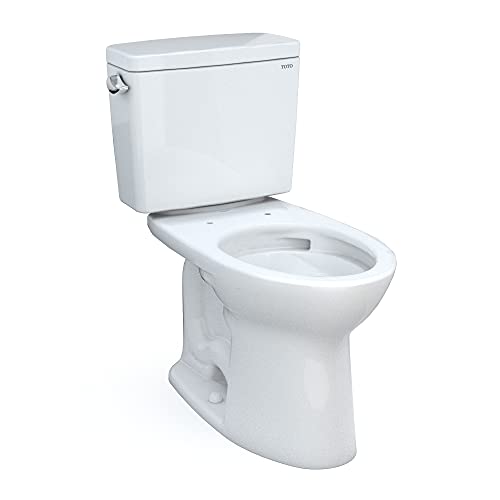
| TOTO Drake II | 1000 | 1.28 | Gravity | 2-1/8 in. | 16-1/8 in. | Emergency bucket flushing | Check price |
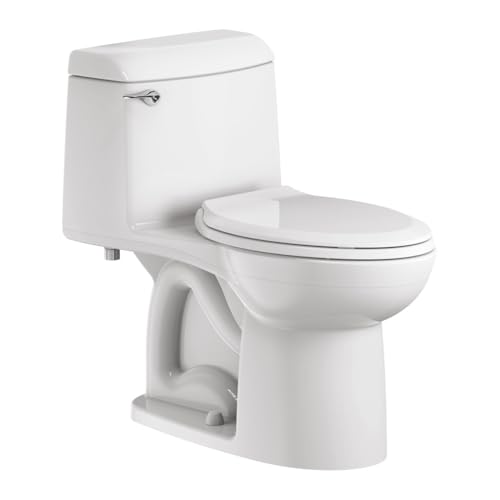
| American Standard Champion 4 | 1000 | 1.28 | Gravity | 2-3/8 in. | 16-1/2 in. | High waste volume | Check price |
| Gerber Viper | 1000 | 1.28 | Gravity | 2-1/8 in. | 16-1/2 in. | Clog resistance | Check price |
| Kohler Highline | 800 | 1.28 | Gravity | 2 in. | 16-1/2 in. | Reliable siphon | Check price |
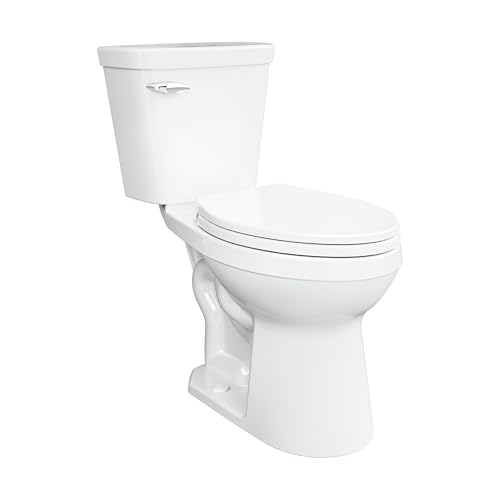
| Woodbridge T-0001 | 1000 | 1.28 | Gravity | 2-1/8 in. | 16-1/2 in. | Quiet flush | Check price |
The TOTO Drake II is the top choice because of its 2-1/8 inch fully glazed trapway and high MaP score. It requires only 2 gallons of water via bucket to achieve a full flush. The American Standard Champion 4 has an even larger trapway at 2-3/8 inches, making it extremely forgiving with manual flushing. The Gerber Viper is a budget-friendly option with similar performance.
For the most reliable emergency flush, choose a toilet with a trapway diameter of 2-1/8 inches or more and a MaP score of 1000. These toilets are designed to handle large waste loads with minimal water, which translates directly to better bucket flushing performance.
Yes, you can use gray water (from sinks, showers, or laundry) and rainwater to flush a toilet. These water sources are safe for flushing as long as they do not contain harsh chemicals or large debris. Avoid using water with bleach, fabric softener, or oil-based products.
During a water outage, you may have access to gray water from your own home. Collect water from bathtubs, shower pans, or sink basins. Rainwater from a barrel or downspout is also excellent for flushing. Here are some guidelines:
If you have a septic system, be cautious with gray water containing bleach or antibacterial soaps, as they can kill beneficial bacteria. For municipal sewer systems, gray water is generally safe. Always store flushing water in clean containers to avoid introducing contaminants into the toilet bowl.
Rainwater is the best alternative source for flushing because it is free of chemicals and minerals. If you live in an area with frequent water outages, consider installing a rain barrel specifically for emergency flushing. A 50-gallon barrel can provide 15-20 flushes.
In commercial or public buildings, flush toilets without water by using the manual flush button or lever if available. For pressure-assist toilets, pour water directly into the bowl. Never attempt to open the pressure vessel. For wall-hung toilets, use the bucket method as with standard toilets.
Commercial toilets often use different flushing mechanisms than residential models. Here is how to handle each type:
In a public building, you may also find composting or incinerating toilets that do not require water. These are rare but worth noting. If you are in a commercial setting and the water is off, the bucket method is universally applicable.
For pressure-assist toilets like the Kohler Wellworth Pressure Lite, never attempt to open the tank. The pressure vessel can cause injury. Always use the bowl method for these toilets.
Always wear gloves and eye protection when handling waste. Avoid overfilling the bowl to prevent overflow. If the toilet does not flush after two buckets, stop and check for a clog. Never flush non-biodegradable items like wipes or paper towels, as they can cause blockages.
Flushing without water involves handling human waste, which poses health risks. Follow these safety tips:
If you have a septic system, be mindful of the volume of water you use. Excessive bucket flushing can overload the septic tank. Spread out flushes over time if possible.
For households with young children, consider keeping a dedicated emergency flushing kit with gloves, a bucket, and a plunger. This ensures you are prepared without scrambling for supplies during an outage.
Yes, pouring 2-3 gallons of water directly into the toilet bowl from waist height will trigger the siphon and flush the toilet. This works on all standard gravity-flush toilets.
Most toilets require 2-3 gallons of water for a full flush. High-efficiency toilets with large trapways may flush with as little as 1.5 gallons.
Yes, but it is less efficient. Fill the tank to the normal level, then lift the flapper. The bowl method is more reliable.
Do not pour water directly. Use a plunger to break up waste, then pour slowly. If necessary, scoop out waste into a bag before flushing.
Yes, chlorinated pool water is safe for flushing in small amounts. Avoid water with high levels of algaecide or shock treatments.
Pour water directly into the bowl. Do not pour into the tank, as the pressure vessel is sealed and can be dangerous.
Yes, use the bowl method. The tank method is less effective because the flapper cannot hold water.
Yes, gray water from showers and sinks is safe. Avoid water with harsh chemicals or food debris.
With a 5-gallon bucket, you can get 2-3 flushes, depending on the toilet. For high-efficiency toilets, you may get 3-4 flushes.
The TOTO Drake II and American Standard Champion 4 are top choices due to their large trapways and high MaP scores.
Yes, rainwater is excellent for flushing. Strain it to remove debris before use.
Use the bucket method directly into the bowl. For flushometer toilets, the bucket method is the only option.
Stop and check for a clog. Use a plunger to clear the blockage, then try again. If the clog persists, you may need a toilet auger.
Yes, the bowl method works regardless of the fill valve condition. The tank will not refill, but you can still flush manually.
Flushing a toilet without running water is straightforward with the bucket method. Pour 2-3 gallons of water directly into the bowl from waist height to trigger the siphon. For the best results, use a toilet with a large trapway like the TOTO Drake II or American Standard Champion 4. Always prioritize safety by wearing gloves and avoiding overflow. With these techniques, you can maintain sanitation during any water outage.
American toilets keep a deep water pool because of siphonic trapway design. See why European bowls stay nearly dry and what that…
Read the guideLearn which shim materials keep a rocking toilet stable long term, why wood and cardboard fail, and how plumbers pack the base…
Read the guideDoes WD-40 remove toilet stains? Here is what it actually does, which stains it helps with, and why plumbers recommend other products…
Read the guide