A toilet that suddenly will not flush right is one of the most common and most fixable household problems there is. A flush is a precise piece of choreography: you press the handle, a lift chain raises the flapper, the tank dumps a measured volume of water fast through the rim and siphon jets, that rushing water builds a siphon in the trapway, and the siphon pulls everything out of the bowl. When the flush fails, one link in that chain has broken. The whole job is figuring out which link, and the encouraging part is that the cheapest fixes solve the problem far more often than the expensive ones.
This guide is built the way we research everything on this site. We do not physically install toilets or run flush tests in a lab. Instead we compare manufacturer flush specifications, independent MaP (Maximum Performance) flush-test scores that measure how many grams of waste a toilet clears in one flush, EPA WaterSense water-efficiency standards, and the repair patterns that appear consistently across thousands of verified owner reviews. That combination is what lets us put these fixes in a reliable order, beginning with the no-cost checks that fix the majority of cases and ending with the point at which a replacement toilet genuinely is the smarter call.
Before you touch anything. Take the tank lid off and watch one full flush from above. Note where the water sits at rest, whether the handle actually lifts the flapper, how long the flapper stays open, and how fast the tank drains. Then watch the bowl during the flush. Ninety seconds of watching tells you which fix below to start with and saves an hour of guessing.
What does it mean when a toilet will not flush properly?
A toilet that will not flush properly is failing somewhere in its flush chain: the handle and chain are not lifting the flapper, the flapper is not holding open long enough, the tank water level is too low, the rim and siphon jets are clogged, or the trapway is partly blocked. The fix depends on which of these is failing, so diagnosing the exact symptom first is essential.
Not flushing properly covers several distinct symptoms, and each one points to a different cause. The handle might feel loose or spin without doing anything, which is a handle or chain problem. The flush might feel weak and lazy, which usually means a low water level or an early-closing flapper. The bowl might fill and drain slowly with a gurgle, which points to a clog or a venting problem. Or the toilet might not respond at all, which is almost always a disconnected chain or an empty tank. Matching your exact symptom to the right section below is the fastest path to a fix.
How do I diagnose why my toilet will not flush?
Lift the tank lid and run one flush while watching from above. Confirm the water sits at the molded fill line, the handle lifts the flapper, the chain has only slight slack, and the flapper stays open until most of the tank empties. Then do a bucket test by pouring a gallon and a half of water straight into the bowl: if that clears it, your tank is the problem, not the bowl.
Diagnosis is two quick tests. The first is the tank watch described above, which reveals handle, chain, flapper and water-level faults in seconds. The second is the bucket test, which separates a tank problem from a bowl or drain problem. Pour roughly a gallon and a half of water from a bucket straight into the bowl quickly. If that forceful dump clears the bowl cleanly, your bowl and trapway are healthy and the fault is in the tank not delivering enough water. If even a fast bucket pour struggles or backs up, you have a clog or vent issue downstream. These two tests narrow the field dramatically before you touch a single part.
Fix 1: Check the handle, lift chain and flush rod
If you press the handle and nothing happens, or the handle flops loosely, start inside the tank where the mechanics live. The handle connects to a metal or plastic arm called the flush rod or trip lever, and a small chain runs from the end of that rod down to the flapper. When you press the handle, the rod lifts the chain, the chain lifts the flapper, and the flush begins. Any break in that linkage means a press that does nothing.
Look first at the chain. The single most common cause of a dead handle is a chain that has come unhooked, snapped, or gone so slack that the rod no longer pulls the flapper open. The chain should have only a tiny amount of slack at rest, just enough to let the flapper seat fully, with no extra loops. If it is too long it can also slip under the flapper and prop it open, causing a constant run and a tank that never fully fills. Reattach a loose chain, shorten an over-long one by moving the hook a link or two, and replace a corroded or broken one. While you are in there, check the handle mounting nut behind the tank wall, which is reverse-threaded on most toilets, so it tightens counterclockwise. A loose nut makes the handle spin without lifting the rod.
Tip. If the flush rod itself is cracked or the plastic handle is broken, both are inexpensive universal parts sold at any hardware store and swap out in a few minutes with the water shut off. Buy a metal trip lever rather than plastic if you want it to last, since the plastic ones are the part that breaks most often.
Fix 2: Raise the tank water level to the fill line
This is the number one cause of a weak or incomplete flush and the easiest to fix, so always confirm it early. Every flush uses the volume of water sitting in the tank. If that level has drifted too low, the toilet simply does not have enough water to build a full siphon, and the flush feels gutless no matter how good the bowl is. Over time fill valves get bumped, floats get adjusted by accident, or someone lowered the level to save water without realizing they were starving the flush.
Look for the molded fill line stamped on the inside back wall of the tank or on the overflow tube. The resting water should sit right at that line, usually about an inch below the top of the overflow tube. If it sits lower, your flush is starving. Adjust the float so the fill valve shuts off at the correct level: on a modern cup-style fill valve, turn the adjustment screw or twist the float clockwise to raise it; on an older ball-and-arm float, gently bend the arm upward or use its adjustment clip. Flush and recheck. Raising the level even half an inch can transform a weak flush. For a deeper walkthrough of restoring power, our guide to how to improve toilet flush power covers seven proven fixes in order.
Tip. Do not raise the water above the marked fill line to chase extra power. Water above the line just runs down the overflow tube and is wasted, and it can keep the fill valve cycling. The fill line is the engineered maximum for that tank. Hit it exactly, not above it.
Fix 3: Inspect or replace the flapper
The flapper is the rubber or silicone seal at the bottom of the tank that lifts when you flush and drops to reseal. Its job is to stay open long enough for the full tank to dump fast. If the flapper closes too early, the flush is cut short and feels half-strength even when the water level is correct. Flappers fail this way as they age and the rubber stiffens, warps or develops a leak, and an early-closing flapper is a leading reason a toilet stops flushing properly.
Watch a flush from above. The flapper should rise, float open, and stay up until most of the tank has emptied, then drop cleanly onto its seat. If it slams shut while there is still plenty of water in the tank, the flush is being throttled. Many flappers have an adjustable dial or an air-filled float you can set to control how long they stay open, so open it up to hold longer. If the flapper is hard, brittle, distorted or shows a worn or mineral-crusted seal ring, replace it. Flappers are inexpensive, mostly universal, and a two-minute swap with the water shut off. A fresh, correctly timed flapper often restores a full flush on its own. A flapper that does not seal also causes the bowl to lose water on its own, which can read as a phantom or recurring flushing problem when the real issue is a slow tank leak.
Fix 4: Clean the rim jets and siphon jet
This is the most underrated fix and the one that quietly ruins flushes in hard-water homes. Look under the rim of the bowl and you will find a row of small angled holes, called rim jets or rinse holes, plus one larger hole near the bottom front of the bowl called the siphon jet. The rim jets create the swirling rinse, and the siphon jet delivers the forceful stream that triggers the siphon. As minerals from hard water build up, these holes clog and narrow, and the flush gradually loses power and starts leaving streaks where the water no longer reaches.
To clear them, pour warm white vinegar around the rim so it runs into the jets, or hold vinegar-soaked paper towels against the rim, and let it sit an hour or two to dissolve the scale. Then scrub each hole with a stiff brush or work a thin wire gently into each one. For heavy buildup, pour a cup of warm vinegar down the overflow tube in the tank so it flows through the entire rim channel, then leave it overnight before flushing. Watch a flush from above afterward and you should see a noticeably stronger, more even swirl. This single cleaning restores power on a surprising number of older toilets.
Fix 5: Clear a partial clog in the trapway
If the bucket test struggled to clear the bowl, the problem is a partial obstruction in the trapway, the S-shaped channel that carries waste out. A partial clog lets some water through, so the toilet still flushes weakly, but it chokes the siphon and the bowl clears slowly, gurgles, or rises before draining. Common causes are too much toilet paper at once, a flushed object, wipes labeled flushable that do not break down, or mineral buildup that has narrowed the passage over time.
Start with a good flange plunger, the kind with an extended rubber sleeve that seals into the drain rather than a flat cup sink plunger. Get a firm seal and use steady, forceful strokes. If plunging does not clear it, use a toilet auger, also called a closet auger, which is a flexible cable with a crank handle and a protective sleeve that will not scratch the porcelain. Feed it into the trapway and crank to break up or retrieve the blockage. Clearing a hidden partial clog can instantly restore a flush that seemed permanently broken. For a full method, see our guide to the best toilet for frequent clogs if the problem keeps coming back.
Tip. Avoid chemical drain cleaners in a toilet. They are formulated for sink and tub drains, can sit in the trapway without clearing the blockage, and may damage the bowl or older seals while creating a hazard for the next person to plunge. A flange plunger and a closet auger are the right tools, and they fix the vast majority of partial clogs.
Fix 6: Rule out a blocked plumbing vent
This one surprises people. Your drain system has a vent stack that runs up through the roof and lets air into the pipes so water can flow freely. If that vent is blocked by a bird nest, leaves or ice, the draining flush has to fight a vacuum, which weakens the siphon and causes the telltale glug or gurgle as the bowl drains slowly. A blocked vent often shows up as multiple slow drains around the house, not just the toilet, plus bubbling in the bowl or tub when other fixtures run.
If you have a strong tank flush and a clear trapway but the bowl still drains sluggishly with gurgling, suspect the vent. Clearing a roof vent is a job for someone comfortable on a ladder and roof, or for a plumber, since it involves running water or a drain snake down the vent stack from above. It is not the most common cause of a flushing problem, but when fixes 1 through 5 all check out and the toilet still gurgles, the vent is usually the answer.
Editorial TakeThe order matters more than any single fix. We see people replace a perfectly good flapper or even buy a new toilet when the real culprit was a slack lift chain that took ten seconds to rehook. Always do the tank watch and the bucket test first. Those two free checks correctly point you at the cause in the large majority of cases, and they keep you from spending money on the wrong part.
Why is my toilet flushing slowly even though it is not clogged?
A toilet that flushes slowly without a true clog usually has clogged rim and siphon jets, a low tank water level, or a flapper that closes too early. Mineral buildup in the jets is the most common cause in hard-water homes. Clean the jets with white vinegar, confirm the water sits at the fill line, and check that the flapper holds open until the tank nearly empties.
A slow flush with no real blockage means the water is reaching the bowl, but not fast enough or in enough volume to build a strong siphon. That points squarely at the delivery side: the jets that aim the water, the tank level that supplies the volume, and the flapper that controls the timing. Work those three in order before assuming anything is wrong with the drain. If all three are healthy and the flush is still slow, then the bucket test will tell you whether a partial clog or vent issue is the real cause.
Should I repair or replace a toilet that will not flush properly?
Repair first. The cheap fixes, including the chain, flapper, water level and jet cleaning, solve the large majority of flushing problems for little or no money. Replace the toilet only when every mechanical and clog check passes and the bowl still clears weakly, which means the bowl design is the limit. At that point choose a model with a MaP score of 800 grams or higher and WaterSense certification.
The deciding factor is whether the problem is the parts or the bowl. Parts wear out and are cheap and easy to swap, so a chain, flapper, fill valve or jet cleaning is almost always worth doing before replacing the whole fixture. The replacement decision comes only when you have raised the water level, set the flapper, confirmed the chain and handle, cleaned the jets, cleared the trapway and ruled out the vent, and the flush is still weak. That pattern, common with older 3.5 GPF or first-generation low-flow toilets, means the bowl geometry cannot build a strong siphon and no adjustment will overcome it. This is where the MaP score becomes the buying signal. For the full diagnostic on a chronically weak flush, our weak toilet flush fix guide walks through every cause in detail.
If the answer is a new toilet, choose for flush power
When the diagnosis points to the toilet itself, the upgrade pays off immediately, and you should choose specifically for clearing power. Look for a high MaP score (aim for 800 grams or higher), a large trapway (2 inches or more), and EPA WaterSense certification so you get strong performance and low water use together. The three models below are consistent strong performers across published specifications and aggregated owner feedback, and they cover the most common needs. For the full ranked list, see our roundup of the best flushing toilets.
Best Overall Flush
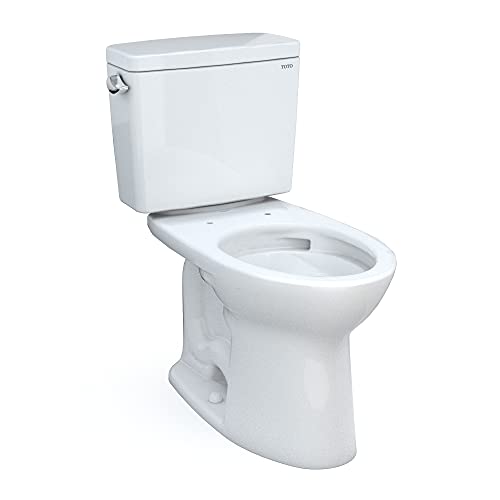
TOTO Drake II
Powerful single-flush clearing for daily use
The Drake II pairs a top-tier MaP score with TOTO's Double Cyclone flush and a 1.28 GPF rating, so it clears waste forcefully on one flush while staying efficient and quiet.
Check price on Amazon
Strongest Power
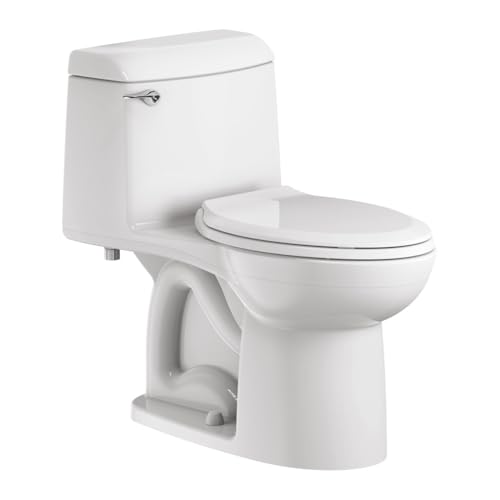
American Standard Champion 4
High-traffic bathrooms that fight clogs
A wide 2-3/8 inch trapway and a large flush valve give the Champion 4 a forceful, clog-resistant flush, making it a strong upgrade when an old toilet keeps backing up.
Check price on Amazon
Best Value Upgrade
Kohler Cimarron
A reliable, efficient replacement on a budget
Kohler's AquaPiston canister flush moves a fast, full volume of water at 1.28 GPF, giving the Cimarron a strong, clean rinse and dependable clearing without a premium price.
Check price on Amazon
Other proven options worth a look include the one-piece TOTO UltraMax II for a seamless easy-clean body, the Kohler Highline for wide availability and parts support, the dual-flush TOTO Aquia IV for water savings, and value-focused Woodbridge T-0019, Swiss Madison St. Tropez and Gerber Avalanche models that deliver strong flush specs at a lower position. Whatever you choose, confirm the rough-in distance matches your existing toilet before ordering.
Editorial TakeIf you are replacing because of a chronic flush problem, do not buy on looks alone. The single spec that predicts whether you will be happy is the MaP score, and for a primary bathroom we steer people to 800 grams or higher every time. A TOTO Drake II or American Standard Champion 4 will out-clear a stylish budget bowl with a 350 gram score every day, and the price gap is small compared to living with weak flushes for the next decade.
How to keep a strong flush once you have restored it
Once the flush is back to full strength, a little maintenance keeps it there, especially in hard-water areas where mineral buildup is the slow enemy of flush power.
Clean the rim jets on a schedule
The rim and siphon jets are the first thing to scale up again. A monthly vinegar treatment, or pouring a cup of vinegar down the overflow tube every few weeks, keeps the holes open and the swirl strong. In very hard-water homes this single habit prevents the gradual power loss that sends most people searching for a new toilet they may not actually need.
Replace worn tank parts before they fail
Flappers and lift chains are wear items. A flapper that is a few years old and starting to stiffen is cheap insurance to swap on a quiet weekend rather than during an emergency. A fresh flapper and a correctly tensioned chain keep the flush full and the tank from running between flushes.
Mind what goes down the bowl
Flushing too much paper at once, wipes labeled flushable, paper towels or hygiene products is the fastest way back to a partial clog and a choked flush. Even a strong toilet has a trapway diameter limit. Flushing only waste and a reasonable amount of toilet paper keeps the passage clear and the siphon strong.
Keep reading
Related guides
FAQ
Frequently asked questions
? Why will my toilet not flush all of a sudden?
A sudden flush failure is almost always mechanical and inside the tank. The lift chain has come unhooked or gone slack, the handle has loosened, or the tank level has dropped below the fill line. Lift the lid and check each of those before assuming a clog. If the handle works but the bowl will not clear, do a bucket test to separate a tank problem from a drain blockage.
? Why does my toilet flush weakly and not clear the bowl?
A weak flush that leaves waste behind usually means the tank is not delivering enough water fast enough. Check that the water sits at the molded fill line, clean clogged rim and siphon jets with white vinegar, and confirm the flapper stays open until most of the tank empties. If all three are healthy and the flush is still weak, the bowl design is likely the limit.
? Why is the handle loose and not flushing?
A loose handle usually means the mounting nut behind the tank wall has backed off or the flush rod has cracked. The handle nut is reverse-threaded on most toilets, so it tightens counterclockwise. If the handle still spins without lifting anything, the lift chain has likely come off the rod, so reattach it. Both the handle and rod are cheap universal parts if they are broken.
? Can a low water level stop a toilet from flushing properly?
Yes, and it is one of the most common causes. The flush uses the volume of water in the tank, so if the level has drifted below the fill line, the toilet cannot build a full siphon and the flush feels weak. Adjust the float so the valve shuts off right at the marked fill line, but do not raise it above the line, since that water just runs down the overflow tube.
? How do I know if my flapper is bad?
Watch a flush from above. A good flapper rises, stays open until most of the tank empties, then drops cleanly. A bad one slams shut early, cutting the flush short, or fails to seal and lets the tank slowly leak so the bowl loses water on its own. If the rubber is stiff, warped, cracked or mineral-crusted on the seal ring, replace it, since flappers are inexpensive and quick to swap.
? Why does my toilet flush slowly without a clog?
A slow flush with no real clog means water is reaching the bowl but not fast or full enough to build a strong siphon. The usual causes are clogged rim and siphon jets from mineral buildup, a low tank water level, or a flapper closing too early. Clean the jets with vinegar, confirm the fill line, and check the flapper timing before suspecting the drain.
? What is the bucket test and how does it help?
Pour about a gallon and a half of water from a bucket straight into the bowl quickly. If that forceful dump clears the bowl cleanly, your bowl and trapway are fine and the problem is in the tank not delivering enough water. If even the fast pour struggles or backs up, you have a clog or vent issue downstream. It separates a tank fault from a drain fault in seconds.
? How do I clean clogged toilet jets?
Pour warm white vinegar around the bowl rim so it runs into the small jet holes, or hold vinegar-soaked paper towels against the rim, and let it sit an hour or two to dissolve the scale. Then scrub each hole with a stiff brush or a thin wire. For heavy buildup, pour warm vinegar down the tank overflow tube and leave it overnight before flushing.
? Should I use a chemical drain cleaner in my toilet?
No. Chemical drain cleaners are formulated for sink and tub drains, can sit in the toilet trapway without clearing the blockage, and may damage the bowl or older seals while creating a hazard for the next person to plunge. Use a flange plunger first, then a closet auger. Those two tools clear the vast majority of toilet clogs safely.
? Why does my toilet gurgle when it drains slowly?
Gurgling with a slow drain points to a venting problem. The vent stack that runs up through the roof lets air into the pipes so water flows freely. If it is blocked by a nest, leaves or ice, the draining flush fights a vacuum and gurgles. Suspect the vent when the tank flush is strong and the trapway is clear but the bowl still drains sluggishly, especially if other drains are slow too.
? Can a partly closed supply valve cause flush problems?
Yes. The shutoff valve on the wall behind the toilet should be turned fully counterclockwise to open. It is common for one to be left partly closed after a repair, which restricts how fast and how full the tank refills, leaving a weak first flush and a long wait between flushes. Open it all the way and confirm the tank fills quickly to the line.
? How much does it cost to fix a toilet that will not flush?
Most fixes are inexpensive because the common culprits are cheap parts: a lift chain, flapper, flush rod or fill valve each install in minutes with basic tools. Cleaning the jets costs nothing but vinegar. The only expensive outcome is replacing the whole toilet, which is reserved for the rare case where the bowl design itself is the limit after every other check passes.
? When should I just replace a toilet that will not flush?
Replace it once you have checked the chain and handle, raised the water level, set the flapper, cleaned the jets, cleared the trapway and ruled out a blocked vent, and the flush is still weak. At that point the bowl design is the limit. Choose a replacement with a MaP score of 800 grams or higher, a 2-inch or larger trapway and EPA WaterSense certification for strong, efficient clearing.
? What is a good MaP score for a strong flush?
MaP (Maximum Performance) testing reports how many grams of solid waste a toilet clears in a single flush. A score of 600 grams handles an average household, 800 grams is strong, and 1000 grams is the maximum for a residential gravity toilet. For a primary or high-traffic bathroom, aim for 800 grams or higher to avoid double flushes.
? Will a higher GPF toilet flush better than a 1.28 GPF model?
Not necessarily. Modern 1.28 GPF WaterSense toilets like the TOTO Drake II are engineered to clear waste forcefully on less water, and many out-clear older 3.5 GPF bowls thanks to better trapway and jet design. Flush power comes from how the water is used, not just how much. Judge by the MaP score, not the gallons.
? Why does my toilet need two flushes to clear?
Double flushing usually means weak water delivery or a borderline bowl design. Start by raising the tank level, cleaning the jets and setting the flapper to hold open longer, which fixes most cases. If the toilet still needs two flushes after those checks, the bowl has a low MaP score and a higher-rated WaterSense model is the lasting fix.
? Is a running toilet related to a poor flush?
It can be. A flapper that does not seal lets the tank leak down between flushes, so the toilet runs and may not have a full tank ready when you flush, weakening it. A lift chain that is too long can also slip under the flapper and prop it open. Fixing the flapper seal and chain length usually stops the run and restores a full flush at once.
? Which brands are most reliable when I replace a toilet?
TOTO, Kohler and American Standard lead for flush performance, parts availability and warranty support, which is why they appear most across strong aggregated owner reviews. Woodbridge, Swiss Madison and Gerber offer competitive flush specs at lower positions if value is the priority. For any brand, prioritize a MaP score of 800 grams or higher and EPA WaterSense certification.
Sources
- EPA WaterSense, epa.gov/watersense
- MaP (Maximum Performance) flush testing, map-testing.com
- Manufacturer published specifications (TOTO, Kohler, American Standard)
Our Verdict
A toilet that will not flush properly is almost always a quick, cheap fix rather than a dead fixture. Lift the lid and work in order: check the chain and handle, raise the water to the fill line, set or replace the flapper, clean the rim and siphon jets, clear any trapway clog, and rule out a blocked vent. That sequence solves the large majority of cases for little or no money. Only when every check passes and the bowl still clears weakly does the toilet itself become the limit, and that is when a high-MaP, WaterSense-certified model like the TOTO Drake II, American Standard Champion 4 or Kohler Cimarron is the lasting answer. Diagnose before you replace, and your money goes to the real problem.