A toilet that keeps running long after the flush is one of the most common and most wasteful plumbing faults in the home. This guide walks through every cause in the order you should check them, from a free chain adjustment to a worn flapper or fill valve swap, using the same spec-driven research approach used across the site rather than guesswork.
Quick Answer
A toilet keeps running because either the flapper is not sealing and water leaks into the bowl, or the fill valve never shuts off and water spills down the overflow tube. Check the lift chain first (free), then replace a worn flapper or a faulty fill valve. A flapper kit fixes most cases for a few dollars in under fifteen minutes.
A running toilet is a fault that hides in plain sight. The handle has been pressed and released, the bathroom is empty, and yet you can hear water hissing into the tank or trickling into the bowl minute after minute. Sometimes the fill valve runs forever. Sometimes it shuts off, then clicks back on every few minutes in a cycle that never settles. Either way, the toilet is using water it should not, and a continuously running toilet is the single most wasteful plumbing problem most households will ever have, capable of passing hundreds of gallons a day when it is bad.
The good news is that a running toilet is almost always a cheap, fast fix. Every part involved sits inside the tank, costs a few dollars, and can be reached without removing the toilet from the floor. The trick is diagnosing the right part before you start swapping things. This guide follows the way research is done across this site: comparing how toilet tanks are engineered, the published specs that predict a clean shutoff, and the repair patterns that show up consistently across aggregated owner reviews and plumbing resources. That combination is enough to pinpoint why a toilet keeps running and to tell you which fix actually solves it.
Start here. Take the tank lid off and look at where the water sits. If the water level is right at the top of the overflow tube or spilling into it, your fill valve is the problem. If the water sits an inch below the overflow tube but you can still hear a trickle into the bowl, your flapper is leaking. That one observation points you straight at the right section below.
How a toilet tank actually works
To fix a running toilet, it helps to understand the two-part system inside the tank. On one side sits the fill valve, a tall column with a float, that lets fresh water in and shuts off when the tank is full. On the other side sits the flush valve, a large plastic tube topped by the overflow tube, sealed at the bottom by a rubber flapper. When you press the handle, a chain lifts the flapper, the tank dumps its water into the bowl, the flapper drops back to reseal, and the fill valve refills the tank to a set level before clicking off.
A toilet keeps running when one of two things fails. Either the flapper does not reseal, so water keeps slipping from the tank into the bowl and the fill valve keeps topping up to replace it, or the fill valve never reaches its shutoff point, so it runs continuously and the excess pours down the overflow tube into the bowl. Every cause below is a variation of one of those two failures, and knowing which one you have cuts your repair time in half.
Why does my toilet keep running after I flush?
A toilet keeps running after a flush because the flapper at the bottom of the tank is not sealing, so water leaks into the bowl and the fill valve repeatedly tops the tank back up. The most common causes are a worn or warped flapper, a lift chain that is too long or too short, or a fill valve set so high that water spills down the overflow tube.
If the running starts right after you flush and never fully stops, the most likely culprit is the flapper or the chain that controls it. After a flush, the flapper is supposed to fall flat onto the flush valve seat and seal. If it is worn, warped, or held open by a tangled chain, it never seats cleanly, and the tank slowly drains into the bowl. That falling water level keeps tripping the fill valve, which is why the toilet runs, pauses, and runs again. The cycling refill is the signature of a leaking flapper.
Less often, the problem is the fill valve itself. If the float is set too high, the valve fills the tank past the top of the overflow tube and the excess simply pours down it forever, so the valve never reaches a shutoff level. A failing fill valve seal does the same thing, refusing to close fully even after the tank is full. Both produce a constant hiss rather than a cycling refill, which is how you tell them apart from a flapper leak.
Cause 1: A misadjusted or tangled lift chain (check this first, it is free)
Before you buy a single part, look at the lift chain that connects the flush handle arm to the flapper. This is the most common free fix for a running toilet, and people skip it constantly. If the chain is too short, it holds the flapper slightly open and water leaks past nonstop. If the chain is too long, a loop of slack can fall under the flapper as it closes and wedge it ajar. A chain that is kinked or twisted can do the same.
The flapper needs just a small amount of slack, about a half inch, when it is fully closed. Unhook the chain from the handle arm and reattach it one or two links shorter or longer until the flapper drops flat with that small amount of slack and nothing can slip underneath it. If the chain is long, clip off the excess links or hook the spare back on itself so it cannot drift down into the seal. This adjustment is free, takes two minutes, and resolves a surprising share of running toilets that look like a failed flapper.
Tip. A plastic-bead style chain can be cut to length cleanly, while a metal-link chain should be reattached at a different link rather than cut. If the chain is rusted or brittle, replace it with a stainless or nylon-coated chain, since a chain that sheds rust onto the flush valve seat will eventually break the seal again.
Cause 2: A worn, warped, or dirty flapper (the most common culprit)
If the chain is set correctly and the toilet still runs, the flapper itself is the prime suspect, and in most running-toilet cases it is the answer. The flapper is the inexpensive rubber or silicone seal at the bottom of the tank. Over a few years it hardens, warps, develops a chalky film on its sealing edge, or distorts so it no longer drops flat onto the seat. Any of those lets a thin film of water slip past continuously, which is exactly the leak that keeps the fill valve cycling.
Lift the flapper out and feel its sealing edge. A healthy flapper is soft and supple with a clean, smooth edge. A failing one feels stiff, slimy, gritty, or has a visible warp or crack. Run a finger around the flush valve seat it sits on, because mineral scale or grit on the seat will hold the flapper open a hair even if the flapper itself looks fine. Both surfaces have to be clean and smooth to seal. To confirm the leak before buying anything, run a dye test: add a few drops of food coloring to the tank, wait fifteen minutes without flushing, and if color appears in the bowl, the flapper is leaking.
How to replace a toilet flapper
Turn off the water at the shutoff valve behind the toilet, flush to empty the tank, and unhook the old flapper from the chain and the flush valve ears or pegs. Take it to the hardware store to match it, since flappers come in two-inch and three-inch sizes and several seat styles. Universal adjustable flappers fit most tanks. Clean the flush valve seat with a sponge or fine nonabrasive pad to remove any scale, set the new flapper in place, reconnect the chain, turn the water back on, and let the tank refill. Most flappers cost only a few dollars, install with no tools, and stop the running on the first try. Run the dye test again afterward to confirm the seal holds.
Avoid this mistake. A brand-new flapper dropped onto a scaled, rough seat will keep leaking. Five seconds with a sponge on the flush valve seat is the difference between a fix that lasts years and one that fails in a week. Always clean the seat before fitting the new flapper.
Cause 3: A fill valve set too high or a faulty fill valve
If the water in the tank is sitting right at the top of the overflow tube or trickling into it, the fill valve is your problem, not the flapper. The fill valve is supposed to shut off when the water reaches a level about one inch below the top of the overflow tube. When the float is set too high, the valve keeps the tank topped above that point and the excess pours down the overflow tube into the bowl continuously, so the toilet never stops running.
Modern column-style fill valves have an adjustment clip or screw on top that lowers the float. Adjust it down until the valve shuts off with the water level sitting about an inch below the top of the overflow tube. If lowering the float does not stop a constant hiss, the fill valve seal itself is worn and the valve will not close cleanly. A replacement fill valve is an inexpensive, common part that installs in about fifteen minutes with the water shut off, and it is the right fix when an old valve refuses to hold a clean shutoff.
Why is my toilet running but the tank water level is below the overflow?
If the toilet is running but the tank water sits below the overflow tube, the water is escaping into the bowl, not over the overflow, which means the flapper is leaking. Run a food-coloring dye test: add dye to the tank, wait fifteen minutes without flushing, and if color reaches the bowl, clean the flush valve seat and replace the flapper.
This is the clearest diagnostic split in the whole repair. When water spills over the overflow tube, the level sits at or above the overflow rim, and the fix is the fill valve. When water leaks under the flapper, the level sits an inch below the overflow rim and the bowl slowly fills, and the fix is the flapper. The dye test confirms it: color in the bowl means a flapper leak, while a clear bowl with water spilling into the overflow means a fill valve problem. Doing this one test before buying parts saves the most common wasted repair, which is replacing a perfectly good fill valve when the flapper was the issue all along.
Cause 4: A cracked or scaled flush valve seat
If you have fitted a fresh flapper, set the chain correctly, and the dye test still shows a leak into the bowl, the flush valve seat itself may be the problem. The flush valve is the larger plastic assembly the flapper seats on, with the overflow tube rising from it. Over many years the seat can crack, pit, or build a ring of hard scale that no flapper can seal against.
Inspect the seat closely under good light. A fine crack, a rough pitted ring, or scale you cannot fully clean off means the seat will keep leaking no matter how good the flapper is. A flush valve seat repair kit bonds a smooth new sealing surface over the damaged seat without removing the tank, and it works well for minor pitting. For a cracked or badly worn flush valve, replacing the whole flush valve assembly is the proper repair, though it requires lifting the tank off the bowl to reach the large lock nut underneath. Both are inexpensive in parts, and the seat kit is a sensible intermediate step before committing to a full valve swap.
Cause 5: A stuck or worn flush handle and trip lever
A worn flush handle and its trip lever inside the tank can also keep a toilet running. If the handle sticks in the down position or the trip lever binds, it holds the flapper open and the tank cannot refill or seal. A corroded metal trip lever can also catch on the chain. Press and release the handle a few times and watch the lever and chain inside the tank. The lever should snap back freely and the flapper should drop flat. If the handle is loose, sticky, or the lever is corroded, a replacement flush handle is a few dollars and installs with a single nut behind the tank wall.
Editorial Take
Work the fixes in order of cost, not order of suspicion. The free checks, chain length and a clean flush valve seat, resolve more running toilets than people expect, yet they are the steps most often skipped in favor of buying a part. If the toilet is more than ten years old, skip straight to a full tank rebuild kit that bundles a fill valve, flapper, and flush valve seal for the cost of two or three single parts, since aging tank components tend to fail in sequence and you will not want to repeat the job in six months.
The diagnostic table: match your symptom to the fix
Runs nonstop, dye reaches bowl, flapper looks fine
Chain caught or wrong length
Reposition the chain
Constant hiss, water at or over the overflow rim
Fill valve set too high
Lower the float
Constant hiss, float lowered, still runs
Faulty fill valve seal
Replace fill valve
New flapper still leaks into bowl
Cracked or scaled flush valve seat
Seat repair kit or new valve
Handle sticks, flapper held open
Worn flush handle or trip lever
Replace handle and lever
How much water does a running toilet waste?
A running toilet can waste from a few hundred to over a thousand gallons of water a day depending on the leak size. The EPA estimates that household leaks, of which running toilets are a leading source, waste nearly 10,000 gallons per home each year. Because the repair usually costs only a few dollars, fixing a running toilet is one of the highest-return jobs in the house.
It is tempting to ignore a running toilet because nothing is overflowing and the floor is dry. That is a costly mistake. A toilet with a fully failed flapper or a stuck fill valve can pass water continuously, day and night, and on a metered supply that climbs your water and sewer bill faster than almost any other household fault. The EPA, through its WaterSense program, identifies running and leaking toilets as one of the largest sources of indoor water waste, with the worst cases wasting more water in a week than an efficient toilet uses in a month. Because every fix in this guide is a few dollars in parts, repairing a running toilet pays for itself almost immediately.
Worth knowing. Drop-in tank cleaning tablets that contain chlorine gradually break down rubber flappers and seals, which is a common reason a toilet starts running a year or two after a tablet was added. Switch to an in-bowl cleaner, or use only tablets specifically labeled tank-safe, to make your new flapper last.
A step-by-step fix-it order to follow
Working in the right order saves time and avoids replacing parts you did not need. Here is the sequence that resolves the large majority of running toilets, from free to cheap.
Step
Check or fix
Cost
1
Look at the water level against the overflow tube to split flapper vs fill valve
Free
2
Run the food-coloring dye test to confirm a flapper leak
Free
3
Adjust the lift chain so the flapper seats flat with light slack
Free
4
Clean the flush valve seat and the flapper edge
Free
5
Replace the flapper with a matching universal flapper
Low cost part
6
Lower the fill valve float, or replace the fill valve if it still runs
Low cost part
7
Fit a flush valve seat kit or do a full tank rebuild if leaks persist
Low cost part
Almost every running toilet is cured somewhere in the first five steps, because a misrouted chain or a leaking flapper is the cause far more often than not. Only when the water level proves a fill valve problem, or a fresh flapper still leaks, do you move on to the fill valve or flush valve. If the problem turns out to be a flush that has simply gone soft rather than one that keeps running, the guide to a weak toilet flush fix and its causes and solutions covers that separate issue, and if the toilet barely clears the bowl when you do press the handle, see how to fix a toilet that is not flushing properly.
When a running toilet means it is time to replace it
A running toilet on its own is never a reason to replace the whole toilet, because the leaking parts are all cheap and serviceable. But if you are already nursing an old toilet that keeps running, flushes weakly, clogs often, and guzzles 3.5 GPF of water per flush, the repairs start to feel like patching something that was never efficient to begin with. In that case, the smarter long-term move is upgrading to a modern, well-sealing, water-efficient toilet, and a good one flushes far more powerfully while using less water.
The specs that predict a reliable, leak-resistant, strong toilet are a high MaP (Maximum Performance) score, which measures how many grams of solid waste a single flush clears, a wide glazed trapway, and an EPA WaterSense 1.28 GPF rating. Aim for a MaP score of 800 grams or higher for a family bathroom. Many newer toilets from TOTO, Kohler, and American Standard use canister-style flush valves with a large, durable seal that resists the slow leaks that cause a running toilet in the first place. For the full ranked list, see the roundup of the best flushing toilets, and if frequent clogging is part of the picture, the guide to why your toilet keeps clogging and how to fix it goes deeper. To get more force from any toilet, how to improve toilet flush power with seven proven fixes lays out the upgrade tactics.
Which toilets resist running and leaking best?
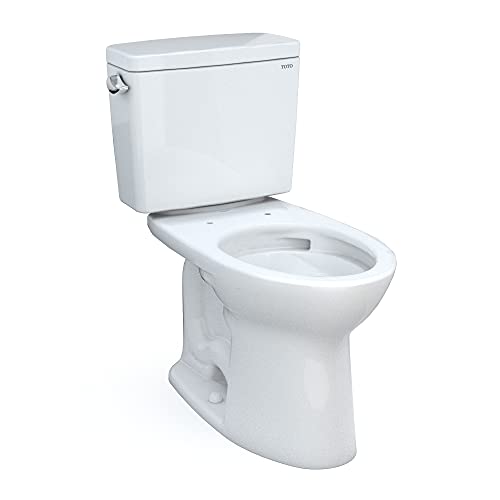
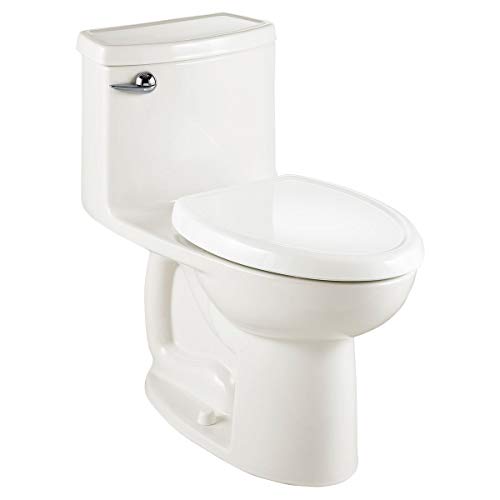
Toilets with large canister-style flush valves, such as the Kohler Cimarron and Highline, resist running and leaking better than small-flapper designs because their 360-degree seal has more contact area and fewer warp points. High-MaP gravity toilets like the TOTO Drake and American Standard Cadet 3 also pair durable seals with strong, efficient 1.28 GPF flushes.
Top recommendations if you decide to replace
These three models consistently pair high independent flush scores with efficient water use, durable flush-valve seals, and deep, positive owner track records, which makes them safe upgrades from a tired toilet that keeps running and underperforms.
Most Reliable Seal
TOTO Drake
High MaP score and a durable flush valve seal
4.7
A top-tier MaP score, a wide fully glazed trapway, and an efficient 1.28 GPF flush make the Drake a powerful upgrade, and its proven flush valve keeps a clean seal with an easy-to-source parts ecosystem if service is ever needed.
Kohler's Class Five engine moves water with real force at 1.28 GPF, and its canister-style valve uses a large 360-degree seal that resists the slow seepage behind a running toilet far better than a small flapper does.
The Cadet 3 pairs a wide flush valve and an EverClean glazed surface with a 1.28 GPF flush, delivering reliable clearing power and a clean, well-sealing tank that makes it a sensible, budget-conscious replacement for a worn-out toilet.
If you are buying a new toilet specifically because the old one would not stop running, prioritize the flush valve design over the headline flush rating. A large-diameter canister valve, like the one Kohler uses on the Cimarron and Highline, has far more sealing surface than a hinged rubber flapper, so it tolerates years of mineral scale and tank chemistry before it ever weeps. Pair that with a MaP score at or above 800 grams and a WaterSense 1.28 GPF rating, and you get a toilet that both flushes hard and stays quiet between flushes, which is exactly what a running toilet failed to do. Woodbridge, Swiss Madison, and Gerber also offer dependable budget options, though TOTO and Kohler have the longest leak-free track records in aggregated owner reviews.
Manufacturer published specifications (TOTO, Kohler, American Standard)
FAQ
Frequently asked questions
? Why does my toilet keep running?
A toilet keeps running because either the flapper is not sealing and water leaks from the tank into the bowl, or the fill valve never shuts off and water spills down the overflow tube. A cycling refill that runs, pauses, and runs again usually means a leaking flapper, while a constant hiss with water at the overflow rim points to the fill valve. Check the lift chain first, since a tangled or wrong-length chain holds the flapper open and is a free fix.
? How do I stop my toilet from running constantly?
Take off the tank lid and look at the water level. If it sits at or above the overflow tube, lower the fill valve float so the water rests an inch below the tube. If it sits below the tube but you hear a trickle, the flapper is leaking, so adjust or shorten the chain, clean the flush valve seat, and replace the flapper. Most running toilets are fixed in one of these steps for a few dollars or for free.
? Is a running toilet an emergency?
It is not a flooding emergency, but it is wasteful and should be fixed quickly. A running toilet keeps passing water continuously, and a bad one can waste hundreds of gallons a day, which shows up fast on a metered water and sewer bill. There is no risk of overflow because the excess drains into the bowl, but the wasted water makes it one of the most expensive household faults to leave unrepaired.
? How do I know if it is the flapper or the fill valve?
Look at the water level relative to the overflow tube. If water is spilling over the top of the overflow tube, the fill valve is set too high or faulty. If the water sits below the overflow tube and color from a dye test appears in the bowl, the flapper is leaking. This one observation, plus a food-coloring dye test, tells you which part to fix before you buy anything.
? How do I do the food-coloring dye test?
Add several drops of food coloring or a dye tablet to the tank water and do not flush. Wait fifteen to thirty minutes, then look in the bowl. If colored water has appeared in the bowl, water is leaking past the flapper or flush valve seal. If the bowl stays clear, the flapper is sealing and the running is coming from the fill valve spilling into the overflow tube instead.
? Will replacing the flapper stop a running toilet?
In most cases, yes. A worn flapper is the single most common cause of a running toilet, and a fresh, correctly matched flapper restores the seal and stops the cycling refills. The step people skip is cleaning the flush valve seat the flapper sits on, since scale or grit on the seat will keep a brand-new flapper from sealing. Clean the seat, fit the flapper, and run the dye test again to confirm.
? How much does it cost to fix a running toilet?
For a do-it-yourself repair, very little. A universal flapper, a fill valve, or a flush valve seat kit each costs only a few dollars, and a complete tank rebuild kit that bundles all three is still inexpensive. The chain adjustment and seat cleaning are free. The main cost of a running toilet is the wasted water on your bill, which is exactly why fixing it quickly pays for itself.
? Why does my toilet run for a few seconds every few minutes?
That intermittent run, sometimes called phantom or ghost flushing, means a small amount of water is slowly leaking from the tank into the bowl until the level drops enough to trip the fill valve, which tops it up for a few seconds. It is almost always a slightly worn flapper or a flush valve seat with light scale on it. Clean the seat and replace the flapper to stop the cycling.
? Can the lift chain cause a toilet to keep running?
Yes, and it is the most overlooked cause. If the chain is too short it holds the flapper slightly open, and if it is too long a loop of slack can fall under the flapper and wedge it ajar. Either way the flapper never reseals and the toilet keeps running. Set the chain so the flapper drops flat with about a half inch of slack, with no excess that can slip beneath the seal.
? What is the overflow tube and why does water go down it?
The overflow tube is the vertical tube rising from the flush valve in the middle of the tank. It is a safety drain that sends excess water into the bowl so the tank cannot overfill onto your floor. If your fill valve is set too high or will not shut off, water spills continuously down this tube, which is why a fill-valve problem produces a constant hiss and a running toilet.
? Where should the water level sit in the tank?
The water level should rest about one inch below the top of the overflow tube. If it sits higher, water spills into the overflow tube and the toilet runs, so lower the fill valve float. If it sits much lower, the flush may be weak. Most fill valves have a clip or screw on top to adjust the float and set the level correctly.
? Can hard water cause a toilet to keep running?
Yes. Hard water deposits mineral scale on the flush valve seat and on the flapper edge, which prevents a clean seal and lets water leak into the bowl. Scale also builds up inside fill valves and can stop them shutting off cleanly. Cleaning the seat and flapper removes the scale, and in hard-water areas a canister-style flush valve tends to keep a reliable seal longer than a small rubber flapper.
? Do cleaning tablets in the tank cause toilets to run?
They can. Many drop-in tank tablets contain chlorine that gradually breaks down rubber flappers and seals, which is a common reason a toilet starts running a year or two after a tablet was added. Switch to an in-bowl cleaner, or use only tablets specifically labeled tank-safe, to keep a new flapper and the fill valve seal from failing early.
? Should I replace the whole flush valve or just the seat?
Start with the seat. A flush valve seat repair kit bonds a smooth new sealing surface over a pitted or scaled seat without removing the tank and fixes most minor damage. If the flush valve is cracked or badly worn, replacing the whole assembly is the proper repair, but it requires lifting the tank off the bowl. Try the seat kit first since it is cheaper and far easier.
? What is a good MaP score if I am replacing my toilet?
Aim for a MaP score of at least 600 grams, with 800 to 1,000 grams being the high-performance range for a busy family bathroom. The MaP test measures how many grams of solid waste a single flush clears, so a higher number means stronger, more reliable flushing. Top models like the TOTO Drake clear the maximum 1,000 grams while still using only 1.28 GPF.
? Does a running toilet affect my flush power?
It can. If the tank cannot hold a full charge of water because the flapper leaks or the fill valve cuts off early, there is less water available for the next flush, which weakens it. Fixing the running fault and setting the water level an inch below the overflow tube restores the full flush volume. If the flush is still weak after that, the issue is the toilet's design rather than the running fault.
? When should I just replace a constantly running toilet?
Replace it when an old toilet keeps running, flushes weakly, clogs often, and uses 3.5 GPF or more, because then repairs are patching a fundamentally inefficient fixture. A modern WaterSense 1.28 GPF toilet with a high MaP score and a durable canister valve flushes harder, wastes far less water, and resists the leaks that cause running in the first place. For a single old toilet that simply needs a flapper, repair it rather than replace it.
? Can a running toilet fix itself?
Sometimes a flapper that is held open by a stray chain or a piece of debris will reseat on its own and the running stops temporarily, but it almost always returns. A worn flapper, a scaled seat, or a failing fill valve will not heal, and the leak only grows as the parts age further. Treat any toilet that runs more than briefly as a repair to make rather than a fault to wait out.
Our Verdict
A running toilet is a cheap, fast fix, not a failing toilet. Look at the water level against the overflow tube to split a flapper leak from a fill valve problem, then run the dye test to confirm. Check the chain, clean the flush valve seat, and replace the flapper, which solves most cases for a few dollars. If water spills over the overflow, lower or replace the fill valve. Only a fresh flapper that still leaks calls for a flush valve seat kit. If the toilet also flushes weakly, clogs, or guzzles water, a modern high-MaP upgrade like the TOTO Drake, Kohler Cimarron, or American Standard Cadet 3 with a durable canister-style seal is the lasting fix. Confirm the rough-in matches yours before you order.
Derek researches plumbing specifications, installation requirements and parts availability, cross-checking manufacturer claims against owner-reported reliability. Rankings are based on documented data and real owner reports, never paid placement.
Updated August 2026 · Toilets
Keep reading
Related guides
Why Toilet Trapways Are Curved Like an S
Toilets
4.6
Learn why toilet trapways curve like an S, how each bend blocks sewer gas, and what the shape means for clogs and…