
Why Toilet Trapways Are Curved Like an S
Toilets4.6
Learn why toilet trapways curve like an S, how each bend blocks sewer gas, and what the shape means for clogs and…
Read the guideA complete, science-backed protocol covering every surface of the toilet, bowl, seat, tank, and exterior, with EPA-registered disinfectants, safe dwell times, and the exact steps that actually eliminate pathogens rather than just masking odor.
Apply an EPA-registered disinfectant to the bowl first, let it dwell for the full contact time on the label (usually 5, 10 minutes), then scrub with a toilet brush. Wipe all exterior surfaces, seat, lid, tank, base, with disinfecting wipes or a cloth soaked in diluted bleach, working top-to-bottom. Rinse and flush to finish.
Toilets harbor pathogens such as E. coli, Staphylococcus aureus, norovirus, and Clostridioides difficile (C. diff) on surfaces that hands, clothing, and airborne droplets routinely touch. A 2012 study published in Applied and Environmental Microbiology found that a single flush can aerosolize bacteria onto surfaces up to 6 feet away, a phenomenon called "toilet plume." Regular disinfection with EPA-registered products that achieve a 99.9% kill rate is the only reliable way to break this contamination cycle and protect household members, especially immunocompromised individuals and young children.
Most people clean a toilet, meaning they scrub visible stains and apply a fresh scent, without actually disinfecting it. There is a regulatory and microbiological difference between a cleaner and a disinfectant. Under the EPA's pesticide registration framework (FIFRA), a product can only be labeled a "disinfectant" if it demonstrates a 99.999% reduction (5-log kill) of the test organisms listed on its label under controlled conditions.
Cleaning products without EPA registration numbers may remove soil and reduce microbial load, but they do not guarantee pathogen elimination. For households with infants, elderly members, or anyone undergoing immunosuppressive therapy, that distinction can be clinically significant.
Toilet plume is a separate but compounding factor. Flushing with the lid open creates a fine aerosol that carries particles, including fecal matter, and deposits them on nearby horizontal surfaces: the tank lid, countertops, toothbrush holders, and even towels. Closing the lid before flushing reduces but does not eliminate this effect. Disinfecting the entire toilet unit, not just the bowl, is therefore necessary for genuine hygiene control.
You need an EPA-registered disinfectant (liquid bowl cleaner, bleach solution, or disinfecting wipes), a toilet brush dedicated solely to this toilet, disposable or dedicated reusable cloths for exterior surfaces, and rubber or nitrile gloves. Avoid mixing disinfectants, bleach plus ammonia-based cleaners produces toxic chloramine gas; bleach plus acids (including many "bathroom" sprays) releases chlorine gas.
| Product Type | Active Ingredient | Typical Dwell Time | Best For |
|---|---|---|---|
| Toilet bowl liquid (EPA-registered) | Sodium hypochlorite (bleach) or HCl | 5, 10 min | Bowl interior stains + disinfection |
| Disinfecting wipes (quaternary ammonium) | Benzalkonium chloride or alkyl dimethyl ammonium | 4, 5 min (must stay wet) | Seat, lid, tank, exterior surfaces |
| Diluted household bleach | Sodium hypochlorite (5.25, 8.25%) | 5 min | All hard non-porous surfaces |
| Hydrogen peroxide spray (3%) | Hydrogen peroxide | 5, 10 min | Color-safe option; effective vs. bacteria/viruses |
| Isopropyl alcohol spray (70%) | Isopropyl alcohol | 30 sec (fast evaporation) | Quick exterior touchup; poor dwell retention |
The EPA's Safer Choice program (epa.gov/saferchoice) certifies products that achieve disinfection performance while using ingredients with a lower hazard profile. Several Clorox, Lysol, and Method products carry this designation and are suitable for households with asthma or chemical sensitivities. The EPA's List N (registered disinfectants effective against SARS-CoV-2) is also useful for identifying broad-spectrum products.
The toilet brush is itself a vector if not maintained properly. After each use, rinse it under the flush cycle, allow it to drip-dry over the bowl before returning it to the holder, and disinfect the holder with diluted bleach monthly. Replace the brush every 6 months or immediately if bristles are frayed or the head retains visible debris. Brushes with closed-base holders create an anaerobic environment where bacteria multiply rapidly, open-draining holders perform better for sanitation.
Nitrile gloves (not latex, due to allergy prevalence) are preferred for toilet disinfection. Keep one dedicated pair, clearly marked, stored separately from kitchen-use gloves. If using liquid bleach solutions, a splash-rated eye protection is prudent. After completing disinfection, gloves themselves should be disinfected with a spray before removal or disposed of if single-use.
Begin at the top (tank lid and flush handle) and work downward to the base, finishing with the bowl interior last. This top-to-bottom sequence prevents re-contaminating already-cleaned surfaces with drips from above. Apply disinfectant to the bowl first so it begins its dwell time while you clean the exterior, maximizing efficiency without extending the total time required.
Open a window or run the exhaust fan. Bleach and many quaternary ammonium disinfectants produce fumes that accumulate in enclosed spaces. Good ventilation protects respiratory health and reduces surface residue.
Lift the seat and lid. Apply your EPA-registered toilet bowl cleaner under the rim, coating the entire inner surface in a slow, even sweep. Most gel-formula products are designed to cling to vertical porcelain. If using diluted bleach (1/3 cup household bleach per gallon of water per CDC guidance), pour it directly into the bowl and under the rim using a squeeze bottle. Set a timer for the contact time printed on the label, do not skip this step.
Spray the top and sides of the tank lid with disinfecting spray or wipe with a pre-moistened disinfecting wipe. The tank lid is a high-contact surface touched every time someone adjusts a running toilet. Let it remain visibly wet for the full dwell time.
Flush handles and buttons are among the highest-touch surfaces in any bathroom, yet frequently missed during cleaning. Spray or wipe thoroughly. For chrome handles, check that your product is safe for metal, most quaternary ammonium wipes are; straight bleach solutions can pit chrome over time with repeated exposure.
Wipe the front and sides of the tank. Mineral deposits from condensation and splash-back accumulate here. For hard water buildup, a diluted white vinegar solution removes scale, but note that vinegar is not an EPA-registered disinfectant, use it for scale removal in a separate step before or after actual disinfecting, never mixed with bleach.
Open the seat and wipe the topside, then fold it up to access the underside. The underside of the toilet seat is the most frequently missed area in household cleaning yet one of the highest-risk surfaces for fecal-oral pathogen transfer. Wipe all plastic surfaces, including the seat hinges and their attachment points where soil accumulates. Standard disinfecting wipes are appropriate; if using spray, apply to a cloth rather than directly on the seat to avoid drips into the bowl that might dilute the bowl disinfectant before its dwell time is complete.
The lid underside receives direct aerosol contamination from flushing. Wipe both surfaces systematically, top first, underside second. On slow-close (soft-close) lids, check manufacturer guidance before using bleach solutions; most plastics used in soft-close mechanisms are bleach-tolerant at household concentrations but check for any special coating, as some antimicrobial-coated seats from brands like Kohler Cimarron or TOTO Drake seat assemblies carry care instructions that restrict high-concentration bleach.
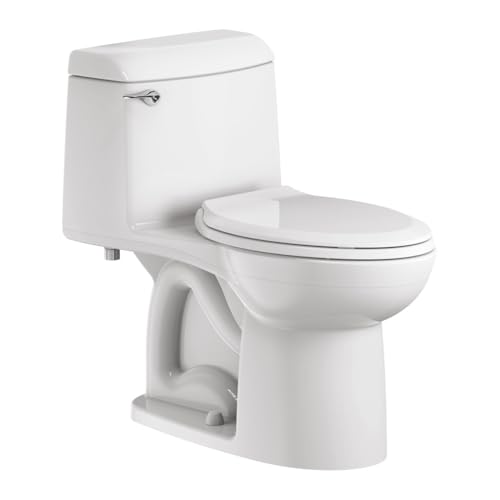
After the full dwell time, scrub the bowl interior with a toilet brush. Apply extra pressure under the rim, this area is shielded from routine flush water and accumulates biofilm and mineral deposits that harbor bacteria. Work the brush around the entire circumference, ensuring the siphon jet hole (at the base of the bowl, pointing toward the drain) is also scrubbed. This jet is present on all siphon-jet toilets including the American Standard Champion 4 and Woodbridge T-0001 and is a frequent site of scale-protected biofilm.
The exterior of the bowl and the base (the area where the toilet meets the floor) accumulate urine spray, splash, and dust. Wipe from the upper bowl downward, ending at the floor junction. Pay particular attention to the caulked or grout line at the floor, a common site for mold and urine accumulation. If the caulk is visibly discolored or cracked, it should be replaced, as porous degraded caulk cannot be reliably disinfected.
Close the lid and flush. This rinses residual disinfectant and loosened debris from the bowl. Rinse the brush under the flush cycle, hold it over the bowl to drip-dry for 30, 60 seconds, then return it to the holder. Remove gloves, wash hands with soap and water for a minimum of 20 seconds per CDC hand hygiene guidelines.
Disinfecting the inside of the tank is necessary only if there is visible mold, black slime (biofilm from iron or manganese bacteria), or persistent odor coming from the tank. Routine weekly cleaning of the bowl and exterior does not require opening the tank. When tank disinfection is needed, the correct method is to pour a measured amount of diluted bleach, allow it to soak, then flush repeatedly to clear residue, never drop in continuous-release bleach tablets, which damage rubber flappers and gaskets over time.
Inside the tank, the primary biological threats are Serratia marcescens (the pink/orange biofilm common in hard-water areas), iron-oxidizing bacteria, and mold in humid climates. None of these are typically a direct human health threat from the tank itself, but they affect water quality in the bowl and can accelerate degradation of rubber components like flappers, fill valve seals, and overflow tubes.
Continuous-release bleach pucks placed in the tank are explicitly warned against by most major toilet manufacturers including TOTO, Kohler, and American Standard. Their warranties typically void for flapper and seal damage caused by in-tank chemical tablets. The American Standard Champion 4's PowerWash rim and 3-inch flush valve rubber components are particularly vulnerable to chlorine degradation from sustained exposure.
If the tank problem is mineral scale rather than biological growth, citric acid (food-grade) dissolved in water is an effective descaler. Pour 1/2 cup into the tank, let sit for 30 minutes, brush, then flush. Citric acid is not a disinfectant but it disrupts the mineral matrix that protects biofilm, often used as a pre-treatment before bleach disinfection for heavily scaled tanks.
The baseline recommendation from infection control guidelines is full disinfection once per week for a household toilet. High-use situations, households with young children, shared bathrooms, guests, or active illness, warrant disinfection two to three times weekly. During confirmed gastrointestinal illness, disinfect after every use until 48 hours after the last symptom in all household members, using a product rated for the specific pathogen on EPA's List N or List K.
| Scenario | Recommended Frequency | Priority Surfaces |
|---|---|---|
| Single-occupancy, healthy adult | Once weekly | Bowl, seat, handle |
| Multi-person household (2, 4) | Twice weekly | All surfaces top-to-bottom |
| Household with children under 5 | Every other day | Seat underside, exterior bowl, base |
| Immunocompromised household member | Daily | All surfaces; dedicated toilet recommended |
| Active GI illness (norovirus, etc.) | After every use | Handle, seat, lid, bowl, EPA List N product |
| Vacation rental or shared-use bathroom | Before and after each occupancy | Complete protocol per guest turnover |
Not all toilets are equally easy to disinfect thoroughly. Concealed trapway designs (like the Woodbridge T-0001) eliminate the exposed S-bend at the base, removing a soil-accumulation site that is notoriously difficult to clean around. Skirted/fully skirted toilets present a clean exterior but require attention to the small gap where the skirt meets the floor. One-piece designs like the Woodbridge T-0001 have no seam between tank and bowl, eliminating the crevice between tank and bowl back that collects mold and mineral deposits in two-piece designs.
The TOTO Drake II (two-piece, siphon jet, 1.28 GPF) and the Kohler Cimarron (two-piece, AquaPiston flush, 1.28 GPF WaterSense certified) both feature exposed trapways and the standard tank-bowl junction seam. Cleaning these requires attention to the tank-to-bowl gasket area and the trapway curves at the base. TOTO's SanaGloss (CeFiONtect) ceramic glaze on Drake models creates a molecular-level smooth surface that resists biofilm adhesion, reducing cleaning frequency requirements compared to standard vitreous china.
Toilets used infrequently present a different challenge: standing water in the bowl evaporates partially over weeks, concentrating minerals and allowing biofilm establishment in the waterline ring. For seasonal or rarely used toilets, add 1/4 cup of bleach to the bowl before extended non-use to prevent this ring. Flush on return to use and disinfect normally. The P-trap under the toilet also needs water to maintain its seal against sewer gas, if a toilet has been unused for months, flush it and add a cup of cooking oil to the bowl water to slow evaporation before next use.
Bleach at household dilution (1/3 cup per gallon of water) is safe for vitreous china, porcelain, and most plastic toilet seats. Avoid undiluted bleach on plastic seat components and chrome hardware, and do not use in-tank bleach tablets, sustained chlorine contact degrades rubber flappers and seals, voiding most manufacturer warranties.
The minimum required dwell time is whatever is printed on the product label, typically 5, 10 minutes for EPA-registered toilet bowl disinfectants. Products cannot legally claim disinfectant status unless they maintain kill rates at the label dwell time. Wiping or flushing before the dwell time is complete significantly reduces efficacy.
Yes. Research published in Applied and Environmental Microbiology confirmed that open-lid flushing creates a "toilet plume" aerosol that deposits particles on surfaces up to 6 feet away and up to 90 minutes after flushing. Closing the lid before flushing reduces but does not entirely eliminate aerosol spread. Disinfecting all nearby horizontal surfaces weekly is the appropriate control measure.
No. Baking soda (sodium bicarbonate) and white vinegar are effective cleaning and descaling agents but neither is an EPA-registered disinfectant. They do not achieve the 5-log (99.999%) kill rates required to be classified as disinfectants. They are useful for removing mineral scale or deodorizing before or after disinfection with a registered product, but should not replace it.
Use an EPA List N product specifically rated for human norovirus or its surrogate. Diluted household bleach (1/3 cup per gallon) is effective against norovirus. Disinfect the toilet after every single use by the ill person, with extended dwell times (at least 5 minutes on all surfaces). Continue this protocol for 48 hours after the last GI symptom in the household.
Yes. A 3% hydrogen peroxide solution (the standard pharmacy concentration) is an EPA-registered disinfectant effective against bacteria, fungi, and most viruses with a 5, 10 minute dwell time. It is bleach-free and odor-neutral, making it a good option for ventilation-limited bathrooms and households with bleach sensitivity. It is generally safe for all toilet surfaces including colored ceramic.
Cleaning physically removes soil, scale, and debris, reducing total microbial count but not eliminating pathogens to a regulated standard. Disinfecting uses an EPA-registered chemical agent to destroy or inactivate pathogens to a 99.9% or 99.999% kill rate as specified on the label. Effective disinfection generally requires pre-cleaning because heavy soil reduces disinfectant contact with surfaces.
Yes. The brush should be rinsed under the flush cycle after each use and the holder disinfected monthly with diluted bleach or a disinfecting spray. A brush with frayed bristles should be replaced every six months. Holders with closed bottoms trap water and promote bacterial growth, open-draining holders or holders with drainage holes are preferable.
The black ring is typically a combination of mineral scale and biofilm (often Serratia marcescens or iron bacteria). Apply an EPA-registered toilet bowl cleaner with hydrochloric acid (HCl) under the rim and into the bowl; let it dwell for 10 minutes, then scrub. For stubborn rings, pumice stone rubbing (vitreous china only, not acrylic) removes mineral deposits without scratching. Maintain a weekly disinfection schedule to prevent ring reformation.
No, this is a serious safety hazard. Many toilet bowl cleaners contain hydrochloric acid (HCl) or other acids. Combining acids with bleach (sodium hypochlorite) releases chlorine gas, which is toxic even at low concentrations. Never mix disinfectant products. Use one product, rinse thoroughly, and then use another if a secondary treatment is needed.
Clostridioides difficile spores are resistant to most standard quaternary ammonium disinfectants. The CDC recommends using household bleach solutions (minimum 1:10 dilution) or EPA-registered sporicidal products (EPA List K) for C. diff disinfection. Apply to all toilet surfaces with a minimum 10-minute dwell time, and repeat after every use for the duration of illness and for two weeks following the last confirmed case.
Yes, meaningfully. TOTO's CeFiONtect (SanaGloss) ceramic glaze creates an ultra-smooth, ion-barrier surface that resists biofilm adhesion and mineral scale at the microscopic level. Independent laboratory testing cited by TOTO shows significantly reduced bacterial adhesion compared to standard vitreous china. Smoother surfaces require less scrubbing force and allow disinfectants better direct contact with the ceramic. The TOTO Drake and Drake II lines carry this glaze as a standard feature.
Spray disinfectant onto a cloth rather than directly onto the seat, which prevents liquid from entering the hinge mechanism. Wipe the full top surface, then lift the seat and clean the underside thoroughly, including the plastic mounting tabs and hinge bodies. Check the manufacturer's care guide: most modern polypropylene seats (including Kohler and American Standard) are bleach-tolerant at household dilutions; seats with antimicrobial coatings may specify milder cleaners to preserve the coating.
Disinfecting wipes work well on the seat, lid, tank, handle, and exterior bowl. They are less effective for the bowl interior, you would need many wipes to achieve even coverage, and the dwell time is hard to maintain on a vertical wet surface. Use a purpose-formulated toilet bowl disinfectant gel or liquid for the interior, and reserve wipes for all external surfaces.
EPA WaterSense is a voluntary program that certifies toilets using 1.28 GPF (gallons per flush) or less while meeting MaP flush performance standards of 350 grams minimum. While WaterSense is a water-efficiency standard rather than a hygiene certification, models that meet its performance floor (like the TOTO Drake II and Kohler Cimarron, both WaterSense certified at 1.28 GPF) flush adequately to clear waste in a single flush, which reduces residual bowl contamination and simplifies disinfection maintenance. More information at epa.gov/watersense.
After the full dwell time, flush the toilet once (with the lid closed) to rinse bleach residue from the bowl. For exterior surfaces wiped with diluted bleach, allow 1, 2 minutes of air drying before contact, or wipe with a clean damp cloth to remove residue. The toilet is safe for normal use immediately after flushing and surface drying. Ensure ventilation during and after bleach application.
Not necessarily. Disinfection frequency depends on household occupancy, health status, and pathogen risk, not flush volume. However, higher MaP-rated toilets (which correlate with more powerful flushes) leave less residual waste per flush, which reduces the total microbial load available for surface deposition and aerosolization. The American Standard Champion 4 (4.25-inch flush valve, 1.6 GPF) achieves a perfect 1,000g MaP score, meaning virtually no bulk waste remains post-flush, which incrementally reduces the disinfection burden compared to lower-performing models.
Some plant-derived disinfectants carry EPA registration and can be effective. Thymol-based products (from thyme oil) at sufficient concentrations have demonstrated efficacy against bacteria and viruses and appear on EPA lists. However, marketing claims of "natural disinfection" without an EPA registration number are not regulatory claims and should not be relied upon for pathogen elimination in high-risk scenarios. Always check for an EPA registration number before trusting disinfectant claims.
Proper toilet disinfection is a two-part discipline: apply the right EPA-registered product and respect the dwell time. Most households get one of these right but not both, they use a real disinfectant but wipe it away immediately, or they wait long enough but use a product that was never registered as a disinfectant in the first place. Follow the top-to-bottom sequence, apply bowl disinfectant first so it dwells while you clean the exterior, never mix chemical families, and keep the lid closed before every flush. Weekly full disinfection is sufficient for healthy single-occupancy households; scale to twice weekly or more for families, children, or any illness event. Toilets with smooth-glaze surfaces (TOTO Drake with CeFiONtect), concealed trapways (Woodbridge T-0001), and high MaP flush scores (American Standard Champion 4, TOTO Drake) require less scrubbing effort and maintain better baseline hygiene between cleaning cycles, but no toilet design eliminates the need for regular chemical disinfection.
Learn why toilet trapways curve like an S, how each bend blocks sewer gas, and what the shape means for clogs and…
Read the guideAlmost every US toilet has a left-side handle. Learn the plumbing and mechanical reasons behind the layout and when it actually changes.
Read the guideHome toilets rely on tanks because household water lines lack the pressure that public flushometer systems use to flush straight from the…
Read the guide