If your toilet flushes a second time on its own a minute or two after you flush, or fires off a short unprompted "phantom flush" when nobody has touched the handle, the cause is almost always a slow tank-to-bowl leak, not a fault with the flush itself. The repair is usually a flapper or flush valve seal you can swap in under fifteen minutes for the price of a coffee. This guide walks through every cause in the order you should check them, using the spec-driven research approach we use across the site rather than guesswork, and shows you when the smarter move is to upgrade the whole toilet.
Quick Answer
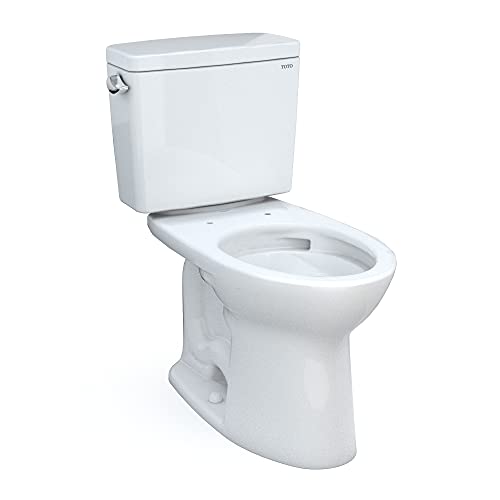
A toilet that flushes twice or phantom flushes is almost always leaking water from the tank into the bowl past a worn flapper, dropping the level until the fill valve refires. Run a food-coloring dye test, clean the flush valve seat, and replace the flapper. If you are replacing the whole toilet, the TOTO Drake is our top pick: a 800 to 1000 gram MaP score, a durable well-sealing flush valve, and a 1.28 GPF WaterSense flush.
A toilet that flushes twice is one of the more confusing problems a homeowner runs into, because the toilet seems to be working and failing at the same time. You push the handle, the bowl clears normally, and then a minute or two later the tank hisses and runs again for a few seconds with nobody near it. Some people describe it as a double flush, others as a delayed second flush, and others as a ghost or phantom flush. They are all the same underlying event: the tank is quietly losing water into the bowl after the real flush, the level falls far enough to trip the fill valve, and the valve refills the tank in a short burst that sounds like a second flush.
It is not haunted, it is not a plumbing emergency, and it is rarely a sign that the whole toilet has failed. What you are hearing is the fill valve doing exactly its job in response to a slow, silent leak. The frequency tells you how bad the leak is. A second flush every couple of hours is a small leak; a second flush a minute after every real flush is a flapper that has nearly given up. The good news is that this is one of the cheapest toilet problems to fix, and it is worth fixing fast, because a leak small enough to be silent can still waste a meaningful amount of water every hour it runs.
This guide follows the way we research everything on this site. We do not physically tear apart toilets in a lab. Instead we compare how toilets are engineered, the published specs that predict reliable sealing, the MaP (Maximum Performance) flush scores that measure real clearing power, and the repair patterns that show up consistently across aggregated owner reviews and plumbing resources. That combination is enough to pinpoint why a toilet flushes twice and to tell you which repairs actually solve it versus which ones just waste an afternoon.
Start here. Take the tank lid off and watch the water for two minutes after a normal flush has finished refilling. If the level very slowly drops on its own, or you hear a faint trickle or hiss between flushes, you have confirmed a leak before doing anything else. Note whether the water is escaping down into the bowl (a flapper or flush valve seal leak, the most common cause) or up and over into the overflow tube (a fill valve set too high). That single observation points you straight at the right section below.
Why Does My Toilet Flush Twice on Its Own?
A toilet flushes twice on its own when water slowly leaks out of the tank into the bowl after the real flush, lowering the tank level until the fill valve clicks on to top it off. That brief refill sounds like a second flush. The leak is almost always a worn or dirty flapper, a flush valve seat fouled by mineral scale, or a misrouted lift chain holding the flapper slightly open.
To fix the problem it helps to understand the mechanism. Your tank holds a set volume of water sealed at the bottom by a rubber or silicone flapper that sits on the flush valve seat. When you push the handle, a chain lifts the flapper, the tank dumps into the bowl, and the flapper drops back to reseal. Meanwhile a fill valve refills the tank to a set level and then shuts off, controlled by a float.
When the seal at the bottom of the tank is not perfect, water seeps out of the tank and into the bowl continuously, even after the flush has finished and the tank has refilled. The level falls so slowly you cannot hear it. After a minute or several hours, depending on the size of the leak, the level drops enough that the float sinks and trips the fill valve, which runs for a few seconds to bring the level back up, then shuts off. That brief unprompted refill is the second or phantom flush. Genuine double flushing, where two full flushes happen back to back from one handle press, is a different and rarer issue, usually a flapper that closes too slowly or a chain set wrong, which we cover further down.
Is a Toilet That Flushes Twice Wasting Water?
Yes, a toilet that flushes twice or phantom flushes is leaking water continuously, and it can waste far more than the short refills suggest. A leak slow enough to be silent still passes water day and night, and a fully failed flapper can run almost constantly. Because the repair usually costs only a few dollars, fixing it quickly is one of the highest-return small jobs in the house.
It is tempting to ignore a second flush because it seems harmless, but it is not. Even a leak too slow to hear can pass a meaningful volume of water continuously, and on a metered supply that adds up on your water bill faster than people expect. A flapper that has fully failed and is leaking fast enough to trigger a refill every minute can waste hundreds of gallons over a week. Because the repair is one of the cheapest in the entire house, fixing it quickly is one of the highest-return small jobs a homeowner can do. There is also a quality-of-life reason: the random nighttime refills that wake light sleepers stop the moment the seal holds.
How Do I Confirm a Toilet Tank Leak (The Dye Test)?
Add several drops of food coloring to the tank water, do not flush, and wait fifteen to thirty minutes. If colored water appears in the bowl, the tank is leaking past the flapper or flush valve seal, which is what causes the second flush. If the bowl water stays clear, the leak is not at the flapper and you should check the fill valve and overflow tube instead.
Before you replace anything, prove where the water is going. The classic, reliable test costs nothing and takes two minutes. It separates the common cause, a leaking flapper, from the less common ones so you do not waste time on the wrong repair. Take off the tank lid and add several drops of food coloring or a dye tablet to the tank water, enough to tint it clearly. Do not flush. Wait fifteen to thirty minutes and then look in the bowl without flushing.
If colored water has appeared in the bowl, water is leaking past the flapper or flush valve seal from the tank, and that is your phantom flush. If the bowl water stays clear, the leak is not at the flapper, and you should look at the fill valve and overflow tube instead. This single test decides which half of this guide applies to your toilet, so do it first.
Tip. Wipe the bowl dry with paper towel just before the test so any new color is obvious, and turn off any automatic bowl cleaner tablets first, since those already tint the water and will give a false positive. Plain food coloring works perfectly and rinses out with the next flush.
Cause 1: A worn or dirty flapper (the most common culprit)
If the dye test showed color in the bowl, the flapper is the prime suspect, and in most twice-flushing cases it is the answer. The flapper is the inexpensive rubber or silicone seal at the bottom of the tank. Over a few years it hardens, warps, develops a chalky film on its sealing edge, or simply distorts so it no longer drops flat onto the seat. Any of those lets a thin film of water slip past continuously, which is exactly the slow leak that triggers the fill valve to refire as a second flush.
Lift the flapper out and feel its sealing edge. A healthy flapper is soft and supple with a clean, smooth edge. A failing one feels stiff, slimy, gritty, or has a visible warp or crack. Run a finger around the flush valve seat it sits on too, because mineral scale or grit on the seat will hold the flapper open a hair even if the flapper itself looks fine. Both surfaces have to be clean and smooth to seal.
How to fix the flapper
Turn off the water at the shutoff valve behind the toilet, flush to empty the tank, and unhook the old flapper from the chain and the flush valve ears or pegs. Take it to the hardware store to match it, since flappers come in two-inch and three-inch sizes and several seat styles. Universal adjustable flappers fit most tanks. Clean the flush valve seat with a sponge or fine nonabrasive pad to remove any scale, set the new flapper in place, reconnect the chain, turn the water back on, and let the tank refill. Most flappers install with no tools and stop the second flush on the first try. After installing, run the dye test again to confirm the leak is gone.
Avoid this mistake. Do not assume a brand-new flapper guarantees a seal if you skipped cleaning the seat. A fresh flapper dropped onto a scaled, rough seat will keep leaking. Five seconds with a sponge on the seat is the difference between a fix that lasts years and one that fails in a week.
Cause 2: Chain length, flapper timing, and genuine double flushing
Sometimes the flapper is fine but it cannot seal properly because of the chain. If the lift chain is too short or it gets caught under the flapper, the flapper is held slightly open and water leaks past nonstop. If the chain is too long, a loop of it can slip under the flapper as it closes and wedge it ajar. Either way you get a continuous trickle that triggers a phantom refill.
The chain is also the usual cause of true double flushing, where a single handle press dumps two flushes in a row. That happens when the flapper floats up and stays open too long, releasing the whole tank instead of dropping back early. An adjustable or weighted flapper that sinks faster, or a slightly shorter chain, fixes it. Check that the chain has just a small amount of slack, about a half inch, when the flapper is fully closed, and that no excess chain can fall under the flapper. Reposition the chain on the handle arm to set the correct length, and if the chain is long, clip off the extra links. This is a free adjustment, and it is worth checking before you buy any parts because a misrouted chain mimics a failed flapper exactly.
Cause 3: A cracked or scaled flush valve seat
If you have fitted a fresh flapper, set the chain correctly, and the dye test still shows a leak into the bowl, the flush valve itself may be the problem. The flush valve is the larger plastic assembly the flapper seats on, with the overflow tube rising from it. Over many years the seat can crack, pit, or build a ring of hard scale that no flapper can seal against, and that keeps the second flush happening no matter how new the flapper is.
Inspect the seat closely under good light. A fine crack, a rough pitted ring, or scale you cannot fully clean off means the seat will keep leaking. The lasting fix is one of two things. A flush valve seat repair kit bonds a smooth new sealing surface over the damaged seat without removing the tank, and it works well for minor pitting. For a cracked or badly worn flush valve, replacing the whole flush valve assembly is the proper repair, though it requires removing the tank from the bowl to reach the large nut underneath. Both are inexpensive in parts, and the repair kit in particular is an easy intermediate step before committing to a full valve swap.
Cause 4: A fill valve set too high or a faulty fill valve
If your dye test came back clear, meaning no color reached the bowl, the leak is not at the flapper. The next suspect is the fill valve and the overflow tube. When the fill valve is adjusted too high, the tank fills until water spills over the top of the overflow tube and runs into the bowl continuously. That drains the tank just like a flapper leak and produces the same phantom second flush, but the water is escaping over the overflow rather than under the flapper.
Look at where the water line sits relative to the top of the overflow tube. It should rest about one inch below the top of that tube. If water is sitting right at the rim or trickling into it, lower the fill valve. Modern column fill valves have an adjustment clip or screw on top; lower the float so the valve shuts off with the water an inch below the overflow. If lowering the float does not stop a constant trickle, the fill valve seal is worn and the valve is not shutting off cleanly. A replacement fill valve is an inexpensive, common part that installs in fifteen minutes and is worth fitting when the old one will not hold a clean shutoff.
Symptom
Most likely cause
Fix
Dye reaches bowl, brief refire a minute or two after each flush
Worn or dirty flapper
Clean seat, replace flapper
Dye reaches bowl, flapper looks fine
Chain caught or wrong length
Reposition the chain
One handle press dumps two full flushes
Flapper floats open too long
Weighted or adjustable flapper
Dye reaches bowl, new flapper still leaks
Cracked or scaled flush valve seat
Seat repair kit or new valve
Bowl clear, water near overflow rim
Fill valve set too high
Lower the float, or replace valve
A quick fix-it order to follow
Working in the right order saves time and avoids replacing parts you did not need to. Here is the sequence that resolves the large majority of twice-flushing toilets, from free to cheap.
Step
Check or fix
Cost
1
Run the food-coloring dye test to locate the leak
Free
2
Inspect and reposition the lift chain
Free
3
Clean the flush valve seat and the flapper edge
Free
4
Replace the flapper with a matching universal flapper
Low cost part
5
Lower the fill valve float if water reaches the overflow
Free
6
Fit a flush valve seat kit or replace the fill valve if needed
Low cost part
Almost every twice-flushing toilet is cured somewhere in the first four steps, because a leaking flapper or a fouled seat is the cause far more often than not. Only when the dye test points away from the flapper, or a fresh flapper still leaks, do you move to the fill valve or flush valve. If the toilet also barely clears the bowl when you do press the handle, that is a separate problem, and how to fix a toilet that is not flushing properly covers it, while a flush that has simply gone soft is addressed in our weak toilet flush fix with its causes and solutions.
Editorial Take
The single most common reason a flapper repair fails and the toilet starts flushing twice again within weeks is a drop-in chlorine cleaning tablet sitting in the tank. The chlorine attacks rubber seals and chews through a new flapper fast. If you want the repair to last, pull the tablet, switch to an in-bowl cleaner, and choose a tank-safe flapper. That one change is worth more than buying the most expensive flapper on the shelf.
When flushing twice means it is time to think about replacement
Flushing twice on its own is never a reason to replace a toilet, because the leaking parts are all cheap and serviceable. But if you are already fighting an old toilet that phantom flushes, flushes weakly, clogs often, and uses a thirsty 3.5 GPF per flush, the repairs start to feel like patching something that was never efficient to begin with. In that case, the smarter long-term move is upgrading to a modern, well-sealing, water-efficient toilet that flushes more powerfully while using less water.
The specs that predict a reliable, leak-resistant, strong toilet are a high MaP (Maximum Performance) score, which measures how many grams of solid waste a single flush clears, a wide glazed trapway, and an EPA WaterSense 1.28 GPF rating. Aim for a MaP score of 800 grams or higher for a family bathroom. Many newer toilets also use canister-style flush valves with a large, durable 360-degree seal that resists the slow seepage behind phantom flushing far better than a small flapper does. The three picks below all pair high independent flush scores with efficient water use and deep, positive owner track records.
Which Toilet Is Best to Stop Phantom Flushing for Good?
The TOTO Drake is the best replacement to end phantom flushing, because it pairs a high MaP flush score with a durable, well-sealing flush valve and an easy-to-source parts ecosystem. For the most leak-resistant seal, the Kohler Cimarron uses a large canister valve, and the American Standard Cadet 3 is the best value upgrade with a strong, dependable 1.28 GPF flush.
Most Reliable Seal
TOTO Drake
High MaP score and a durable flush valve seal
4.7
A top-tier MaP score, a wide fully glazed trapway, and an efficient 1.28 GPF flush make the Drake a powerful upgrade, and its proven flush valve keeps a clean seal with an easy-to-source parts ecosystem if service is ever needed.
Kohler's Class Five engine moves water with real force at 1.28 GPF, and its canister-style valve uses a large 360-degree seal that resists the slow seepage behind phantom flushing far better than a small flapper does.
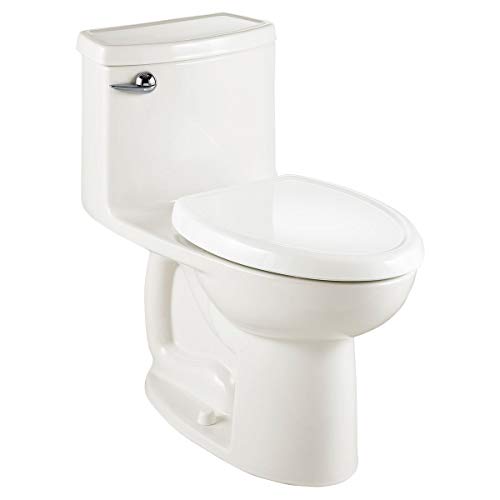
The Cadet 3 pairs a wide flush valve and an EverClean glazed surface with a 1.28 GPF flush, delivering reliable clearing power and a clean, well-sealing tank that makes it a sensible, budget-conscious replacement.
If the repair route is not worth it on an old, thirsty toilet, these are the models that consistently combine a strong, well-sealing flush with efficient water use. Each is WaterSense certified at 1.28 GPF or better, and each carries the kind of durable flush valve that resists the slow leaks behind a phantom flush.
If you are choosing a replacement specifically because the old toilet would not stop phantom flushing, prioritize the flush valve design over raw MaP grams. A canister-style valve like Kohler's, or TOTO's proven flapper-and-seat system with cheap, universally stocked parts, will save you far more grief over ten years than chasing the last hundred grams of flush rating. Buy the toilet you can service easily, then confirm the rough-in matches yours before you order.
Putting it all together
A toilet that flushes twice is not haunted and it is rarely serious. It is a slow tank leak announcing itself with a brief, unprompted refill that sounds like a second flush. Start with the free food-coloring dye test to find out whether water is escaping under the flapper or over the overflow. If color reaches the bowl, clean the flush valve seat, set the chain correctly, and replace the worn flapper, which fixes the great majority of cases for a few dollars. If the bowl stays clear, lower the fill valve so water sits an inch below the overflow, and replace the fill valve if it will not hold a clean shutoff. Only when a fresh flapper still leaks do you step up to a flush valve seat kit or a full valve swap. Fix it quickly, because even a silent leak wastes water every hour it runs. For more on getting more power out of any toilet, see how to improve toilet flush power with seven proven fixes, and if clogging is also in the mix, why your toilet keeps clogging and how to fix it goes deeper. For the full ranked list of upgrade options, see our roundup of the best flushing toilets.
FAQ
Frequently asked questions
? Why does my toilet flush twice on its own?
It is a slow leak of water out of the tank into the bowl after the real flush. The level drops until the fill valve clicks on to top it off, and that brief refill sounds like a second flush. The leak is almost always a worn or dirty flapper, a flush valve seat fouled by mineral scale, or a misrouted lift chain holding the flapper slightly open.
? What is a phantom flush?
A phantom flush, also called a ghost flush, is a short unprompted refill of the tank when nobody has touched the handle. It happens because water has leaked out of the tank into the bowl, lowering the level enough to trip the fill valve. It is the same mechanism that makes a toilet appear to flush twice.
? How do I find a toilet tank leak?
Use the food-coloring dye test. Add several drops of food coloring or a dye tablet to the tank water, do not flush, and wait fifteen to thirty minutes. If colored water appears in the bowl, the tank is leaking past the flapper or flush valve seal. If the bowl water stays clear, the leak is not at the flapper, and you should check whether the fill valve is set too high and spilling into the overflow tube.
? Will replacing the flapper stop the second flush?
In most cases, yes. A worn flapper is the single most common cause, and a fresh, correctly matched flapper restores the seal and stops the phantom refills. The key step people skip is cleaning the flush valve seat the flapper sits on, since scale or grit on the seat will keep a brand-new flapper from sealing. Clean the seat, fit the flapper, and run the dye test again to confirm the leak is gone.
? What is the difference between flushing twice and a double flush?
Flushing twice usually means a phantom refill a minute or two after the real flush, caused by a leak. A true double flush is when one handle press releases two full flushes back to back, caused by a flapper that floats open too long. The phantom version is fixed by sealing the flapper; the double version is fixed with a weighted or adjustable flapper or a shorter chain.
? Is a toilet that flushes twice wasting a lot of water?
It can waste more than you would think. A leak slow enough to be silent still passes water continuously, day and night, and a flapper that has fully failed can run almost constantly. Because the repair usually costs only a few dollars for a flapper, fixing it quickly is one of the highest-return small jobs in the house and pays for itself fast on a metered water supply.
? Can a cleaning tablet in the tank cause my toilet to flush twice?
Yes. Many drop-in tank tablets contain chlorine that gradually breaks down rubber flappers and seals, which is a common reason a toilet starts phantom flushing a year or two after a tablet was added. Switch to an in-bowl cleaner, or use only tablets specifically labeled tank-safe, to keep a new flapper from failing early.
? How do I adjust the lift chain to stop a leak?
Set the chain so there is about a half inch of slack when the flapper is fully closed, and make sure no excess chain can fall under the flapper as it drops. Reposition the chain on the handle arm to set the length, and clip off extra links if it is too long. A chain caught under the flapper holds it open a hair and causes a continuous trickle that mimics a failed flapper.
? What if the dye test shows the bowl water staying clear?
That means the leak is not at the flapper. Check the fill valve and overflow tube. If the water line sits at or above the top of the overflow tube, the fill valve is set too high and water is spilling into the bowl. Lower the float so the water rests about one inch below the overflow. If a constant trickle continues after lowering the float, replace the fill valve.
? Where should the tank water level sit?
The water line should rest about one inch below the top of the overflow tube. If it sits at the rim or trickles into the tube, the fill valve is overfilling and water is running into the bowl, which produces the same phantom flush as a flapper leak. Lower the float to bring the level down to the correct mark.
? Do I need a plumber to fix a toilet that flushes twice?
Usually not. The dye test, chain adjustment, seat cleaning, and flapper or fill valve replacement are all simple jobs that require no special tools and cost only a few dollars in parts. A plumber only becomes worthwhile if the flush valve itself is cracked and the tank has to come off the bowl, and even then a flush valve seat repair kit often avoids that.
? What is a good MaP score for a replacement toilet?
MaP (Maximum Performance) testing measures how many grams of solid waste a single flush clears. For a family bathroom, aim for a MaP score of 800 grams or higher. Many top toilets such as the TOTO Drake, Kohler Cimarron, and American Standard Cadet 3 reach 800 to 1000 grams while still using only 1.28 GPF.
? What is EPA WaterSense and why does it matter here?
EPA WaterSense is a certification for toilets that use 1.28 GPF or less while still meeting strict performance standards. It matters because a phantom flush wastes water, and replacing an old 3.5 GPF toilet with a WaterSense model both stops the leak and cuts water use on every real flush.
? Will a canister flush valve prevent phantom flushing better than a flapper?
It tends to. Canister-style valves, used in many Kohler toilets, seal with a large 360-degree gasket rather than a small flapper edge, so there is more sealing surface and less chance of a slow leak developing. A traditional flapper system can still be very reliable, especially with proven, easy-to-replace parts like those on the TOTO Drake.
? Can hard water cause a toilet to flush twice?
Yes. Hard water deposits mineral scale on the flush valve seat and on the flapper edge over time, which prevents a clean seal and lets water seep into the bowl. Cleaning the scale off the seat and fitting a fresh flapper usually solves it, and a water softener slows the buildup from returning.
? How long does a flapper last before it needs replacing?
A typical rubber flapper lasts roughly three to five years, less if a chlorine tank tablet is present or the water is heavily chlorinated. Once it hardens, warps, or grows a chalky film on its edge, it stops sealing and the toilet begins to phantom flush. Replacing it is a quick, low cost job.
? Could the problem be the handle or flush button instead?
Occasionally. A handle that sticks or a flush button that does not fully release can hold the flapper open after a flush, mimicking a leak. Wiggle the handle after flushing to see if the running stops; if it does, the handle arm or button mechanism is binding and needs cleaning or replacing.
? Which brands make the most leak-resistant toilets?
TOTO, Kohler, and American Standard consistently earn strong aggregated owner reviews for durable flush valve seals and easy-to-source parts. Woodbridge, Swiss Madison, and Gerber also make solid options, with the Gerber Viper and Avalanche and the Woodbridge T-0001 and T-0019 frequently cited for dependable flushing at accessible value.
Manufacturer published specifications (TOTO, Kohler, American Standard)
Our Verdict
A toilet that flushes twice is a slow tank leak, not a failing toilet. Run the dye test, then clean the seat and replace the flapper, which fixes nearly every case for a few dollars. If the bowl stays clear, lower the fill valve or replace it. Only a fresh flapper that still leaks calls for a flush valve seat kit or full swap. If the toilet also flushes weakly, clogs, or guzzles water, a modern high-MaP upgrade like the TOTO Drake, Kohler Cimarron, or American Standard Cadet 3 with a durable, well-sealing flush valve is the lasting fix. Check the current price on Amazon and confirm the rough-in matches yours before you order.
Derek researches plumbing specifications, installation requirements and parts availability, cross-checking manufacturer claims against owner-reported reliability. Rankings are based on documented data and real owner reports, never paid placement.
Updated August 2026 · Toilets
Keep reading
Related guides
Why Toilet Trapways Are Curved Like an S
Toilets
4.6
Learn why toilet trapways curve like an S, how each bend blocks sewer gas, and what the shape means for clogs and…