Master bathroom renovations rank among the most complex home improvement projects a homeowner can take on. Unlike a powder room refresh or a kitchen cabinet repaint, a master bath remodel almost always involves licensed plumbing, electrical work, waterproofing, tile-setting, and a minimum of three or four subcontractors working in sequence. Getting costs wrong at the planning stage leads to mid-project stops, financing surprises, and rushed decisions that compromise quality.
This guide pulls together contractor pricing data, published material costs, and fixture specification sheets to give you a realistic line-by-line picture of what a master bath remodel costs in 2026. Whether you are planning a cosmetic refresh or a full gut-and-rebuild, the numbers below reflect current labor markets and material prices -- not figures from 2019 or 2021 that have not been updated.
What Does a Master Bath Remodel Cost on Average in 2026?
According to contractor pricing surveys and published remodeling cost reports, the average master bath remodel in the United States runs $15,000 to $30,000 for a mid-range scope in 2026. A basic cosmetic update (new fixtures, paint, vanity) typically lands between $5,000 and $12,000, while a full gut renovation with custom tile, radiant heat, and premium fixtures can exceed $60,000 in high-cost metro areas.
The single biggest variable is scope. Homeowners who move walls, relocate drain lines, or add a wet room with frameless glass will see costs climb faster than those who keep plumbing and layout in the existing footprint. Understanding which budget category your project falls into is the first and most important planning decision.
The mid-range tier is highlighted as the "best value" bracket because it is where most homeowners achieve both functional improvement and meaningful resale return. Spending above $50,000 on a master bath in a house valued below $400,000 rarely recovers full ROI at sale.
What Are the Biggest Cost Items in a Master Bathroom Remodel?
Labor is consistently the largest single cost category, representing 40 to 60 percent of total project spend. Tile work, plumbing rough-in, and electrical are the three most expensive labor lines. Materials -- tile, vanity, fixtures, and the toilet -- account for the remaining 40 to 60 percent, with shower enclosures and custom cabinetry being the most expensive material purchases.
Labor Costs by Trade
In 2026, licensed plumbers bill $90 to $200 per hour depending on region, with full rough-in and fixture-set jobs often quoted as flat-rate packages. Tile setters charge $8 to $25 per square foot for labor alone, a range that depends heavily on tile size, pattern complexity, and whether a waterproof membrane is required. Electricians add $60 to $150 per hour for panel-safe bathroom circuits, GFCI outlet installation, and exhaust fan wiring.
Expert Take
Moving the toilet or shower drain even two feet can add $1,500 to $4,000 to a plumbing bill because the subfloor must be opened, the P-trap repositioned, and the concrete slab -- if present -- may need cutting. The most cost-efficient remodels keep all plumbing in place and invest the savings in better tile and fixtures.
How Much Should You Budget for Fixtures Including the Toilet?
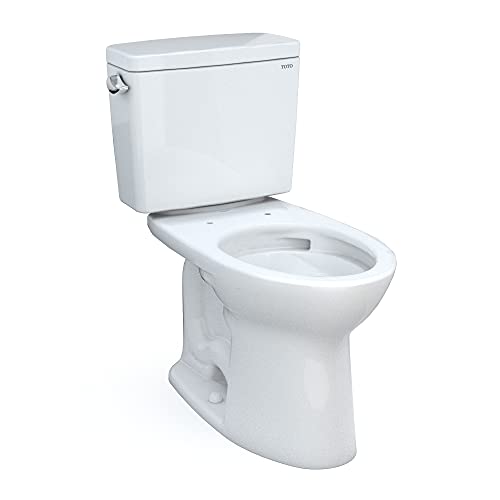
Fixtures -- toilet, vanity faucet, shower valve, tub filler, and accessories -- typically account for $2,500 to $12,000 of a master bath remodel budget. The toilet alone ranges from about $300 for a basic two-piece model to $1,200 for a one-piece elongated unit with dual-flush. Premium bidet-integrated toilets from brands like TOTO can reach $3,000 to $10,000 installed.
Choosing an EPA WaterSense-certified toilet during a remodel is one of the easiest ways to future-proof the project. WaterSense models flush at 1.28 gallons per flush (GPF) or less -- compared to 3.5 GPF or more in toilets made before 1994 -- which can save a family of four more than 13,000 gallons of water per year.
Toilet Budget Tier Breakdown
The MaP (Maximum Performance) flush-test program independently rates toilets by grams of bulk waste cleared in a single flush, with 1,000 grams being the maximum tested. The TOTO Drake, Drake II, UltraMax II, and Aquia IV all achieve 1,000-gram MaP scores while staying at or below 1.28 GPF -- making them strong candidates for a remodel where you want to meet local water-efficiency codes without sacrificing flush performance. See our detailed breakdown at best flushing toilets and our ADA-compliant toilet guide if you are designing a multi-generational master bath.
Vanity and Countertop Material Costs
Vanity cabinetry and the countertop are the second most visible fixture category. A 48-inch to 60-inch double-sink vanity with a quartz top runs $800 to $3,500 for materials. Stock vanities from home centers are available from $400 to $1,000; semi-custom units from specialty retailers range from $1,200 to $4,000; and fully custom built-ins can reach $8,000 or more before countertop costs.
Countertop material price per square foot (materials only):
- Cultured marble: $25 to $50
- Ceramic tile: $15 to $40
- Quartz (engineered): $60 to $120
- Marble: $80 to $200
- Quartzite: $60 to $150
- Porcelain slab: $70 to $180
Expert Take
Quartz hits the best balance of durability, maintenance, and cost for master bath countertops. It is non-porous (no sealing required), rated for bathroom humidity, and available in slab sizes that allow single-seam installations on standard double-vanity widths. Natural marble is beautiful but requires annual sealing and is vulnerable to etching from toothpaste and cleaning products.
How Much Does Tile Cost for a Master Bathroom Remodel?
Tile materials for a full master bath remodel -- floor, shower walls, and tub surround -- typically cost $1,200 to $6,000 depending on tile type, square footage, and waste factor. Labor to install tile adds another $1,500 to $10,000. Large-format porcelain, handmade ceramic, and natural stone all carry higher labor costs because of cutting complexity and setting-bed preparation requirements.
A standard 80-square-foot master bath floor in 12-by-24-inch porcelain tile costs roughly $2 to $8 per square foot for mid-grade tile, plus a 10 to 15 percent waste allowance. Shower walls in a 36-by-36-inch shower stall cover approximately 130 to 160 square feet including the curb and ceiling if tiled. Full mud-bed shower pan construction adds $600 to $1,500 over a prefab pan.
Should You Keep the Tub or Replace It with a Walk-In Shower?
Real estate guidance consistently recommends keeping at least one bathtub in a home if families with children are the target buyer pool. However, in master bathrooms specifically, removing a tub in favor of a larger walk-in shower is increasingly accepted by appraisers when a separate soaking tub or secondary bathroom tub exists. A tub-to-shower conversion costs $1,500 to $5,000; a new freestanding soaking tub costs $500 to $4,000 for the fixture plus $400 to $1,200 for a floor-mount filler.
The tub-versus-shower debate in master bath planning is more a resale calculation than a personal preference one. If your home has a second full bathroom with a tub, removing the master bath tub is unlikely to hurt appraisal value -- provided the resulting walk-in shower is large enough (ideally 36 by 48 inches or larger) and well-finished. The upgrade to frameless glass, large-format tile, and a linear drain can make a shower conversion feel more luxurious than a builder-grade tub surround.
Shower Type Cost Comparison
Curbless wet-room designs also intersect with ADA accessibility considerations. If you are planning a bathroom remodel with aging-in-place in mind, see our accessible bathroom remodel guide for grab-bar placement, curbless threshold requirements, and comfort-height toilet specifications.
What Hidden Costs Should You Budget for in a Master Bath Remodel?
Permits, structural surprises behind walls, mold remediation, and subcontractor scheduling delays are the most common hidden costs in master bath renovations. Permits alone run $500 to $2,500 depending on municipality and project scope. Mold remediation -- discovered when demo reveals years of tile-grout moisture intrusion -- adds $1,000 to $5,000 in unexpected spend. Veteran remodelers recommend budgeting a 15 to 20 percent contingency on every bathroom project.
Budget Contingencies to Include
- Permit fees: $300 to $2,500 depending on city and project valuation.
- Lead and asbestos testing: $200 to $800 in homes built before 1980. Remediation can add $1,000 to $10,000.
- Subfloor repair: Water-damaged subfloor replacement costs $500 to $2,500 for a typical master bath.
- Mold remediation: Common in tile shower surrounds, $800 to $5,000.
- Panel or circuit upgrade: Required if adding heated floors or a steam generator, $1,500 to $4,000.
- Waterproofing failures: Improperly installed backer board behind tile must be fully removed and reset, $600 to $2,500.
- Window replacement: Moisture-damaged bathroom windows, $400 to $1,200 per window.
- Exhaust fan upgrade: Adding a quiet, properly-sized ventilation fan is $150 to $600 installed.
Expert Take
Homeowners who skip the permit process to save $500 to $2,000 often pay far more at sale time. Unpermitted plumbing and electrical work can block closings, require retroactive inspection, or force removal and re-do at significant cost. If a contractor suggests skipping permits, treat that as a red flag about their overall professionalism and liability coverage.
DIY vs. Hiring a General Contractor
A licensed general contractor (GC) manages scheduling, permitting, and trade coordination for a markup of 10 to 25 percent on total project cost. On a $20,000 remodel, that is $2,000 to $5,000 -- money well spent for homeowners who do not have time to coordinate three or four separate subcontractor schedules and juggle permit inspections.
Owner-managed projects (where you hire plumber, electrician, and tile-setter directly) can save that markup, but require significant availability and project management skill. Tile setting and painting are the most approachable DIY categories for experienced homeowners; plumbing and electrical should almost always be permitted and licensed.
Timing and Project Duration
A standard mid-range master bath remodel takes four to eight weeks from demo to punch-list completion. Complex renovations with custom tile, structural changes, or supply-chain-dependent fixtures can run 10 to 16 weeks. The shower tile typically sets the critical path -- it must cure and dry fully before glass installation, which must finish before final plumbing trim-out.
Incorporating Water Efficiency Into Your Remodel Budget
A master bath remodel is the ideal moment to replace an aging toilet with an EPA WaterSense-certified model. WaterSense toilets use no more than 1.28 GPF, and many municipalities offer rebates of $50 to $200 per toilet. The TOTO Drake II and Kohler Highline both carry WaterSense certification and MaP maximum scores of 1,000 grams, meaning they clear waste effectively at low GPF with no second-flush compromise.
For households replacing a toilet made before 1994, the water savings alone can pay back the fixture cost within three to five years in moderate-water-rate cities. Cities with tiered water billing accelerate that payback further. Our ADA bathroom guide covers comfort-height seat standards that pair well with high-efficiency elongated toilet bowls for older adults.
If you are undecided on toilet selection, the best flushing toilets guide compares current MaP scores, GPF ratings, and trapway sizes across all major brands and price tiers to help you match the right model to your new master bath footprint.
Financing a Master Bath Remodel
Three financing paths dominate master bath remodels: home equity lines of credit (HELOCs), cash-out refinancing, and personal improvement loans. HELOCs typically carry the lowest interest rates because they are secured by home equity, but they add mortgage risk. Personal loans are faster to close but carry higher rates. Many homeowners blend methods, using savings for fixtures and financing only labor and permit costs.
Return on Investment at Resale
Published remodeling cost-vs-value data consistently shows master bath remodels returning 55 to 65 percent of project cost at resale in most U.S. markets. That figure is higher (60 to 72 percent) in competitive urban markets where move-in-ready bathrooms command premiums, and lower (45 to 55 percent) in slower rural markets where buyers expect to personalize the space themselves.
ROI calculations should not be the only driver of design decisions in a home you plan to occupy long-term. Heated tile floors, a frameless shower, and a high-performance toilet that never clogs deliver daily quality-of-life returns that do not show up in resale spreadsheets. The best remodels balance immediate livability with reasonable resale appropriateness for the home's value tier.