

Best Art Deco Bathroom Vanities (2026)
Bathroom Remodeling4.6
Stepped fronts, symmetrical geometric cabinetry and polished brass hardware that bring 1920s glamour to a modern vanity, without giving up soft-close storage.
Read the guideA clear-eyed guide to which bathroom projects save you real money versus which ones you should hand off to a licensed contractor -- with realistic cost ranges, skill-level ratings, and the permit rules you cannot ignore.
Research updated June 2026.
Most homeowners can DIY painting, vanity swaps, fixture upgrades, toilet replacement, and tile in small areas without a permit. Structural changes, new plumbing runs, and electrical panel work require licensed contractors. Matching the right skill level to each task is what separates a weekend win from a costly mistake.
A bathroom remodel ranks among the highest-return home improvements -- the 2025 Remodeling Impact Report from the National Association of Realtors showed a midrange bathroom remodel recovering roughly 71 cents on the dollar at resale. But labor is where budgets explode. According to HomeAdvisor aggregated data, professional labor accounts for 40 to 60 percent of total bathroom remodel cost in most markets. That is the gap DIY can close, but only if you choose the right tasks.
This guide walks through every major bathroom remodel task category, assigns it a realistic skill rating, flags where permits are legally required, and explains how to handle the toilet replacement piece -- which is often the most intimidating task for first-timers yet one of the most manageable with the right preparation.
A DIY bathroom remodel means homeowners complete some or all labor tasks themselves instead of hiring tradespeople. Depending on project scope, self-performing the work on a full bathroom gut-and-refresh can reduce total project cost by $3,000 to $8,000 compared to full contractor pricing. The savings are highest on cosmetic tasks like painting, vanity replacement, and fixture swaps -- and smallest on rough plumbing and electrical, where code errors can be expensive to correct.
The math is straightforward. A plumber charges $85 to $150 per hour in most U.S. markets. A toilet swap that takes a professional 45 minutes takes most careful homeowners two to three hours on first attempt -- still a net win. Painting a bathroom that a painter would charge $400 for can cost you $60 in materials and three hours. The multiplication across a full remodel is meaningful.
What the math does not capture is the cost of mistakes. A toilet that rocks on an unlevel floor, grout that cracks because the substrate moved, or a GFCI outlet wired backward create expensive callbacks. The sections below give you honest skill ratings so you can make the call before you start, not mid-project.
| Task | DIY-Able? | Skill Level | Typical Pro Cost (Labor Only) | Permit Typically Required? |
|---|---|---|---|---|
| Painting walls and ceiling | Yes | Beginner | $300 to $600 | No |
| Toilet replacement (same rough-in) | Yes | Beginner-Intermediate | $150 to $300 | Usually No |
| Vanity and faucet swap | Yes | Beginner-Intermediate | $200 to $400 | Usually No |
| Shower/tub surround tile | Yes (with prep) | Intermediate | $800 to $2,000 | Varies |
| Floor tile replacement | Yes | Intermediate | $600 to $1,500 | Usually No |
| GFCI outlet replacement | Yes (carefully) | Intermediate | $100 to $200 | Varies by jurisdiction |
| Moving a drain or toilet flange | Not recommended | Advanced / Pro | $500 to $1,500 | Yes |
| New plumbing rough-in | Not recommended | Pro | $1,500 to $4,000+ | Yes |
| Electrical panel or new circuit | No | Licensed Electrician | $500 to $1,200+ | Yes |
Beginners can confidently handle painting, caulk removal and reapplication, mirror and light fixture swaps (existing wiring), toilet replacement on the same rough-in, vanity and faucet replacement, and accessory installation like towel bars and toilet paper holders. These tasks require basic tools, carry low code risk, and provide clear visual feedback when done correctly.
Bathroom paint requires a moisture-resistant formula -- look for products labeled "bathroom paint" or "kitchen and bath." Flat finishes hide imperfections but show scrub marks over time; satin or semi-gloss hold up better to steam and cleaning. Proper prep (cleaning, patching, priming bare drywall or newly skimmed spots) determines how long the finish lasts. A quality brush for cutting in and a 3/8-inch nap roller for walls will do the job. Budget 4 to 6 hours for a standard 5x8 bathroom including prep.
Swapping a toilet on an existing flange is one of the most empowering beginner plumbing tasks. The key variables to confirm before buying are rough-in distance (the measurement from the finished wall to the center of the floor flange drain -- 12 inches is standard, but 10-inch and 14-inch rough-ins exist), bowl shape (round or elongated), and seat height (standard 15 to 17 inches, or ADA comfort height at 17 to 19 inches).
When selecting a replacement, efficiency and flush performance matter more than price. The EPA WaterSense program certifies toilets that use no more than 1.28 gallons per flush (GPF) while meeting minimum performance standards. Independent MaP (Maximum Performance) testing from the Canadian Water and Wastewater Association grades toilets on bulk waste removal -- a score of 600g or higher is considered solid performance; 1,000g is the maximum. MaP Premium certification (formerly MaP PREMIUM) requires a 1,000g MaP score at 1.1 GPF or less.
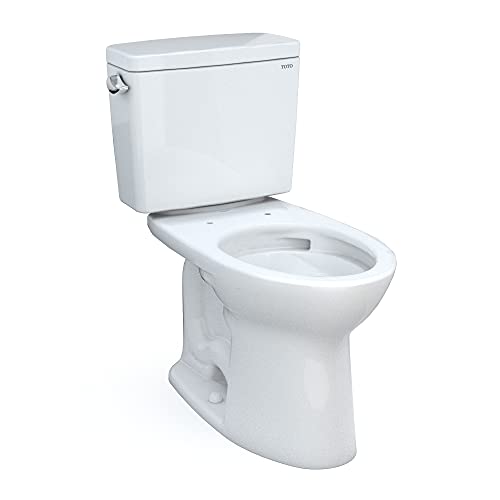
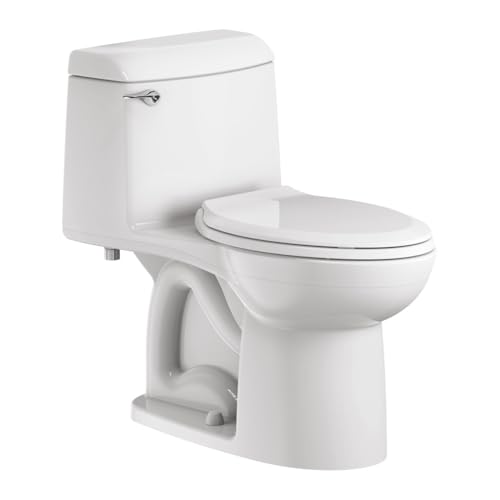
Well-regarded choices for DIY replacement include the TOTO Drake (MaP score 1,000g, 1.6 GPF) and the TOTO Drake II (1.28 GPF, WaterSense certified, 1,000g MaP). The American Standard Champion 4 uses a 4-inch piston flush valve that pushes 1,000g MaP at 1.6 GPF. The Kohler Cimarron offers AquaPiston technology and 1.28 GPF WaterSense performance, also MaP tested.
You can find a deeper comparison in our guide to best flushing toilets, which covers MaP scores, trapway sizes, and real-owner aggregated reviews across 14 models.
The number-one mistake homeowners make on a DIY toilet swap is skipping the wax ring seating step. The ring must contact the flange horn evenly before the toilet base touches the floor -- setting the bowl down and rocking it to "feel" for level destroys the wax seal. Lower straight down, check for wobble, and only tighten the flange bolts until snug. Over-tightening cracks the porcelain base, and that is not covered under warranty on any brand.
Step-by-step toilet replacement overview:
Replacing a vanity is essentially furniture installation plus reconnecting supply lines and a drain -- no soldering, no new rough-in. The main challenges are securing the vanity to wall studs, cutting the countertop for the faucet if it is not pre-drilled, and installing a P-trap that connects cleanly to the existing drain in the wall. Freestanding and semi-recessed vanities are the most forgiving for DIYers because they do not require precise wall cuts.
Intermediate-level DIY tasks include floor tile replacement, shower wall tile installation, GFCI outlet swaps, installing a ventilation fan in an existing housing, and basic drywall repair or replacement. These tasks require more preparation, some understanding of waterproofing principles, and comfort with basic electrical or tile-setting tools, but they are within the range of a motivated homeowner who reads the full instructions and watches installation videos specific to their product.
Tile is unforgiving of a bad subfloor. Before setting any tile, confirm the subfloor deflects no more than L/360 of the span length -- for a 10-foot span that means less than 1/3 inch of flex. A flexible subfloor cracks grout and eventually pops tiles. In most bathrooms this means installing 1/4-inch cement backer board (like Schluter DITRA or USG Durock) over the existing subfloor with thinset and screws, then tiling over that.
For a 5x8 bathroom, plan 2 to 3 days total: one day for backer board and layout planning, one day for tiling, one day for grouting. A 10 to 15 percent overage on tile handles cuts and waste. Rectified porcelain tiles (precision-cut edges) allow tighter grout joints and a cleaner look but require a flatter substrate. Natural stone needs sealing before and after grouting.
This is where most DIY mistakes turn into mold problems. The substrate behind wet-area tile must be waterproof -- standard drywall is not acceptable. Code-compliant options include cement board with a liquid-applied membrane (like Laticrete Hydro Ban or RedGard), prefabricated foam shower systems (Schluter Kerdi, Wedi, ProVa Flex), or traditional hot-mopped mortar beds for floors. The Tile Council of North America (TCNA) publishes installation method guides that are the industry reference.
A properly waterproofed shower surround tiled over cement board with a quality large-format tile and epoxy grout will last 20+ years. A surround tiled over regular drywall with standard sanded grout begins failing within 3 to 5 years.
The most common intermediate DIY error in shower tile work is insufficient waterproofing at transitions -- where the floor meets the wall, where the niche inserts, and where the curb meets the shower pan. These are the leak points that show up 18 months later as black staining on the drywall on the other side of the wall. Liquid membrane must be applied in two coats with fabric reinforcement tape at all corners and transitions -- every manufacturer's installation guide requires it, but first-time tilers often skip or undercoat these areas.
Replacing a bathroom exhaust fan in the same housing (same mounting bracket, same duct connection) is intermediate electrical work because you are working with live wires. Turn off the breaker at the panel, verify power is off with a non-contact tester, and swap the motor/fan assembly. If the replacement fan is a different size or requires a new duct run, complexity increases significantly -- new duct runs through attic space to an exterior vent can take a full day.
Bathroom code in most U.S. jurisdictions (per IRC Section R303.3) requires mechanical ventilation in bathrooms without operable windows. A fan rated at the correct CFM for the room is not optional -- it is what prevents the chronic moisture that leads to peeling paint, failing grout, and eventually structural damage.
Any work that involves moving, adding, or removing drain lines, supply lines, or vent stacks requires a licensed plumber in most states, and a permit. New electrical circuits, panel upgrades, and adding circuits for heated floors or steam showers require a licensed electrician. Structural modifications -- removing a wall, relocating a load-bearing header -- require a structural engineer's assessment and licensed contractor work in virtually all jurisdictions.
Moving a toilet 6 inches to the left means cutting into the subfloor, relocating the drain stack tie-in, and repositioning the flange -- a task that, done incorrectly, causes leaks inside walls and beneath floors that may not be discovered for months. The International Plumbing Code specifies drain slope (1/4 inch per foot for 3-inch and 4-inch drains), vent pipe sizing, and clearance requirements. These are not suggestions -- they determine whether drain lines flow freely or back up.
If you need a toilet moved more than an inch or two from its current position, budget for a licensed plumber. In many markets a rough-in plumbing permit also requires a rough-in inspection before the subfloor is closed up, which protects you legally and ensures the work was done to code.
Electric radiant floor heating under tile (systems from brands like Nuheat, Schluter DITRA-HEAT, or WarmlyYours) involves the floor mat installation being a DIY-intermediate task, but the electrical connection from the thermostat to the electrical panel is code-regulated. In most states, connecting a new 120V or 240V circuit to the panel requires a permit and a licensed electrician. The floor mat portion -- embedding it in thinset beneath tile -- is well within intermediate DIY capability.
Adding a shower or tub to a space that does not have one requires new supply lines, a new drain, and new vent stack tie-in -- full licensed plumbing work with permits. This type of expansion project also typically requires structural assessment if an existing wall is being reconfigured. The permit and inspection process for this work exists to protect future buyers and your homeowner's insurance coverage.
Permit requirements vary by jurisdiction, but a general rule is this: cosmetic work (painting, fixture swaps, vanity replacement, floor tile in a same-footprint replacement) typically does not require a permit. Any structural change, new plumbing rough-in, new electrical circuit, or significant change to the shower or tub setup typically does. Working without a required permit creates liability at resale and can void homeowner's insurance claims on related damage.
The safest approach before starting any remodel is a 10-minute call to your local building department. They will tell you what your specific project requires. Many jurisdictions have updated their permit portals and allow homeowners to self-permit for basic plumbing and electrical work -- which means you can legally do the work yourself after passing an inspection.
Common permit triggers in bathroom remodeling:
Common non-permit work in most jurisdictions:
A cosmetic refresh of a standard 5x8 bathroom -- painting, vanity swap, toilet replacement, new accessories, light fixture -- typically takes one weekend plus a few evenings over 2 to 3 weeks to allow for dry times and material delivery. A mid-level remodel that includes tile work, a new vanity top, and a tub surround replacement typically takes 3 to 6 weekends for an intermediate DIYer. A full gut-and-rebuild, including demo, new backer board, full tile, plumbing fixture replacement, and electrical, is a 4 to 8 week project done at weekends-only pace.
The most reliable schedule approach for DIY bathroom work is to sequence tasks so that you never create a situation where the bathroom is completely unusable for more than one day -- if you have only one bathroom in the home. The sequence that works for most cosmetic remodels is:
Budget overruns on DIY bathroom remodels almost always trace to two sources: discovering rot or water damage behind the walls during demo, and underestimating the labor hours on tile work. For any bathroom that has had a known leak or shows soft spots in the floor, build a 20 percent contingency into both the material budget and the schedule. The rot discovery moment is not a crisis -- catching it during a planned remodel is far better than discovering it during a sale inspection.
When replacing a toilet as part of a larger remodel, the selection criteria shift slightly. You want a model that:
The TOTO UltraMax II is a one-piece option (easier to clean, no tank-to-bowl gasket to maintain) with a 1,000g MaP score and 1.28 GPF WaterSense rating -- well-suited for a master bathroom where aesthetics and long-term low maintenance matter. The Woodbridge T-0001 offers a modern skirted profile at a lower price point, though owner reviews note that parts availability is more limited than TOTO or Kohler. For a guest bathroom or rental property, the American Standard Cadet 3 remains a consistently reviewed two-piece with a fully glazed 2-inch trapway and strong MaP performance. The Gerber Viper is worth noting for its EverClean surface (antimicrobial glaze) and 1,000g MaP score at 1.0 GPF -- one of the more water-efficient performers in the category.
See our guide to measuring toilet rough-in distance before ordering if you are not certain of your current rough-in size, and check EPA WaterSense certified toilets for rebate eligibility in your zip code.
For a full cosmetic DIY bathroom remodel, the tool list that covers most tasks:
In most U.S. jurisdictions, replacing a toilet in the same location with the same rough-in size does not require a permit. This is considered a like-for-like fixture replacement. However, local rules vary -- always verify with your building department before starting.
A contractor-managed mid-range bathroom remodel averages $10,000 to $18,000 nationally. A DIY version of the same scope using the same materials typically costs $4,000 to $8,000 because you eliminate 40 to 60 percent of the labor costs. The savings depend heavily on how many trades you self-perform.
Rough-in is the distance from the finished wall behind the toilet to the center of the floor drain (flange). Standard is 12 inches. If you buy a 12-inch rough-in toilet for a 10-inch rough-in space, the tank will hit the wall. Measure before you order -- it cannot be corrected without moving the flange.
MaP (Maximum Performance) testing independently measures how many grams of bulk waste a toilet clears in a single flush. Scores range from 250g to 1,000g (the maximum). A score of 600g is considered minimum acceptable; 800g or higher is recommended for household use; 1,000g means the toilet passed at the maximum test load.
EPA WaterSense toilets use no more than 1.28 gallons per flush and must meet minimum flush performance criteria established by the EPA. They use at least 20 percent less water than standard 1.6 GPF models. Many water utilities offer rebates of $50 to $150 for purchasing a WaterSense-certified toilet.
Technically yes, if the existing tile is solidly bonded, the floor can support the added weight, and the threshold transition to adjacent flooring allows it. In practice, tiling over tile increases floor height by 3/8 to 1/2 inch, which creates a raised threshold. Most tile professionals recommend removing existing tile to assess the substrate condition before retiling.
Walk the floor and feel for soft spots, bounce, or deflection. Press down firmly in corners and near the toilet flange -- these are the high-moisture exposure areas. Any soft spot, visible rot, or flex greater than 1/8 inch needs repair before tile installation. Ignoring this will crack grout within one to two years.
At any joint where tile meets a fixture, the tub edge, the shower floor, or a change of plane, use 100 percent silicone caulk -- not grout. Grout is rigid and will crack at these movement joints. GE Supreme or Dow 786 silicone are contractor-grade options. Color-match it to your grout for a clean look.
Two-piece toilets (separate tank and bowl) are typically easier for a single person to install because each piece is lighter and can be handled separately. One-piece toilets are heavier -- often 80 to 120 lbs -- and benefit from a helper during installation. Both are perfectly viable DIY projects; two-piece is the easier solo option.
Comfort-height (also called ADA height or chair height) toilets have a seat height of 17 to 19 inches versus the standard 15 to 17 inches. They are easier to sit down on and stand up from, making them popular for older adults, taller users, and accessible bathrooms. Children and shorter individuals may find the height less comfortable, so household demographics matter.
Replacing a fan motor or assembly within an existing housing is a moderate DIY task -- turn off the power at the breaker, verify with a non-contact tester, and swap the unit. Installing a completely new fan with a new housing, new duct run, and new ceiling penetration is a more involved project and may require a permit depending on jurisdiction.
For rental or guest use, prioritize: fully glazed trapway (reduces clog calls), proven MaP score of 800g or higher, major brand with widely available replacement parts (TOTO, Kohler, American Standard), and a two-piece design for easier tank parts access. The American Standard Cadet 3 and Kohler Cimarron are frequently cited for rental property reliability in aggregated owner reviews.
Most 100 percent silicone caulks reach a skin-over in 30 to 60 minutes but require 24 hours to fully cure before water exposure. Siliconized latex caulk (used for non-wet areas) cures faster. Never use the shower or tub before the manufacturer's stated cure time -- partially cured caulk will not seal properly and may peel prematurely.
After removing the toilet bowl, stuff a rag into the drain to block sewer gas, then use a stiff putty knife to scrape the old wax from both the flange surface and the bottom of the old toilet bowl. Mineral spirits on a rag can help remove stubborn residue. A clean, flat flange surface is essential for the new wax ring to seat properly.
The EPA estimates the average household flushes a toilet approximately 8.5 times per day. At the difference between 1.6 GPF (liquid cycle) and 1.0 GPF dual-flush liquid cycle -- assuming 60 percent of flushes are liquid -- a dual-flush toilet saves approximately 900 to 1,100 gallons per year per household compared to a standard 1.6 GPF single-flush toilet. Real savings depend on actual use patterns. See our dual flush toilets guide for a detailed comparison.
Cement board (Hardiebacker, Durock) is the traditional substrate and works well with a liquid waterproofing membrane applied over it. Foam shower systems (Schluter Kerdi-Board, Wedi, ProVa) are lighter, easier to cut, inherently waterproof without a separate membrane, and preferred by many tile setters for niches and benches where vapor management is critical. Foam systems cost more but simplify the waterproofing step for DIYers.
Most electric bidet seats (Toto Washlet, BioBidet, Brondell) fit standard elongated or round bowls and require a GFCI outlet within reach. The main compatibility issues are with skirted toilet bowls (some are not bidet-seat compatible due to water connections) and French curve seat profiles on some Kohler models. Check manufacturer compatibility lists before purchasing. See our bidet toilet seats guide for compatibility details.
Rocking is caused by an uneven floor, a flange that sits below the finished floor level, flange bolts that were not tightened evenly, or insufficient wax ring compression. Plastic toilet shims (available at any hardware store) can level a toilet on an uneven floor -- shim until stable, then trim the excess with a utility knife. A toilet that rocks will eventually break the wax seal and leak.
According to the National Association of Realtors 2025 Remodeling Impact data, bathroom updates with the highest cost-recovery rate include: new flooring, updated vanity and fixtures, improved lighting, and a toilet upgrade to a water-efficient model. Full gut-and-replace recovers less proportionally than targeted upgrades in many markets. New tile, a fresh vanity, and a modern toilet have the highest visible impact per dollar spent.
A DIY bathroom remodel delivers real savings when you match task complexity to your skill level. Cosmetic upgrades -- painting, vanity swaps, toilet replacement, tile in a same-footprint situation -- are well within reach for most homeowners and can cut labor costs by $3,000 to $8,000 on a mid-range project. The non-negotiables: always verify the rough-in before buying a toilet, never skip waterproofing in wet areas, and call your building department before touching plumbing or electrical rough-in work. Choosing an EPA WaterSense-certified toilet with a strong MaP score is one of the easiest, highest-impact upgrades in any bathroom remodel.
How we rank & our data sources
We do not run physical lab tests. Rankings are built from published, verifiable data and real owner feedback, never paid placement.
Researched by Marcus Bell · Last updated June 30, 2026 · Our review method
Stepped fronts, symmetrical geometric cabinetry and polished brass hardware that bring 1920s glamour to a modern vanity, without giving up soft-close storage.
Read the guideEverything involved in swapping an old bathroom vanity for a new one, from planning and demolition through disposal, wall repair, and reinstalling…
Read the guide
Freestanding soaking tubs in light, natural finishes built to feel like the centerpiece of a sunlit, plant-filled bathroom rather than a purely…
Read the guide