Kohler vs Kingston Brass Bathroom Faucets: Which Should You Buy? (2026)
Faucets & Sinks4.6
Kohler and Kingston Brass sit at opposite ends of the bathroom faucet market, one a full-line American fixture manufacturer with its own…
Read the guideEverything you need to know about faucet finishes -- how they perform, how they age, which survive hard water, and which pair best with your toilet and sink hardware.
Research updated June 2026.
Chrome is the most durable and easiest to maintain, making it the default for most bathrooms. Brushed nickel hides fingerprints better and suits contemporary and transitional styles. Oil-rubbed bronze delivers warmth but demands consistent sealing in hard-water regions. Match your faucet finish to your toilet trip lever, towel bars, and mirror frame for a cohesive look.
A faucet finish is the outermost coating applied over a brass, zinc, or stainless-steel body. It determines corrosion resistance, ease of cleaning, visual appeal, and long-term durability. The right finish also anchors the design language of your entire bathroom -- pairing it with your toilet flush lever, towel rings, and cabinet pulls creates a pulled-together look that interior designers call "hardware consistency."
When you shop for a bathroom faucet, the finish is usually the first thing you notice -- and too often the last thing you research before buying. That order should be reversed. The wrong finish for your water chemistry or cleaning habits will show water spots, corrode, or strip its coating within two to three years. The right finish, installed and maintained correctly, can last decades without refinishing.
Faucet manufacturers -- including Delta, Moen, Kohler, American Standard, Pfister, and Gerber -- apply finishes using one of three main methods: physical vapor deposition (PVD), electroplating, or epoxy/powder coating. PVD is the most durable because it bonds the finish at a molecular level to the substrate and resists scratching and tarnishing far better than standard electroplating. Most lifetime-warranty finishes on premium faucets use PVD.
PVD-applied finishes carry a genuine durability advantage over electroplated alternatives. Independent testing reported in trade publications consistently shows PVD finishes maintaining integrity after 1,000-plus hours of salt-spray exposure -- roughly equivalent to decades of normal bathroom use. If a faucet does not specify PVD, ask the manufacturer before purchasing, especially for high-traffic or hard-water installations.
Polished chrome with a PVD coating is widely considered the most durable faucet finish available for bathroom use. It resists scratching, cleans easily with standard soap and water, and does not require sealing or waxing. Brushed nickel PVD follows closely, with the added benefit of hiding fingerprints and water spots better than polished chrome.
Polished chrome has been the standard bathroom finish for more than a century because it delivers an extremely hard surface -- typically 8 to 9 on the Mohs hardness scale when applied via PVD -- that resists abrasion from daily cleaning. Its highly reflective surface makes contamination visible immediately, which encourages regular wiping and prevents mineral buildup from progressing unchecked.
Brushed or satin nickel sits in the second tier of durability. PVD nickel finishes carry most major manufacturer lifetime warranties (Moen, Delta, Kohler all cover finish defects for the original purchaser under normal residential use). The brushed texture -- created by running fine abrasive wheels across the nickel surface -- diffuses light and disguises the water-spot problem that plagues polished chrome in hard-water areas (water hardness above 7 grains per gallon, or roughly 120 mg/L as CaCO3).
Oil-rubbed bronze (ORB) and matte black rank lower on raw durability because they rely on a living finish -- intentional surface variation that continues to evolve with use -- or on top coats that can chip. ORB finishes that are not PVD-bonded can show through-color changes, revealing the brass substrate beneath scratches or in high-contact areas like around handles.
| Finish | Application Method | Hardness (Mohs) | Hard Water Performance | Fingerprint Visibility | Maintenance Level | Typical Warranty |
|---|---|---|---|---|---|---|
| Polished Chrome (PVD) | PVD | 8-9 | Good | High | Low | Lifetime |
| Brushed Nickel (PVD) | PVD | 7-8 | Very Good | Low | Low | Lifetime |
| Polished Nickel | Electroplate | 6-7 | Fair | High | Medium | Limited |
| Oil-Rubbed Bronze | PVD or Electroplate | 5-7 | Fair | Low | Medium-High | Lifetime (PVD) |
| Venetian Bronze | Electroplate + Lacquer | 4-6 | Fair | Low | Medium | Limited |
| Matte Black (PVD) | PVD | 7-8 | Good | Medium | Low-Medium | Lifetime |
| Brushed Gold (PVD) | PVD | 7-8 | Good | Medium | Low | Lifetime |
Chrome is easier to clean and more resistant to scratching, but it shows fingerprints and water spots more readily than brushed nickel. Brushed nickel's textured surface diffuses light, masking daily grime between cleanings -- a significant practical advantage in busy family bathrooms. Both finishes carry lifetime warranties from major brands when applied via PVD.
In terms of cleaning effort, polished chrome wins on a per-wipe basis: its smooth, hard surface releases soap scum and calcium deposits with a damp cloth more easily than the micro-grooves of a brushed finish. However, you need to wipe chrome far more frequently because every fingerprint and water droplet shows against the mirror surface.
Brushed nickel forgives a day or two of neglect far better. The directional grain of the finish breaks up light reflection so that water spots and fingerprints blend in rather than stand out. In practice, many homeowners report wiping brushed nickel faucets two to three times less often than chrome equivalents in identical conditions -- a meaningful quality-of-life difference in high-traffic bathrooms.
One genuine advantage of polished chrome is its near-universal compatibility: chrome matches stainless steel appliances, white porcelain, and virtually every tile color. Brushed nickel pairs beautifully with warm whites and gray tiles but can clash with cool blue-whites or chrome-heavy industrial schemes.
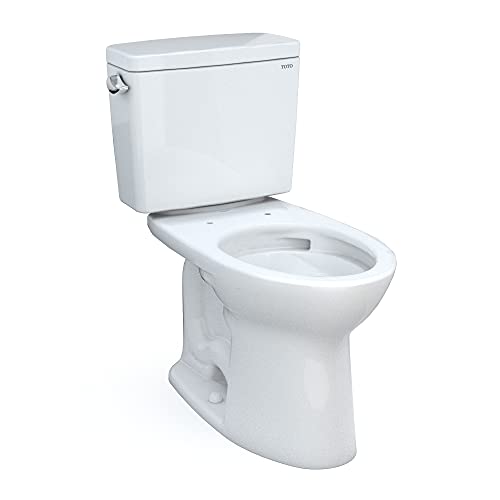
For coordination with best flushing toilets such as the TOTO Drake II or Kohler Highline, the toilet's trip lever finish is the critical tie-in point. TOTO sells its Drake and Drake II trip levers in chrome, brushed nickel, and bone. Kohler offers its Highline lever in polished chrome and brushed nickel. Matching faucet to lever is the single most impactful hardware decision in a toilet-and-vanity renovation.
Interior design standards recommend selecting one primary metal finish for 70 to 80 percent of your hardware and one accent finish for the remainder. For bathrooms, the faucet and toilet trip lever should share the same finish family. Mixing warm metals (bronze, gold, brass) with cool metals (chrome, nickel) in equal measure looks unintentional rather than curated -- keep one clearly dominant.
Oil-rubbed bronze is a poor choice for hard-water environments unless the finish is PVD-applied and you are willing to clean and occasionally reseal it. Hard water deposits calcium and magnesium carbonate on the surface, and the chemical interaction can strip non-PVD ORB coatings over time. Regular application of a paste wax or manufacturer-recommended sealant extends finish life significantly.
Oil-rubbed bronze gets its look from a chemical patina process -- typically a controlled oxidation of copper or brass that creates a dark, variegated surface. It is among the most visually distinctive finishes, adding warmth and an aged, artisan quality that suits traditional, Mediterranean, and rustic bathroom styles. The problem is that this same "living finish" quality means it changes with use and environment.
In areas where tap water hardness exceeds 10 grains per gallon (roughly 171 mg/L CaCO3) -- common throughout the American Southwest, Great Plains, and Mountain West -- calcium deposits bond aggressively to ORB surfaces. Removing them without stripping the finish requires pH-neutral cleaners rather than the standard vinegar solutions that work on chrome. Using acidic cleaners on oil-rubbed bronze accelerates color loss, particularly in the highlighted areas that give the finish its character.
If you live in a hard-water area and want bronze tones, manufacturers including Delta and Moen offer PVD-coated "Venetian Bronze" and "Champagne Bronze" variants that deliver the warm bronze look with substantially better durability. Moen's spot-resist brushed bronze and Delta's Venetian Bronze PVD both carry lifetime finish warranties under normal residential use.
For broader guidance on water quality and bathroom fixtures, see our hard water toilet guide and our article on toilet cleaning methods that are safe for bronze and specialty finishes.
Brushed nickel and matte black hide water spots best among common faucet finishes. Both have surface textures or low-gloss sheens that diffuse light, preventing the refraction that makes water deposits visible on polished surfaces. Brushed gold performs similarly. Polished chrome and polished nickel show water spots most prominently due to their mirror-like reflectivity.
Water spots form when tap water evaporates and leaves behind dissolved mineral salts -- primarily calcium carbonate in hard water and magnesium compounds in very hard water. On a polished surface, the irregular crystalline deposits create micro-scale height variations that scatter light differently from the surrounding mirror finish, making them pop visually.
Brushed finishes interrupt this effect because the existing surface texture already scatters light in multiple directions. The eye cannot distinguish between the intentional grain of the finish and the incidental grain of a mineral deposit at normal viewing distances. This is why brushed nickel and brushed gold faucets can look clean for days longer than an equivalent polished-chrome model between wiping sessions.
Matte black takes a different approach: the extremely low gloss level (typically below 10 gloss units on a 60-degree gloss meter) means there is almost no specular reflection to interrupt. Water spots are essentially invisible on matte black until the faucet becomes heavily soiled. The tradeoff is that when matte black does get visibly dirty, water streaks show as lighter patches against the dark ground -- the inverse of the chrome problem.
Start with your toilet trip lever finish, then match the faucet to it. Extend that finish to towel bars, toilet paper holders, and cabinet pulls. Choose one dominant finish for all primary hardware and allow one secondary finish as an accent -- but never split equally between two competing metal families. Warm metals (bronze, brass, gold) and cool metals (chrome, nickel) should not share equal weight in one room.
The toilet trip lever is often the overlooked anchor point in bathroom hardware coordination. Brands like TOTO, Kohler, American Standard, and Gerber all offer multiple trip lever finishes to match their toilet models. TOTO's Drake and Drake II, two of the most popular high-efficiency toilets on the market with MaP flush scores at or above 800 grams, offer their iconic side-mount lever in chrome (#CP), brushed nickel (#BN), and bone (#EB). Kohler's Highline -- a consistent performer in MaP testing and EPA WaterSense certified at 1.28 GPF -- offers its trip lever in polished chrome and brushed nickel across most configurations.
American Standard's Champion 4, renowned for its 4-inch flush valve and high MaP scores, ships with a trip lever in polished chrome as standard. Aftermarket levers in brushed nickel and oil-rubbed bronze are available from third parties. The Cadet 3 similarly defaults to chrome but accepts standard aftermarket levers.
Woodbridge's T-0001, a popular dual-flush elongated toilet, ships with a chrome flush button; coordinate your faucet accordingly or source a brushed nickel flush plate to permit a nickel faucet.
Beyond the toilet lever, the hardware consistency hierarchy is: faucet and trip lever (must match) > towel bars and rings (should match) > cabinet pulls and hinges (can accent). Light fixture finishes can introduce a secondary metal -- for example, brushed brass pendants over brushed nickel faucets -- as long as the secondary is kept clearly subordinate by volume.
For a deeper dive into complete bathroom renovation sequencing, see our bathroom renovation guide and our article on toilet flush levers and trip levers.
The most common hardware mistake in bathroom renovations is buying fixtures in stages without a written finish plan. Polished chrome and brushed nickel look similar under store lighting but clash significantly under bathroom lighting conditions -- especially warm LED or incandescent vanity bulbs that amplify the yellow tones in nickel versus the blue-white of chrome. Bring a chip or a saved photo of your confirmed finish to every subsequent hardware purchase.
Different design vocabularies call for different finish families. Use this as a starting point:
Your sink or vanity top material also influences which finish looks best and holds up best. Undermount or drop-in white porcelain sinks are compatible with every finish. Stainless steel vessel sinks pair most naturally with chrome and brushed nickel. Copper sinks demand oil-rubbed bronze or unlacquered brass -- putting chrome against copper creates a jarring cool-vs-warm clash. Concrete and matte stone sinks pair best with matte black or brushed industrial finishes. Marble tops elevate polished nickel and brushed gold most effectively.
Four factors determine finish longevity more than any other: application method (PVD vs. electroplating), water chemistry, cleaning product pH, and mechanical abrasion from cleaning habits. Using abrasive scouring pads on any faucet finish -- including chrome -- introduces micro-scratches that accelerate corrosion. Acidic cleaners (vinegar, citric acid, many bathroom sprays) etch non-PVD finishes and attack the clear lacquer used over many ORB and Venetian bronze applications.
Manufacturer cleaning guidance is consistent: use a mild dish soap diluted in warm water, apply with a soft microfiber cloth, and dry after cleaning to prevent water spot formation. For lime scale, a product specifically formulated for the finish (check manufacturer recommendations, as Kohler, Delta, and Moen each have approved product lists) will dissolve deposits without harming the coating.
Water softeners improve finish longevity across all finish types, but especially for oil-rubbed bronze and polished nickel. If your municipal supply or well water tests above 7 grains per gallon, a water softener is a cost-effective investment that extends the life of every plumbing fixture in your home, including toilets, faucets, and showerheads.
Gerber and American Standard both publish finish-specific cleaning guides in their warranty documentation -- worth downloading before installation rather than after a finish problem appears. Gerber's Viper and Avalanche faucet lines and American Standard's Edgemere and Studio collections each carry finish warranties that can be voided by use of non-approved cleaning products. Keep the documentation.
Different brands call the same finish by different names, which creates confusion when cross-shopping. Here is a normalized reference:
| Generic Finish | Delta | Moen | Kohler | American Standard | Pfister |
|---|---|---|---|---|---|
| Polished Chrome | Chrome (CR) | Chrome | Polished Chrome (CP) | Polished Chrome | Polished Chrome (C) |
| Brushed Nickel | Brushed Nickel (BN) | Brushed Nickel | Vibrant Brushed Nickel (BN) | Brushed Nickel | Brushed Nickel (BN) |
| Oil-Rubbed Bronze | Venetian Bronze (RB) | Oil Rubbed Bronze (ORB) | Oil-Rubbed Bronze (2BZ) | Oil Rubbed Bronze | Rustic Bronze (R) |
| Matte Black | Matte Black (BL) | Matte Black | Matte Black (BL) | Matte Black | Matte Black (B) |
| Brushed Gold | Champagne Bronze (CZ) | Brushed Gold | Vibrant Brushed Moderne Brass | Brushed Gold | Brushed Gold (BG) |
| Polished Nickel | Polished Nickel (PN) | Polished Nickel | Vibrant Polished Nickel (SN) | Polished Nickel | Polished Nickel (PN) |
Matte black faucets have grown from a niche option to a mainstream finish choice over the past decade, driven by the rise of industrial and modern farmhouse design aesthetics. Delta's Trinsic and Essa lines in matte black have been best-selling faucets, and Kohler's Purist and Artifacts collections in matte black carry the same lifetime PVD warranty as their chrome counterparts. Matte black pairs exceptionally well with white wall-hung toilets, frameless glass shower enclosures, and floating vanities.
Brushed gold -- called "Champagne Bronze" by Delta, "Modern Brass" by Kohler, and "Brushed Gold" by Moen -- represents the high-end direction of bathroom hardware trends. PVD-applied brushed gold is more durable than traditional unlacquered brass and does not require polishing. It carries a warm tone similar to satin brass but with a more contemporary, less traditional feel. It works best in bathrooms where at least one other warm element exists -- honey-toned wood vanities, warm gray tile, beige or greige paint colors.
For coordination with Swiss Madison and Woodbridge toilets -- both brands popular for their value-to-style ratio -- matte black faucets and flush hardware create a visually cohesive modern bathroom without the premium cost of TOTO or Kohler designer lines.
Brushed nickel surpassed polished chrome as the best-selling bathroom faucet finish in the United States around 2018 and has maintained that position. Its fingerprint resistance and versatile appearance across traditional and contemporary styles explain its dominance.
No. Finish is applied to the exterior of the faucet body and does not affect internal waterway geometry, valve performance, or the aerator. Flow rate is determined by the aerator and cartridge specifications, not the finish.
A PVD-applied polished chrome finish on a quality faucet can last 20 to 30 years under normal residential use. Electroplated chrome without PVD is typically rated for 5 to 10 years before pitting or flaking can occur, depending on water chemistry and cleaning practices.
Designers generally advise against mixing chrome and brushed nickel in equal proportion because their cool tones are close but not identical. If you must mix them, use one as the dominant finish (70 percent or more of hardware) and the other as accent only. Mixing warm and cool metal families -- chrome with bronze, for example -- is more visually forgiving when done intentionally.
Matte black hides water spots better than chrome but can show soap residue and hard water buildup as chalky white streaks against the dark surface. Cleaning is straightforward with diluted dish soap and a microfiber cloth, but the contrast of white deposits on black can be jarring if the faucet is not wiped dry after use in hard-water areas.
Polished chrome is the best choice for rental properties due to its low unit cost, near-universal availability, ease of cleaning, and hard surface that resists damage from tenants using abrasive cleaners. Replacement parts are universally available, and chrome fixtures appeal to the broadest range of renters.
Non-PVD oil-rubbed bronze finishes benefit from periodic application of a paste wax (such as carnauba wax) every six to twelve months to protect the lacquer topcoat from hard water and cleaning product attack. PVD oil-rubbed bronze does not require sealing but should still be cleaned with pH-neutral products to preserve the topcoat's clarity.
Physical vapor deposition (PVD) is a vacuum-process coating method that bonds metallic compounds to a substrate at a molecular level, creating a finish that is harder, more scratch-resistant, and more corrosion-resistant than electroplating. Most lifetime warranty finishes from Delta, Moen, Kohler, and Pfister use PVD. Always verify whether a faucet is PVD-coated before purchase.
Spray-on faucet refinishing products exist but are not durable -- most last 12 to 24 months before peeling or wearing through at contact points. Professional powder coating or PVD re-plating is far more durable but typically costs more than replacing the faucet. Refinishing is generally not cost-effective for standard bathroom faucets.
Finish condition affects perceived home value more than finish type. A clean, unchipped chrome faucet reads as well-maintained. A corroded brushed nickel faucet reads as neglect regardless of how fashionable the finish originally was. Buyers respond to condition first, style second in most mid-market renovations.
All major faucet finishes coordinate with white porcelain toilets because white is neutral. Chrome and brushed nickel are the most traditional pairings. Matte black creates a contemporary contrast. Brushed gold adds warmth. The trip lever finish on the toilet itself is the true coordination point -- match the faucet to the lever, not just to the porcelain color.
PVD-applied brushed gold from major manufacturers (Delta Champagne Bronze, Kohler Vibrant Brushed Moderne Brass, Moen Brushed Gold) carries lifetime finish warranties and holds up comparably to PVD brushed nickel. Non-PVD brass faucets tarnish and require polishing, which is why most premium brands shifted to PVD gold application in the 2010s.
Polished nickel costs more than polished chrome and is softer, making it more prone to surface scratches. It offers a warmer, slightly yellower tone than chrome that suits traditional and glam bathroom styles. Unless the specific warm tone of polished nickel is important to your design, brushed nickel delivers comparable elegance with better durability at a lower price.
Polished chrome is technically the easiest to clean because its hard, smooth surface releases soaps and mineral deposits more readily than textured finishes. However, it shows contamination so quickly that you end up cleaning it more often. Brushed nickel delivers the best balance of easy cleaning and forgiveness between cleanings for most households.
Yes, subtly. Polished chrome feels glassy and cool. Brushed nickel has slight tactile texture from its directional grain that some users prefer for grip on handles. Matte black can feel slightly rough depending on the topcoat. Oil-rubbed bronze feels smooth but may feel slightly waxy if a protective sealant has been applied.
Pitting or peeling indicates the finish has been compromised, usually by corrosive cleaning products, hard water damage, or a low-quality original application. At that point, refinishing the faucet is rarely economical. Replacement is the better path, and selecting a PVD-finished faucet from a brand with a lifetime finish warranty prevents recurrence.
No. Vinegar is mildly acidic and will attack non-PVD ORB finishes, stripping the dark patina and exposing the lighter substrate beneath. For ORB faucets, use pH-neutral cleaners such as diluted dish soap. For stubborn mineral deposits, consult the manufacturer's approved cleaner list -- Moen and Delta both publish specific guidance for their ORB lines.
They share the same base chemistry -- chromium application over a substrate -- but bathroom faucet chrome is typically decorative chrome (thin layer, high gloss, applied over nickel underplating) rather than hard industrial chrome. PVD "chrome" on modern faucets is actually a titanium or zirconium nitride compound that mimics chrome's appearance with greater hardness and corrosion resistance.
Matte black faucets create a unified, intentional look when used with black grout and dark tile. Chrome and brushed nickel provide classic contrast against dark grout, keeping the focus on the tile pattern. Avoid oil-rubbed bronze with black grout -- the two dark elements compete rather than complement.
Not always, because toilets and faucets are made to different standards and the ceramic firing process limits color customization. Toilet trip levers, flush plates, and handles are the closest match point between toilet and faucet hardware. TOTO, Kohler, and American Standard all offer trip levers in chrome, brushed nickel, and select bronze options for their most popular models. For exact finish matching, purchase trip lever and faucet from the same brand and finish family where possible.
Brushed nickel with PVD application is the best all-around faucet finish for most bathrooms: it hides fingerprints and water spots, carries a lifetime warranty from every major brand, and coordinates with the widest range of tile, vanity, and toilet hardware styles. Choose polished chrome if you prioritize maximum durability and easiest deep-cleaning. Choose oil-rubbed bronze or brushed gold for warmth and character in traditional or glam spaces, but verify PVD application and commit to water-appropriate maintenance. Whatever finish you select, coordinate it with your toilet trip lever first -- that single decision unifies your entire bathroom hardware palette.
How we rank & our data sources
We do not run physical lab tests. Rankings are built from published, verifiable data and real owner feedback, never paid placement.
Researched by Marcus Bell · Last updated July 2, 2026 · Our review method
Kohler and Kingston Brass sit at opposite ends of the bathroom faucet market, one a full-line American fixture manufacturer with its own…
Read the guideA spec-by-spec comparison of Kohler's Purist and Forte tub-and-shower systems against American Standard's Colony and Fluent lines, covering valve technology, finish options,…
Read the guideAn honest, spec-by-spec comparison of Kohler's Purist faucet line against Grohe's Eurosmart faucet line, covering valve technology, finish options, install type, WaterSense-rated…
Read the guide