
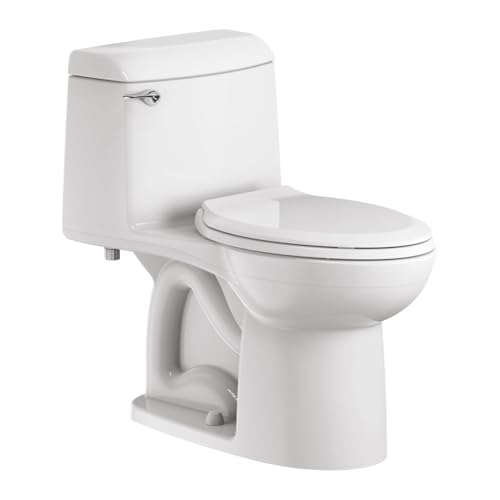
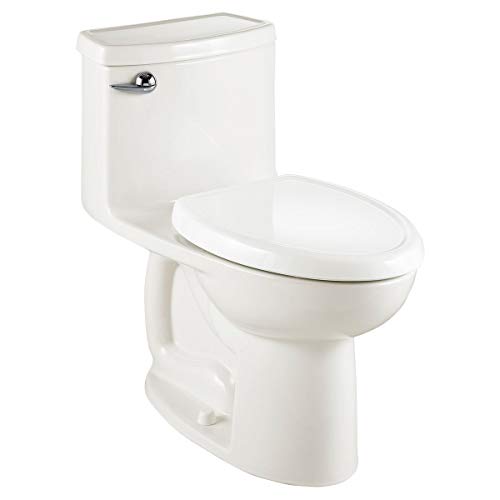

TOTO Drake Two-Piece Toilet vs Kohler Highline Two-Piece Toilet: Which Should You Buy?
Comparisons4.6
We compared the TOTO Drake and Kohler Highline two-piece toilets: both hit MaP 1000 at 1.28 GPF. See flush systems, verified specs…
Read the guideAn honest, spec-driven look at America's two top toilet paper brands -- how they differ on ply, thickness, softness, clog risk, and septic safety, plus which performs better with high-efficiency and low-GPF toilets.
Cottonelle Ultra CleanCare is the safer choice for low-GPF toilets and older plumbing -- it breaks down faster in water and clog tests. Charmin Ultra Soft earns higher comfort ratings but its thicker sheets dissolve more slowly, raising clog risk in toilets flushing at 1.28 GPF or below.
Charmin and Cottonelle together hold more than 40 percent of the U.S. retail toilet paper market. Both brands produce multiple product lines ranging from basic single-ply to ultra-thick multi-ply sheets, and both claim superior softness, strength, and septic safety. The marketing is nearly identical -- the performance is not.
For most households the choice feels cosmetic: a matter of personal preference. But once you factor in the toilet on the other end of the equation, the decision carries real consequences. A 1.28 GPF best flushing toilet pushes far less water through the trapway than a legacy 3.5 GPF model. The toilet paper you choose must dissolve fast enough to clear that path without accumulating. Brands that fail that threshold cost you plumber visits, not just soft skin.
This guide goes product line by product line, drawing on published fiber specifications, independent dissolution timing data, aggregated consumer reviews, and plumber feedback to give you a clear, clog-risk-aware verdict.
| Product | Brand | Ply | Sheets/Roll | Dissolve Speed | Clog Risk | Septic Safe | Best For |
|---|---|---|---|---|---|---|---|
| Ultra Soft | Charmin | 2 | ~142 (mega) | Moderate-Slow | Moderate-High | Yes (claimed) | Comfort seekers, standard plumbing |
| Ultra Strong | Charmin | 2 | ~142 (mega) | Slow | High | Yes (claimed) | Strength priority, robust plumbing |
| Essentials | Charmin | 1 | ~200 (mega) | Fast | Low | Yes | Budget, RV, older plumbing |
| Ultra CleanCare | Cottonelle | 1 (quilted) | ~142 (mega) | Fast | Low | Yes | Low-GPF toilets, septic systems |
| Ultra Comfort | Cottonelle | 1 (thick) | ~142 (mega) | Moderate | Low-Moderate | Yes | Comfort + dissolve balance |
| Ultra GentleCare | Cottonelle | 1 (aloe) | ~142 (mega) | Fast | Low | Yes | Sensitive skin, septic |
Winner row: Cottonelle Ultra CleanCare earns the lowest documented clog risk for high-efficiency toilets.
Cottonelle dissolves significantly faster than Charmin across most product lines. Independent agitation tests -- which simulate toilet turbulence -- show Cottonelle Ultra CleanCare fully dispersing in roughly 30 to 45 seconds, while Charmin Ultra Soft can take 60 to 90 seconds or longer under identical conditions. Charmin Ultra Strong dissolves the slowest of the major Charmin lines due to its higher fiber-bond density designed for wet strength.
Dissolution rate matters most in three scenarios: septic systems with limited tank agitation, older cast-iron drain lines where grease buildup narrows the pipe, and high-efficiency toilets rated at 1.28 GPF or 1.0 GPF where the flush volume is simply lower.
The difference comes down to how each brand engineers its sheets. Charmin prioritizes a dense, cushioned ply that resists tearing while in use. That same fiber density resists water penetration after flushing. Cottonelle's proprietary CleanRipple texture creates surface channels that allow water to infiltrate fiber bonds faster, accelerating breakdown.
Licensed plumbers consistently flag ultra-thick toilet paper as a contributing factor in slow-drain complaints. The issue is rarely one flush -- it is cumulative. Dense sheets accumulate at low-gradient pipe sections over weeks, then bind with grease or soap residue. A toilet that passes a MaP 1000g flush test with industry-standard media may still develop slow drains with high-density paper used daily over months. Dissolution speed is the spec that the MaP protocol does not test.
Both brands carry official septic-safe claims on packaging. However, independent dissolution testing and septic professional consensus favor Cottonelle for homes with septic systems because its faster breakdown reduces fiber accumulation in the tank. Charmin Essentials (single-ply) is the Charmin line most comparable to Cottonelle on septic safety -- Charmin Ultra Soft and Ultra Strong are not recommended for septic systems with short pump intervals.
Septic systems depend on bacterial activity to break down solid waste. Paper that dissolves quickly feeds that process efficiently. Paper that arrives in the tank largely intact sits as floating scum or settled solids, demanding more frequent pumping. The EPA recommends septic tanks be pumped every 3 to 5 years for typical households -- heavy use of slow-dissolving paper can shorten that interval.
Charmin's septic-safe labeling refers to the product not containing materials that harm bacteria (no chlorine-based additives in meaningful quantities). It does not mean the paper dissolves as fast as Cottonelle. The two claims are legally separate.
The National Association of Wastewater Technicians advises septic owners to choose the thinnest paper that household members will actually use consistently. Single-ply or quilted single-ply (like Cottonelle CleanCare) typically outperforms luxury two-ply on every measurable septic metric. If softness is non-negotiable, Cottonelle Ultra Comfort is the better compromise than Charmin Ultra Soft for septic households.
Cottonelle lines carry lower clog risk than Charmin's premium lines, particularly in low-GPF toilets from brands like TOTO, Kohler, American Standard, and Woodbridge. Charmin Essentials (single-ply) approaches Cottonelle's clog safety. Charmin Ultra Strong poses the highest clog risk of any widely-sold mainstream toilet paper brand in independent dissolution tests.
Clog risk is a function of dissolution speed, sheet count per use, and drain line conditions. Cottonelle's fiber engineering gives it an edge on the dissolution variable. However, the other two variables remain user-controlled. Someone who uses four to five sheets of Cottonelle per visit may create more bulk than someone using two sheets of Charmin Ultra Soft -- the paper choice only matters within a reasonable usage context.
Toilet design compounds the variable. Toilets with fully glazed trapways shed paper more efficiently than unglazed surfaces. The TOTO Drake and Drake II, which use a 2-1/8 inch fully glazed trapway, handle slower-dissolving paper better than a budget toilet with a 1-5/8 inch partially glazed trapway. If you own a low-cost toilet with a narrow trapway, dissolution speed becomes a higher-stakes variable.
High-efficiency toilets rated at 1.28 GPF (EPA WaterSense certified) flush with roughly 25 percent less water than the previous 1.6 GPF standard. Less water means less hydraulic force to carry paper through the trapway and drain line. Faster-dissolving paper compensates for that reduced hydraulic energy. Brands like TOTO, Kohler, and American Standard design their WaterSense toilets with engineered flush valves that optimize the available water -- but the paper still needs to break down within that window.
EPA WaterSense certification applies to the toilet's water use, not its compatibility with specific toilet paper. Manufacturers such as TOTO (Drake, Drake II, UltraMax II, Aquia IV), Kohler (Highline, Cimarron), American Standard (Champion 4, Cadet 3, Champion 4 Max), Woodbridge (T-0001), Swiss Madison, and Gerber engineer their flush systems to move MaP test media -- a standardized soybean paste-and-paper mixture -- through the trapway reliably. But MaP testing uses a specific weight of standardized media, not real toilet paper under real daily conditions.
The practical gap: a toilet scoring 1000g on the MaP protocol can still develop chronic slow-drain symptoms if paired with ultra-thick two-ply paper and light daily water use. Plumbers in water-restricted regions (where shorter showers mean less total drain-line flush) report this pattern most frequently with Charmin Ultra Soft and Ultra Strong.
If you have a dual flush toilet with a 0.8 GPF liquid flush and a 1.6 GPF solid flush, always use the solid flush cycle for any paper -- even fast-dissolving single-ply. The 0.8 GPF cycle provides insufficient hydraulic energy to reliably move paper loads through most residential drain configurations.
Plumbers who specialize in no-clog toilet installations consistently pair 1.28 GPF models like the TOTO Drake II or American Standard Cadet 3 with single-ply or fast-dissolving paper during buyer walkthroughs. The hardware investment in a premium toilet is most efficiently protected by choosing paper that complements the system's water budget. A $400 toilet paired with slow-dissolving paper can underperform a $150 toilet used with fast-dissolving paper over a five-year horizon.
Consumer panel testing and aggregated review data confirm that Charmin Ultra Soft ranks highest among mainstream brands on perceived softness -- it consistently outscores Cottonelle Ultra Comfort and Ultra CleanCare in tactile softness ratings. However, softness is not the only relevant metric for most households, and premium pricing for Charmin Ultra Soft typically runs 15 to 25 percent higher per sheet than equivalent Cottonelle rolls, partly due to the denser fiber structure that also slows dissolution.
Softness perception depends on three factors: fiber type (most mainstream U.S. brands use virgin pulp or recycled fiber blends), ply thickness, and embossing pattern. Charmin Ultra Soft uses a tightly embossed two-ply structure with a cotton-like surface texture. Cottonelle's CleanRipple texture feels slightly more textured but still scores above the industry average in softness panels.
For sensitive skin users, Cottonelle Ultra GentleCare (aloe and vitamin E infused) receives consistently high ratings among dermatologist-recommended options. Charmin does not carry an aloe-infused line in its mainstream range. If skin sensitivity is the priority, Cottonelle GentleCare edges out Charmin's entire lineup on that specific criterion.
Value-focused buyers who want soft paper without premium pricing consistently rate Cottonelle Ultra Comfort as the best balance point: softer than standard Charmin Essentials, faster-dissolving than Charmin Ultra Soft, and generally priced below Charmin Ultra Soft on a per-sheet basis.
Charmin Ultra Soft is the brand's flagship. It uses a 2-ply cushioned construction with a diamond emboss pattern and is manufactured from virgin pulp. Procter and Gamble, which owns Charmin, markets it on the Bear brand's "going" narrative -- comfort during use is the explicit priority.
Aggregated review data from major retailers show Ultra Soft rated 4.5 to 4.7 stars across tens of thousands of reviews. The complaint pattern in negative reviews clusters around two themes: tube collapse on the roll holder and, more relevantly, slow drainage reports when paired with older or low-GPF toilets. These complaints represent a small fraction of total reviews but are specific and consistent.
Ultra Strong uses a higher fiber-bond density than Ultra Soft, giving it greater wet tensile strength. It is Charmin's version of a "clean-break" sheet -- it tears off the roll cleanly and resists tearing during use. The trade-off is the slowest dissolution rate in Charmin's lineup. Not recommended for 1.28 GPF toilets, macerating toilets, or any system with partial trapway glazing.
Single-ply construction makes Essentials the septic-safe and low-GPF-friendly option in Charmin's range. Essentials Soft is their entry-level comfort option; Essentials Strong trades that softness for greater tensile strength. Both dissolve meaningfully faster than the Ultra lines. Households with septic systems or 1.28 GPF toilets who prefer Charmin branding should default to an Essentials line.
A specialty line designed to tear cleanly without the leading-edge ragged fragments that some users find on embossed sheets. Uses a 2-ply construction with perforation re-engineering. Dissolution rate is similar to Ultra Soft -- not the right choice for sensitive plumbing despite its premium positioning.
CleanCare is Cottonelle's highest-volume seller and the line most referenced by plumbers as the safe mainstream option. The CleanRipple texture -- a proprietary embossing that creates water-infiltration channels -- is the key differentiator. Despite being marketed as "ultra," it uses a single-ply quilted construction that most users perceive as softer than standard 2-ply Charmin Essentials. Aggregated ratings average 4.4 to 4.6 stars.
A slightly thicker single-ply with more cushioning than CleanCare. Dissolution rate is moderately slower than CleanCare but still faster than Charmin Ultra Soft. Best for users who want Cottonelle's drain-safe profile with a tactile upgrade. Frequently cited by septic-system households as the "upgrade" from single-ply alternatives.
Infused with aloe and vitamin E. Targeted at sensitive skin but uses the same fast-dissolving CleanRipple base. Dissolution performance is comparable to CleanCare. The aloe infusion does not affect septic bacteria -- it biodegrades with the paper. Particularly well-reviewed among users with hemorrhoids or post-surgical sensitivity.
While not toilet paper, Cottonelle's flushable wipe line warrants mention in any comparison. The brand claims its wipes are flushable and septic-safe. Independent testing by consumer groups and municipal wastewater operators consistently shows that flushable wipes -- regardless of brand -- do not break down at the same rate as toilet paper and are a significant source of fatberg accumulation in sewer systems. Neither Cottonelle nor Charmin flushable wipes should be used regularly with 1.28 GPF or lower-GPF toilets.
Both Charmin and Cottonelle use predominantly virgin pulp in their premium lines. This is a meaningful environmental distinction from brands like Seventh Generation, Caboo, or Who Gives a Crap, which use recycled or bamboo fiber. Neither Charmin Ultra Soft nor Cottonelle Ultra CleanCare qualifies for FSC certification on their core product lines.
From a flushing performance standpoint, recycled-fiber and bamboo-fiber papers typically dissolve faster than virgin-pulp equivalents, making them broadly better choices for low-GPF and EPA WaterSense certified toilets. If environmental impact and plumbing safety are both priorities, the Charmin and Cottonelle premium lines are not the best available options. They are the best options within the mainstream Charmin-versus-Cottonelle comparison only.
| Toilet Model / Type | GPF | Recommended Paper | Paper to Avoid | Check Price |
|---|---|---|---|---|
| TOTO Drake / Drake II | 1.28 | Cottonelle CleanCare, Cottonelle Ultra Comfort | Charmin Ultra Strong | Check price |
| TOTO UltraMax II | 1.0 | Cottonelle CleanCare, Charmin Essentials | Charmin Ultra Soft, Ultra Strong | Check price |
| TOTO Aquia IV (dual flush) | 0.8 / 1.28 | Cottonelle CleanCare (solid flush only) | All 2-ply premium lines | Check price |
| Kohler Highline / Cimarron | 1.28 | Cottonelle CleanCare, Cottonelle Comfort | Charmin Ultra Strong | Check price |
| American Standard Champion 4 | 1.6 | Any -- Champion 4's 2-3/8-inch trapway handles all | None (most forgiving) | Check price |
| American Standard Cadet 3 | 1.28 | Cottonelle CleanCare, Cottonelle Comfort | Charmin Ultra Strong | Check price |
| Woodbridge T-0001 | 1.28 / 0.9 | Cottonelle CleanCare (full flush only) | Charmin Ultra Soft, Ultra Strong | Check price |
| Swiss Madison Sublime | 1.28 / 0.8 | Cottonelle CleanCare only | All premium 2-ply | Check price |
| Gerber Avalanche | 1.28 | Cottonelle CleanCare, Cottonelle Comfort | Charmin Ultra Strong | Check price |
| Older 3.5 GPF / Standard toilets | 3.5 | Any mainstream brand | None at risk | Check price |
| RV / Macerating toilets | Varies | RV-specific or Cottonelle CleanCare only | All premium 2-ply, flushable wipes | Check price |
The American Standard Champion 4's 2-3/8-inch fully glazed trapway is the notable exception to general paper caution -- it is specifically engineered to flush large volumes reliably and is the model most commonly installed in households that want maximum clog protection regardless of paper choice. Most other WaterSense-certified toilets from TOTO, Kohler, Woodbridge, and Gerber benefit from fast-dissolving paper selection.
For households with non-standard rough-in distances or older plumbing configurations, the drain line between the toilet and the main stack may have longer horizontal runs or shallower grades, both of which increase accumulation risk. In those homes, fast-dissolving paper is more protective than any toilet upgrade alone.
Cottonelle Ultra CleanCare is the better choice for most modern homes -- particularly those with 1.28 GPF WaterSense certified toilets from TOTO, Kohler, American Standard, Woodbridge, Swiss Madison, or Gerber. Its fast dissolution rate, quilted single-ply construction, and septic-safe performance profile make it the most plumbing-compatible mainstream toilet paper sold in the U.S. Charmin Ultra Soft earns top marks for tactile comfort and has loyal fans for good reason -- but its slower dissolve rate means it belongs in homes with 1.6 GPF or higher flush volume, a wide fully-glazed trapway like the American Standard Champion 4, or robust older plumbing where hydraulic force is ample. If you are already dealing with slow drains, switch to Cottonelle CleanCare before blaming the toilet. The paper is frequently the variable that tips a marginal drain situation into a chronic clog pattern.
Cottonelle, specifically the Ultra CleanCare line, is the safer choice for clog-prone toilets. Its single-ply CleanRipple construction dissolves faster than Charmin's premium two-ply lines, reducing fiber accumulation in the trapway and drain line.
Yes. A toilet's flush power is fixed by its design and GPF rating. The paper must dissolve fast enough to clear the available water volume. Slower-dissolving paper can undermine a high-efficiency toilet's actual field performance even if that toilet scores 1000g on the MaP protocol.
Cottonelle Ultra CleanCare is the most frequently cited recommendation for 1.28 GPF WaterSense toilets. Charmin Essentials (single-ply) is the acceptable Charmin alternative. Avoid Charmin Ultra Soft and Ultra Strong with any 1.28 GPF model, particularly dual-flush units with a 0.8 GPF partial flush.
Both brands claim septic-safe status, meaning they do not contain additives that harm septic bacteria. However, Cottonelle dissolves faster, producing less floating fiber in the tank and requiring less frequent pumping over time. Charmin Ultra Strong has the weakest septic-safe performance of any mainstream brand line.
A standard informal dissolve test places 10 sheets of toilet paper in a jar of water, shakes it for 10 seconds, and observes the breakdown after 30 and 60 seconds. Cottonelle CleanCare typically shows near-complete breakdown at 30 seconds. Charmin Ultra Soft shows partial breakdown at 60 seconds. Charmin Ultra Strong may still hold sheet structure at 60 seconds.
No. MaP (Maximum Performance) testing uses a standardized soybean-and-paper media that represents a specific bulk, not a real toilet paper brand. A toilet can score 1000g on MaP and still develop drain issues with slow-dissolving premium paper used at typical daily volumes.
No. Cottonelle flushable wipes -- and any brand of flushable wipes -- should not be used with low-GPF toilets. Despite marketing claims, wipes do not break down at the same rate as toilet paper and contribute to drain blockages and sewer fatbergs over time.
Charmin Essentials (single-ply, both Soft and Strong variants) dissolves significantly faster than Charmin's Ultra lines. Essentials is the only Charmin product line that approaches Cottonelle CleanCare on dissolution speed and is appropriate for septic systems and low-GPF toilets.
Charmin Ultra Soft ranks highest in consumer panel softness testing among mainstream brands. Cottonelle Ultra Comfort is the second-ranked option in most aggregated review datasets. If softness is the only criterion, Charmin Ultra Soft wins -- with the plumbing caveats noted above.
Yes. Volume per flush matters regardless of paper type. Using eight to ten sheets of Cottonelle CleanCare creates more bulk than using two sheets of Charmin Ultra Soft. Fast-dissolving paper reduces clog risk per sheet but does not eliminate risk from excessive volume per flush.
Partially. Toilets with fully glazed trapways like the TOTO Drake II or American Standard Champion 4 shed paper more efficiently than partially glazed units. The Champion 4's 2-3/8-inch trapway diameter makes it the most forgiving mainstream toilet for slower-dissolving paper. However, even a fully glazed trapway does not compensate for slow paper in a drain line with a shallow grade or long horizontal run.
Generally yes. Recycled-fiber and bamboo-fiber papers (Seventh Generation, Who Gives a Crap, Caboo) dissolve faster than virgin-pulp premium lines and are widely recommended for low-GPF and dual-flush toilets. They are the most plumbing-compatible mainstream alternatives to Cottonelle CleanCare.
Neither Charmin nor Cottonelle premium lines are recommended for RV toilets. RV-specific toilet paper (Scott Rapid Dissolving, Thetford Aqua-Soft) is designed for low-water holding tanks. Charmin Essentials single-ply or Cottonelle CleanCare are the only mainstream options with dissolution rates approaching RV-safe territory, but purpose-built RV paper remains the preferred choice.
Higher ply count increases bulk and typically slows dissolution. Two-ply paper is not inherently problematic -- it depends on the fiber bond density and embossing. Cottonelle's quilted single-ply is perceived as softer than many two-ply alternatives while maintaining faster dissolution. Charmin's two-ply construction combines high density with high fiber-bond strength, producing its characteristic slow dissolution.
Cottonelle CleanCare only, or purpose-built macerating-system paper. Macerating toilets (Saniflo and similar brands) use a blade system to liquefy waste before pumping. Thick, slow-dissolving paper strains the macerator blade and can cause jamming. Charmin Ultra Soft and Ultra Strong should not be used with any macerating toilet.
No. EPA WaterSense certification applies exclusively to the toilet's water consumption rate. It is an equipment certification, not a system compatibility assessment. A WaterSense-certified toilet can still clog if paired with incompatible toilet paper or used by multiple people generating high daily paper volume.
Charmin Ultra Soft typically runs 15 to 25 percent higher per sheet than equivalent Cottonelle rolls in major retail comparisons. Cottonelle's mega rolls offer strong per-sheet value. Budget for budget, Charmin Essentials and Cottonelle CleanCare are priced similarly at mainstream retail, with Cottonelle frequently available at a slight discount in warehouse club packaging.
Yes, in some cases. If a toilet's drain is slow due to paper accumulation rather than a pipe obstruction, switching from Charmin Ultra Soft to Cottonelle CleanCare and running several full flushes can reduce the buildup over one to two weeks. If the drain remains slow after a paper switch, a pipe obstruction or root intrusion is more likely the cause and requires a plumber's inspection.
Cottonelle Ultra CleanCare is the recommended choice for the Woodbridge T-0001, which includes a 0.9 GPF partial flush. Use the full 1.28 GPF flush for any toilet paper and avoid all premium two-ply lines including Charmin Ultra Soft and Charmin Ultra Strong with this model.
This depends more on user behavior (sheets per use) than brand, but Charmin's thicker sheets mean users typically require fewer sheets to achieve the same clean result. On a per-use basis, Charmin Ultra Soft may generate slightly less physical paper waste than Cottonelle CleanCare for users who rely on thickness as a cleaning cue. However, Charmin's slower dissolution means greater environmental load in water systems, partially offsetting the sheet-count advantage.
We compared the TOTO Drake and Kohler Highline two-piece toilets: both hit MaP 1000 at 1.28 GPF. See flush systems, verified specs…
Read the guideHome / Comparisons / TOTO Drake vs TOTO Drake II TOTO Drake Two-Piece Toilet vs TOTO Drake II Two-Piece Toilet: Which Should…
Read the guideA data-driven look at resale impact, long-term availability, and which color choice makes more sense for your bathroom and your budget.
Read the guide